Roland Végső – författare
Visar alla böcker från författaren Roland Végső. Handla med fri frakt och snabb leverans.
6 produkter
6 produkter
1 220 kr
Skickas inom 10-15 vardagar
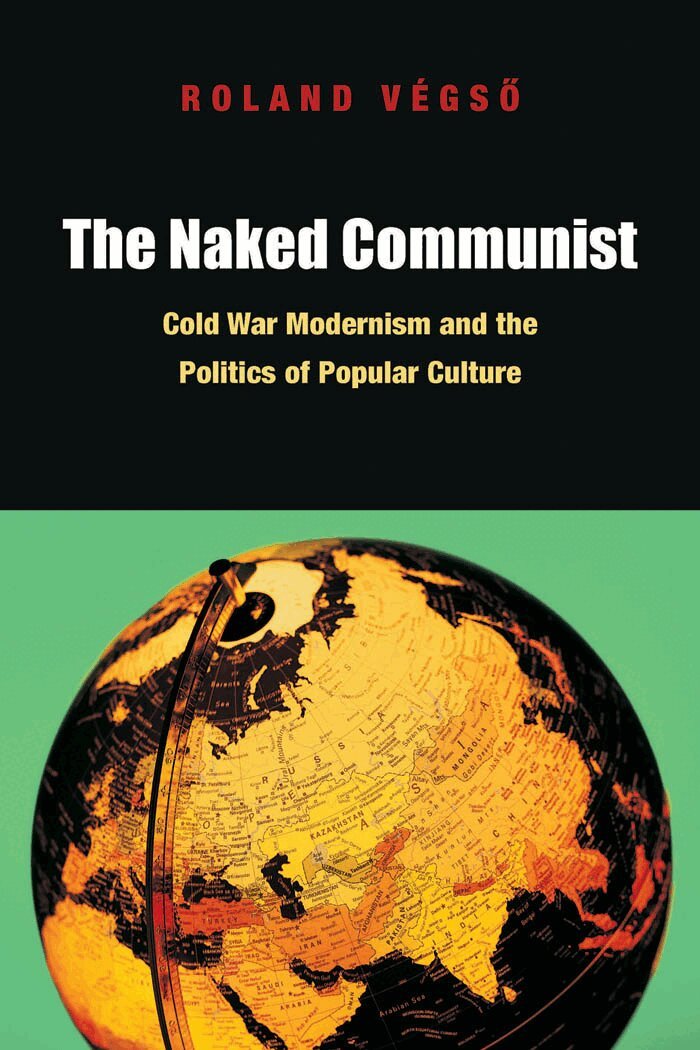
The Naked Communist argues that the political ideologies of modernity were fundamentally determined by four basic figures: the world, the enemy, the secret, and the catastrophe. While the "world" names the totality that functioned as the ultimate horizon of modern political imagination, the three other figures define the necessary limits of this totality by reflecting on the limits of representation.The book highlights the enduring presence of these figures in the modern imagination through detailed analysis of a concrete historical example: American anti-Communist politics of the 1950s. Its primary objective is to describe the internal mechanisms of what we could call an anti- Communist "aesthetic ideology." The book thus traces the way anti-Communist popular culture emerged in the discourse of Cold War liberalism as a political symptom of modernism. Based on a discursive analysis of American anti-Communist politics, the book presents parallel readings of modernism and popular fiction from the 1950s (nuclear holocaust novels, spy novels, and popular political novels) in order to show that, despite the radical separation of the two cultural fields, they both participated in a common ideological program.
422 kr
Skickas inom 10-15 vardagar
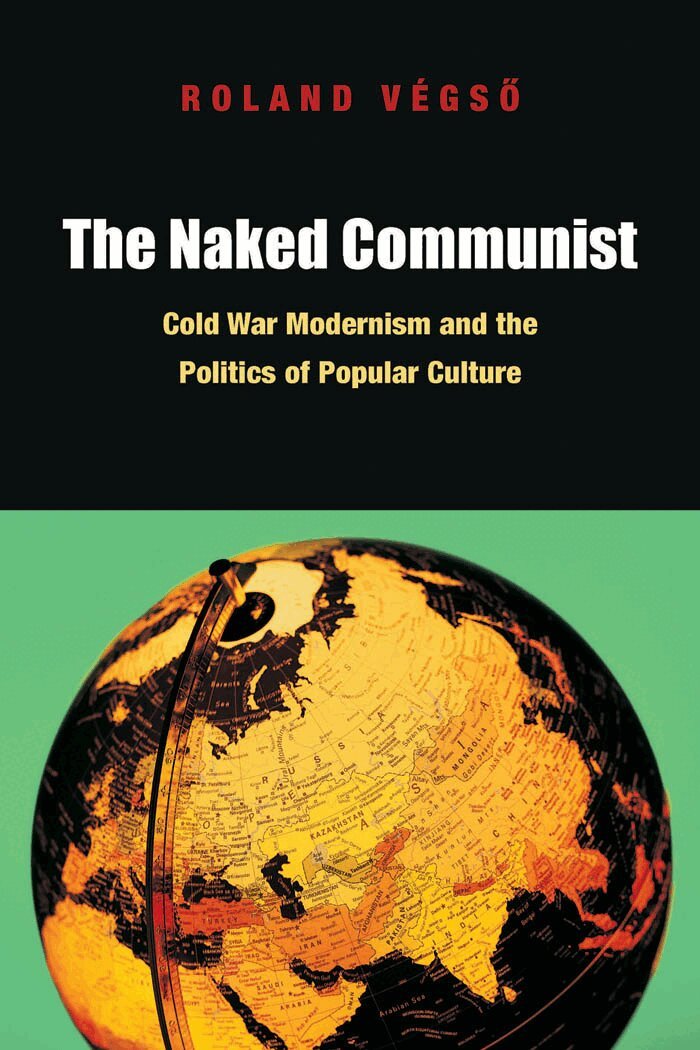
The Naked Communist argues that the political ideologies of modernity were fundamentally determined by four basic figures: the world, the enemy, the secret, and the catastrophe. While the "world" names the totality that functioned as the ultimate horizon of modern political imagination, the three other figures define the necessary limits of this totality by reflecting on the limits of representation.The book highlights the enduring presence of these figures in the modern imagination through detailed analysis of a concrete historical example: American anti-Communist politics of the 1950s. Its primary objective is to describe the internal mechanisms of what we could call an anti- Communist "aesthetic ideology." The book thus traces the way anti-Communist popular culture emerged in the discourse of Cold War liberalism as a political symptom of modernism. Based on a discursive analysis of American anti-Communist politics, the book presents parallel readings of modernism and popular fiction from the 1950s (nuclear holocaust novels, spy novels, and popular political novels) in order to show that, despite the radical separation of the two cultural fields, they both participated in a common ideological program.

Del 12 - Numanities - Arts and Humanities in Progress
Life After Literature
Perspectives on Biopoetics in Literature and Theory
Inbunden, Engelska, 2020
1 162 kr
Skickas inom 10-15 vardagar
This book offers innovative investigations of the concept of life in art and in theory. It features essays that explore biopoetics and look at how insights from the natural sciences shape research within the humanities. Since literature, works of art, and other cultural products decisively shape our ideas of what it means to be human, the contributors to this volume examine the question of what literature, literary and cultural criticism, and philosophy contribute to the distinctions (or non-distinctions) between human, animal, and vegetal existence. Coverage combines different methodological aspects and addresses a wide field of comparative literary studies. The essays consider the question of language (as a distinctive feature of human existence) in a number of different contexts, which range from Aristotle’s works, through several historical layers of the philosophical discourse on the origins of speech, to modern anthropology, and 20th century continental philosophy. In addition, the volume includes concrete case studies to the current post-humanism debate and provides literary, art historian, and philosophical perspectives on animal studies.The historical multiplicity of the various cultural representations of biological existence (be that human, animal, vegetal, or mixed) might serve as a productive foundation for discussing the nature and forms of literature’s critical contributions to our understanding of these fundamental categories. This volume opens up this subject to students and scholars of literature, art, philosophy, ethics, and cultural studies, and to anyone with a theoretical interest in the questions of life.
Del 12 - Numanities - Arts and Humanities in Progress
Life After Literature
Perspectives on Biopoetics in Literature and Theory
Häftad, Engelska, 2021
1 162 kr
Skickas inom 10-15 vardagar
This book offers innovative investigations of the concept of life in art and in theory. It features essays that explore biopoetics and look at how insights from the natural sciences shape research within the humanities. Since literature, works of art, and other cultural products decisively shape our ideas of what it means to be human, the contributors to this volume examine the question of what literature, literary and cultural criticism, and philosophy contribute to the distinctions (or non-distinctions) between human, animal, and vegetal existence. Coverage combines different methodological aspects and addresses a wide field of comparative literary studies. The essays consider the question of language (as a distinctive feature of human existence) in a number of different contexts, which range from Aristotle’s works, through several historical layers of the philosophical discourse on the origins of speech, to modern anthropology, and 20th century continental philosophy. In addition, the volume includes concrete case studies to the current post-humanism debate and provides literary, art historian, and philosophical perspectives on animal studies.The historical multiplicity of the various cultural representations of biological existence (be that human, animal, vegetal, or mixed) might serve as a productive foundation for discussing the nature and forms of literature’s critical contributions to our understanding of these fundamental categories. This volume opens up this subject to students and scholars of literature, art, philosophy, ethics, and cultural studies, and to anyone with a theoretical interest in the questions of life.
594 kr
Kommande
Exploring the meanings of media technologies through Walter Benjamin's thoughtWalter Benjamin's prime years as a cultural critic coincided with the rise of televised broadcasting in Europe and North America, a unique period of rapid expansion in a new technological medium. So why would such a subtle and sensitive critic of media, known for his cultural criticism across genres, seem to have ignored or even missed the entire phenomenon of television? This book reveals how television, as a concept and a metaphor, in fact structures Benjamin's philosophy.Through a careful reading of Benjamin's work across various media—literature, photography, cinema, radio, and television—Roland Végső reconstructs a powerful vision of media technologies as not merely tools of communication but as forces that shape how we imagine and construct the world as a conceptual totality. The Dialectical Screen provides a timely and provocative framework for understanding how media continue to shape our political, cultural, and existential horizons, recasting Benjamin's understanding of historical materialism in fundamentally tele-visual terms as a theoretical orientation that makes visible the perishing of the world itself.
1 791 kr
Kommande
Exploring the meanings of media technologies through Walter Benjamin's thoughtWalter Benjamin's prime years as a cultural critic coincided with the rise of televised broadcasting in Europe and North America, a unique period of rapid expansion in a new technological medium. So why would such a subtle and sensitive critic of media, known for his cultural criticism across genres, seem to have ignored or even missed the entire phenomenon of television? This book reveals how television, as a concept and a metaphor, in fact structures Benjamin's philosophy.Through a careful reading of Benjamin's work across various media—literature, photography, cinema, radio, and television—Roland Végső reconstructs a powerful vision of media technologies as not merely tools of communication but as forces that shape how we imagine and construct the world as a conceptual totality. The Dialectical Screen provides a timely and provocative framework for understanding how media continue to shape our political, cultural, and existential horizons, recasting Benjamin's understanding of historical materialism in fundamentally tele-visual terms as a theoretical orientation that makes visible the perishing of the world itself.