Wisconsin Studies in Film - Böcker
Visar alla böcker i serien Wisconsin Studies in Film. Handla med fri frakt och snabb leverans.
17 produkter
17 produkter
265 kr
Skickas inom 7-10 vardagar
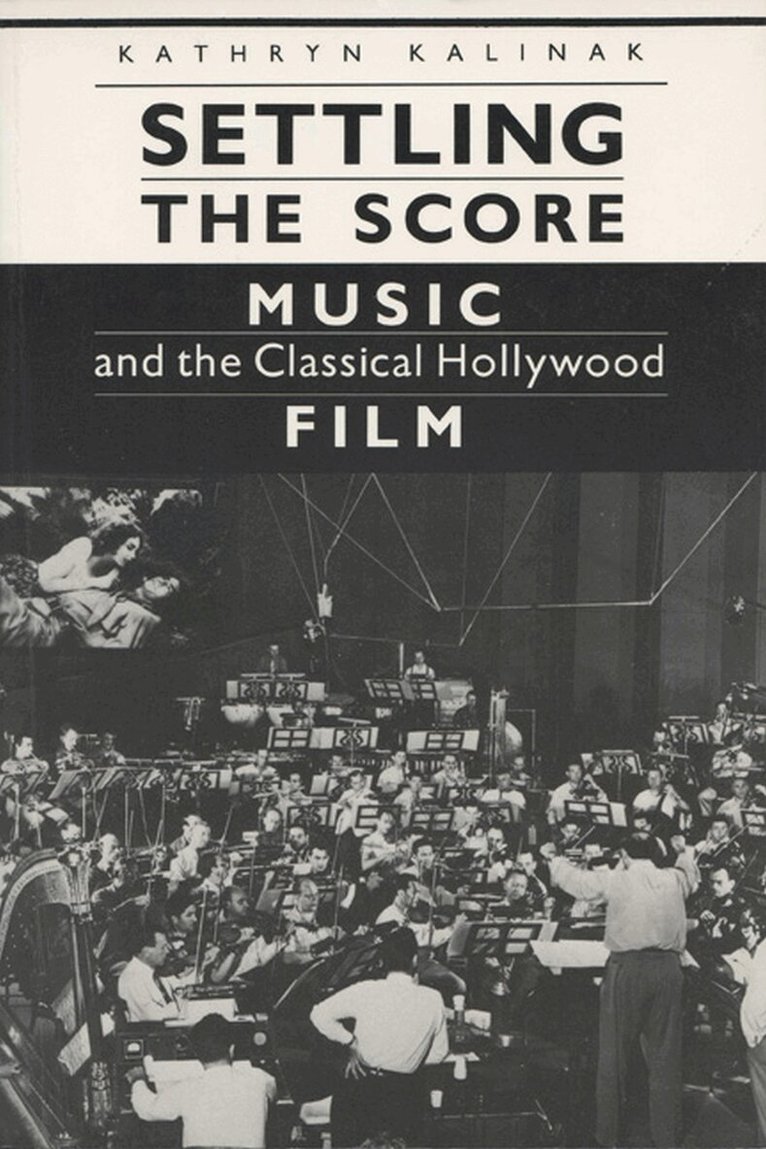
Settling the Score situates the classical Hollywwod film score and its practice in historical, theoretical and musical context. Kathryn Kalinak examines the conventions and strategies underpinning film scoring in Hollywood, investigating what has been considered the most influential and powerful relationship to have evolved between music and film, the classical Hollywood model. Beginning with the earliest experiments in musical accompaniment carried out in the Edison laboratories. Kalinak uses archival material to outline the history of music and film in America. Focusing on the scores of several key composers of the sound era, including Erich Wolfgang Korngold's ""Captain Blood"", Max Steiner's ""The Informer"", Bernard Herrmann's ""The Magnificent Ambersons"", and David Raskin's ""Laura"", Kalinak concludes that classical scoring conventions were designed to ensure the dominance of narrative exposition. Her analyses of contemporary work such as John Williams ""The Empire Strikes Back"" and Basil Poledouris ""Robocop"" demonstrate how the traditions of the classical era continue to influence scoring practices today. Underlying the author's historical investigation is an inquiry into the nature of film music itself. Exposing the visual bias in western culture in general and in film studies in particular. Kalinak argues that music is a fundamental part of the filmic exerience. She constructs a model for the perception of film that takes into account the shared power of image and sound in shaping response. Using contemporary theoy, ""Settling the Score"" makes the case that music should be an integral part of film analysis.
220 kr
Skickas inom 10-15 vardagar
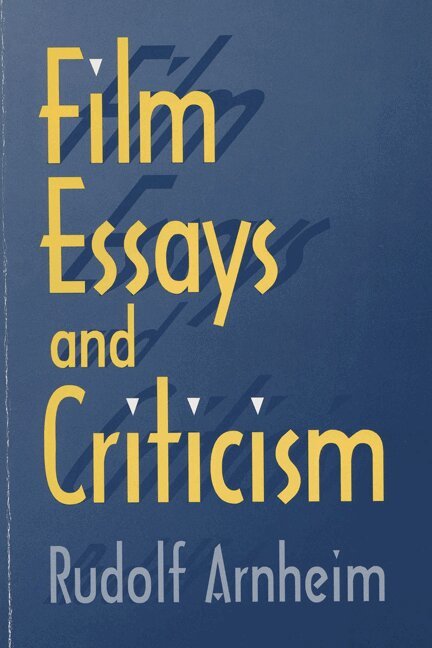
This is an English translation of Arnheim's ""Kritiken und Aufsatze zum Film"", which collects both film reviews and theoretical essays, most of them written between 1925 and 1940. Arnheim began writing about film in the 1920s for a satirical magazine, ""Das Stachelschwein"" and later became a film critic for ""Die Weltbuhne"". His most important contributions to both magazines are published here, including comments on the silent and early sound period, incorporating some of Buster Keaton's films. The 30 essays on film theory discuss elements of theory; early sound film; production; style and content; and the relationship of film and the state. The 56 critical pieces include Arnheim's thoughts on the practice of film criticism, his reviews of German, American, French and Soviet films, and his profiles of Greta Garbo, Charlie Chaplin, Felix Bressart, Erich von Stroheim, and others.
241 kr
Skickas inom 10-15 vardagar
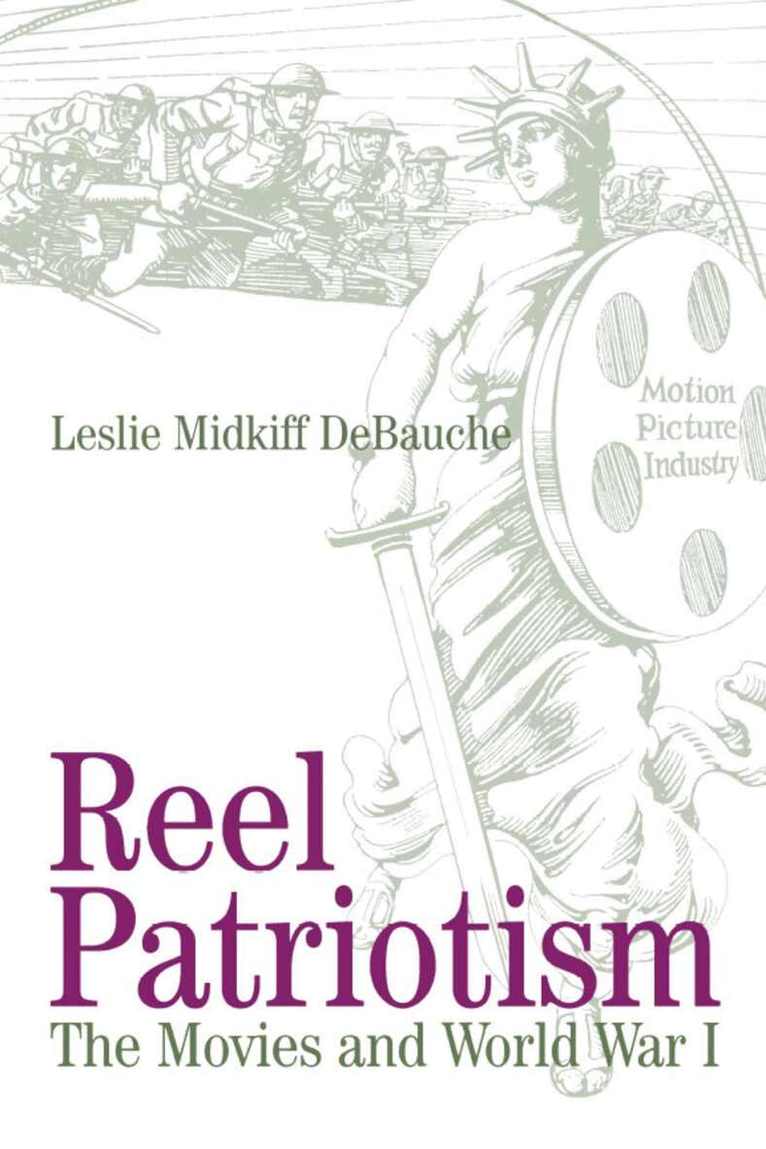
Mixing film history with social history, ""Reel Patriotism"" examines the role played by the American film industry during World War I and the effects of the industry's pragmatic patriotism in the decade following the war. Looking at such films as ""Joan the Woman"" and ""Wings"" and at the war-time activities of Mary Pickford and Charlie Chaplin, film distributors including George Kleine and the National Association of the Motion Picture Industry, this book shows how heavily publicized gestures of patriotism benefitted the reputation and profits of the movie business. Leslie Midkiff DeBauche shows how the United States government's need to garner public support for the war, conserve food, raise money and enlist soldiers was met by the film industry. Throughout the 19 months of American involvement in World War I, film studios supported the war effort through the production of short instructional films, public speaking activities of movie stars, the civic forum provided by movie theatres, and the National Association of the Motion Picture Industry's provision of administrative personnel to work directly with government agencies. While feature films about the war itself never dominated the release schedules of film distributors, they did become a staple film industry offering throughout the late 1910s and 1920s. The film industry had much to gain, DeBauche demonstrates, from working closely with the US government. Though the war posed a direct challenge to the conduct of business as usual, the industry successfully weathered the war years. After the war, film producers, distributors and exhibitors were able to capitalize on the good will of the movie-goer and the government that the industry's war work created. It provided a buffer against national censorship when the movie stars became embroiled in scandal, and it served as a selling point in the 1920s when major film companies began to trade their stock on Wall Street.
214 kr
Skickas inom 10-15 vardagar
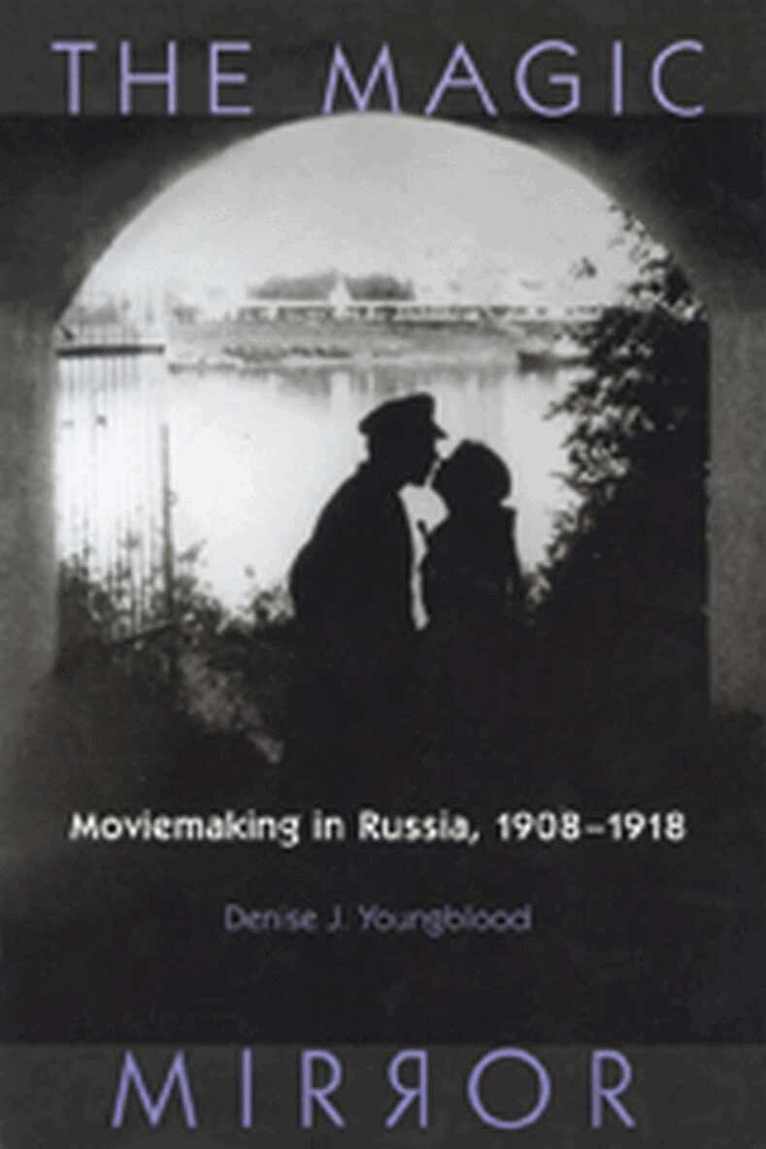
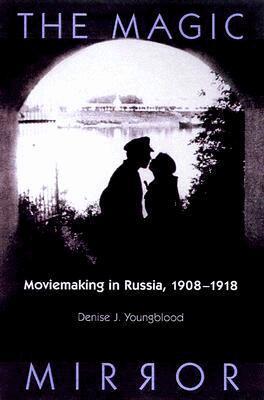
This work is a study of ten years of native Russian film production through the Revolution of 1917, based almost exclusively on Russian-language primary sources. Showing how these films portrayed and appealed to a new urban middle class, the author examines the organization and evolution of the industry and looks at genres, motifs and themes in 65 of the most important surviving films.
269 kr
Skickas inom 10-15 vardagar
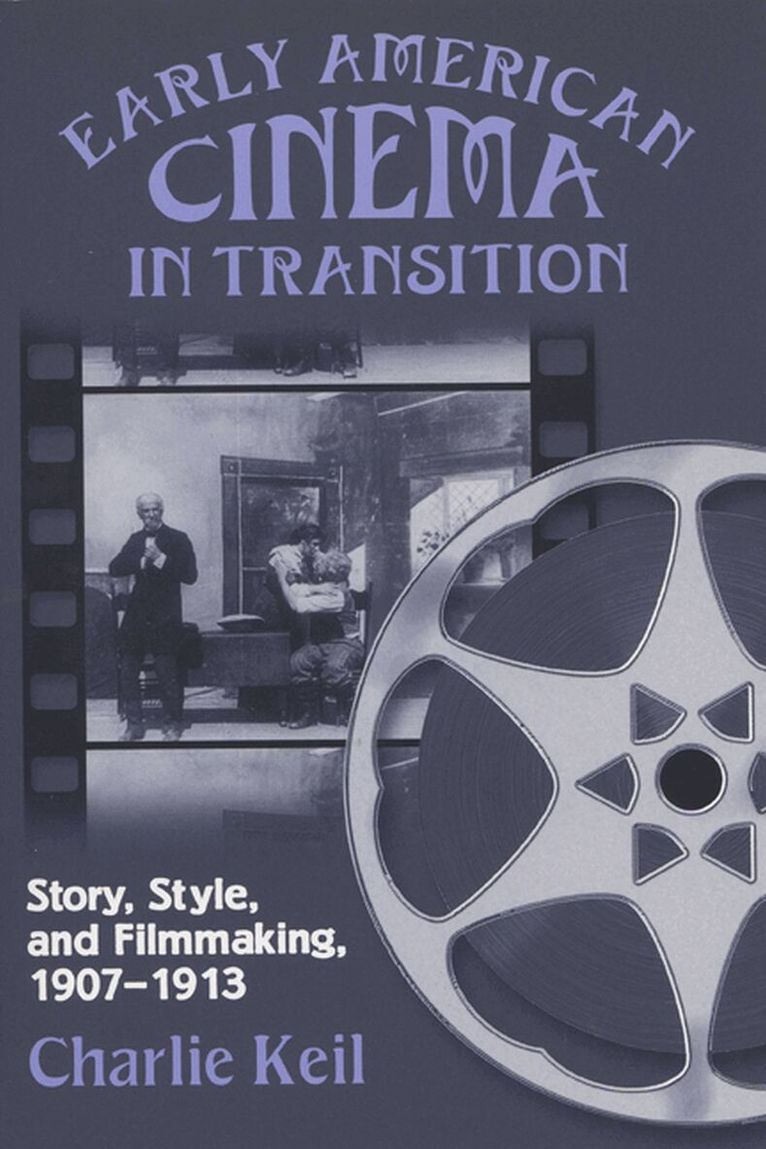
The years 1907-1913 mark a crucial transitional moment in American cinema. As moving picture shows changed from mere novelty to an increasingly popular entertainment, fledgling studios responded with longer running times and more complex storytelling. A growing trade press and changing production procedures also influenced filmmaking. In Early American Cinema in Transition, Charlie Keil looks at a broad cross-section of fiction films to examine the formal changes in cinema of this period and the ways that filmmakers developed narrative techniques to suit the fifteen-minute, one-reel format. Keil outlines the kinds of narratives that proved most suitable for a single reel's duration, the particular demands that time and space exerted on this early form of film narration, and the ways filmmakers employed the unique features of a primarily visual medium to craft stories that would appeal to an audience numbering in the millions. He underscores his analysis with a detailed look at six films: The Boy Detective; The Forgotten Watch; Rose O'Salem-Town; Cupid's Monkey Wrench; Belle Boyd, A Confederate Spy; and Suspense.
305 kr
Skickas inom 10-15 vardagar
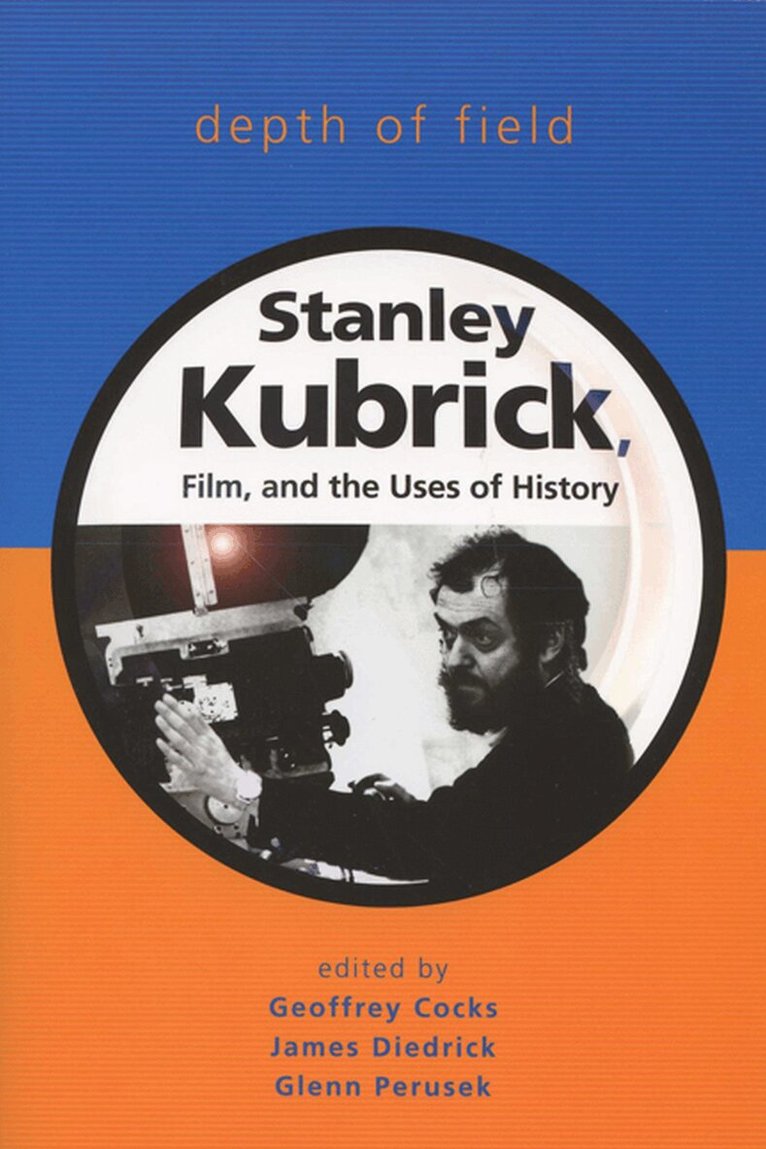
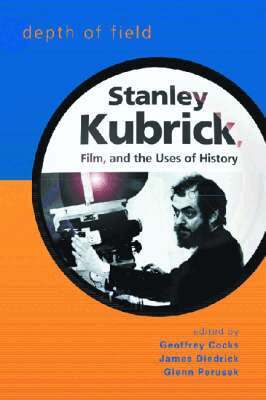
Director of some of the most controversial films of the twentieth century, Stanley Kubrick created a reputation as a Hollywood outsider as well as a cinematic genius. His diverse yet relatively small oeuvre - he directed only thirteen films during a career that spanned more than four decades - covers a broad range of the themes that shaped his century and continues to shape the twenty-first: war and crime, gender relations and class conflict, racism, and the fate of individual agency in a world of increasing social surveillance and control. In ""Depth of Field"", leading screenwriters and scholars analyze Kubrick's films from a variety of perspectives. They examine such groundbreaking classics as ""Dr. Strangelove and 2001: A Space Odyssey"" and later films whose critical reputations are still in flux. ""Depth of Field"" ends with three viewpoints on Kubrick's final film, ""Eyes Wide Shut"", placing it in the contexts of film history, the history and theory of psychoanalysis, and the sociology of sex and power. Probing Kubrick's whole body of work, ""Depth of Field"" is the first truly multidisciplinary study of one of the most innovative and controversial filmmakers of the twentieth century.
291 kr
Skickas inom 10-15 vardagar
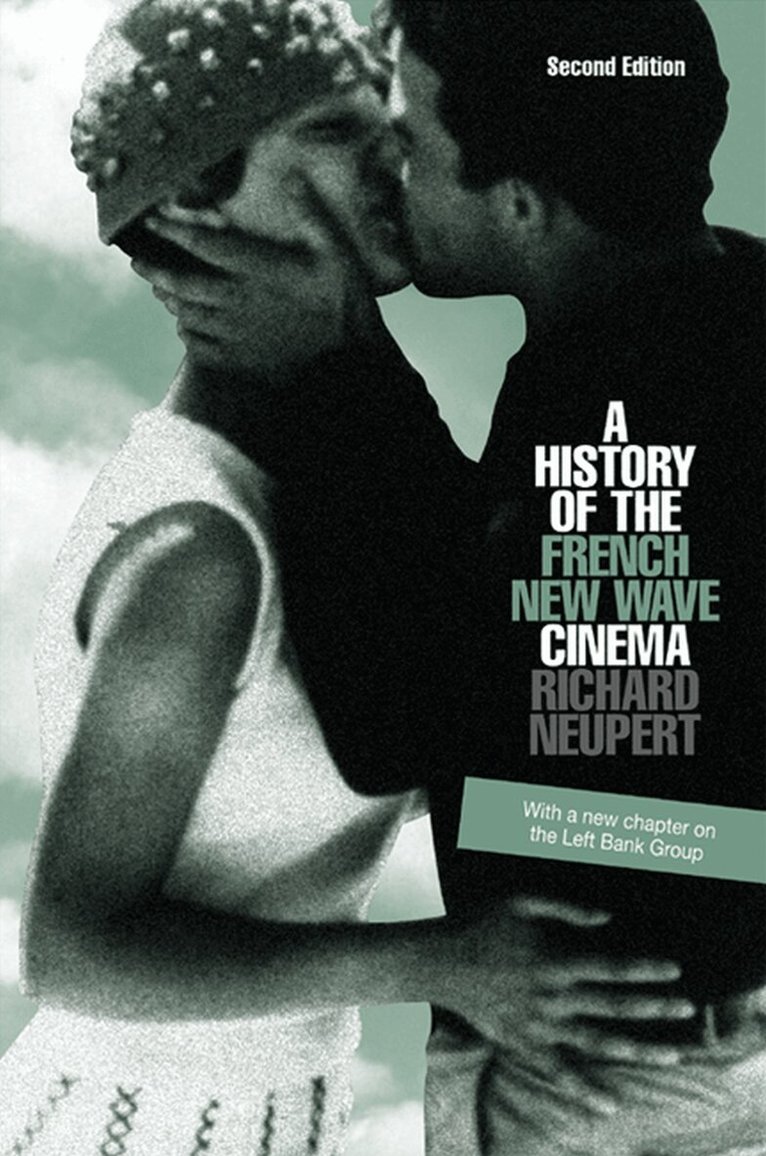
The French New Wave cinema is arguably the most fascinating of all film movements, famous for its exuberance, daring, and avant-garde techniques. ""A History of the French New Wave Cinema"" offers a fresh look at the social, economic, and aesthetic mechanisms that shaped French film in the 1950s, as well as detailed studies of the most important New Wave movies of the late 1950s and early 1960s. Richard Neupert first tracks the precursors to New Wave cinema, showing how they provided blueprints for those who would follow. He demonstrates that it was a core group of critics-turned-directors from the magazine, ""Cahiers du Cinema"" - especially Francois Truffaut, Claude Chabrol, and Jean-Luc Godard - who really revealed that filmmaking was changing forever. Later, their cohorts Eric Rohmer, Jacques Rivette, Jacques Doniol-Valcroze, and Pierre Kast continued in their own unique ways to expand the range and depth of the New Wave. In an exciting new chapter, Neupert explores the subgroup of French film practice known as the Left Bank Group, which included directors such as Alain Resnais and Agnes Varda. With the addition of this new material and an updated conclusion, Neupert presents a comprehensive review of the stunning variety of movies to come out of this important era in filmmaking.
338 kr
Skickas inom 10-15 vardagar
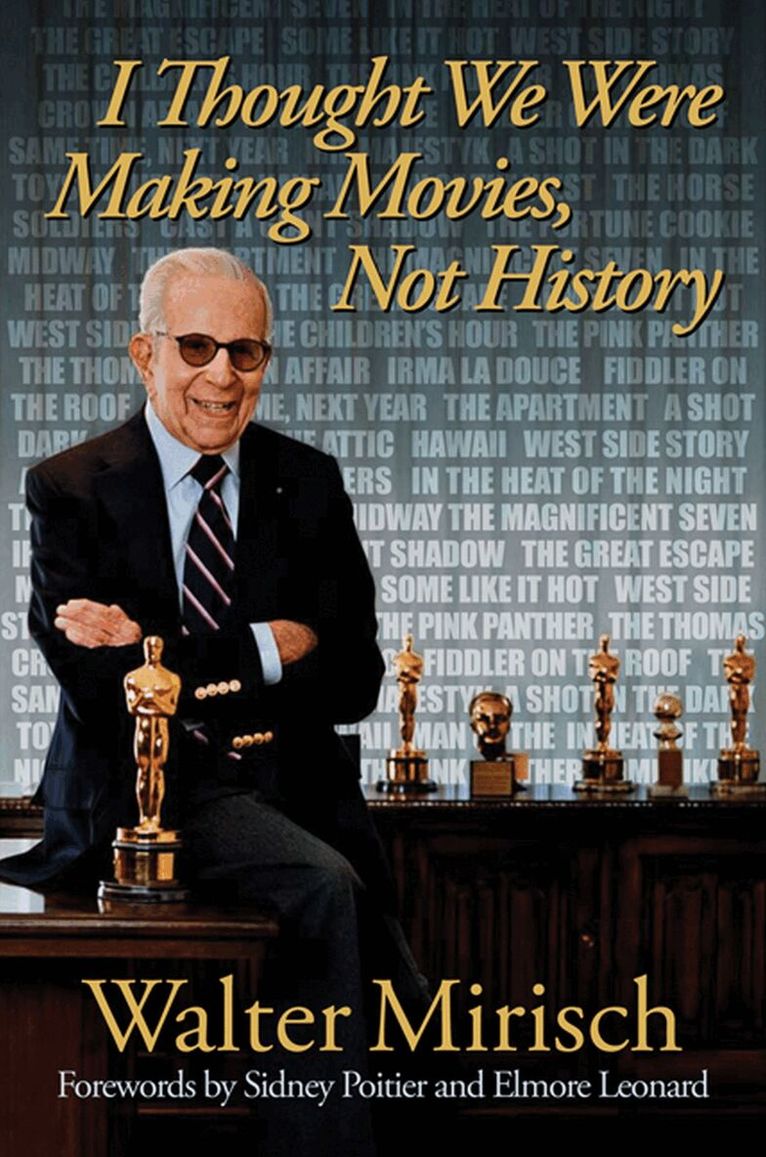
This is a moving, star-filled account of one of Hollywood's true golden ages as told by a man in the middle of it all. Walter Mirisch's company has produced some of the most entertaining and enduring classics in film history, including ""West Side Story"", ""Some Like It Hot"", ""In the Heat of the Night"", and ""The Magnificent Seven"". His work has led to 87 Academy Award nominations and 28 Oscars. Richly illustrated with rare photographs from his personal collection, ""I Thought We Were Making Movies, Not History"" reveals Mirisch's own experience of Hollywood in its golden days and also tells the stories of the stars - emerging and established - who appeared in his films, including Natalie Wood, John Wayne, Peter Sellers, Sidney Poitier, Steve McQueen, Marilyn Monroe, and many others.With hard-won insight and gentle humor, Mirisch recounts how he witnessed the end of the studio system, the development of independent production, and the rise and fall of some of Hollywood's most gifted (and notorious) cultural icons. A producer with a passion for creative excellence, he offers insights into his innovative filmmaking process, revealing a rare ingenuity for placating the demands of auteur directors, weak-kneed studio executives, and troubled screen sirens.From his early start as a movie theater usher to the presentation of such masterpieces as ""The Apartment"", ""Fiddler on the Roof"", and ""The Great Escape"", Mirisch tells the inspiring life story of his rise to the highest echelon of the American film industry. This book assures Mirisch's legacy - as Elmore Leonard puts it - as ""one of the good guys.
291 kr
Skickas inom 10-15 vardagar
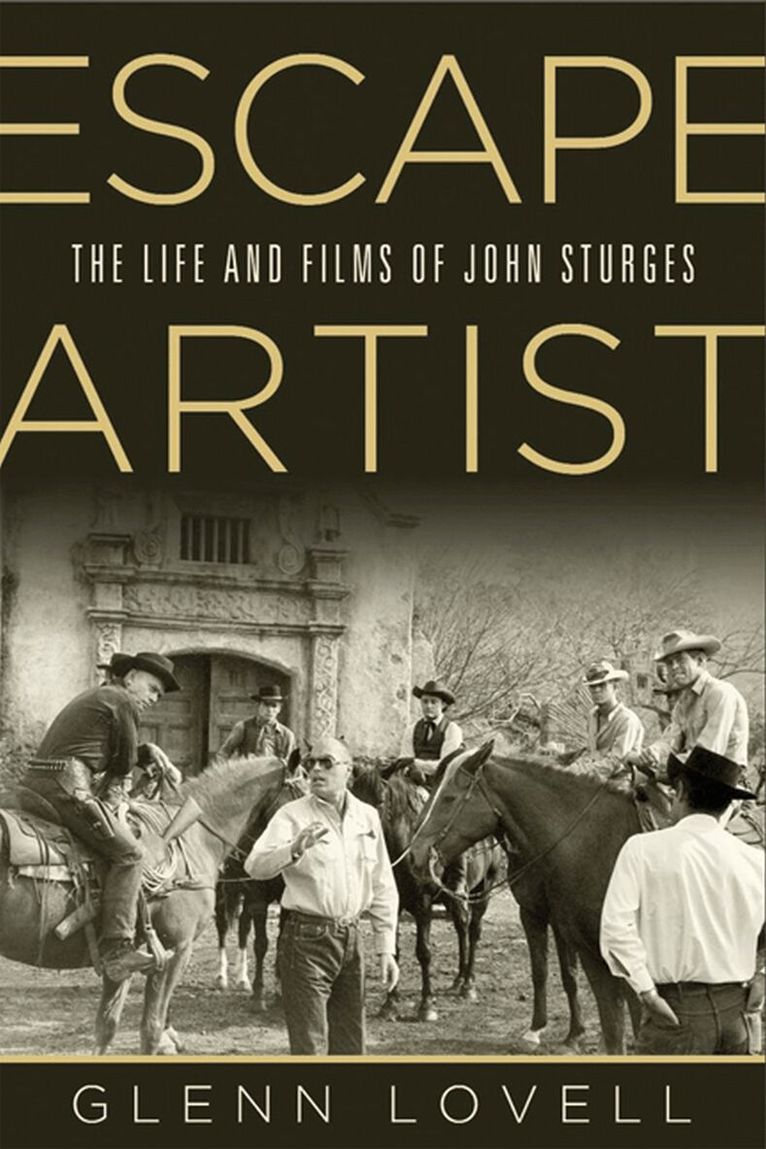
Escape Artist - based on Glenn Lovell's extensive interviews with John Sturges, his wife and children, and numerous stars, including Clint Eastwood, Robert Duvall, and Jane Russell - is the first biography of the director of such acclaimed films as ""The Magnificent Seven"", ""The Great Escape"", and ""Bad Day at Black Rock"". Lovell examines Sturges' childhood in California during the Great Depression; his apprenticeship in the editing department of RKO Pictures, where he worked on such films as ""Gunga Din"" and ""Of Human Bondage""; his service in the Army Air Corps in World War II; and his emergence as one of the first independent producer-directors in Hollywood.Chronicling the filmmaker's relationships with such luminaries as Spencer Tracy, James Garner, Yul Brynner, and Frank Sinatra, ""Escape Artist"" interweaves biography with critical analyses of Sturges' hits and misses. Along the way, Lovell addresses the reasons why Sturges has been overlooked in the ongoing discussion of postwar Hollywood and explores the director's focus on masculinity, machismo, and male-bonding in big-budget, ensemble action films. Lovell also examines Sturges' aesthetic sensibility, his talent for composing widescreen images, and his uncanny ability to judge raw talent - including that of Steve McQueen, Charles Bronson, and James Coburn, all of whom began their careers in Sturges' movies.This long overdue study of a major Hollywood director will find a welcome home in the libraries of film scholars, action movie buffs, and anyone interested in the popular culture of the twentieth century.
291 kr
Skickas inom 10-15 vardagar
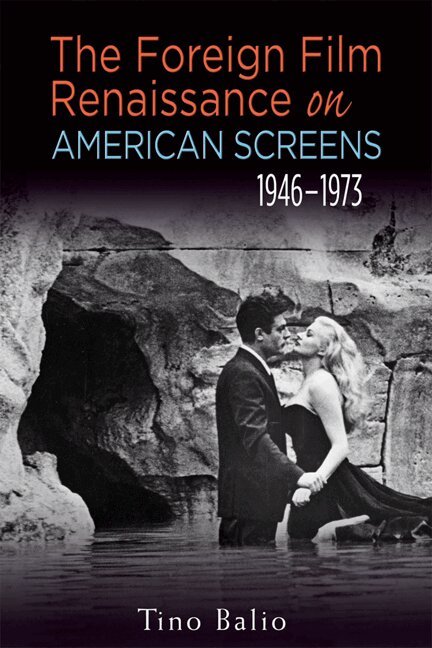
Largely shut out of American theaters since the 1920s, foreign films such as Open City, Bicycle Thief, Rashomon, The Seventh Seal, Breathless, La Dolce Vita, and L’Avventura played after World War II in a growing number of art houses around the country and created a small but influential art film market devoted to the acquisition, distribution, and exhibition of foreign-language and English-language films produced abroad. Nurtured by successive waves of imports from Italy, Great Britain, France, Sweden, Japan, and the Soviet Bloc, the renaissance was kick-started by independent distributors working out of New York; by the 1960s, however, the market had been subsumed by Hollywood. From Roberto Rossellini’s Open City in 1946 to Bernardo Bertolucci’s Last Tango in Paris in 1973, Tino Balio tracks the critical reception in the press of such filmmakers as François Truffaut, Jean-Luc Godard, Federico Fellini, Michelangelo Antonioni, Tony Richardson, Ingmar Bergman, Akira Kurosawa, Luis Buñuel, Satyajit Ray, and Milos Forman. Their releases paled in comparison to Hollywood fare at the box office, but their impact on American film culture was enormous. The reception accorded to art house cinema attacked motion picture censorship, promoted the director as auteur, and celebrated film as an international art. Championing the cause was the new “cinephile” generation, which was mostly made up of college students under thirty. The fashion for foreign films depended in part on their frankness about sex. When Hollywood abolished the Production Code in the late 1960s, American-made films began to treat adult themes with maturity and candor. In this new environment, foreign films lost their cachet and the art film market went into decline.
287 kr
Skickas inom 7-10 vardagar
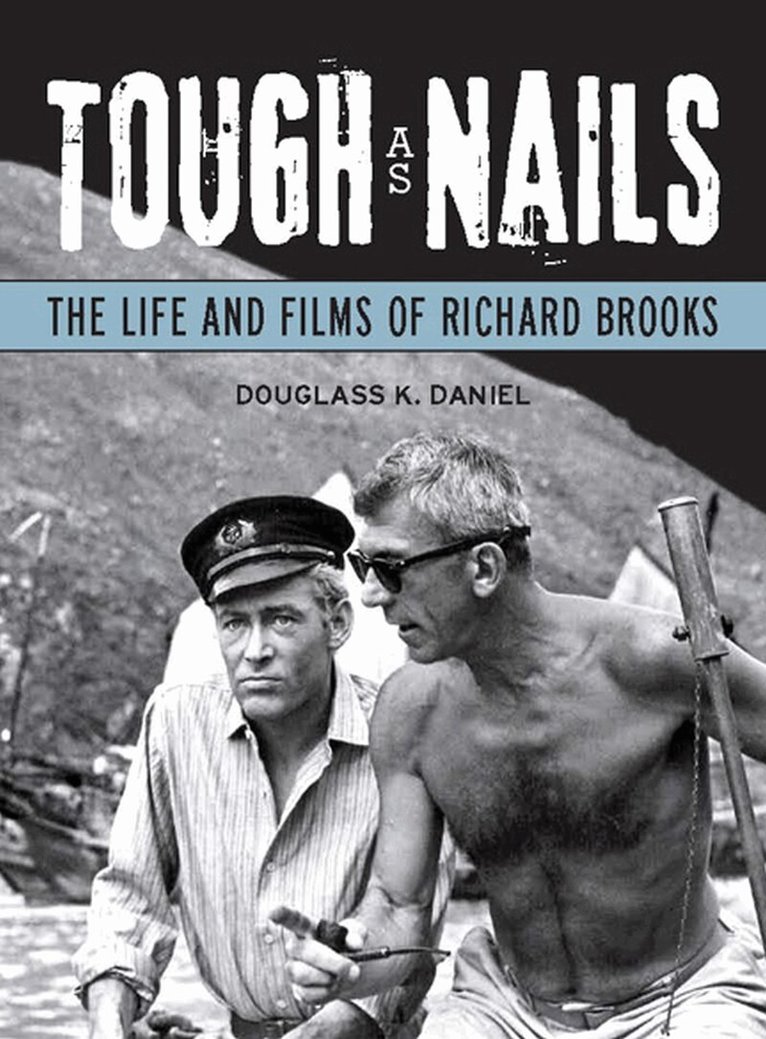
Called “God’s angry man” for his unyielding demands in pursuit of personal and artistic freedom, Oscar-winning filmmaker Richard Brooks brought us some of the mid-twentieth century’s most iconic films, including Blackboard Jungle, Cat on a Hot Tin Roof, Elmer Gantry, In Cold Blood, and Looking for Mr. Goodbar. “The important thing,” he once remarked, “is to write your story, to make it believable, to make it live.” His own life story has never been fully chronicled, until now.Tough as Nails: The Life and Films of Richard Brooks restores to importance the career of a prickly iconoclast who sought realism and truth in his films. Douglass K. Daniel explores how the writer-director made it from the slums of Philadelphia to the heights of the Hollywood elite, working with the top stars of the day, among them Humphrey Bogart, Cary Grant, Elizabeth Taylor, Jean Simmons, Sidney Poitier, Sean Connery, Gene Hackman, and Diane Keaton. Brooks dramatized social issues and depicted characters in conflict with their own values, winning an Academy Award for his Elmer Gantry screenplay and earning nominations for another seven Oscars for directing and screenwriting.Tough as Nails offers illuminating insights into Brooks’s life, drawing on unpublished studio memos and documents and interviews from stars and colleagues, including Poitier, director Paul Mazursky, and Simmons, who was married to Brooks for twenty years. Daniel takes readers behind the scenes of Brooks’s major films and sheds light on their making, their compromises, and their common threads. Tough as Nails celebrates Brooks’s vision while adding to the critical understanding of his works, their flaws as well as their merits, and depicting the tumults and trends in the life of a man who always kept his own compass.
291 kr
Skickas inom 10-15 vardagar
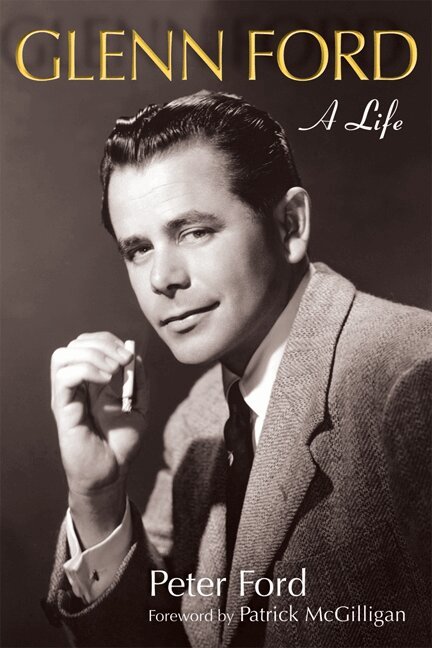
Glenn Ford - star of such now-classic films as Gilda, Blackboard Jungle, The Big Heat, 3:10 to Yuma, and The Rounders - had rugged good looks, a long and successful career, and a glamorous Hollywood life. Yet the man who could be accessible and charming on screen retreated to a deeply private world he created behind closed doors. Glenn Ford: A Life chronicles the volatile life, relationships, and career of the renowned actor, beginning with his move from Canada to California and his initial discovery of theater. It follows Ford's career in diverse media - from film to television to radio - and shows how Ford shifted effortlessly between genres, playing major roles in dramas, noir, westerns, and romances. This biography by Glenn Ford's son, Peter Ford, offers an intimate view of a star's private and public life. Included are exclusive interviews with family, friends, and professional associates, and snippets from the Ford family collection of diaries, letters, audiotapes, unpublished interviews, and rare candid photos. This biography tells a cautionary tale of Glenn Ford's relentless infidelities and long, slow fade-out, but it also embraces his talent-driven career. The result is an authentic Hollywood story that isn't afraid to reveal the truth.
334 kr
Skickas inom 10-15 vardagar
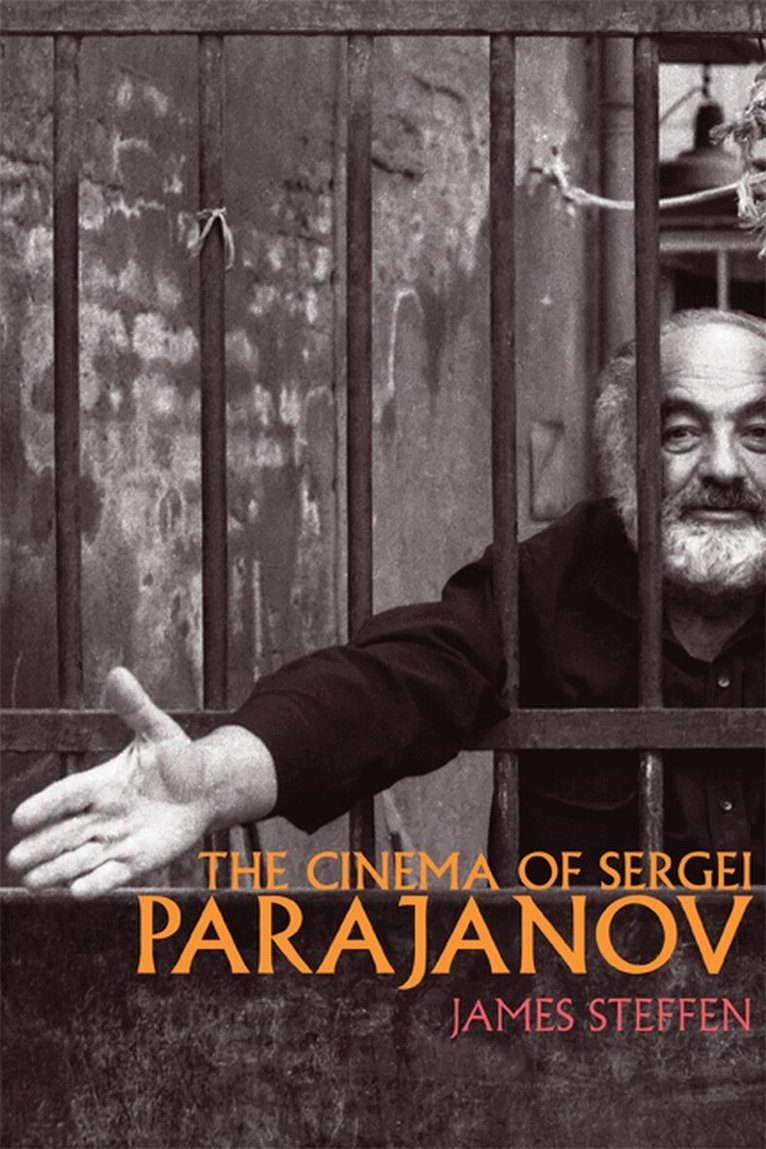
Sergei Parajanov (1924–90) flouted the rules of both filmmaking and society in the Soviet Union and paid a heavy personal price. An ethnic Armenian in the multicultural atmosphere of Tbilisi, Georgia, he was one of the most innovative directors of postwar Soviet cinema. Parajanov succeeded in creating a small but marvellous body of work whose style embraces such diverse influences as folk art, medieval miniature painting, early cinema, Russian and European art films, surrealism, and Armenian, Georgian, and Ukrainian cultural motifs.The Cinema of Sergei Parajanov is the first English-language book on the director's films and the most comprehensive study of his work. James Steffen provides a detailed overview of Parajanov's artistic career: his identity as an Armenian in Georgia and its impact on his aesthetics; his early films in Ukraine; his international breakthrough in 1964 with Shadows of Forgotten Ancestors; his challenging 1969 masterpiece, The Color of Pomegranates, which was re-edited against his wishes; his unrealised projects in the 1970s; and his eventual return to international prominence in the mid-to-late 1980s with The Legend of the Surami Fortress and Ashik-Kerib. Steffen also provides a rare, behind-the-scenes view of the Soviet film censorship process and tells the dramatic story of Parajanov's conflicts with the authorities, culminating in his 1973–77 arrest and imprisonment on charges related to homosexuality.Ultimately, the figure of Parajanov offers a fascinating case study in the complicated dynamics of power, nationality, politics, ethnicity, sexuality, and culture in the republics of the former Soviet Union.A Mellon Slavic Studies Initiative Book.
391 kr
Skickas inom 10-15 vardagar
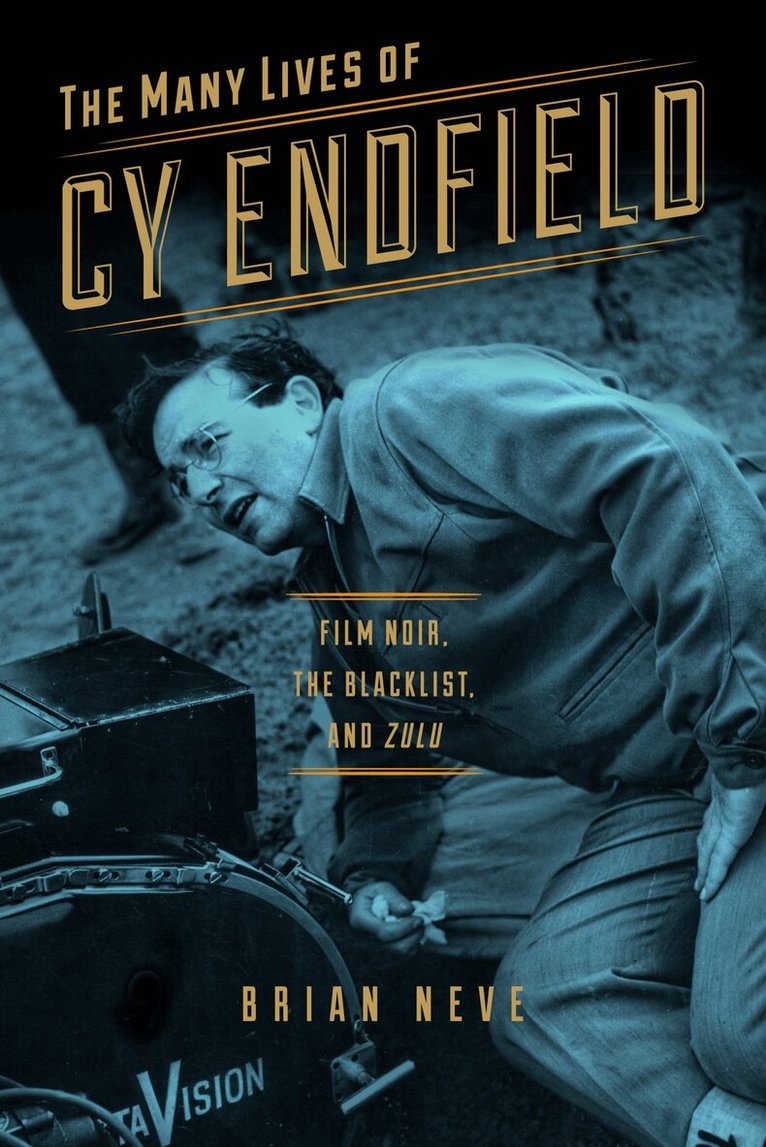
Cy Endfield (1914–1995) was a filmmaker who was also fascinated by the worlds of close-up magic, science, and invention. After directing several distinctive low-budget films in Hollywood, he was blacklisted in 1951 and fled to Britain rather than “name names” before HUAC, the U.S. House of Representatives’ Un-American Activities Committee. The Pennsylvania-born Endfield made films that exhibit an outsider’s eye for his adopted country, including the working-class “trucking” drama Hell Drivers and the cult film Zulu—a war epic as politically nuanced as it is spectacular. Along the way he encountered Orson Welles, collaborated with pioneering animator Ray Harryhausen, published a book of his card magic, and co-invented an early word processor that anticipated today’s technology.The Many Lives of Cy Endfield is the first book on this fascinating figure. The fruit of years of archival research and personal interviews by Brian Neve, it documents Endfield’s many identities: among them second-generation immigrant, Jew, Communist, and exile. Neve paints detailed scenes not only of the political and personal dramas of the blacklist era, but also of the attempts by Hollywood directors in the postwar 1940s and early 1950s to address social and political controversies of the day. Out of these efforts came two crime melodramas (what would become known as film noir) on inequalities of class and race: The Underworld Story and The Sound of Fury (also known as Try and Get Me!). Neve reveals the complex production and reception histories of Endfield’s films, which the critic Jonathan Rosenbaum saw as reflective of “an uncommon intelligence so radically critical of the world we live in that it’s dangerous.”The Many Lives of Cy Endfield is at once a revealing biography of an independent, protean figure, an insight into film industry struggles, and a sensitive and informed study of an underappreciated body of work.
888 kr
Skickas inom 10-15 vardagar
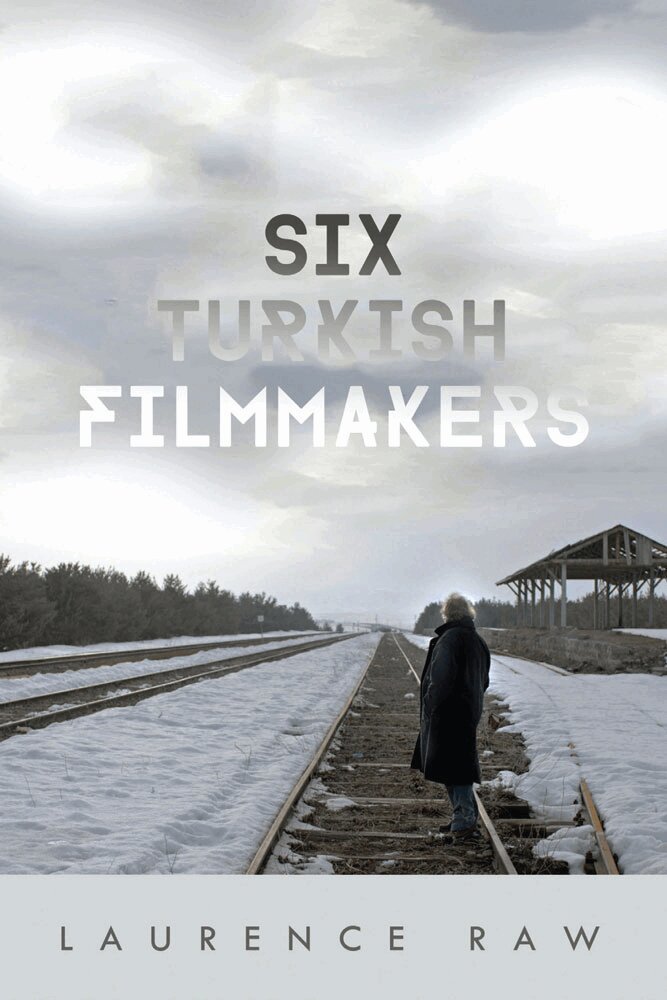
Examining the vanguard of New Turkish Cinema, Laurence Raw shows how these films reveal the effects of profound socio economic change on ordinary people in contemporary Turkey.In analysis of and personal interviews with Dervis Zaim, Zeki Demirkubuz, Semih Kaplanoglu, Çagan Irmak, Tolga Örnek, and Palme d'Or winner Nuri Bilge Ceylan, Raw draws connections with Turkish theater, art, sculpture, literature, poetry, philosophy, and international cinema. A native of England and a twenty-five-year resident of Turkey, Raw interleaves his film discussion with thoughtful commentary on nationalism, gender, personal identity, and cultural pluralism.
916 kr
Skickas inom 10-15 vardagar
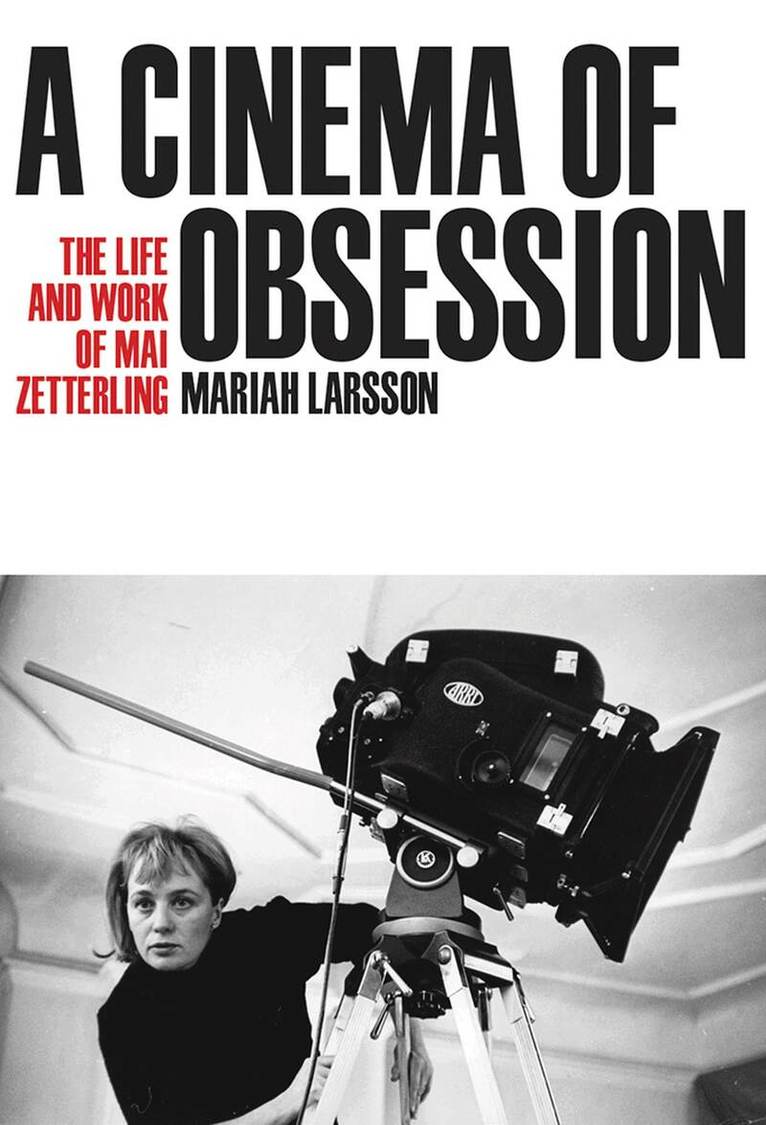
Mai Elizabeth Zetterling (1925-94) is among the most exceptional postwar female filmmakers. Born in Sweden, she lived in England and France for most of her life, making her directorial debut in 1964 with the Swedish art film Loving Couples after a fraught transition from working in front of the camera as a successful actress.Critics have compared her work to that of Ingmar Bergman, Luis BuÑuel, and Federico Fellini, but Zetterling had a distinct style - alternately radical and reactionary - that straddled the gendered divide between high art and mass culture. Tackling themes of sexuality, isolation, and creativity, her documentaries, short and feature films, and television works are visually striking. Her oeuvre provoked controversy and scandal through her sensational representations of reproduction and motherhood.Mariah Larsson provides a lively and authoritative take on Zetterling's legacy and complicated position within film and women's history. A Cinema of Obsession provides necessary perspective on how the breadth of an artist's collected works keeps gatekeepers from recognizing their achievements, and questions why we still distinguish between national and global visual cultures and the big and small screens in the #MeToo era.
269 kr
Skickas inom 10-15 vardagar
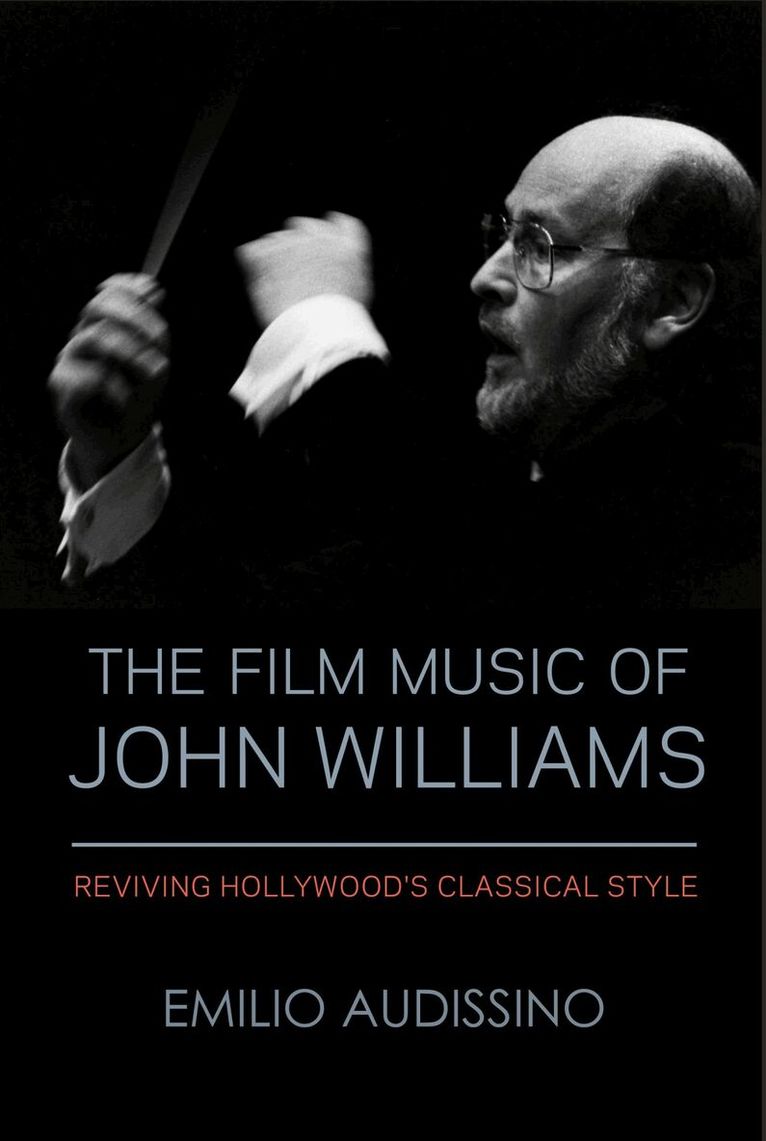
From the triumphant 'Main Title' in Star Wars to the ominous bass line of Jaws, John Williams has penned some of the most unforgettable film scores-while netting more than fifty Academy Award nominations. This updated and revised edition of Emilio Audissino's groundbreaking volume takes stock of Williams's creative process and achievements in music composition, including the most recent sequels in the film franchises that made him famous. Audissino discusses Williams's unique approach to writing by examining his neoclassical style in context, demonstrating how he revived and revised classical Hollywood music. This volume details Williams's lasting impact on the industry and cements his legacy as one of the most important composers in movie history. A must for fans and film-music lovers alike.