Inbunden, Engelska, 2026
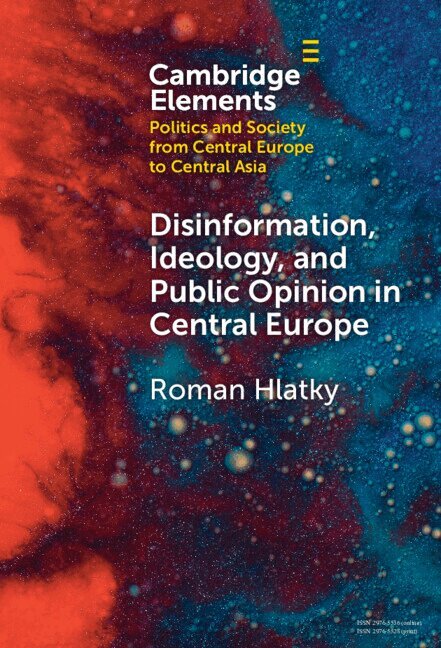
Disinformation, Ideology, and Public Opinion in Central Europe
Av Roman Hlatky
884 kr
Beställningsvara. Skickas inom 11-20 vardagar. Fri frakt över 249 kr.
Beskrivning
In Central and Eastern Europe, disinformation threatens democratic stability, inflames ideological divides, and weakens Western geopolitical commitments. Drawing on cross-national analyses, as well as in-depth studies of the Czech Republic and Slovakia, this Element analyzes: the relationship between ideological polarization and disinformation supply; the challenges of building anti-disinformation efforts; individual-level demand for disinformation; and the effects of disinformation on public opinion. Ideological polarization over sociocultural issues predicts disinformation supply, and sociocultural conservatives with anti-Western views constitute a disinformation-susceptible audience that struggles to distinguish between false and true narratives. Elite-level divisions over the threat posed by disinformation exacerbate these dynamics, hampering efforts to build disinformation resilience. However, disinformation largely fails to persuade. Amongst most individuals, attitudinal backlash is more common. Disinformation does not win over hearts and minds; rather, its appeal reflects the salience of contentious issues that have emerged as a result of wider political realignments.
Produktinformation
- Utgivningsdatum: 2026-08-31
- Format: Inbunden
- Språk: Engelska
- Serie: Elements in Politics and Society from Central Europe to Central Asia
- Antal sidor: 75
- Förlag: Cambridge University Press
- ISBN: 9781009616942
Utforska kategorier
Betyg & recensioner
0 recensioner
Inga recensioner tillgängliga.