Inbunden, Engelska, 2026
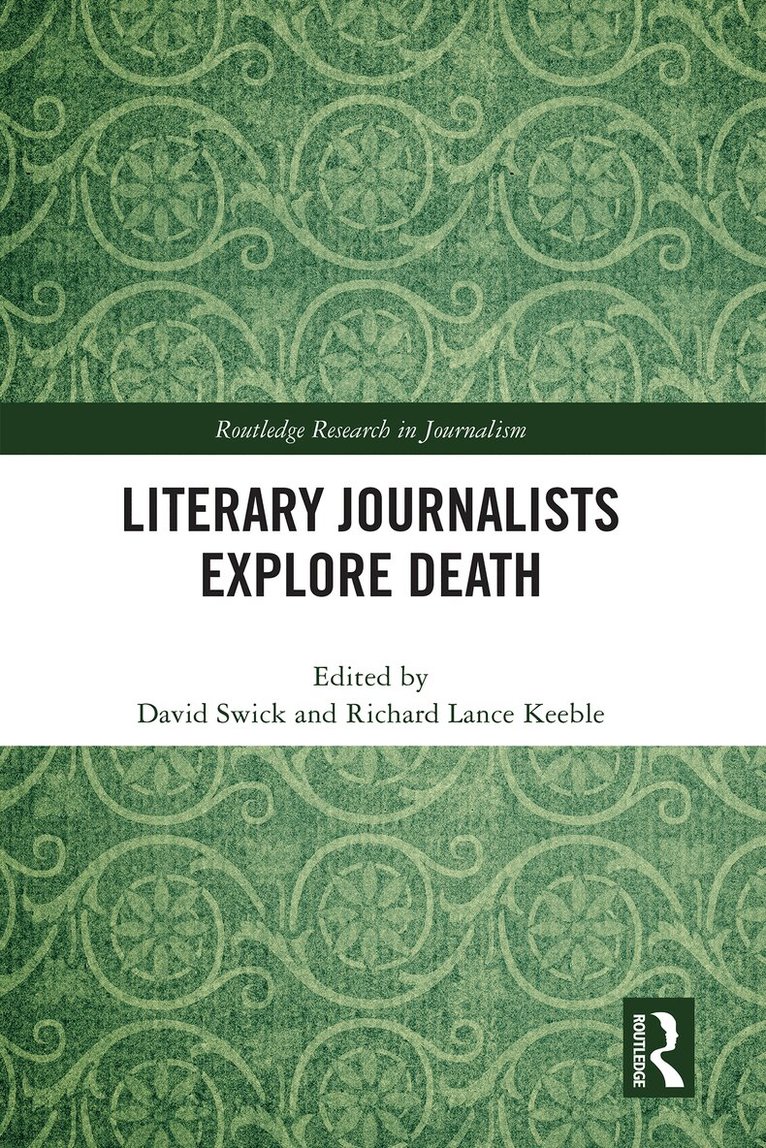
Literary Journalists Explore Death
Av David Swick, Richard Lance Keeble
2513 kr
Beställningsvara. Skickas inom 10-15 vardagar. Fri frakt över 249 kr.
Beskrivning
This volume examines how writers of literary journalism – immersive, long-form journalism so beautifully written that it can stand up as literature – delve into death and dying.More than 20 international scholars from six continents draw from an eclectic range of disciplines including media history, media content analysis and cultural studies to offer a balanced and multifaceted exploration of how literary journalists consider the topic of death. Authors explore Svetlana Alexievich’s writing about the deaths of Soviet/Russian citizens since 1945, Joan Didion’s professional and personal growth while overwhelmed by her own grief, compelling approaches to writing about the ongoing conflicts in Ukraine and Gaza, and the challenges faced by a writer immersing herself in the intimate world of palliative care. One writer examines how, early in the 20th century, the editor of Black newspapers in South Africa, through thoughtful coverage of the death of tribal kings, helped foster in readers a belief in their own nation. The murder of an Aboriginal man in Australia is studied through the work of a reporter investigating the case for six years over multiple platforms. Biased and balanced writing about gay men is considered in Canadian magazines during the AIDS era of the 1980s, and contrasting strategies or writing true crime stories are explored.Literary Journalists Explore Death will benefit anyone who writes, studies or teaches any form of narrative nonfiction. Its range of vital topics include journalism ethics, Black studies, death studies, journalism and trauma, criminology, LGBT and queer studies, the wars in Gaza and Ukraine, media history and digital journalism.
Produktinformation
- Utgivningsdatum: 2026-09-30
- Mått: 156 x 234 x 18 mm
- Vikt: 710 g
- Format: Inbunden
- Språk: Engelska
- Serie: Routledge Research in Journalism
- Antal sidor: 286
- Förlag: Taylor & Francis Ltd
- ISBN: 9781041026792
Utforska kategorier
Betyg & recensioner
0 recensioner
Inga recensioner tillgängliga.