Inbunden, Engelska, 2026
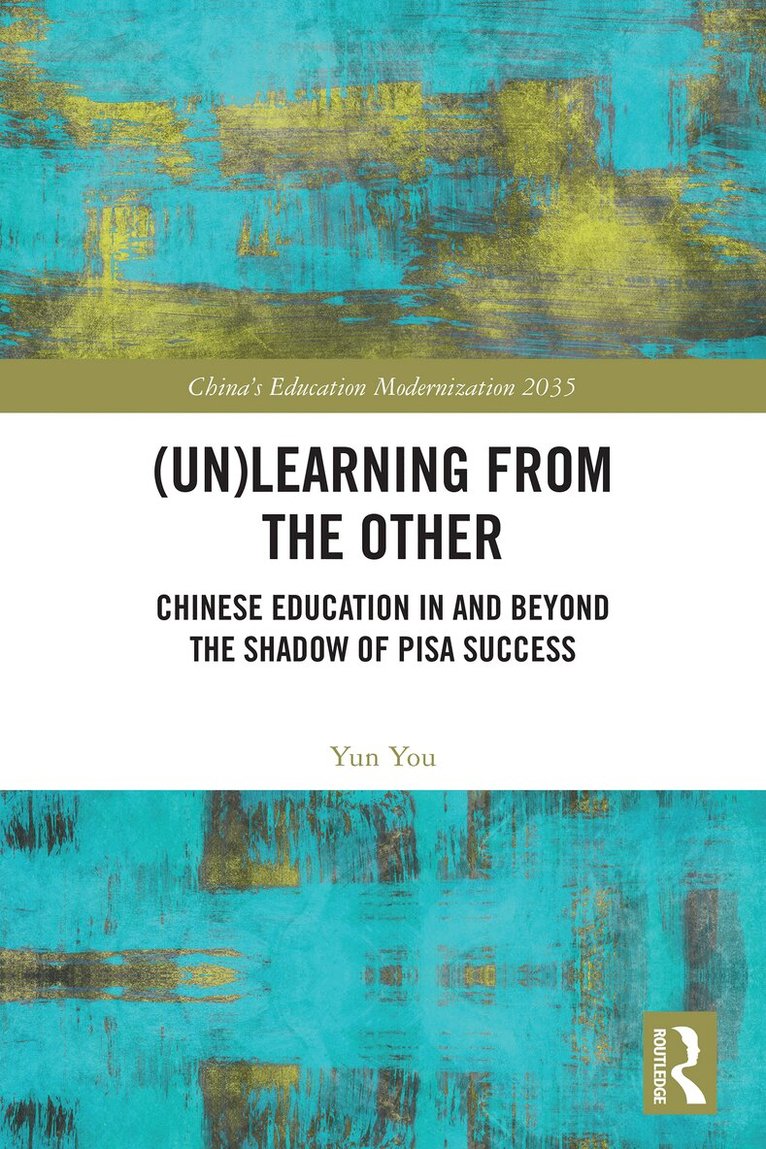
(Un)learning from the Other
Av Yun You
2441 kr
Beställningsvara. Skickas inom 10-15 vardagar. Fri frakt över 249 kr.
Beskrivning
This book critically examines the discourses and policy responses surrounding China’s success in the Programme for International Student Assessment (PISA), offering alternative approaches to engaging with Chinese education through a nuanced understanding of its experiences and intellectual traditions.China’s exceptional PISA performance has ignited a global conversation on “learning from Chinese education.” Yet this discourse often reflects the geopolitics of knowledge and remains entangled in Orientalist frameworks rooted in Western modernity. Drawing on the decolonial theory, this book challenges the Western-oriented representations of Chinese education and advocates for a deeper engagement with Chinese intellectual resources. It explores how such engagement can illuminate the complexities of Chinese education while fostering meaningful dialogues between China and other traditions. These dialogues aim to cultivate social–ecological relationality and interdependence through education, offering insights that extend beyond China’s borders.This volume is an essential resource for scholars and students in Chinese education studies, comparative and international education, decolonial studies, and the philosophy and culture of education.
Produktinformation
- Utgivningsdatum: 2026-07-21
- Mått: 156 x 234 x 11 mm
- Vikt: 470 g
- Format: Inbunden
- Språk: Engelska
- Serie: China's Education Modernization 2035
- Antal sidor: 158
- Förlag: Taylor & Francis Ltd
- ISBN: 9781041361602
Utforska kategorier
Betyg & recensioner
0 recensioner
Inga recensioner tillgängliga.