Inbunden, Engelska, 2025
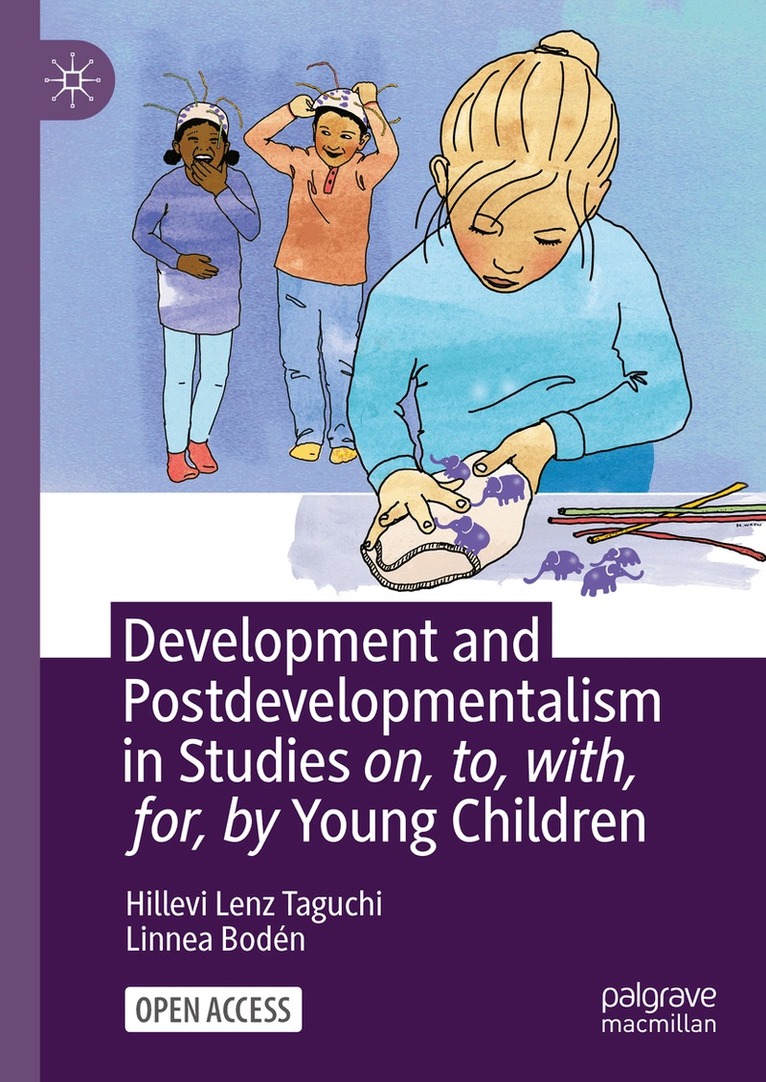
Development and Postdevelopmentalism in Studies on, to, with, for, by Young Children
Av Hillevi Lenz Taguchi, Linnea Bodén
536 kr
Beställningsvara. Skickas inom 10-15 vardagar. Fri frakt över 249 kr.
Beskrivning
This open access book directs its attention to a desire for inter- and transdisciplinary, reciprocal collaborations in studies concerning young children. It focuses on the possibilities and obstacles in collaborative forms of inquiry involving those stakeholders and actors whom the research concerns, specifically the participating children. The backdrop of the discussions and theoretical investigations is the inter- and transdisciplinary project Enhancing Children’s Attention. Within the framework of an evidence-based intervention, this project performed multiple qualitative forms of inquiry, including emergent forms of collaborations with children. The book provides a discussion on how young children’s development, learning, and lives are understood in the developmental sciences, and in the humanities and social sciences. It specifically addresses scholars interested in postdevelopmental, posthumanist, new materialist, and postqualitative approaches. The book proposes a displaced form of postdevelompentalism for future collaborative forms of inquiry with a focus on multiple forms of knowledge and knowing.
Produktinformation
- Utgivningsdatum: 2025-02-06
- Mått: 148 x 210 x 22 mm
- Vikt: 521 g
- Format: Inbunden
- Språk: Engelska
- Antal sidor: 298
- Förlag: Springer International Publishing AG
- ISBN: 9783031751493
Betyg & recensioner
0 recensioner
Inga recensioner tillgängliga.