Inbunden, Engelska, 2025
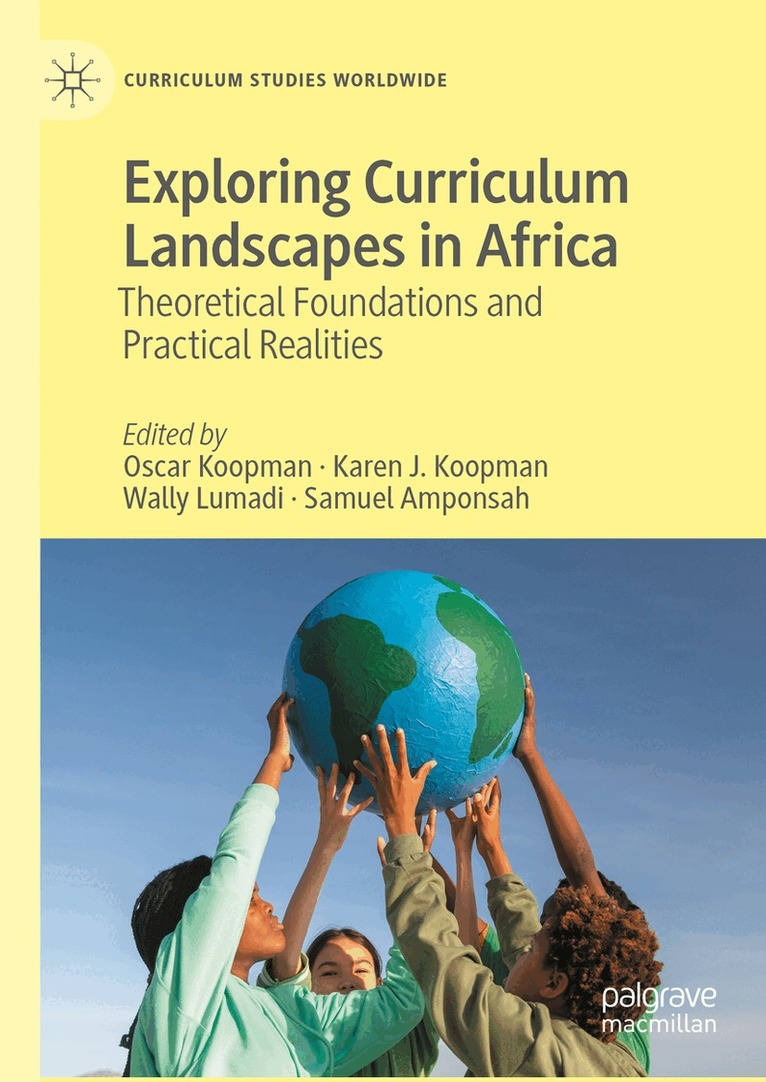
Exploring Curriculum Landscapes in Africa
Av Wally Lumadi, Oscar Koopman, Karen J. Koopman, Wally Lumadi, Samuel Amponsah
1806 kr
Beställningsvara. Skickas inom 10-15 vardagar. Fri frakt över 249 kr.
Beskrivning
This book examines post-colonial curriculum transformation across seven African nations. These are South Africa, Egypt, Cameroon, Nigeria, Zimbabwe, Namibia, and Ghana. It investigates whether these educational systems have truly decolonized their curricula or still remain rooted in Western frameworks despite achieving political independence. Through analysis of curriculum policies and teaching practices, the authors explore educational reform dynamics in post-colonial African contexts. The book evaluates how successfully these systems have incorporated indigenous knowledge and local ways of knowing, versus continuing to propagate Western paradigms. The work provides both theoretical and empirical analysis of challenges and opportunities in rebuilding African education systems that reflect local cultural values while addressing modern educational needs.
Produktinformation
- Utgivningsdatum: 2025-06-14
- Mått: 148 x 210 x 21 mm
- Vikt: 458 g
- Format: Inbunden
- Språk: Engelska
- Serie: Curriculum Studies Worldwide
- Antal sidor: 224
- Förlag: Springer International Publishing AG
- ISBN: 9783031846588
Utforska kategorier
Betyg & recensioner
0 recensioner
Inga recensioner tillgängliga.