In 50 Buildings - Böcker
Visar alla böcker i serien In 50 Buildings. Handla med fri frakt och snabb leverans.
124 produkter
124 produkter
173 kr
Skickas
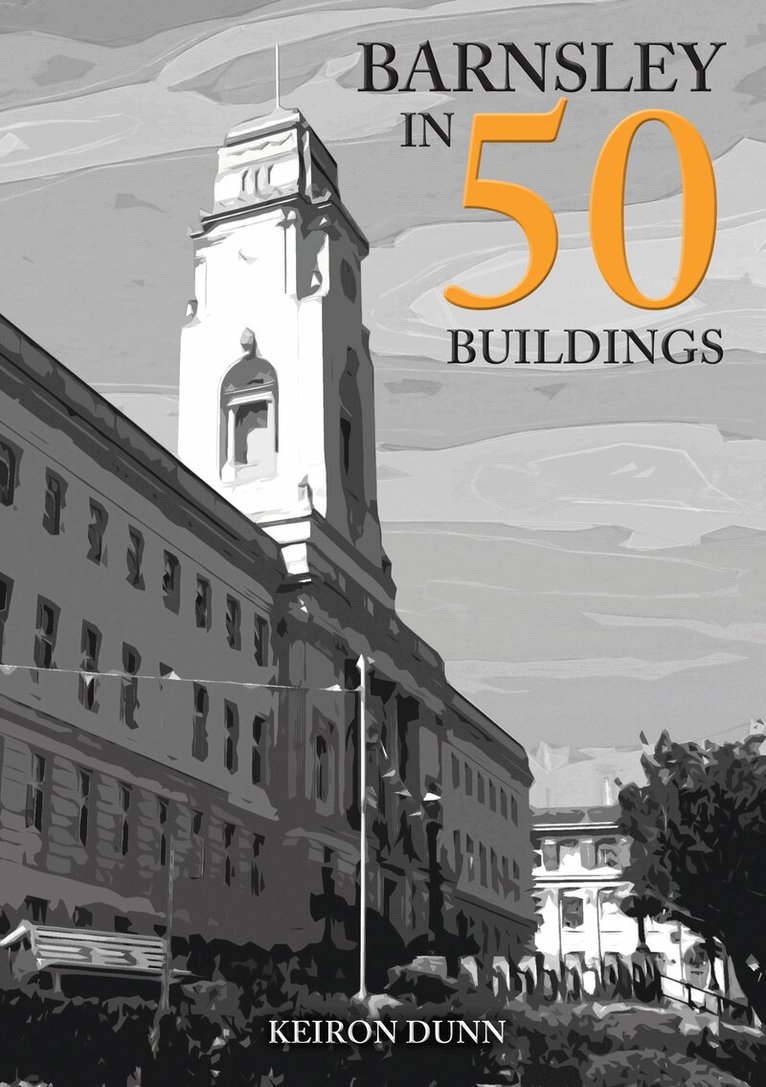
The market town of Barnsley in South Yorkshire has a long, proud history rooted in its industrial past. First mentioned in the Domesday Book of 1086 (‘Berneslai’), it is home to the late twelfth-century Monk Bretton Priory, which was founded on the edge of the town and can still be seen today, as can the thirteenth-century St Helena’s Well nearby. Barnsley Grammar School was founded in the eighteenth century, and its buildings still stand, but the major growth in the town occurred during the Industrial Revolution, particularly through coal mining and glass production. The National Union of Mining Headquarters are situated on the edge of the town centre and Elsecar Heritage Centre includes the Newcomen beam engine. Barnsley’s civic pride is demonstrated in its imposing Town Hall, which opened in 1933, although the expenditure on it was criticised by George Orwell. Recent years have seen significant developments in Barnsley with much of the town centre being rebuilt, including the Glass Works shopping centre, the Library @ the Lightbox, creative arts hub and theatre the Civic, two new town centre colleges and the Digital Media Centre.Barnsley in 50 Buildings explores the history of this fascinating town through a selection of its most interesting buildings and structures, showing the changes that have taken place over the years. The book will appeal to all those who live in Barnsley or have an interest in the town.
167 kr
Skickas
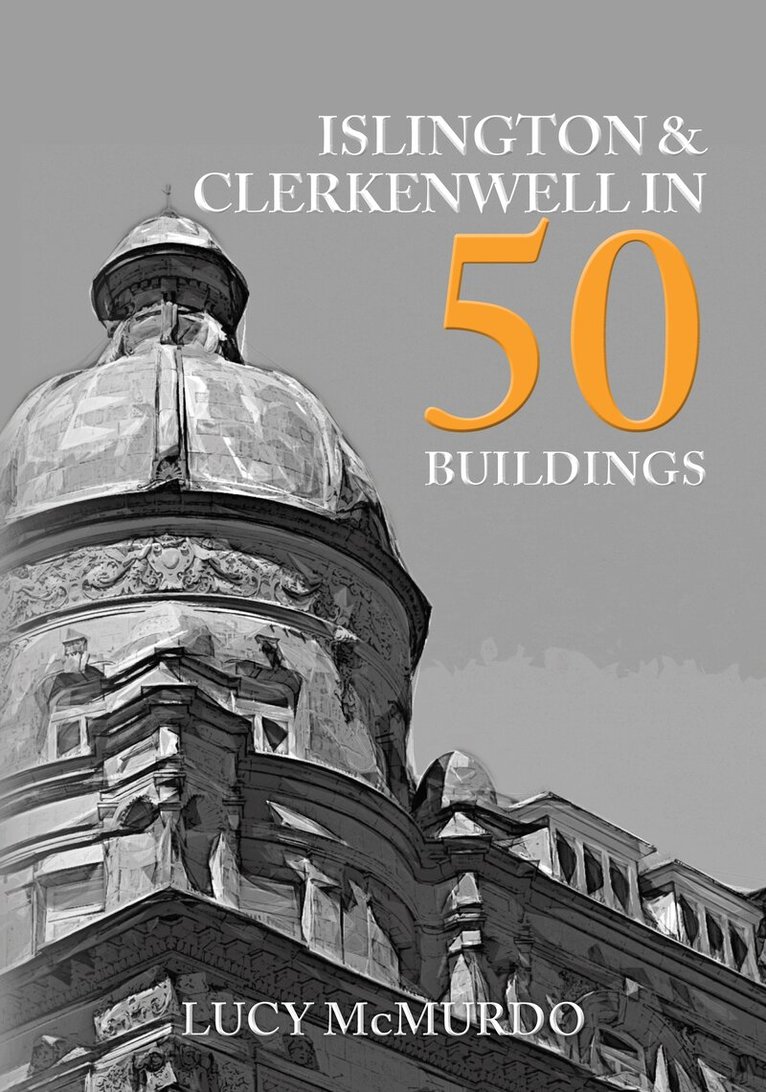
The London districts of Islington and Clerkenwell are charming to explore. Within their streets are the greatest variety of architectural styles, ranging from Tudor, Georgian and Victorian to modernist and contemporary twenty-first-century design.In Islington & Clerkenwell in 50 Buildings, author Lucy McMurdo presents a well-illustrated and engaging perspective of the rich architectural heritage of both areas. Islington has a wonderful vibrancy. Its main thoroughfare of Upper Street overflows with bars, restaurants, cafés, pubs and clubs, giving rise to the nickname ‘Supper Street’. Hostelries have lined this street for centuries. It was here, on the main route into the capital, that herdsmen bringing cattle and sheep to Smithfield broke their journey from the north. Until the growth of industry in the 1800s, Islington was renowned for its river, springs and meadows, and a recreational destination for hunters and archers. Industrialisation resulted in an increasing population, transforming Islington’s character and replacing fields with terraced houses, Georgian squares, gin distilleries, warehouses, depots and factories.Neighbouring Clerkenwell has always been more densely populated. Until the 1530s it was famous for its monastery, priory and nunnery and, in the late 1600s, it was a haven for French Huguenot immigrants, and later refugees and workers from Ireland, Prussia and Italy. For hundreds of years the River Fleet acted as Clerkenwell’s main artery and, together with the district’s many springs, was a prime reason for the area’s development. The French Huguenots who settled here brought skills in watchmaking, precision engineering, printing, bookbinding and weaving – many of which are still found in the area today.
173 kr
Skickas inom 11-20 vardagar
Situated on opposite sides of the Thames, the ancient districts of Southwark and Blackfriars have played a crucial role in London’s political, social and religious activities throughout the centuries. Today, thousands of visitors flock here to enjoy the many famous pubs, theatres, galleries and museums.In this book, author Lucy McMurdo takes readers on an enjoyable and informative tour exploring the architectural heritage and treasures in these areas. Southwark was a key suburb of London from Roman times. Located outside the City walls and not subject to the City authorities, it became London’s prime entertainment zone and notorious for its four ‘P’s: pubs, prostitution, prisons and playhouses. Its riverbanks were lined with wharves, warehouses, factories and inns until the mid-twentieth century when London’s docks closed down. The area’s colourful history has not been forgotten, however. Many buildings remain and three literary giants, Shakespeare, Chaucer and Dickens, have great associations with Southwark.Blackfriars takes its name from the community of black-robed Dominican monks that settled here in the thirteenth century. Following the Dissolution of the Monasteries the priory land was reassigned and, in 1596, the entrepreneur James Burbage established Blackfriars Theatre. William Shakespeare and Burbage’s son, Robert, regularly appeared in plays here and Shakespeare purchased both a part share in the theatre and a house in nearby Ireland Yard. When Blackfriars Bridge opened in 1769, it not only immortalised the area’s name, but also connected the district to Southwark on the south bank of the Thames.This accessible and engaging perspective is illustrated throughout and will appeal to residents and visitors alike.
173 kr
Skickas
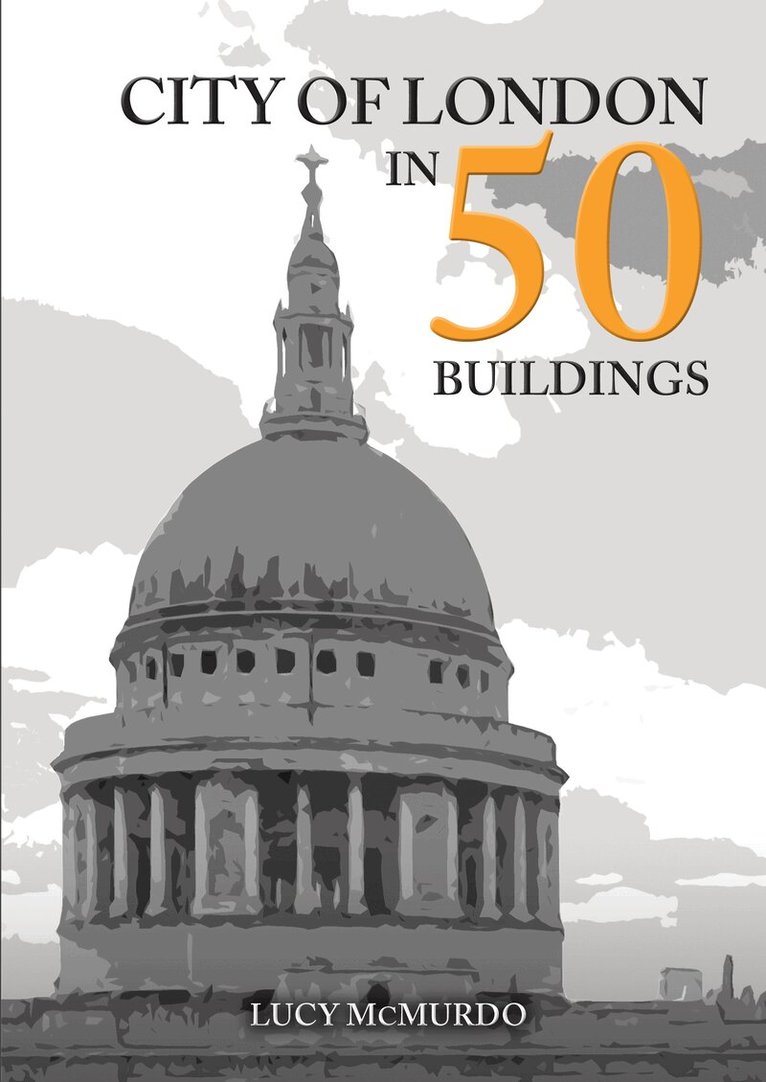
Despite a history stretching back almost 2,000 years, the City of London is one of the world’s most modern, booming and yet unspoiled places to visit. Today it is teeming with those who work in London’s international financial, legal and insurance industries. Catering to their every need, the tiny ‘Square Mile’ is full of fine-dining establishments, cafés, cocktail bars, clubs, cultural venues and historic pubs. With street names including Poultry, Cornhill and Cheapside, it is impossible to ignore the City’s long and colourful history as a major commercial hub. Stretches of Roman wall, fort, amphitheatre and bathhouse also provide constant reminders of its past.In this book, author Lucy McMurdo guides us on a fascinating tour highlighting fifty of the City’s architectural treasures and landmarks from across the centuries. The City has a reputation for pageantry and tradition. It has its own government and Lord Mayor and is home to many livery companies and guilds. Great institutions are also based here, such as the Bank of England and Stock Exchange, as are some exceptional historic churches. With buildings of every style, age and height the City is an exciting destination, for its skyline changes constantly with new office towers. Today, many of them offer free viewing on their upper floors, revealing the fabulous London panorama. From here you see the City’s complex layout: narrow streets, ancient and ultra-modern buildings as well as Tower Bridge and UNESCO World Heritage Site the Tower of London.Illustrated throughout, City of London in 50 Buildings offers a superb and engaging portrait of the rich architectural heritage of the Square Mile.
173 kr
Skickas
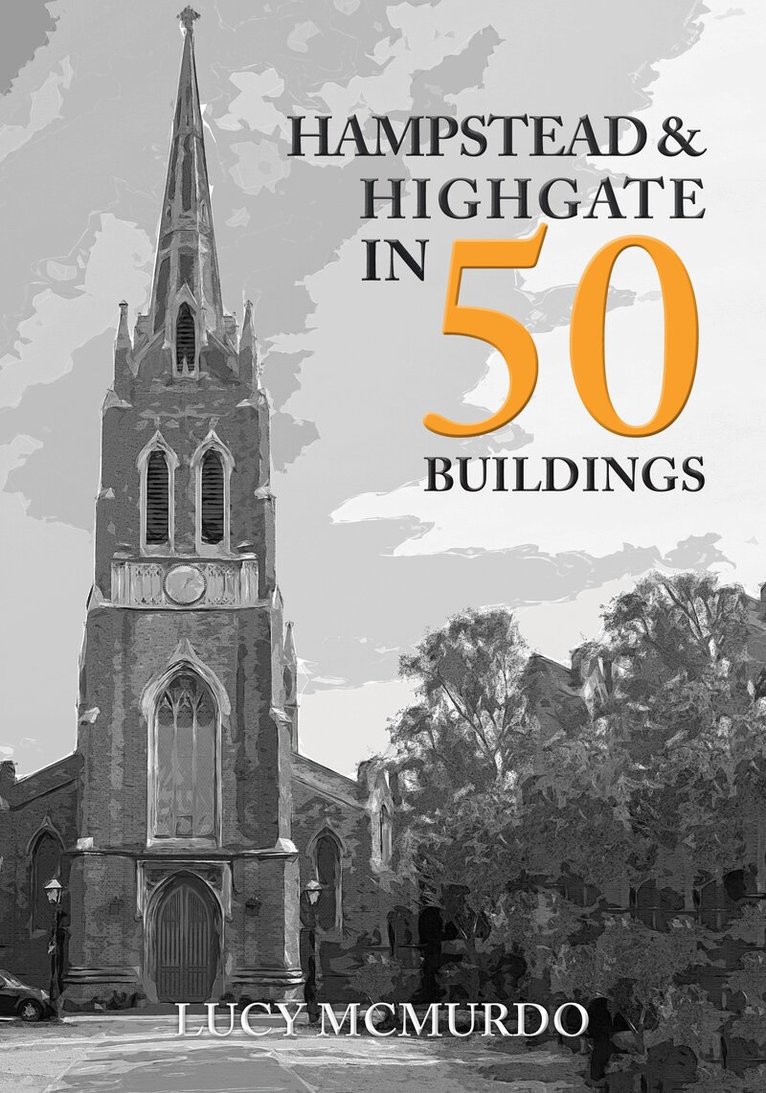
The two communities of Hampstead and Highgate, perched on London’s northern heights, are remarkable for their leafy, atmospheric narrow streets and stunning architecture. They act as a magnet to millionaires and superstars and boast some of the most exclusive and expensive addresses in London today. In this book, author Lucy McMurdo provides a well-illustrated and fascinating tour of the architectural highlights of both areas through the centuries.These desirable locations have been sought after not only for their clean air and waters, but for their magnificent views over the capital. People have settled here for hundreds of years and many of the shops and homes date back to the 1600s and 1700s. Evidence of Hampstead and Highgate’s historical importance is further demonstrated by the many ancient inns that line their streets, and remain in business today. Both areas have prosperous town centres and are full of boutiques, restaurants and bars. Their high streets continue to exude an air of luxury and wealth and attract many visitors.A major asset of these two ‘villages’ is their proximity to vast, open spaces such as Hampstead Heath with the magnificent Kenwood estate. Grand villas have always graced the heath’s perimeter and the houses of Keats and Freud are now open to the public. The graves and tombs of famous local residents are to be found in Highgate Cemetery, including authors, artists, musicians, writers, and even revolutionaries, such as Karl Marx.This accessible and engaging perspective will be of great interest to residents and visitors alike.
173 kr
Skickas
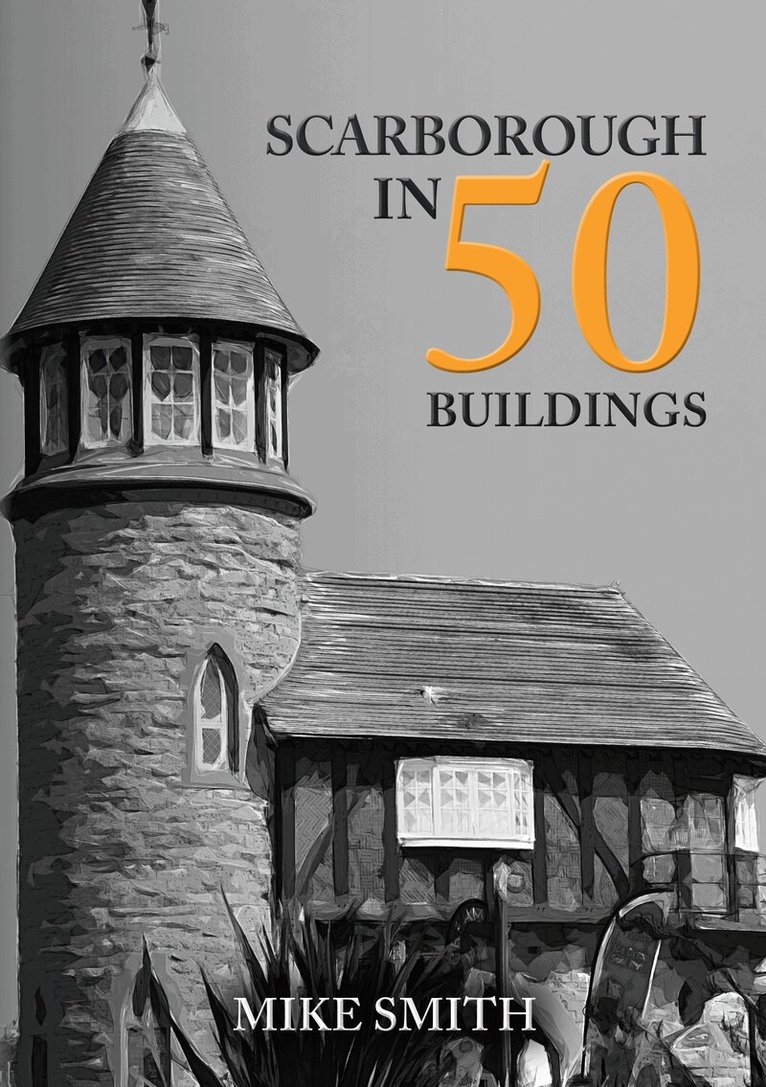
From its origins as a fishing town, Scarborough has become the largest holiday resort on the North Yorkshire coast. In this book, author Mike Smith highlights fifty of Scarborough’s architectural landmarks and notable structures, old and new. Through a fascinating and diverse selection of buildings he charts the development and changing face of the town.Scarborough’s two magnificent bays are separated by a headland bearing the remains of a Roman signal station and the gaunt ruins of a twelfth-century castle, the two oldest buildings featured in this book. The town’s spa buildings are a legacy of the discovery, in 1626, of health-giving springs that prompted the conversion of Scarborough into Britain’s first seaside resort. The Rotunda, conceived in 1829 by William ‘Strata’ Smith, the ‘Father of English Geology’, was one of the world’s first purpose-built museums, and when the Grand Hotel opened in 1867 it was Europe’s largest purpose-built hotel. Other buildings are included for their cultural associations with people such as the Sitwell family, while St Mary’s Church is the final resting place of Anne Brontë. Bringing this engaging architectural portrait of Scarborough right up to the present century, the author also highlights stylish seafront apartments and the Stephen Joseph Theatre, which is wrapped in the skin of a former art deco cinema.Illustrated throughout, Scarborough in 50 Buildings will be of interest to residents, visitors and all those with links to this favourite British holiday resort.
173 kr
Skickas inom 11-20 vardagar
The Lincolnshire market town and small port of Boston is nearly a thousand years old, having been founded soon after the Norman Conquest. Located close to The Wash, it flourished in the thirteenth and fourteenth centuries and exported much of the wool from the Midlands and north of England, which was then the basis of the country’s wealth. In some years it paid more tax than London or any other port, and also had a fair share of international importance. Its medieval wealth allowed it to build one of the largest churches in England, with the tallest tower. Although Boston declined in the later Middle Ages it still served as the local port for Lincolnshire. After the Reformation it became a centre for Puritanism, and in the 1630s its leading citizens emigrated to create a new Boston in New England. From the 1760s to 1840s the town had a second period of great prosperity when it exported grain from Lincolnshire to feed London. In the 1880s a new dock was built, which still flourishes. Today, its medieval street layout remains, along with many buildings from the Georgian period.In this book, author Neil Wright highlights fifty of Boston’s buildings – old and new – to explore the fascinating history of the town. Through a wide range of structures, from churches to pubs and warehouses to windmills, here are the buildings and landmarks that reveal Boston’s development across the centuries.Illustrated throughout, this accessible perspective of the town’s architectural heritage will interest residents and visitors alike.
173 kr
Skickas
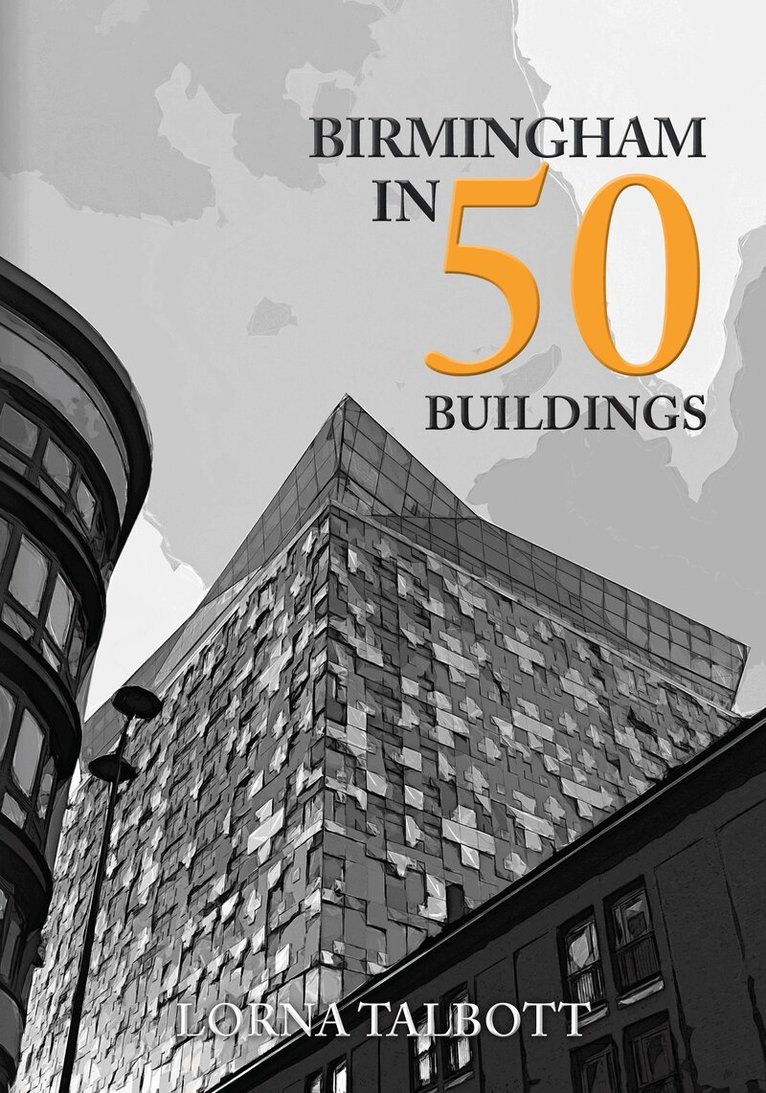
Although Birmingham’s history goes back beyond the Middle Ages, there are only a few fragments of medieval Birmingham left, some of which have been moved from their original site as the city expanded. The city expanded rapidly in the industrial age and although Birmingham has many properties from the eighteenth and nineteenth centuries, it was radically transformed by the bombing raids of the Second World War and the subsequent rejuvenation by city planners. Some 1960s and 1970s buildings like the Rotunda have become icons of the city, but in recent years much of the mid-twentieth-century building, often in concrete brutalist style, has in turn been replaced by new structures like Beetham Tower and Birmingham Library. As England’s second city, Birmingham was a major centre of manufacture, and many of the buildings still stand today. It was also the home of a significant art and architecture movement, the Arts and Crafts movement, which has left its mark on the architectural legacy of Birmingham.Birmingham in 50 Buildings explores the history of this fascinating West Midlands metropolis through a selection of its most interesting buildings and structures, showing the changes that have taken place over the years. It uncovers the earliest churches and dwellings in the city, unique pieces of industrial architecture, the amazing heritage of Victorian religious and municipal structures, art deco cinemas, modernist high-rise blocks and iconic shopping centres. This book will appeal to all those who live in Birmingham or have an interest in the city.
173 kr
Skickas
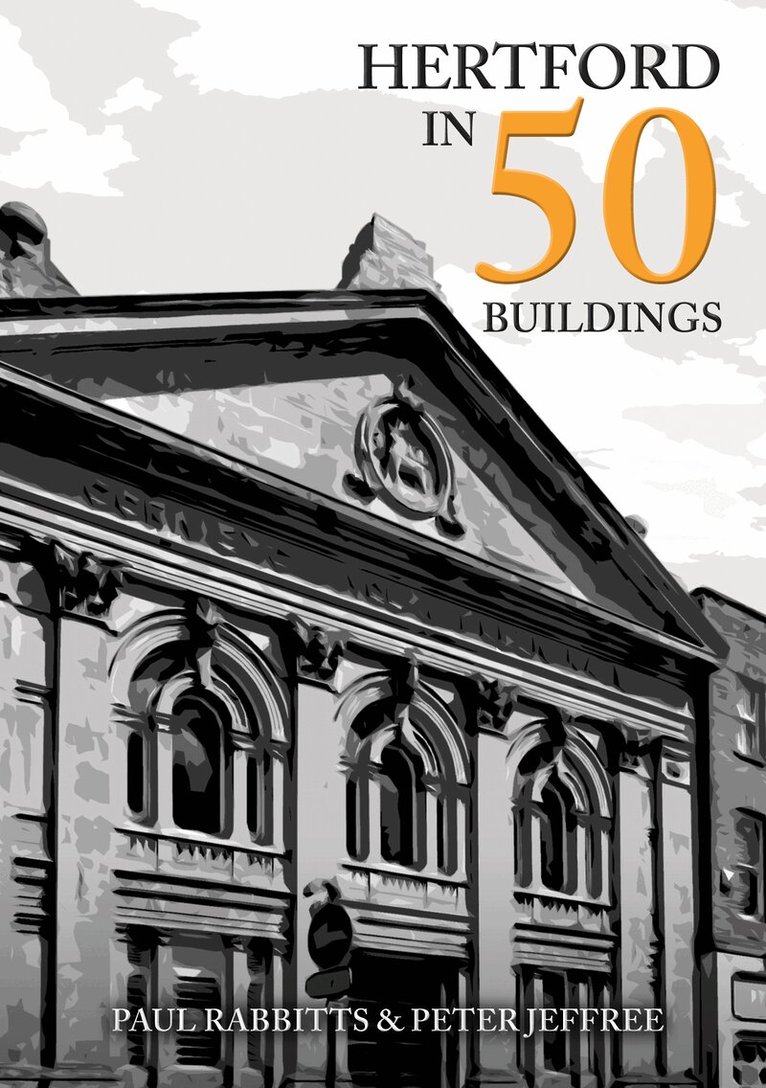
The River Lea and its crossing at Hertford lie at the heart of the town's history. Before the Norman Conquest the river formed a natural boundary between the Danelaw to the north and Saxon Wessex to the south. Saxon villages already existed at Bengeo and Hertingfordbury and, in 911 and 912, Edward the Elder, son of Alfred the Great, founded two fortified burhs, north and south of the Lea crossing. Following the Norman Conquest a castle was established at Hertford, together with a priory and a new mill. For the next 300 years the castle was a royal residence. With the patronage of kings and queens, together with the town's agricultural base, Hertford prospered. This continued throughout the centuries, most notably in the Victorian era, which saw increased building as transport links to London improved and industry grew. Today Hertford is a thriving and rapidly expanding town, with a wealth of history that is demonstrated through its rich architectural heritage.In this book, Paul Rabbitts and Peter Jeffree present a well-illustrated and accessible perspective highlighting fifty of Hertford’s significant buildings and landmarks. Each one has its place in the history of the county town and the lives of its people. From pubs to churches and the Corn Exchange, the buildings featured were used for a variety of purposes and designed in many contrasting styles. This engaging architectural tour is a fascinating exploration of a significant aspect of the town’s history and reveals its changing face across the centuries. This book will appeal to residents, visitors, local historians and all those with links to the town.
173 kr
Skickas inom 11-20 vardagar
Aylesbury, the county town of Buckinghamshire, started as a Saxon settlement called Aegel’s burgh. By medieval times it had developed into an administrative centre, with its weekly market serving as a focal point for surrounding villages. Over the centuries the main industries were lace and silk making, printing and brewing. Its location on various important routes also led to it becoming a coaching town and, during the nineteenth century, it grew most notably with the arrival of the railway. However, it was in the 1950s that Aylesbury experienced its greatest period of growth when it became an overspill town for London.In this book, author Paul Rabbitts features fifty of the buildings and landmarks in the town to reveal the structures that are a testament to the history and development of Aylesbury. The chosen buildings are drawn from across the centuries and reflect diverse architectural styles and purposes, from educational and entertainment to residential and religious. By exploring Aylesbury’s architectural heritage in an engaging and accessible way, the author charts the changing face of the town and the places that have played a significant or surprising role in its history.Illustrated throughout, Aylesbury in 50 Buildings will be of great interest to residents, visitors and local historians.
173 kr
Kommande
Situated between Bournemouth and the New Forest National Park, the Dorset coastal town of Christchurch has a distinctive historic character reflecting both its origins as a Saxon burh and its maritime associations. The earliest settlement was around the Saxon Minster church, on the site of the present Priory Church, and the town developed slowly northwards. Despite the rapid proliferation of housing estates from the late-nineteenth century onwards, the centre retains the character and charm of a historic town. This is further distinguished by its maritime connections, with the harbour, salt marshes and sandy beaches of Christchurch Bay still dominated by the Priory.In ‘Christchurch in 50 Buildings’, authors Paul Rabbitts and Liz Gordon take readers on an engaging and informative tour of the town highlighting a selection of its architectural gems and landmarks old and new. They feature a wide range of architectural styles and diverse selection of buildings and structures ranging from the Priory to pubs, castle to cottages and bridges to beach huts. Tracing the development of Christchurch through the centuries, this book celebrates the town’s ancient history and its many historic buildings, as well as its role as a popular tourist destination in Dorset.Illustrated throughout, this accessible and well-presented guide will appeal to residents and visitors alike.
173 kr
Skickas
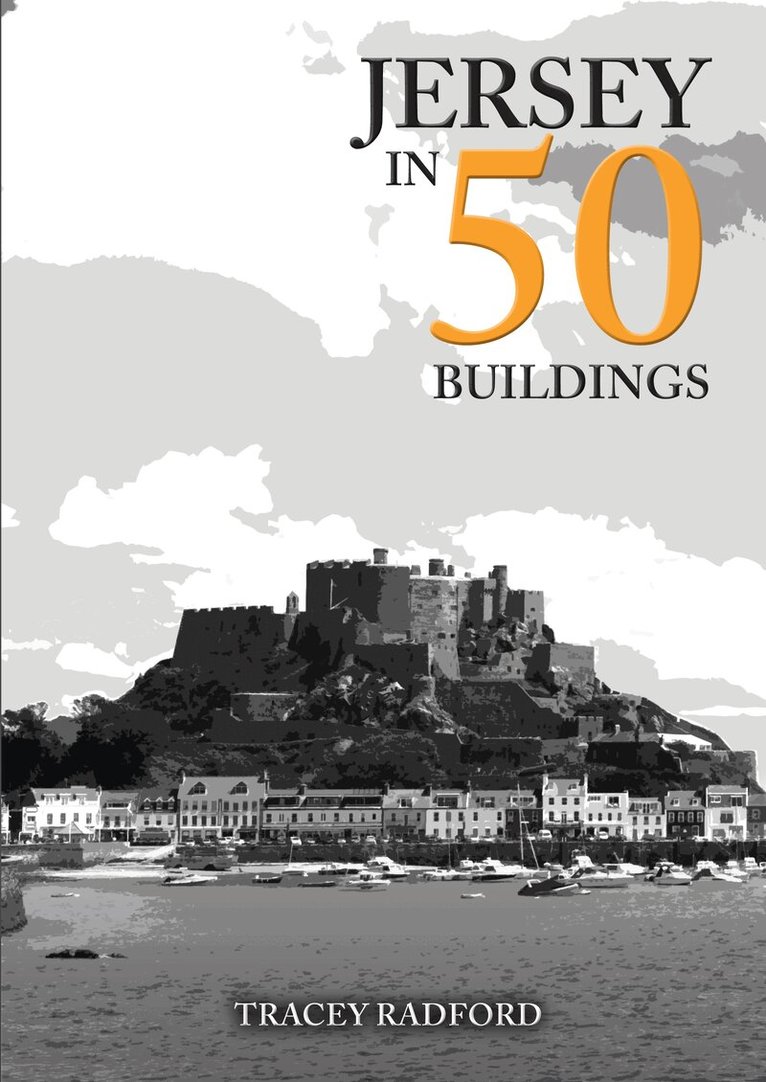
The largest of the Channel Islands, Jersey is situated 85 miles from the English coast and 14 miles from France. Even though it occupies just 45 square miles, the island has an abundance of history and culture, much of which stems from English and French influences. Notably, Jersey was occupied for five years by the enemy during the Second World War, together with the other Channel Islands. Today it is a popular destination for holidaymakers who are attracted by its location, heritage and stunning coastal scenery.In this book, local author and Blue Badge Guide Tracey Radford presents an engaging portrait of fifty of the island’s buildings and landmarks. Featuring many eras and a wide variety of structures and architectural styles, the buildings have been specifically chosen to create a framework around which a chronological exploration of Jersey’s development and story can be told. The places range from churches to castles, follies to forts and wartime sites to lighthouses. Each building’s description will give readers a valuable insight into the island’s past and, consequently, its present.Illustrated throughout, this accessible and informative guide will be of immense interest to residents and visitors alike.
173 kr
Skickas inom 11-20 vardagar
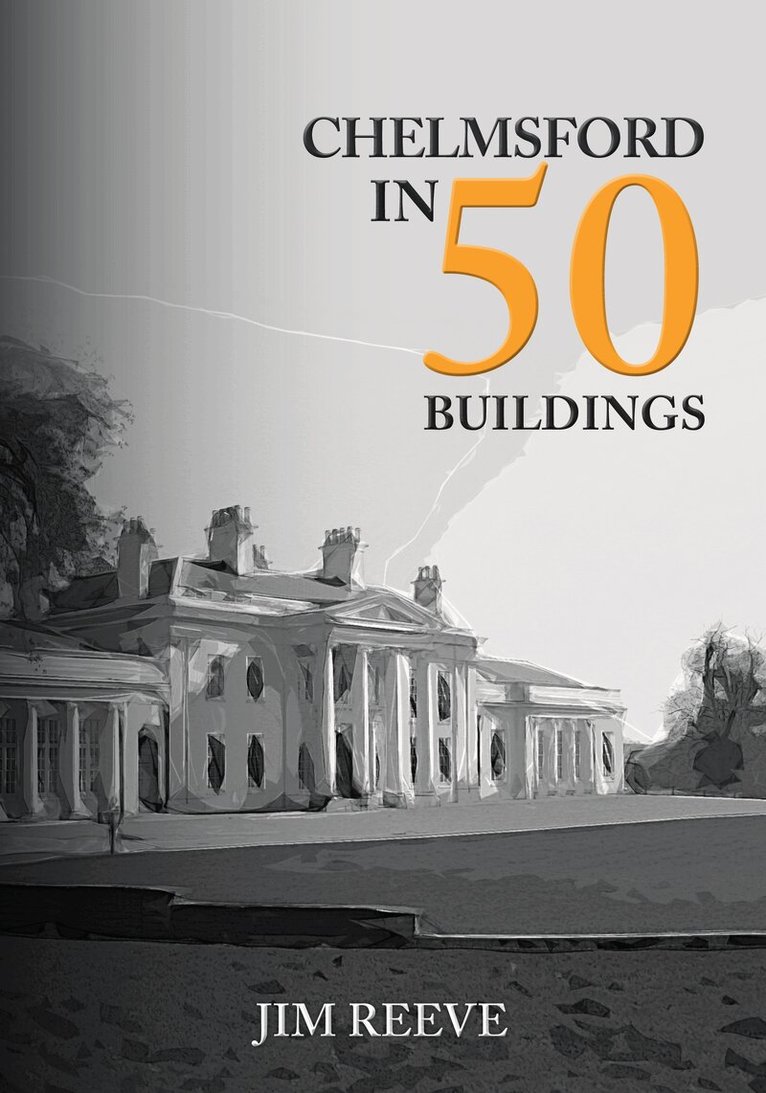
The two rivers that run through Chelmsford – the Chelmer and the Can – were paramount in its making. There is evidence of early human settlements in the Neolithic and Bronze Ages and it was also a significant Roman town. Little evidence of these periods remain, but during the Middle Ages Chelmsford became an important market town and the county town of Essex and later, in the nineteenth and twentieth centuries, a centre for industry. Although many of these industries have since closed or moved, today Chelmsford is a thriving commercial city, having been awarded its city status in 2012.Chelmsford in 50 Buildings explores the history of this fascinating city in Essex through a selection of its most interesting buildings and structures, showing the changes that have taken place over the years. As well as Chelmsford’s landmark buildings, more everyday buildings representative of life through the ages are included, such as the old police station, administration offices, the prison, theatres, museums, sports grounds, transport buildings, monuments, public houses, a windmill, churches and schools. This book will appeal to all those who live in Chelmsford or who have an interest in the city.
173 kr
Skickas inom 11-20 vardagar
The city of Wolverhampton was originally a Staffordshire market town. Its wealth was built on the woollen trade, but during the Industrial Revolution the exploitation of coal and iron deposits in the area transformed the city, which, along with neighbouring towns, came to be known as the Black Country. The town became a centre for steel production, lock and key manufacturing, iron and brass working, bicycle and car manufacturing and many other industries. Mass housing was built in the first half of the twentieth century to replace the slum dwellings that had grown up around these industries. The city has altered radically in recent decades, with the decline of many heavy industries, opening of large-scale shopping centres, the movement away from mass entertainment such as cinemas, closure of the tram and trolleybus systems, development of the university and preservation of cultural heritage sites. Awarded city status in 2000, Wolverhampton has a fine collection of buildings representing its past, from its historic St Peter’s Church and attractive art gallery, imposing Victorian and Edwardian commercial and civic buildings and the elegant West Park, to the newly rebuilt bus and railway station, modern education buildings and the Light House Media Centre and more everyday structures such as pubs, shops and restaurants.Wolverhampton in 50 Buildings explores the history of this fascinating city in the West Midlands through a selection of its most interesting buildings and structures, showing the changes that have taken place over the years. This book will appeal to all those who live in Wolverhampton or who have an interest in the city.
173 kr
Skickas
The South Bank has become one of London's most popular cultural destinations. Now a recognised brand, the South Bank is situated on the Thames Bank path which links Richmond in the west with the Thames Barrier (and beyond) to the east. This new book concentrates on the most visited section, the stretch between Vauxhall Bridge and Tower Bridge.Contained within this single 3-mile route is an abundance of historically and architecturally significant buildings which create a fascinating history of the area, from the postmodernist ‘secret’ headquarters of MI6 at Vauxhall, past the tomb of William Bligh, a stone’s throw from St Thomas’s Hospital, to the modern attractions of the London Eye and Sea Life Aquarium (housed in the former LCC/GLC building). There is also the grand railway termini of Waterloo and London Bridge, alongside churches, the Royal Festival Hall (the only local survivor from the 1951 Festival of Britain), industrial heritage sites at Oxo Tower, Hay's and Gabriel’s wharves and Tate Modern plus contemporary steel and glass with the Shard and City Hall. Alongside these landmark buildings, the authors also include many ‘out of the way’ buildings and quirky ‘Did you know’ facts, benefiting from original research by Rachel Kolsky through her work as a London Blue Badge Guide, accompanied by Louis Berk’s professional-standard photography.London’s South Bank in 50 Buildings explores the history of this fascinating stretch of the city through a selection of its most interesting buildings and structures, showing the changes that have taken place in this part of London over the years. The book will appeal to all those who live in or have an interest in the country's capital.
173 kr
Skickas
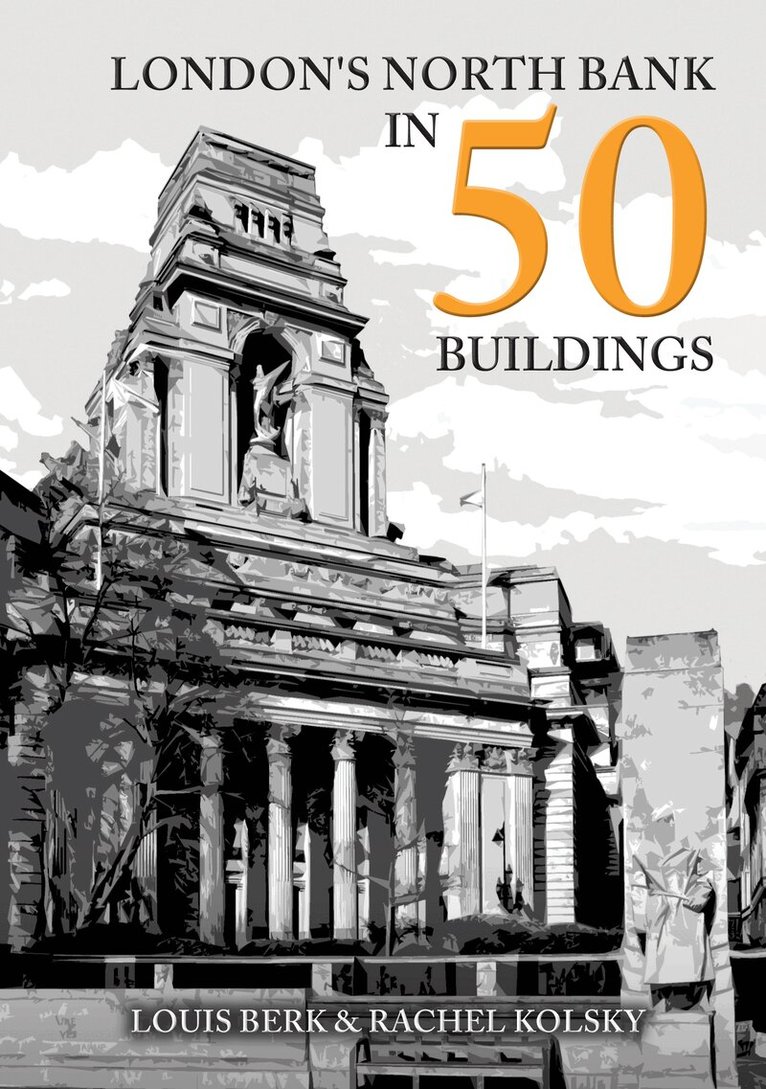
London’s North Bank in 50 Buildings highlights the remarkable buildings bordering the north side of the River Thames between Vauxhall Bridge and Tower Bridge. Interspersed with instantly recognisable landmarks such as Tate Britain, the Palace of Westminster, Charing Cross station, the Savoy Hotel and the Tower of London, the authors also reveal many overlooked architectural treasures including the ICI and Unilever HQs, Millbank Tower, ‘Big Benzene’, Trinity House, and even a cabmen’s shelter.What links all of these buildings are their fascinating origins and eye-catching architectural details. New research by award-winning London Blue Badge guide Rachel Kolsky combined with photographer Louis Berk’s perceptive images brings you a refreshing new perspective on riverside London.Perfectly complementing the authors’ companion volume London’s South Bank in 50 Buildings, this book explores not only the streetscape but also the history of this absorbing stretch of London, highlighting changes that have taken place over the centuries and continue to take place to this day. It will appeal to all those with an interest in the city, residents and visitors alike, who enjoy walking alongside London’s river highway eager to make new discoveries.
173 kr
Skickas
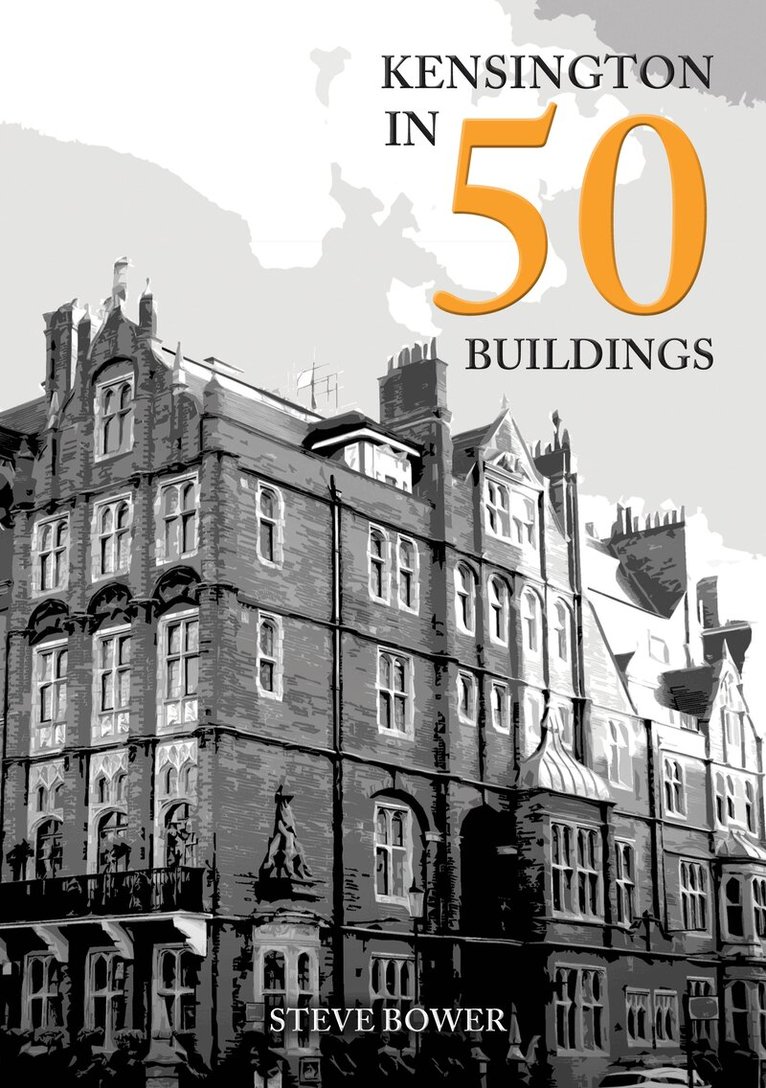
The area of West London around Kensington was built up from the 1800s onwards, although there were a handful of earlier buildings, such as Kensington Palace and Holland House. It was a prosperous artistic quarter when first developed, and many of the grand houses from this era remain, some with specially designed north-facing studios and some lived in by famous artists. Towards South Kensington there is the Albert Hall and the Museum Quarter and other buildings of 'Albertopolis' developed during Queen Victoria’s reign, with many of the most visited buildings in London including the Natural History Museum, the Science Museum and the Victoria & Albert Museum. Not least, there is the extraordinary Brompton cemetery.Kensington in 50 Buildings explores the history of this fascinating area of West London through a selection of its most interesting buildings and structures, showing the changes that have taken place over the years. The book will appeal to all those who live in Kensington or who have an interest in the area.
167 kr
Skickas
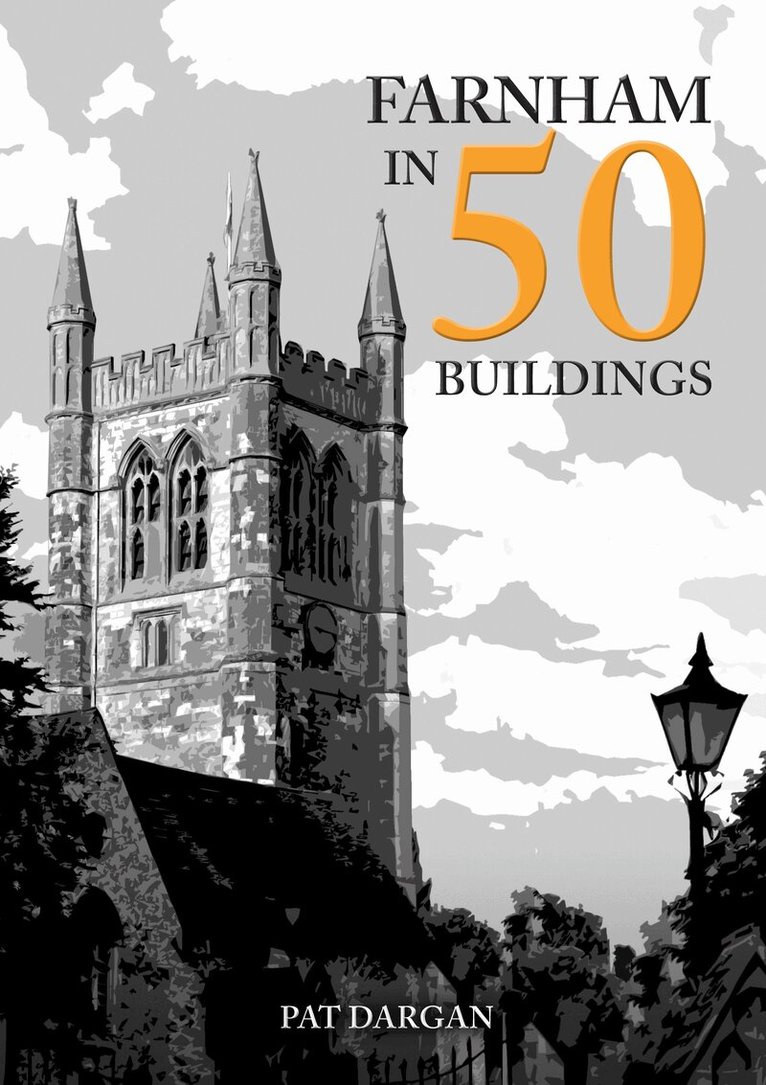
The town of Farnham in Surrey lies south-west of London, on the River Wey. The original settlement dates from the Saxon period, although little survives of it today. Following the Norman invasion the Bishop of Winchester built an earthen motte-and-bailey fort overlooking the Saxon settlement. It was redeveloped as a stone castle in the twelfth century, a substantial part of which still stands. The same period saw the construction of St Andrew’s Church. The town was T-shaped and enclosed by a town ditch, which partially survives. During the seventeenth and eighteenth centuries the town prospered and an extensive range of Georgian streetscapes and buildings were laid within the boundaries, including Castle Street, West Street, the Borough, and Downing Street, with most of the Georgian fabric surviving. Each of these streets has outstanding Georgian housing and public buildings, including the museum in Downing Street and town house developments in West Street and Castle Street. During the nineteenth and twentieth centuries the town experienced considerable expansion and it continues to thrive today, with new buildings integrated into the townscape and many of its old industrial buildings turned to cultural, commercial or community uses.Farnham in 50 Buildings explores the history of this town in Surrey through a selection of its most interesting buildings and structures, showing the changes that have taken place over the years. This book will appeal to all those who live in Farnham or who have an interest in the area.
173 kr
Skickas inom 11-20 vardagar
The borough of Newham in East London was largely built up from the 1800s onwards. Early industry on the river included tide mills and the Royal Docks and their ancillary services provided employment. Large areas of housing also followed the building of the railways with new industries and commerce developing in the area. Transport is still conspicuous in the landscape, not least at Stratford. The municipal pride of this era can be seen in the civic buildings in centres such as East Ham and elsewhere, as well as the public utilities. Culture and recreation, and places of worship, are also in evidence in buildings around the borough and the regeneration of recent decades following the closure of the docks and the 2012 London Olympics also define Newham.Newham in 50 Buildings explores the history of this fascinating area of East London through a selection of its most interesting buildings and structures, showing the changes that have taken place over the years. The book will appeal to all those who live in Newham or who have an interest in the area.
173 kr
Skickas
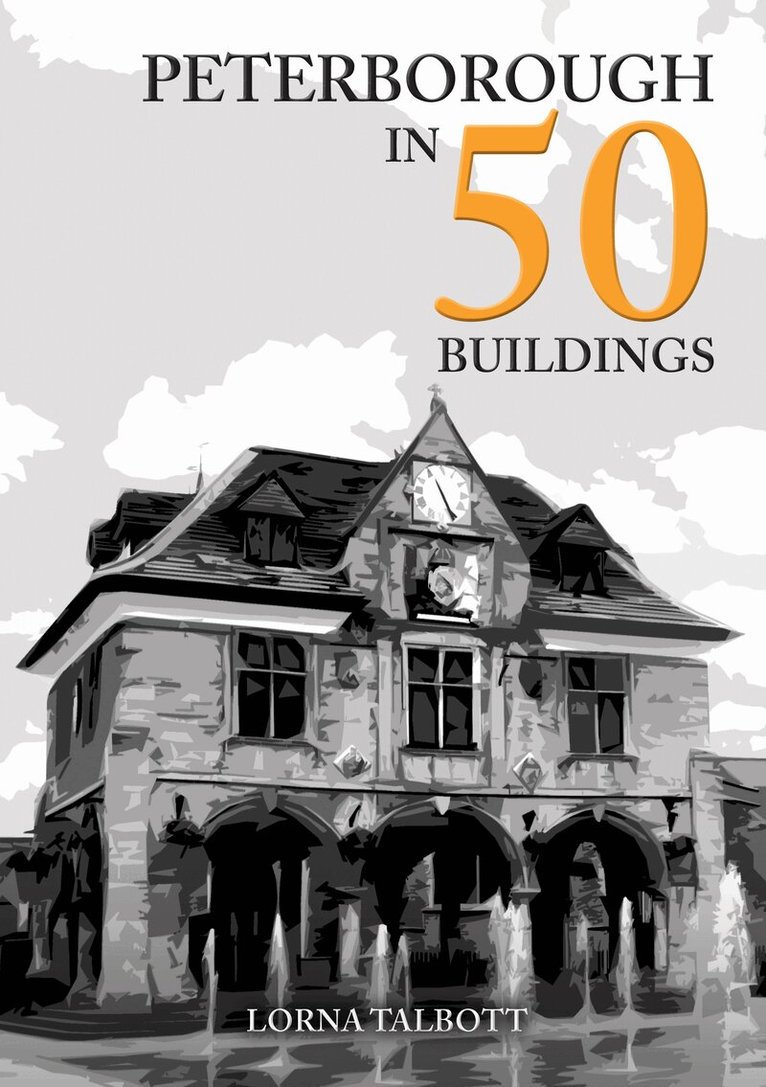
In the seventh century the Anglo-Saxons built an abbey dedicated to St Peter, where the Roman Ermine Street crossed the River Nene. The town around the abbey came to be known as St Peter’s Burgh, and is dominated today by the cathedral on the site. However, there are many other fascinating buildings in Peterborough that mark the stages of its history: the remains of a Saxon church and a Norman castle, the first purpose-built prisoner-of-war camp at nearby Norman Cross, the grandeur of sixteenth-century Milton Hall and the seventeenth-century Guildhall, the Gothic Revival architecture of Sir George Gilbert Scott’s Peterscourt, through its industrial development and being the home of engine manufacturer Perkins. Designated a new town in the 1960s, Peterborough has tripled in population over the last fifty years, and it is now one of the UK’s environment cities, a green and thriving urban area with plenty of interesting historical structures to explore.Peterborough in 50 Buildings explores the history of this city through a selection of its most interesting buildings and structures, showing the changes that have taken place over the years. This book will appeal to all those who live in Peterborough or who have an interest in the area.
173 kr
Skickas
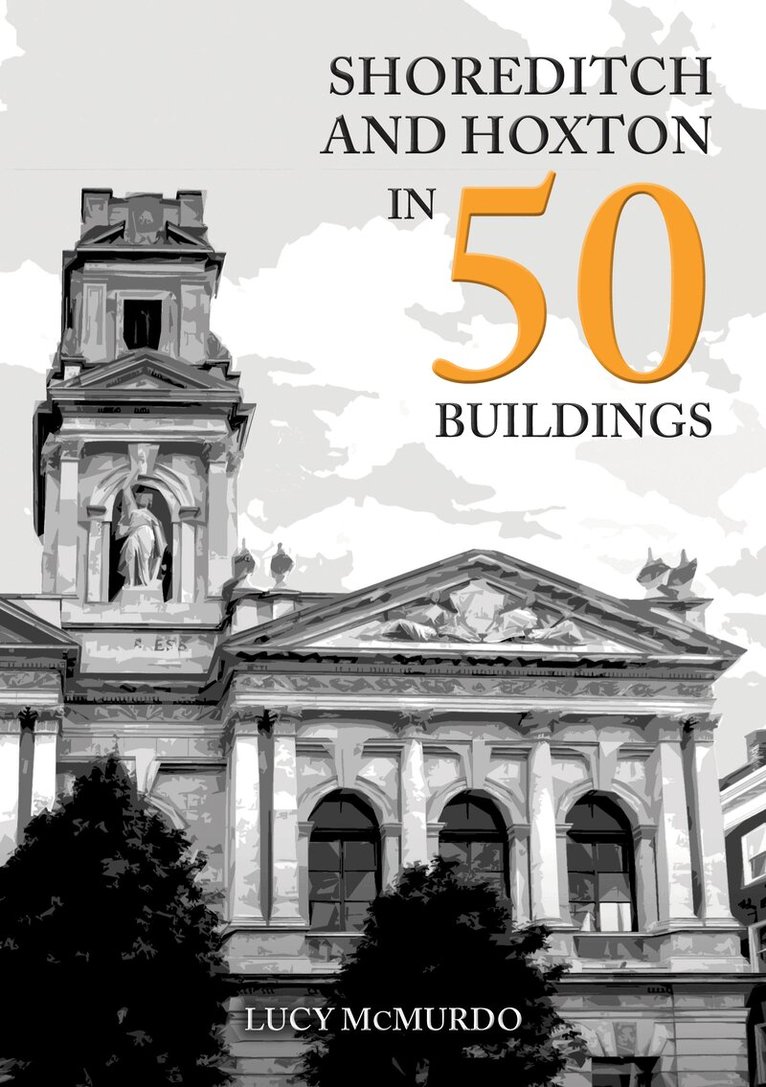
Shoreditch, including neighbouring Hoxton, has a fascinating history, and contains a magnificent variety of buildings. Many have been turned into workspaces, apartments, arts centres, antiques emporiums, restaurants, markets and museums, including the Museum of the Home (formerly the Geffrye Museum), which occupies eighteenth-century almshouses, and the Old Truman Brewery complex, which today is filled with a vintage market and food stalls. Round the corner, the Victorian Spitalfields Market still thrives, albeit no longer as a fruit and veg market but as a dining and retail shopping area, and in Brick Lane there is the Jamme Masjid Mosque, which started life as a church, became a synagogue and is now a focal point for many Muslims living in the area. Shoreditch is not only home to the very first London council estate – Boundary Estate – but is also a major centre of industry and commerce and many new structures are appearing.In addition to their architectural merits many of the buildings have a story to tell, whether it is a connection with Jack the Ripper or the lives of refugees and immigrants who have always lived in Shoreditch’s streets – Huguenot weavers, Jews escaping persecution in Eastern Europe and, more recently, the Bangladeshi community – as well as East End Londoners. Shoreditch and Hoxton are furthermore associated with entertainment dating back to Elizabethan London’s theatres and filled today with bars, restaurants, cafés, clubs and galleries.Shoreditch and Hoxton in 50 Buildings explores the history of this fascinating area of East London through a selection of its most interesting buildings and structures, showing the changes that have taken place over the years. The book will appeal to all those who live in Shoreditch and Hoxton or who have an interest in the area.
173 kr
Skickas
Taunton is the county town of Somerset. It has its origins in the Saxon period and was a prime location in the Civil War and during the Monmouth Rebellion. Much development took place in the Georgian era when many of the ancient buildings were refaced in the new style, reflecting a time of prosperity. With the development of the Bridgwater and Taunton Canal, and the arrival of the railways, industry came into the town. As housing increased, so did the need for the infrastructure associated with a county town, and the Shire Hall, courts, hospitals, churches, schools and leisure buildings such as the Brewhouse Theatre and County Cricket Ground were developed. In 2017 Taunton was granted the status of a Garden Town by the government, with plans to develop new housing areas and spaces fit for a twenty-first-century town.Taunton in 50 Buildings explores the history of the county town of Somerset through a selection of its most interesting buildings and structures, showing the changes that have taken place over the years. This book will appeal to all those who live in Taunton or who have an interest in the area.
173 kr
Skickas
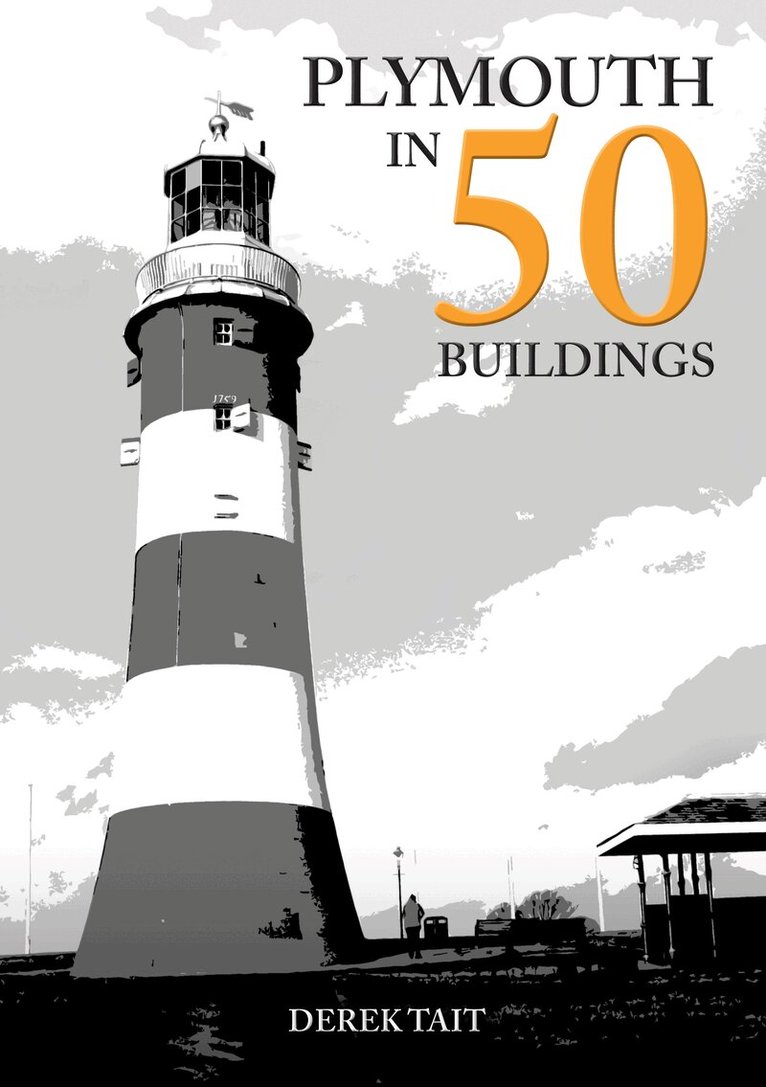
Plymouth has been a major port for centuries. Famous Elizabethan maritime traders sailed from the port and its position on the Devon coast enabled it to benefit from the Atlantic trade during the Industrial Revolution at the same time that Devonport grew as an important naval shipyard and dockyard. The town absorbed other nearby settlements and in 1928 was awarded city status. Heavily bombed during the Second World War, the city was rebuilt and further areas such as Plympton and Plymstock were incorporated in the 1960s. It is now home to over a quarter of a million inhabitants.Plymouth still has a large naval dockyard, as well as a fascinating mix of old and new buildings. Plymouth in 50 Buildings explores the history of this city through a selection of its most interesting buildings and structures, showing the changes that have taken place over the years. This book will appeal to all those who live in the town or who have an interest in the area.
173 kr
Skickas
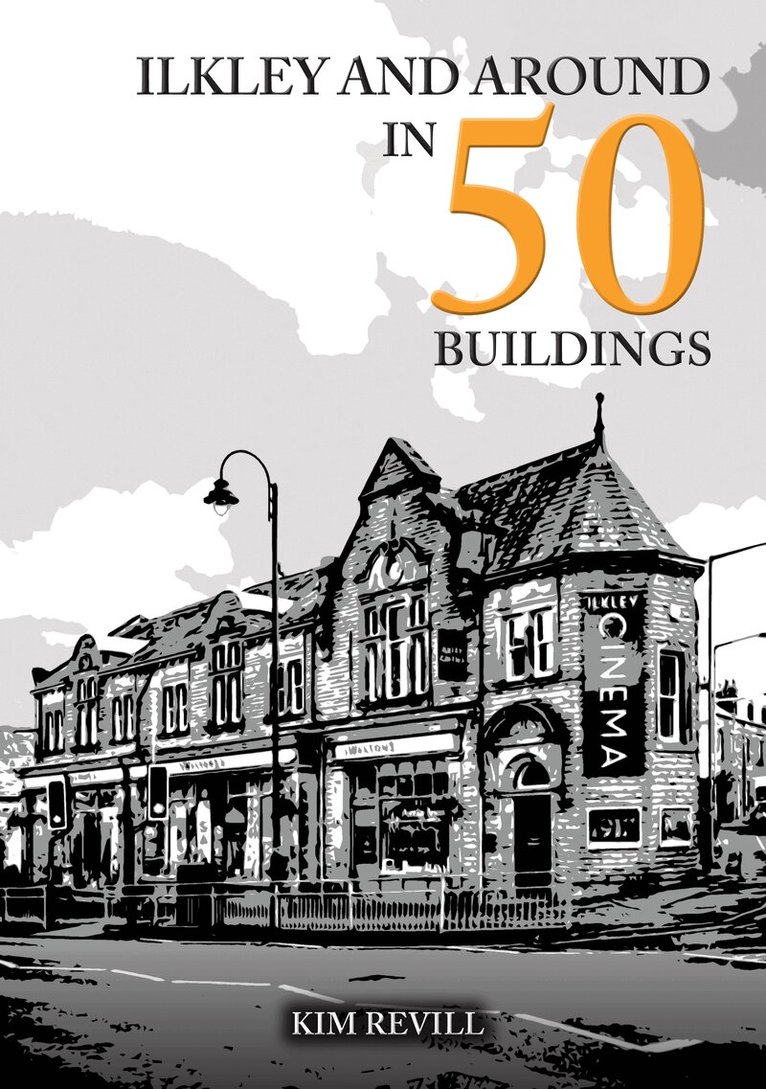
The busy town of Ilkley is nestled between the cities of Leeds and Bradford in the breathtakingly beautiful Yorkshire countryside. Ilkley is known far and wide for the eponymous tune ‘On Ilka Moor Baht ’At’, but besides this anthem and its stunning moor it has more than eighty listed buildings and is home to one of the smallest cinemas in Europe. It proudly sports grand Victorian houses built in Yorkshire stone, has its own playhouse, and is famous for its imposing Manor House, which today houses the museum and heritage arts centre. Hydrotherapy played a big part in the history of Ilkley. White Wells Spa Cottage opened its first bathing pools in 1703 and established Ilkley as a spa town; Craiglands Hotel is also renowned for the treatment of hydrotherapy. Further visitors arrived following the opening of Ilkley railway station in 1865. The grand Town Hall was built in 1906–08, as was the King’s Hall, which provides a multi-functional community hub today. Ilkley Library and visitor centre provides one of the venues for an annual literary festival. Hillside Court is home to an array of shops, restaurants and apartments and is also linked to Charles Darwin as he stayed there with his family. The award-winning Michelin star Box Tree restaurant, where chef Marco Pierre White cut his culinary teeth, is one of the oldest dwellings in Ilkley. The town also has a rather unlikely claim to fame in the history of rock and roll: guitarist Jimi Hendrix and his band once played to a packed house at the former Troutbeck Hotel on 12 March 1967. Such was the size of the crowd, the police were summoned to call time on the concert due to safety concerns. Hendrix was seen queuing for fish and chips at the world-famous Harry Ramsden's in Guiseley later that day. A new film is in the making, at the time of publication, about Hendrix's trip to the area.Ilkley and Around in 50 Buildings explores the history of this fascinating area of Yorkshire through a selection of its most interesting buildings and structures, showing the changes that have taken place over the years. The book will appeal to all those who live in Ilkley or who have an interest in the area.
173 kr
Skickas
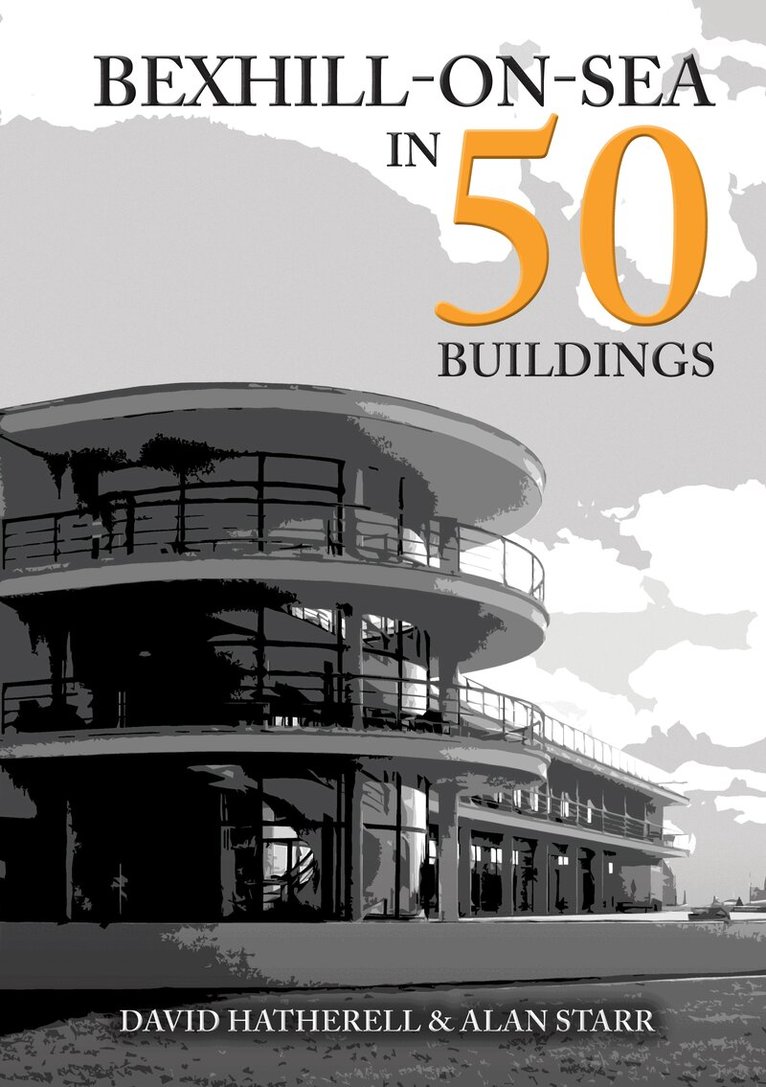
For much of its history, Bexhill was a small rural town on a hill in East Sussex, a mile or two from the sea. Remains of its manor house can still be seen. The town grew during the Napoleonic wars as thousands of troops were stationed at barracks in Bexhill and defensive Martello towers were built, while smuggling continued using local inns. There was a further major change at the end of the nineteenth century when the De La Warr family developed a stylish resort, which continued into the 1930s when the 9th Earl De La Warr built the famous modernist De La Warr Pavilion. The town had been known for its independent schools catering for the military and colonial service in India, but these declined after the Second World War. Bexhill became a favourite for retiring Londoners: large residential estates were built, with high-spec bungalows especially sought after.Bexhill-on-Sea in 50 Buildings explores the history of this town in East Sussex through a selection of its most interesting buildings and structures, showing the changes that have taken place over the years. The book will appeal to all those who live in Bexhill or who have an interest in the area.
173 kr
Skickas
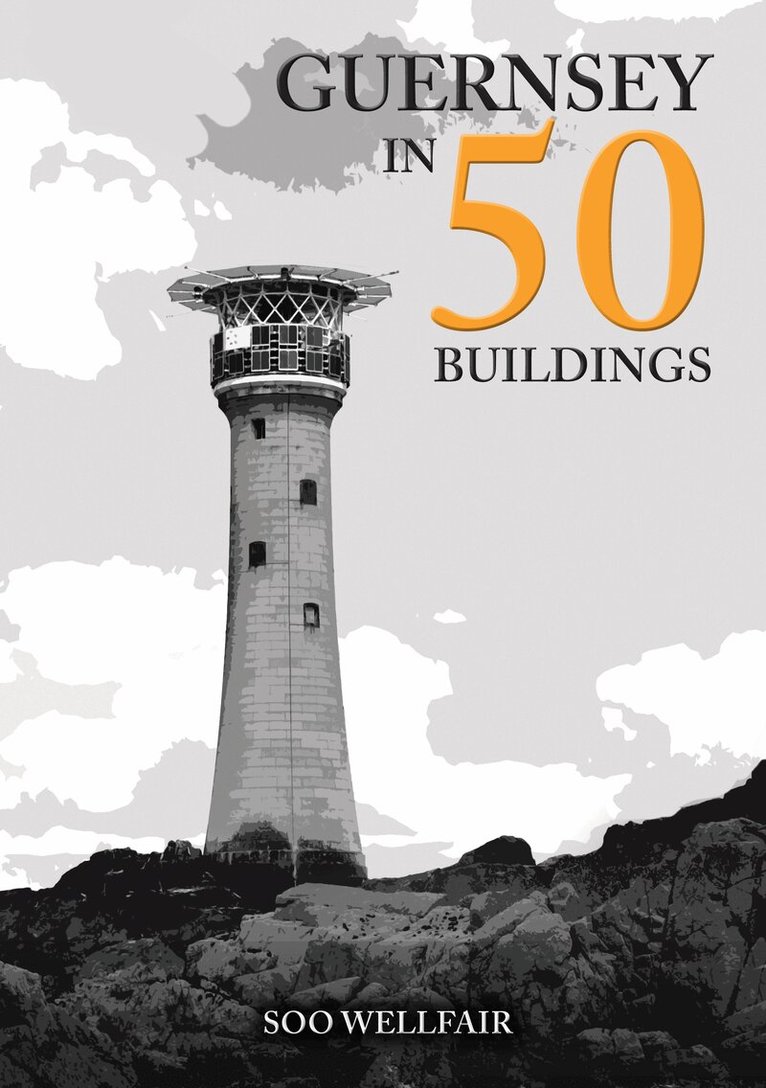
The Channel Island of Guernsey has a fascinating history, from its earliest prehistoric settlers through to the present day. It was inherited by the English then British Crown as part of the Duchy of Normandy and its individual and separate heritage can be seen throughout the island. In this book local historian Soo Wellfair looks at Guernsey’s ten parishes and the most fascinating, beautiful and historic buildings in each. Guernsey’s architectural history spans many periods, with examples from the medieval period, Tudor times, the Georgian and Victorian eras, as well as some impressive recent structures.Guernsey in 50 Buildings explores the history of this Channel Island through a selection of its most interesting buildings and structures, showing the changes that have taken place over the years. This book will appeal to all those who live in Guernsey or who have an interest in the island.
173 kr
Skickas
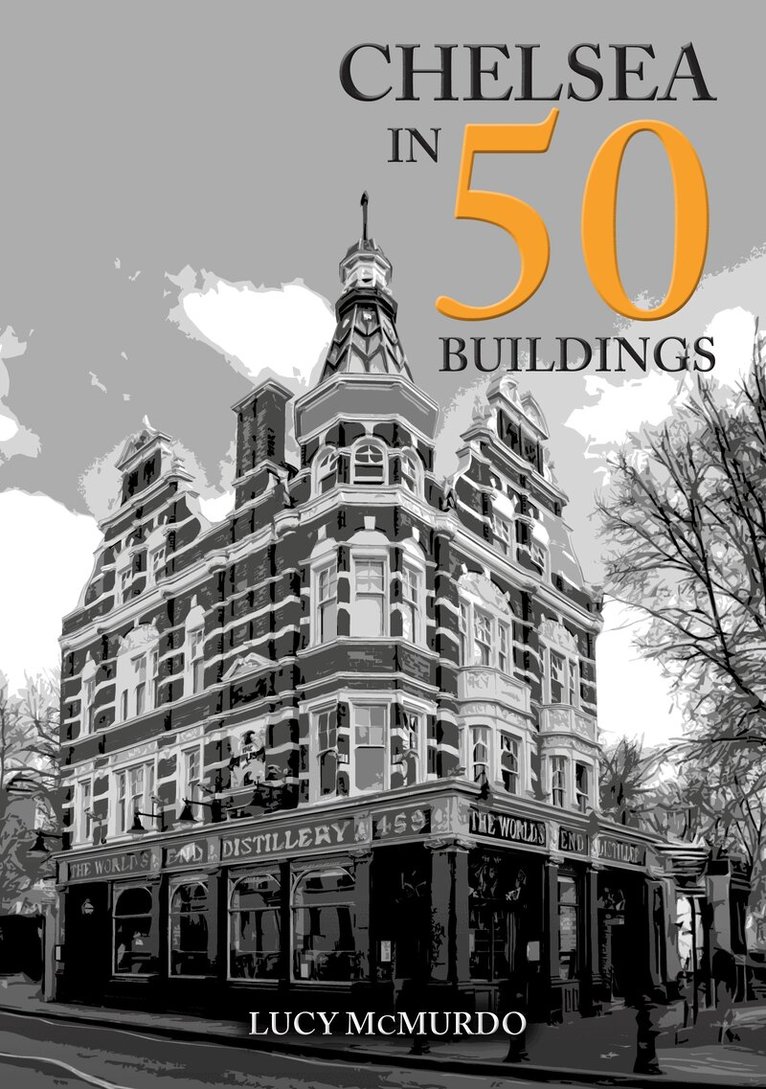
Chelsea has always been a district beloved by the influential and wealthy. Initially a small riverside village that centred around Chelsea Old Church, from the eighteenth century Chelsea mushroomed inland and the King’s Road, originally the private road of Charles II, became its main artery. New buildings replaced Chelsea’s market gardens and fields, and streets and squares were developed on what had been previously private estates. It became a popular artists’ colony and its bohemian reputation continued in post-war London when the King’s Road became a major fashion hub and Mary Quant and Vivienne Westwood established their boutiques. Its Old Town Hall has been the venue for fashionable weddings, and Chelsea’s many listed buildings, including the Royal Hospital designed by Wren and home to the Chelsea Flower show, designer shops, theatre, concert hall, the Saatchi Gallery in the Duke of York Headquarters and characterful pubs make it a delight to visit and explore.Chelsea in 50 Buildings unveils the history of this fascinating area of West London through a selection of its most interesting buildings and structures, showing the changes that have taken place over the years. This book will appeal to all those who live in Chelsea or who have an interest in the area.
173 kr
Skickas
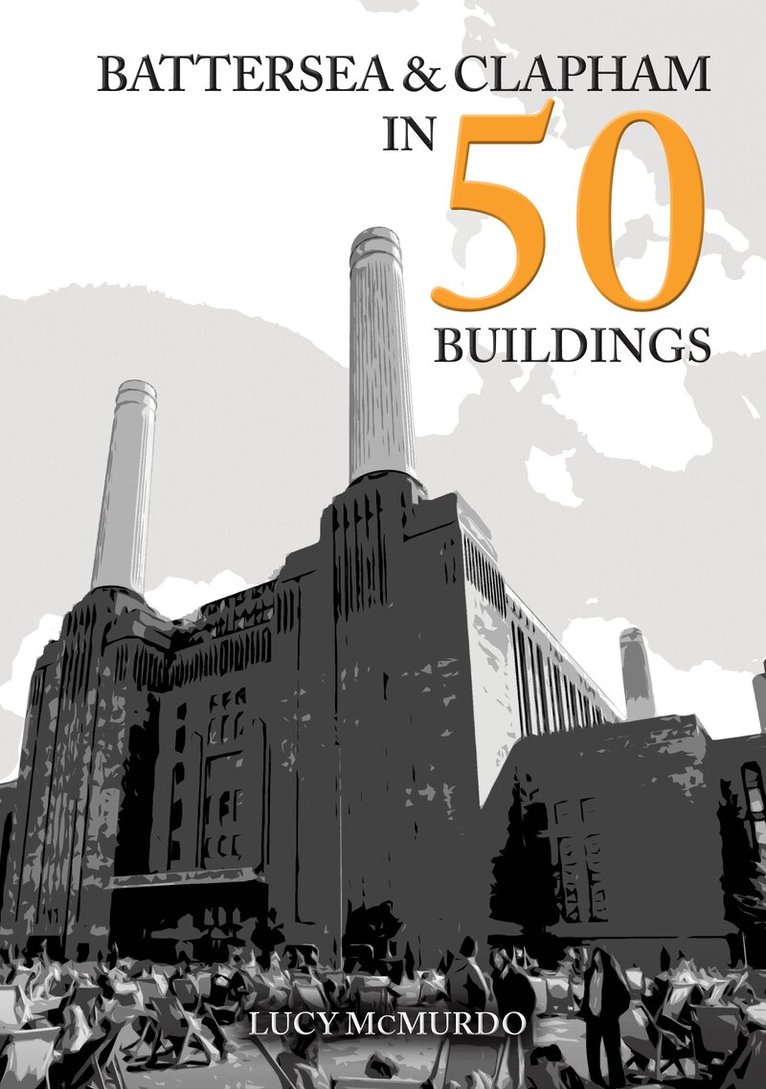
Clapham and Battersea, both medieval villages to the south-west of London, enjoy rich and fascinating histories. In time, Clapham became home to wealthy City merchants who built grand mansion houses around Clapham Common, and Battersea’s fortunes changed for the better with the building of a bridge across the Thames in the 1770s, ending its prior isolation. Both areas were to benefit greatly from the coming of the railway in the mid-1800s and then the Tube towards the end of the century, which established their suburbanisation and rapid development. Almost overnight, row upon row of Victorian terraced housing was built, as well as shops, pubs and entertainment venues. The construction of Clapham Junction station in Battersea resulted in the development of a thriving shopping area, including Arding & Hobbs department store. Towards the end of the century Battersea built its new Town Hall, its Polytechnic and the now famous Battersea Dogs & Cats Home. Clapham’s public library appeared around the same period, as did many new churches catering for the greatly enlarged residential population of both neighbourhoods. Today, the two suburbs are wonderfully vibrant areas with a superb variety of architecture – domestic, civic, religious and industrial, the latter best seen in the newly converted Battersea Power Station.Battersea & Clapham in 50 Buildings explores the history of these fascinating areas of South London through a selection of their most interesting buildings and structures, showing the changes that have taken place over the years. This book will appeal to all those who live in Battersea or Clapham or who have an interest in the area.
173 kr
Skickas
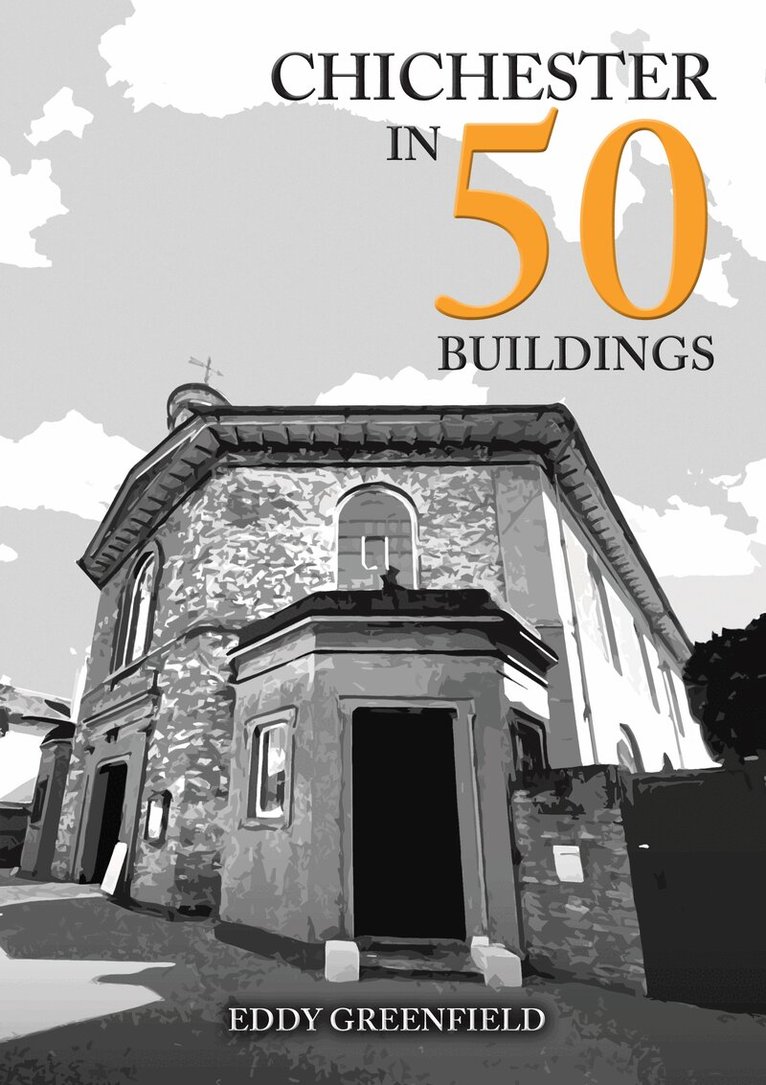
The only city in West Sussex, Chichester’s history dates back to the Roman era when Noviomagus Reginorum was founded as a military garrison shortly after the Roman invasion of AD 43. The military usage was short-lived, and it was quickly adopted as a Romano-British civilian settlement. By the time of Alfred the Great, Chichester had become a substantial town and its future as a major county town of Sussex was cemented.Despite being continually redeveloped to the present day, much of the city’s built heritage survives, with representations from most of the major historical eras dating back to its foundation. This journey through the city’s past, as represented by its buildings, covers all aspects of Chichester’s history – religious, medical, educational, administrative, political, military and social. Alongside the city’s favourite buildings such as the Market Cross, cathedral and the Novium Museum, some of the more unusual aspects of the history of the city will be revealed, for example, County Hall’s formerly top-secret role during the Cold War, the rule-breaking 1960s architecture of Marriott House, and the Chichester Harbour Hotel where General Dwight D. Eisenhower hosted a meeting of his D-Day advisors.Chichester in 50 Buildings explores the history of this city in West Sussex through a selection of its most interesting buildings and structures, showing the changes that have taken place over the years. The book will appeal to all those who live in Chichester or who have an interest in the area.
173 kr
Skickas
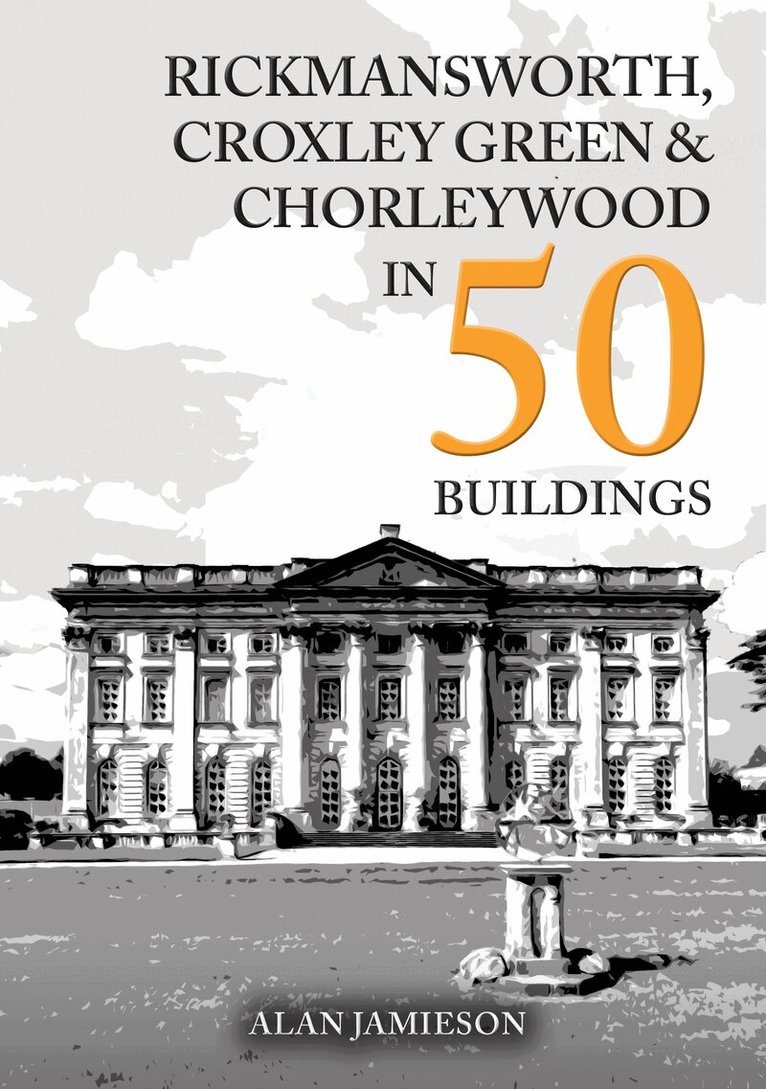
Rickmansworth is an attractive small town in south-west Hertfordshire with its origins as farmsteads owned by the Abbey of St Albans. From this time (in the early fifteenth century) a Great Barn was built. In later centuries, sitting on a road that became a route to the north, and with the coming of the Grand Union Canal and the Metropolitan railway line, the town grew and churches, schools, public houses, almshouses and grand houses were built – and many have survived. Nearby are manor houses and country mansions including a magnificent eighteenth-century Palladian mansion, Moor Park, owned by earls and an admiral. In 1944 Moor Park, having been taken over by the army, became the planning headquarters for the air assault on Arnhem. Rickmansworth and its surrounding area also became famous as 'Metroland', praised for its suburban charm in poems by John Betjeman. Around Rickmansworth are attractive areas and villages – Moor Park, Croxley, Chorleywood and Sarratt – each with their own distinctive character and buildings. This history of fifty buildings in the Rickmansworth area – illustrated with fine new photographs – will appeal to local residents and to every reader with an interest in Britain's domestic architecture and local history.