International Review of History Education – serie
Visar alla böcker i serien International Review of History Education. Handla med fri frakt och snabb leverans.
12 produkter
12 produkter
National History Standards
The Problem of the Canon and the Future of Teaching History
Häftad, Engelska, 2009
774 kr
Skickas inom 7-10 vardagar
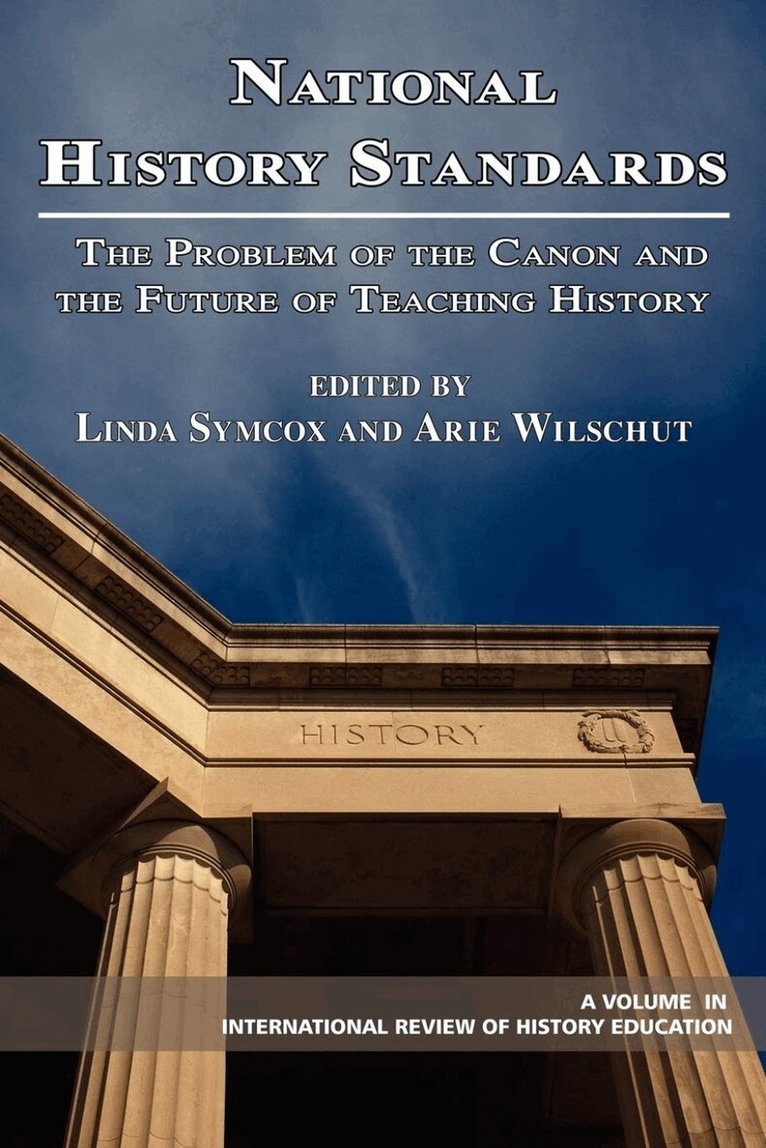
As educators in the United States and Europe develop national history standards for K-12 students, the question of what to do with national history canons is a subject of growing concern. Should national canons still be the foundation for the teaching of history? Do national canons develop citizenship or should they be modified to accommodate the new realities of globalization? Or should they even be discarded outright? These questions become blurred by the debates over preserving national heritages, by so-called 'history wars' or 'culture wars,' and by debates over which pedagogical frameworks to use. These canon and pedagogical debates often overlap, creating even more confusion. A misconceived “skills vs. content” debate often results. Teaching students to think chronologically and historically is not the same as teaching a national heritage or a cosmopolitan outlook. But what exactly is the difference? Policy-makers and opinion leaders often confuse the pedagogical desirability of using a ‘framework’ for studying history with their own efforts to reaffirm the centrality of national identity rooted in a vision of their nation's history as a way of inculcating citizenship and patriotism. These are the issues discussed in this volume.Today's students are citizens of the world and must be taught to think in global, supranational terms. At the same time, the traditionalists have a point when they argue that the ideal of the nation-state is the cultural glue that has traditionally held society together, and that social cohesion depends on creating and inculcating a common national culture in the schools. From an educational perspective, the problem is how to teach chronological thinking at all. How are we to reconcile the social, political and intellectual realities of a globalizing world with the continuing need for individuals to function locally as citizens of a nation-state, who share a common past, a common culture, and a common political destiny? Is it a duty of history education to create a frame of reference, and if so, what kind of frame of reference should this be? How does frame-of-reference knowledge relate to canonical knowledge and the body of knowledge of history as a whole?
National History Standards
The Problem of the Canon and the Future of Teaching History
Inbunden, Engelska, 2009
1 032 kr
Skickas inom 7-10 vardagar
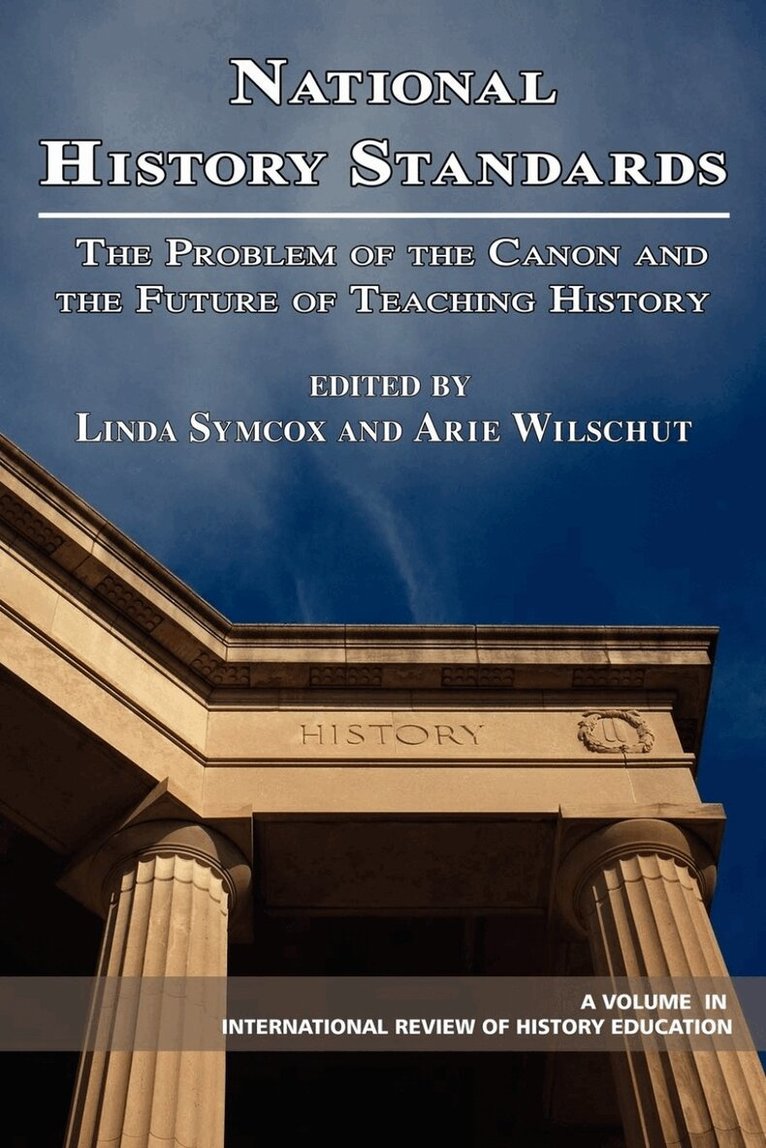
As educators in the United States and Europe develop national history standards for K-12 students, the question of what to do with national history canons is a subject of growing concern. Should national canons still be the foundation for the teaching of history? Do national canons develop citizenship or should they be modified to accommodate the new realities of globalization? Or should they even be discarded outright? These questions become blurred by the debates over preserving national heritages, by so-called 'history wars' or 'culture wars,' and by debates over which pedagogical frameworks to use. These canon and pedagogical debates often overlap, creating even more confusion. A misconceived “skills vs. content” debate often results. Teaching students to think chronologically and historically is not the same as teaching a national heritage or a cosmopolitan outlook. But what exactly is the difference? Policy-makers and opinion leaders often confuse the pedagogical desirability of using a ‘framework’ for studying history with their own efforts to reaffirm the centrality of national identity rooted in a vision of their nation's history as a way of inculcating citizenship and patriotism. These are the issues discussed in this volume.Today's students are citizens of the world and must be taught to think in global, supranational terms. At the same time, the traditionalists have a point when they argue that the ideal of the nation-state is the cultural glue that has traditionally held society together, and that social cohesion depends on creating and inculcating a common national culture in the schools. From an educational perspective, the problem is how to teach chronological thinking at all. How are we to reconcile the social, political and intellectual realities of a globalizing world with the continuing need for individuals to function locally as citizens of a nation-state, who share a common past, a common culture, and a common political destiny? Is it a duty of history education to create a frame of reference, and if so, what kind of frame of reference should this be? How does frame-of-reference knowledge relate to canonical knowledge and the body of knowledge of history as a whole?
618 kr
Skickas inom 7-10 vardagar
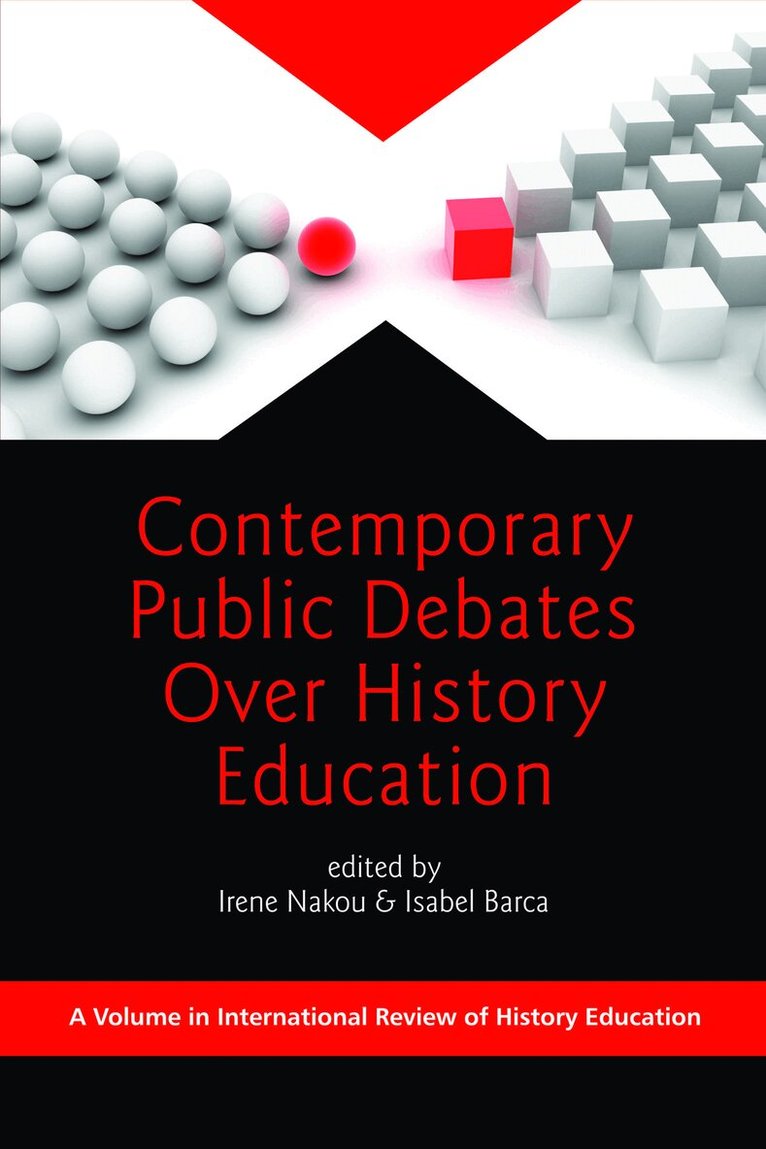
The 6th book of the International Review of History Education Series, Contemporary public debates over history education, presents public debates on history education as they appear in 14 different areas of the world, in Asia, Europe, North and South America. In alphabetical order: in Brazil, by Maria Auxiliadora Schmidt and Tânia Braga Garcia, in Canada, by Peter Seixas, in England, by Rosalyn Ashby and Christopher Edwards, in Greece, by Irene Nakou and Eleni Apostolidou, in Israel, by Eyal Naveh, in Japan and South Korea, by Yonghee Suh and Makito Yurita, in Northern Ireland, by Alan McCully, in Portugal, by Isabel Barca, in Quebec (Canada), by Jean-Francois Cardin, in Singapore, by Suhaimi Afandi and Mark Baildon, in Spain, by Lis Cercadillo, in Turkey, by Dursun Dilek and Gülcin (Yapici) Dilek, and in the United States, by Peter Stearns.By illuminating common trends, national peculiarities and differences, this collective book further enriches our knowledge about crucial issues concerning public perspectives over history education in diverse parts of the world. It opens new questions and issues to be further investigated by all who are interested in this field, in terms of its historical, educational, global, national, ethnic, cultural, social and political dimensions in the current transitional and multicultural environment. This international dialogue therefore addresses historians, history education researchers, university professors, school teachers, policy makers, publishers, parents and all those who insist that history education is very important, especially if it enables young people to orientate in the present and the future in historical terms
1 093 kr
Skickas inom 7-10 vardagar
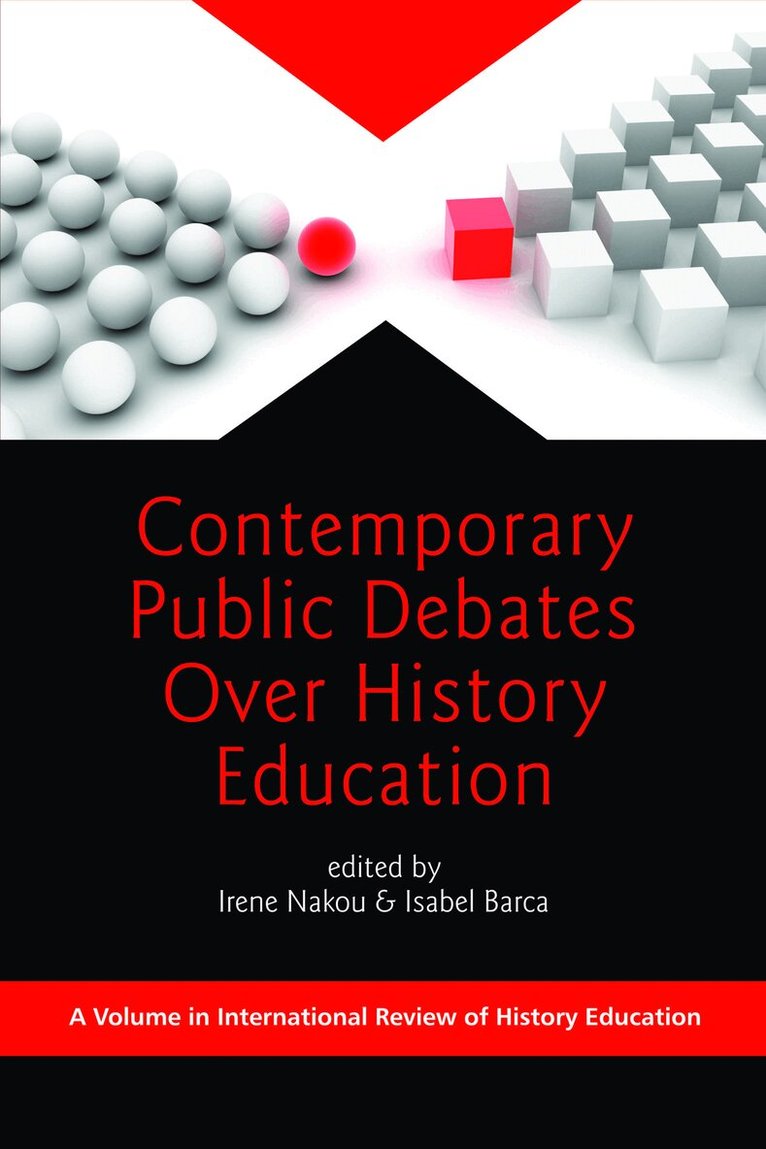
The 6th book of the International Review of History Education Series, Contemporary public debates over history education, presents public debates on history education as they appear in 14 different areas of the world, in Asia, Europe, North and South America. In alphabetical order: in Brazil, by Maria Auxiliadora Schmidt and Tânia Braga Garcia, in Canada, by Peter Seixas, in England, by Rosalyn Ashby and Christopher Edwards, in Greece, by Irene Nakou and Eleni Apostolidou, in Israel, by Eyal Naveh, in Japan and South Korea, by Yonghee Suh and Makito Yurita, in Northern Ireland, by Alan McCully, in Portugal, by Isabel Barca, in Quebec (Canada), by Jean-Francois Cardin, in Singapore, by Suhaimi Afandi and Mark Baildon, in Spain, by Lis Cercadillo, in Turkey, by Dursun Dilek and Gülcin (Yapici) Dilek, and in the United States, by Peter Stearns.By illuminating common trends, national peculiarities and differences, this collective book further enriches our knowledge about crucial issues concerning public perspectives over history education in diverse parts of the world. It opens new questions and issues to be further investigated by all who are interested in this field, in terms of its historical, educational, global, national, ethnic, cultural, social and political dimensions in the current transitional and multicultural environment. This international dialogue therefore addresses historians, history education researchers, university professors, school teachers, policy makers, publishers, parents and all those who insist that history education is very important, especially if it enables young people to orientate in the present and the future in historical terms
686 kr
Skickas inom 7-10 vardagar
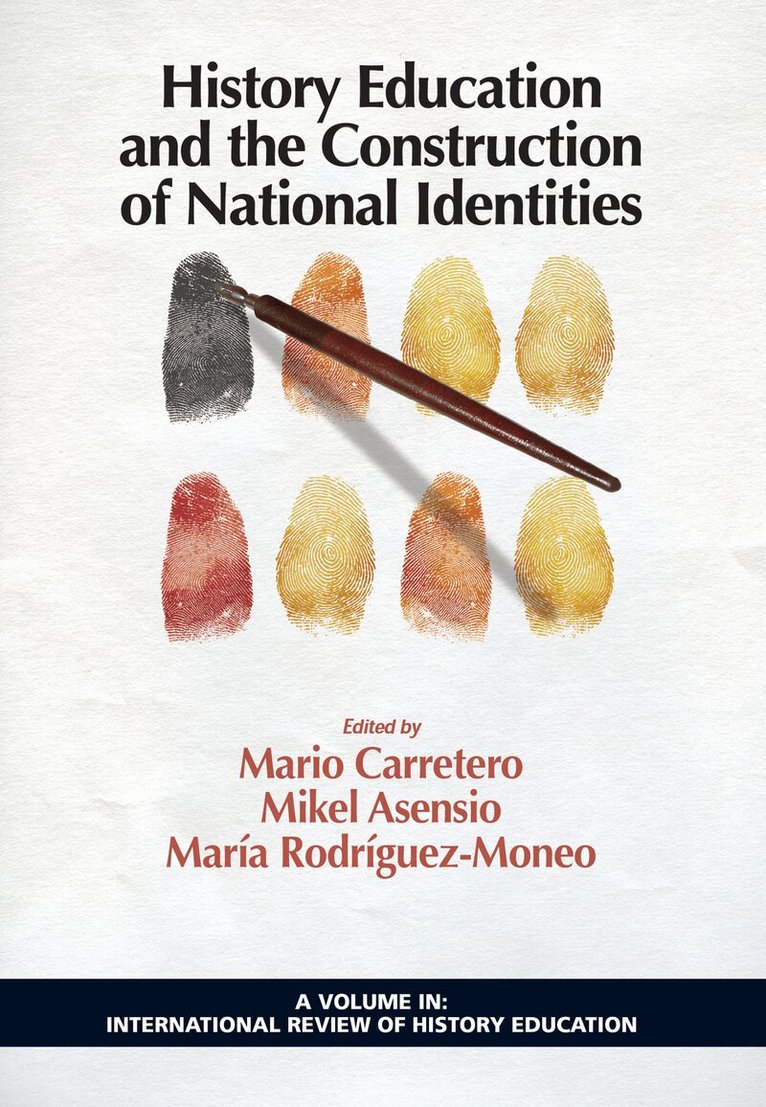
How is history represented? As just a record of the past, as a part of a present identity or as future goals? This book explores how historical contents and narratives are presented in school textbooks and other cultural productions (museums, monuments, etc) and also how they are understood by students, in the context of increasing globalization. In these contemporary conditions, the relation between history learning processes, in and out of school, and the construction of national identities presents an ever more important topic. It is being studied by looking at the appropriation of historical narratives, which are frequently based on the official history of a nation state. Most of the chapters in this volume are educational studies about how the learning of history takes place in school settings of different countries such as Canada, France, Germany, Latin America, Spain, the Netherlands, the United Kingdom and the United States. Covering such a broad sample of cultural and national contexts, they provide a rich reflection on history as a subject related to patriotism, cosmopolitanism, both or neither.
1 127 kr
Skickas inom 7-10 vardagar
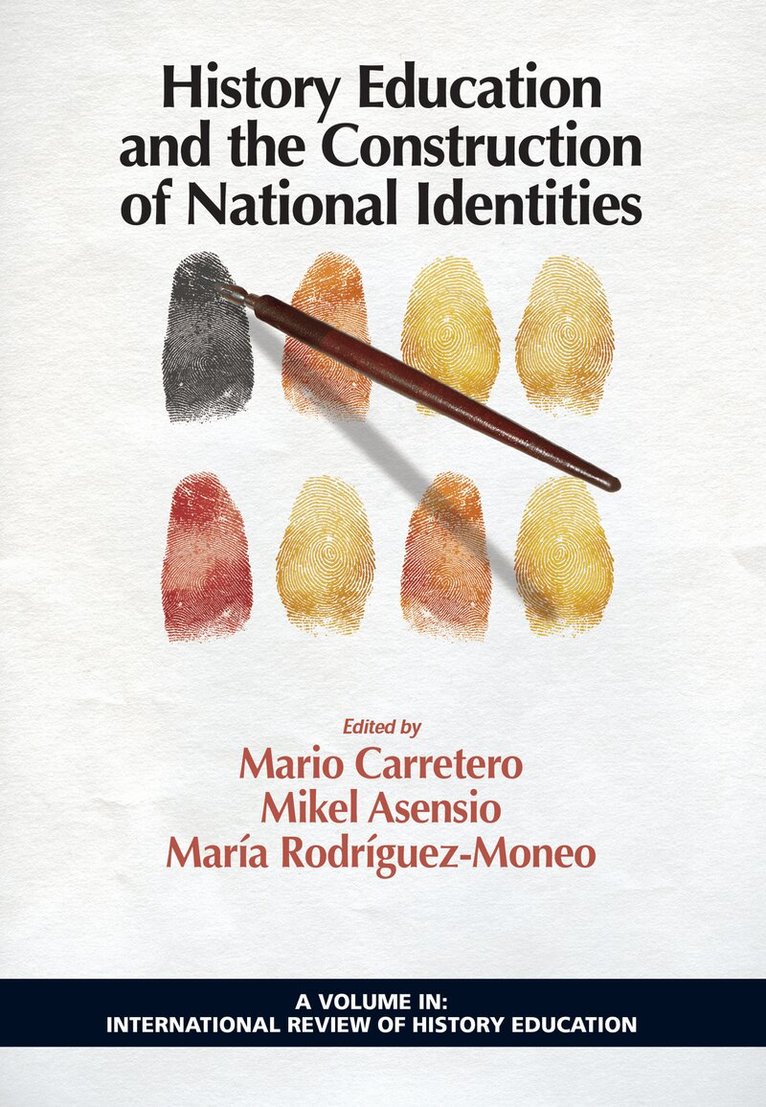
How is history represented? As just a record of the past, as a part of a present identity or as future goals? This book explores how historical contents and narratives are presented in school textbooks and other cultural productions (museums, monuments, etc) and also how they are understood by students, in the context of increasing globalization. In these contemporary conditions, the relation between history learning processes, in and out of school, and the construction of national identities presents an ever more important topic. It is being studied by looking at the appropriation of historical narratives, which are frequently based on the official history of a nation state. Most of the chapters in this volume are educational studies about how the learning of history takes place in school settings of different countries such as Canada, France, Germany, Latin America, Spain, the Netherlands, the United Kingdom and the United States. Covering such a broad sample of cultural and national contexts, they provide a rich reflection on history as a subject related to patriotism, cosmopolitanism, both or neither.
Colonial Past in History Textbooks - Historical and Social Psychological Perspectives
Häftad, Engelska, 2018
600 kr
Skickas inom 7-10 vardagar
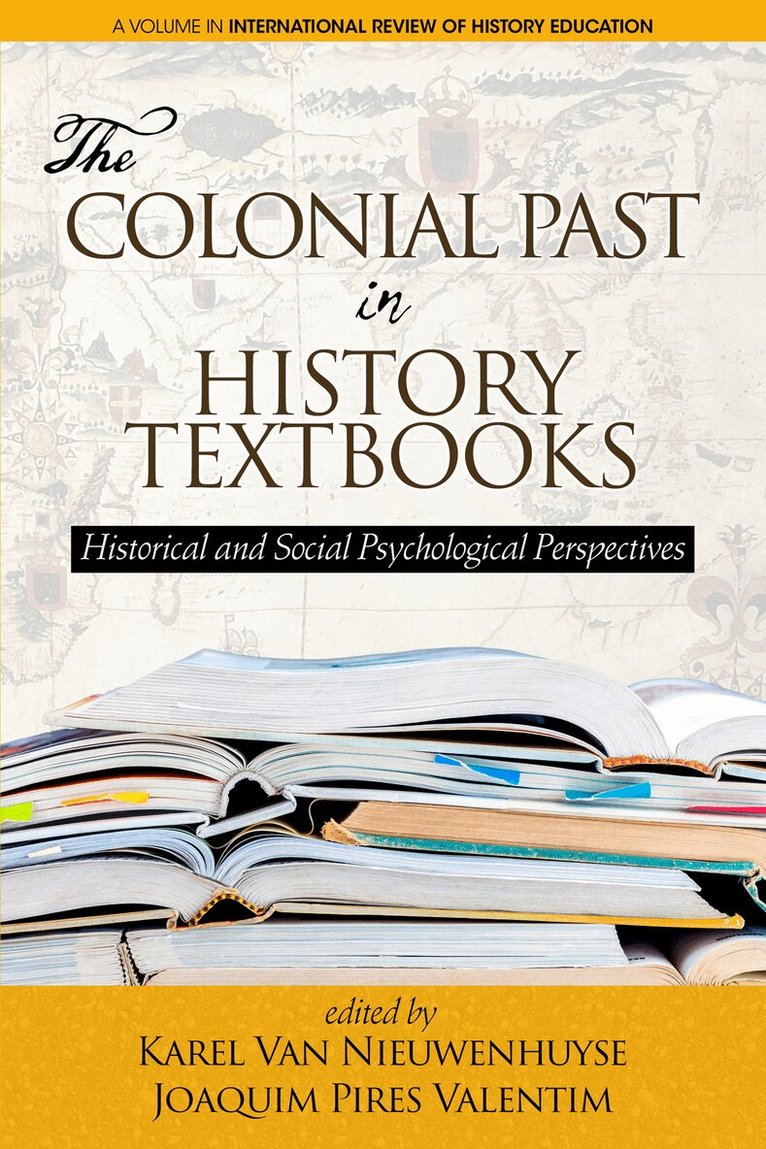
This book examines the evolving representations of the colonial past from the mid-19th century up to decolonization in the 1960s and 70s - the so-called era of Modern Imperialism – in post-war history textbooks from across the world. The aim of the book is to examine the evolving outlook of colonial representations in history education and the underpinning explanations for the specific outlook in different – former colonizer and colonized – countries (to be found in collective memory, popular historical culture, social representations, identity-building processes, and the state of historical knowledge within academia). The approach of the book is novel and innovative in different ways. First of all, given the complexity of the research, an original interdisciplinary approach has been implemented, which brings together historians, history educators and social psychologists to examine representations of colonialism in history education in different countries around the world while drawing on different theoretical frameworks. Secondly, given the interest in the interplay between collective memory, popular historical culture, social representations, and the state of historical knowledge within academia, a diachronic approach is implemented, examining the evolving representations of the colonial past, and connecting them to developments within society at large and academia. This will allow for a deeper understanding of the processes under examination. Thirdly, studies from various corners of the world are included in the book. More specifically, the project includes research from three categories of countries: former colonizer countries – including England, Spain, Italy, France, Portugal and Belgium –, countries having been both colonized and colonizer – Chile – and former colonized countries, including Zimbabwe, Malta and Mozambique. This selection allows pairing up the countries under review as former colonizing-colonized ones (for instance Portugal-Mozambique, United Kingdom-Malta), allowing for an in-depth comparison between the countries involved. Before reaching the research core, three introductory chapters outline three general issues. The book starts with addressing the different approaches and epistemological underpinnings history and social psychology as academic disciplines hold. In a second chapter, evolutions within international academic colonial historiography are analyzed, with a special focus on the recent development of New Imperial History. A third chapter analyses history textbooks as cultural tools and political means of transmitting historical knowledge and representations across generations. The next ten chapters form the core of the book, in which evolving representations of colonial history (from mid-19th century until decolonization in the 1960s and 1970s) are examined, explained and reflected upon, for the above mentioned countries. This is done through a history textbook analysis in a diachronic perspective. For some countries the analysis dates back to textbooks published after the Second World War; for other countries the focus will be more limited in time. The research presented is done by historians and history educators, as well as by social psychologists. In a concluding chapter, an overall overview is presented, in which similarities and differences throughout the case studies are identified, interpreted and reflected upon.
Colonial Past in History Textbooks - Historical and Social Psychological Perspectives
Inbunden, Engelska, 2018
1 062 kr
Skickas inom 7-10 vardagar
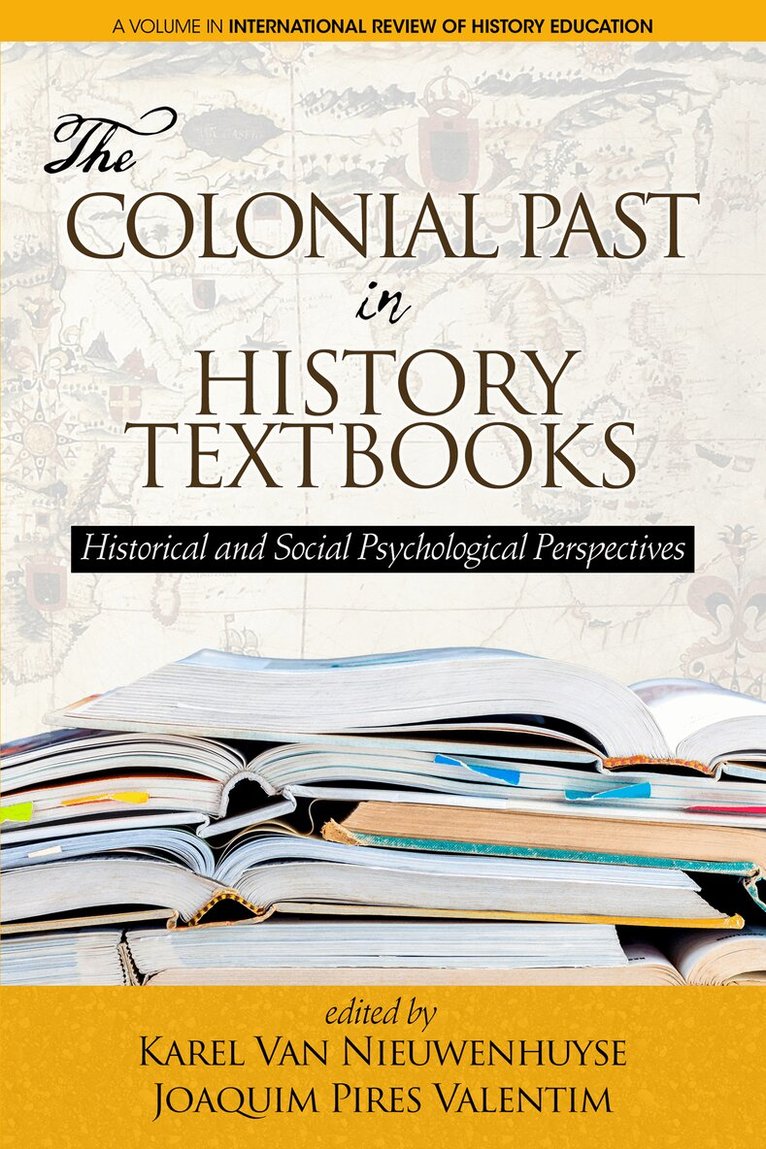
This book examines the evolving representations of the colonial past from the mid-19th century up to decolonization in the 1960s and 70s - the so-called era of Modern Imperialism – in post-war history textbooks from across the world. The aim of the book is to examine the evolving outlook of colonial representations in history education and the underpinning explanations for the specific outlook in different – former colonizer and colonized – countries (to be found in collective memory, popular historical culture, social representations, identity-building processes, and the state of historical knowledge within academia). The approach of the book is novel and innovative in different ways. First of all, given the complexity of the research, an original interdisciplinary approach has been implemented, which brings together historians, history educators and social psychologists to examine representations of colonialism in history education in different countries around the world while drawing on different theoretical frameworks. Secondly, given the interest in the interplay between collective memory, popular historical culture, social representations, and the state of historical knowledge within academia, a diachronic approach is implemented, examining the evolving representations of the colonial past, and connecting them to developments within society at large and academia. This will allow for a deeper understanding of the processes under examination. Thirdly, studies from various corners of the world are included in the book. More specifically, the project includes research from three categories of countries: former colonizer countries – including England, Spain, Italy, France, Portugal and Belgium –, countries having been both colonized and colonizer – Chile – and former colonized countries, including Zimbabwe, Malta and Mozambique. This selection allows pairing up the countries under review as former colonizing-colonized ones (for instance Portugal-Mozambique, United Kingdom-Malta), allowing for an in-depth comparison between the countries involved. Before reaching the research core, three introductory chapters outline three general issues. The book starts with addressing the different approaches and epistemological underpinnings history and social psychology as academic disciplines hold. In a second chapter, evolutions within international academic colonial historiography are analyzed, with a special focus on the recent development of New Imperial History. A third chapter analyses history textbooks as cultural tools and political means of transmitting historical knowledge and representations across generations. The next ten chapters form the core of the book, in which evolving representations of colonial history (from mid-19th century until decolonization in the 1960s and 1970s) are examined, explained and reflected upon, for the above mentioned countries. This is done through a history textbook analysis in a diachronic perspective. For some countries the analysis dates back to textbooks published after the Second World War; for other countries the focus will be more limited in time. The research presented is done by historians and history educators, as well as by social psychologists. In a concluding chapter, an overall overview is presented, in which similarities and differences throughout the case studies are identified, interpreted and reflected upon.
647 kr
Skickas inom 7-10 vardagar
Debates about the identity of school history and about the nature and purpose of the learning that does, can and should take place in history classrooms continue in many countries around the world. At issue, in many of these debates, beyond the concerns about history and national identity, are often unaddressed questions about the role and inter-relationship of historical knowledge and historical understanding in historical learning.Research on historical thinking is on-going and a complex tradition of enquiry has developed across national borders in the last 30 years, focusing, in particular on developing students understanding of historical meta-concepts such as ‘evidence’ and ‘causation’. There has been comparatively little focus, however, on the historical content that students study, on how they study it and on how mastery of historical content contributes to students overall picture of a historical past.This volume gathers together recent research and theorising from around the world on key issues central to historical learning and instruction. What sense do students make of the history that they are taught? Are students able to organise historical knowledge in order to form large scale representations of the past and what difficulties can children face in doing so? What are the relationships that obtain between history as an academic discipline, as practised in universities, and history as a subject taught in schools? What can research tell us about the effects of instructional strategies that aim to help students ‘join up’ what they learn in class into meaningful historical knowledge and understanding?
1 096 kr
Skickas inom 7-10 vardagar
Debates about the identity of school history and about the nature and purpose of the learning that does, can and should take place in history classrooms continue in many countries around the world. At issue, in many of these debates, beyond the concerns about history and national identity, are often unaddressed questions about the role and inter-relationship of historical knowledge and historical understanding in historical learning.Research on historical thinking is on-going and a complex tradition of enquiry has developed across national borders in the last 30 years, focusing, in particular on developing students understanding of historical meta-concepts such as ‘evidence’ and ‘causation’. There has been comparatively little focus, however, on the historical content that students study, on how they study it and on how mastery of historical content contributes to students overall picture of a historical past.This volume gathers together recent research and theorising from around the world on key issues central to historical learning and instruction. What sense do students make of the history that they are taught? Are students able to organise historical knowledge in order to form large scale representations of the past and what difficulties can children face in doing so? What are the relationships that obtain between history as an academic discipline, as practised in universities, and history as a subject taught in schools? What can research tell us about the effects of instructional strategies that aim to help students ‘join up’ what they learn in class into meaningful historical knowledge and understanding?
647 kr
Skickas inom 7-10 vardagar
Inquiry plays a vital role in history as a discipline which constructs knowledge about the past and it is a vital organizing principle in history education in many countries around the world. Inquiry is also much debated, however, and although it has prominent contemporary advocates around the world, it also has prominent critics in education studies. This volume in the International Review of History Education explores the role of historical inquiry in history curricula and in history classrooms and addresses a series of linked questions, including the following:What does historical inquiry mean in history classrooms? What forms does classroom based historical inquiry take, and to what extent is it understood in differing ways in different contexts? What do we know about the affordances and constraints associated with inquiry-based learning in history –what is the evidence of the effectiveness or ineffectiveness of inquiry based historical learning?We address these questions in the volume by presenting seventeen papers from eight different international contexts exploring historical inquiry that will be of interest both to history teachers, curriculum designers and history education researchers - seven papers from England, three from the US, two from Sweden and one each from Argentina, Australia, Belgium, Canada, and Singapore. The volume adds to our knowledge about teachers’ thinking about inquiry and teachers’ inquiry practices. It adds to our knowledge about the impact and value of inquiry in developing children’s’ historical learning. It also explores the challenges that implementing inquiry can present for history teachers and provides support for implementation and examples of successful practice.
1 096 kr
Skickas inom 7-10 vardagar
Inquiry plays a vital role in history as a discipline which constructs knowledge about the past and it is a vital organizing principle in history education in many countries around the world. Inquiry is also much debated, however, and although it has prominent contemporary advocates around the world, it also has prominent critics in education studies. This volume in the International Review of History Education explores the role of historical inquiry in history curricula and in history classrooms and addresses a series of linked questions, including the following:What does historical inquiry mean in history classrooms? What forms does classroom based historical inquiry take, and to what extent is it understood in differing ways in different contexts? What do we know about the affordances and constraints associated with inquiry-based learning in history –what is the evidence of the effectiveness or ineffectiveness of inquiry based historical learning?We address these questions in the volume by presenting seventeen papers from eight different international contexts exploring historical inquiry that will be of interest both to history teachers, curriculum designers and history education researchers - seven papers from England, three from the US, two from Sweden and one each from Argentina, Australia, Belgium, Canada, and Singapore. The volume adds to our knowledge about teachers’ thinking about inquiry and teachers’ inquiry practices. It adds to our knowledge about the impact and value of inquiry in developing children’s’ historical learning. It also explores the challenges that implementing inquiry can present for history teachers and provides support for implementation and examples of successful practice.