Military Heritage - Böcker
Visar alla böcker i serien Military Heritage. Handla med fri frakt och snabb leverans.
33 produkter
33 produkter
173 kr
Skickas inom 11-20 vardagar
For centuries Farnborough was a small town south-west of London, but today it has transformed into a large, vibrant commercial community, synonymous worldwide with the international air show, which it has hosted since 1949, and the home of military aviation. However, the real origins of Farnborough’s military heritage lie not with aviation but with the arrival of the army in 1856 and the building of a new barrack complex in South Farnborough, called North Camp. The army’s presence was further expanded with the arrival of the Royal Engineers, at South Farnborough, followed by the formation of the Army Air Battalion, and then the army’s Royal Flying Corps. The Royal Flying Corps was eventually replaced by the creation at Farnborough of the Royal Air Force and the Royal Aircraft Establishment was set up. The Royal Engineers also established a camp in North Farnborough and during the war years Farnborough was home to many other units including troops from the Canadian Army. German prisoners of war were engaged in building housing in Farnborough, captured German scientists were brought here and interrogated about their knowledge of aviation and rocket development and captured German planes were flown and frequently crashed at Farnborough. The war years also saw many heroic stories and tragic events unfold as Farnborough was routinely attacked.Farnborough has a fantastic military heritage that includes hospitals, notable burials and a wealth of military buildings and structures as well as a fine and often overlooked collection of military monuments and memorials along with its association with many military personalities.This, then, is the real story of Farnborough’s military heritage.
189 kr
Tillfälligt slut
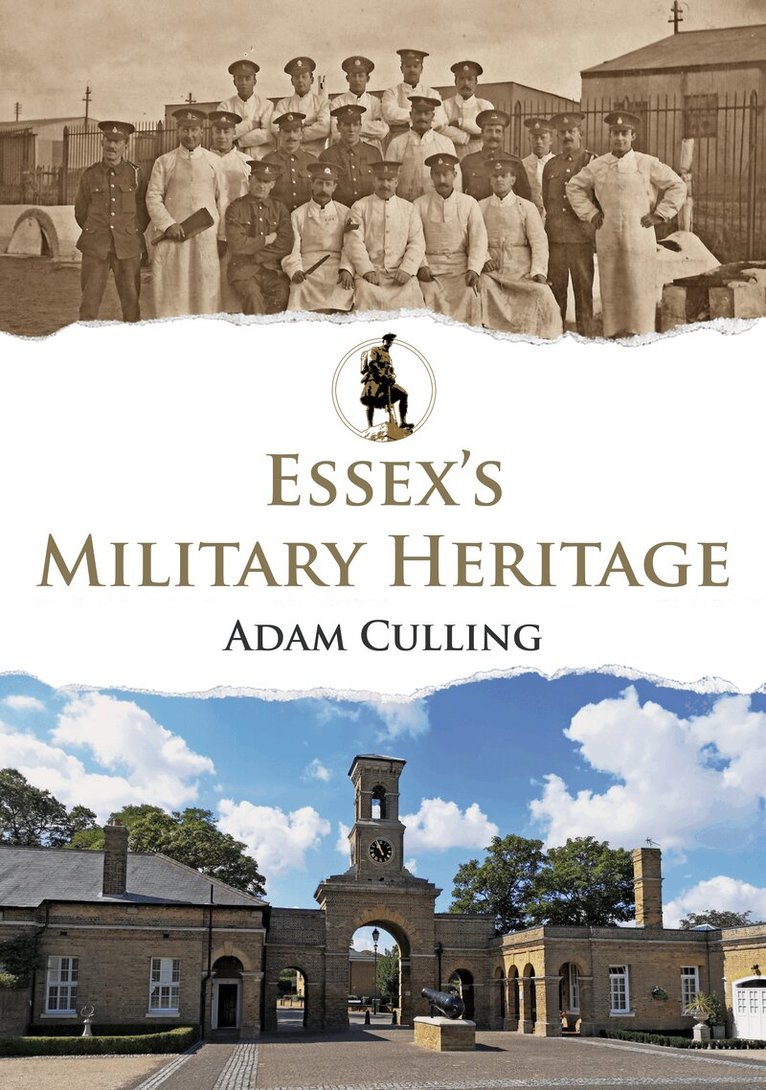
Few counties can rival Essex’s extensive and varied military history. The battles fought in Essex, and by its servicemen and women overseas, have not only shaped the history of the county but have directly influenced the course of British and world history. In Essex’s Military Heritage, Adam Culling explores 2,000 years of the county’s military history, beginning with Boudicca’s attack on Roman Colchester then moving on to frontline battles between the Anglo-Saxons and Viking raiders, medieval and Civil War sieges and beyond.Throughout Essex no better connection to its military past is more present than the physical evidence that remains. Norman castles, Tudor and Victorian forts, coastal and inland defences and the RAF and US Army Air Force airfields from the Second World War are a few reminders of Essex’s military past. From the largest war memorial in the county in Colchester’s Castle Park to commemorative stained-glass windows in village churches, peculiar, intriguing and moving memorials of military sacrifices are ever present throughout Essex.From the Crimean War to the present day, Essex has been the home to many military units. None are more significant than the Essex Regiment who, along with their predecessors, fought bravely in conflicts all around the world. Munitions factories and wartime manufacturing, gallant and distinguished conduct, Zeppelin crash sites, requisitioned stately homes and ‘secret’ nuclear bunkers, this book provides a fascinating insight into the events, people and places that represent Essex’s military heritage.
173 kr
Skickas
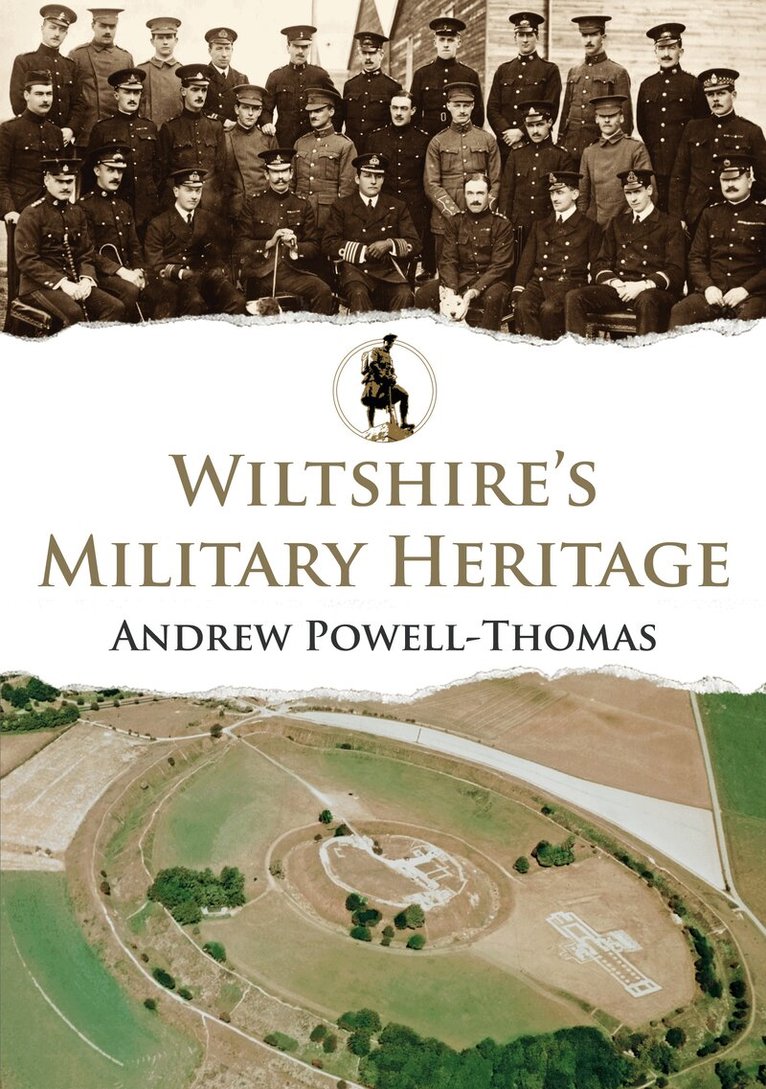
The landlocked county of Wiltshire, characterised by its high downland and wide valleys, has a rich military history that stretches back through the centuries. Evidence of Wiltshire’s military heritage can be seen throughout the county with numerous buildings and other structures still standing today, from ancient hillforts and medieval castles to military bases used in two world wars and the present day, as well as the army’s training area on Salisbury Plain.Wiltshire’s Military Heritage explores the long military history of the county, not only the battles that took place on its soil, including between warring Anglo-Saxon kingdoms and Danish invaders and during the English Civil War, but also the measures that were taken to defend it against possible attack. It also covers the heritage of the military units that were raised in the county and which were sent to fight in conflicts abroad. The Royal Wiltshire Yeomanry was originally raised in 1794 and fought in the Boer War and both world wars, and is part of the Royal Wessex Yeomanry based in Wiltshire today. Wiltshire’s airfields played a significant role in both world wars, including during the Battle of Britain, and in recent years the town of Wootton Bassett became Royal Wootton Bassett because of its role in military funeral repatriations.This book will be of interest to all those who would like to know more about Wiltshire’s remarkable military history.
173 kr
Skickas
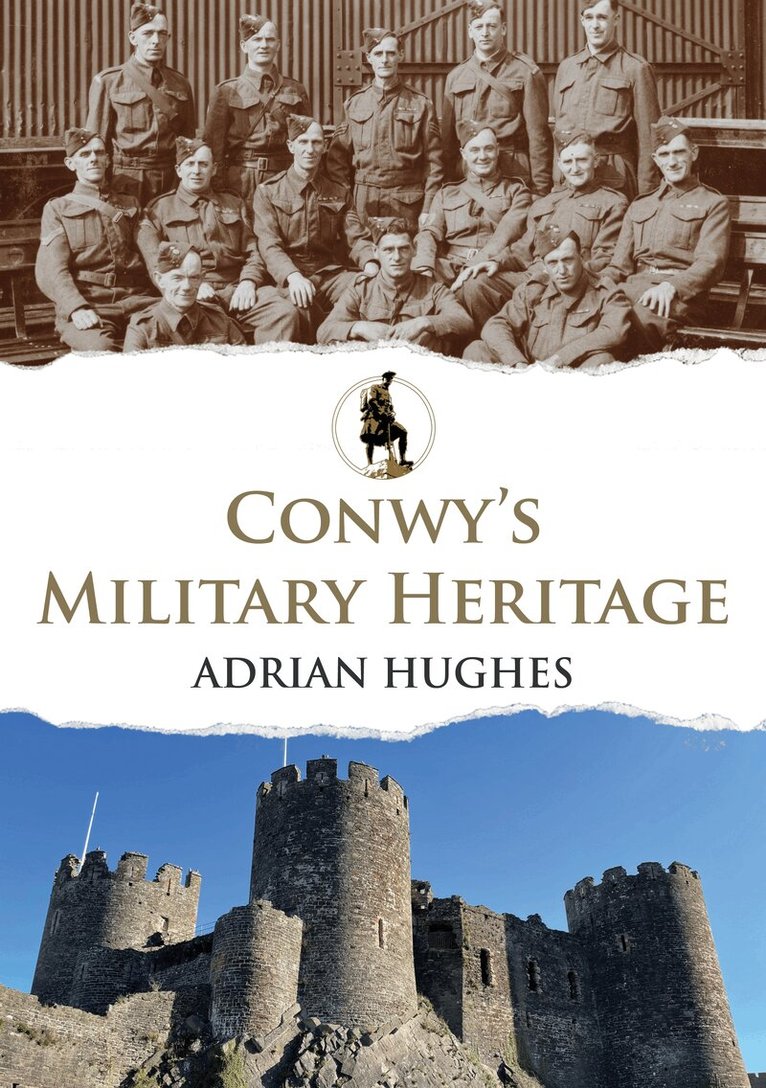
Conwy has been involved in military conflict for over 2,000 years. The Iron Age hill fort of Caer Seion defended the area from the sixth century BC. Many slingshot stones have been discovered here, attesting to troubled times. In 881 the Welsh defeated an Anglo-Saxon army led by Aethelred of Mercia. The most spectacular outcome of Conwy’s strategic military significance at the mouth of the River Conwy was Edward I’s mighty castle, creating a walled town. In 1399 Richard II sought refuge in Conwy Castle against the future Henry IV’s forces and the castle was besieged again during the English Civil War by Parliamentary forces. An army camp was established at Morfa in the nineteenth century, becoming home to the Salford Pals and the Royal Engineers in the First World War and a Polish resettlement camp after the First World War. During the war, the sulphur mine at Caer Coch was the country’s largest producer of sulphur, vital for munitions. Conwy also played a vital role in the Second World War as Mulberry Harbours, crucial for the Normandy landings, were initially designed and then assembled here, and Ratcliffe Engineering built parts for Beaufighter and Halifax aircraft. The town was also a centre of prisoner-of-war camps in the area and despite some accounts of conflict between townsfolk and prisoners, relations were generally harmonious and some ex-prisoners married and settled in the area after the war.This book will be of interest to all those who would like to know more about Conwy’s remarkable military history.
173 kr
Skickas
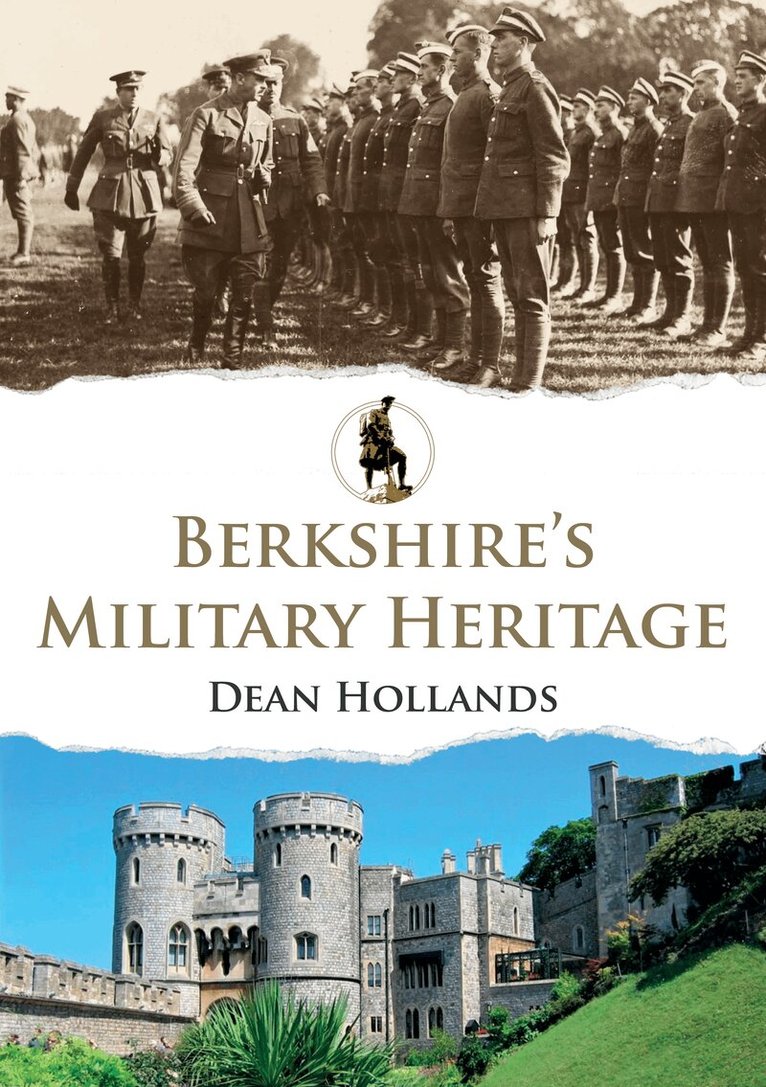
Forged through centuries of armed struggle and foreign domination, aggressive invaders, oppressive monarchs, and rebellious citizens have repeatedly clashed to create Berkshire’s military heritage. A heritage stained with blood spilt during hard-fought sieges, vicious battles, terrible slaughters, and tragic accidents. The oldest remnants of Berkshire’s military heritage date to the Atrebates, an Iron Age people whose impressive hill forts once dominated the county’s skyline, and whose remains are visible today.Windsor Castle, a royal residence, embodies almost a thousand years of military action and is still one of the nation’s top ceremonial attractions. The Royal Military Academy Sandhurst formed on the site of the former Royal Military College is one of the world’s toughest and most revered military training academies in the world. Its graduates include the Sultan of Brunei, Sir Winston Churchill, fascist Sir Oswald Mosley, James Bond author Ian Fleming, sports personalities Fionidi Parker and Heather Stanning, singer James Blunt, Oscar-winning actor David Niven, and Princes William and Harry.Berkshire’s military forces include the Royal Berkshire Regiment’s ‘Biscuit Boys’, who have protected the county and nation at home and abroad since 1881; and the women of the Air Transport Auxiliary service, who were formed and operated out of the county during the Second World War.Military historian and battlefield guide, former soldier Dean Hollands writes passionately about Britain’s military heritage and this book will interest anyone keen to know more about Berkshire’s remarkable military history.
173 kr
Skickas
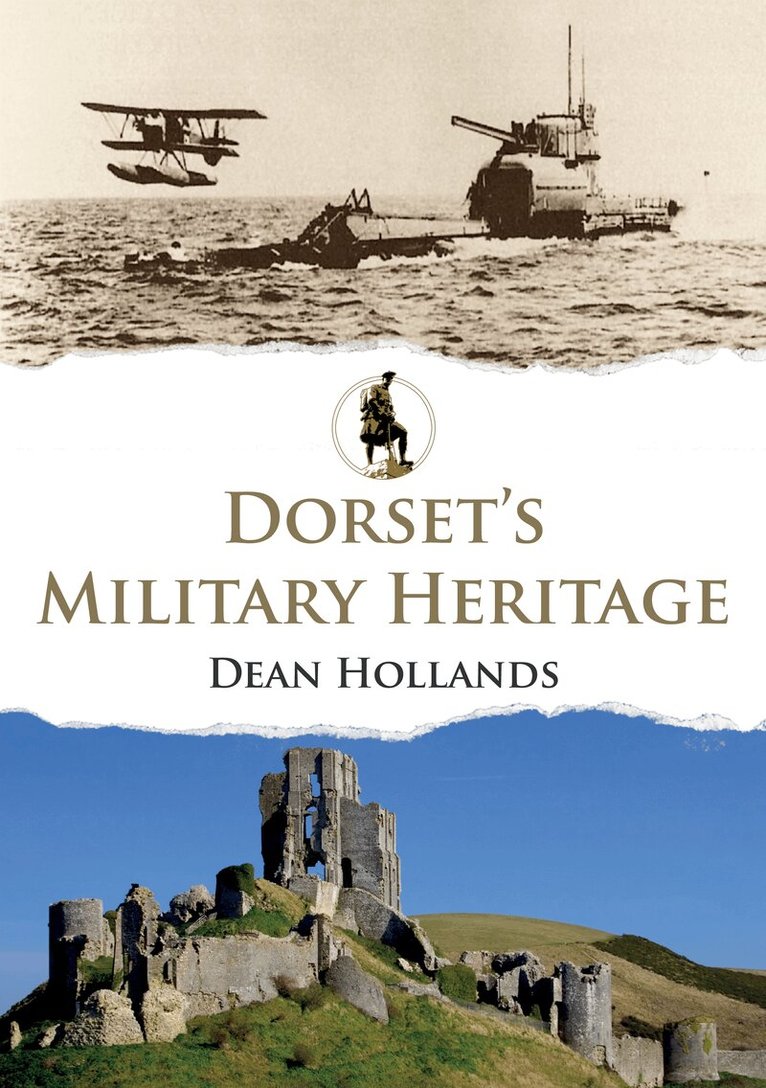
The making of Dorset’s military heritage has been a dramatic, brutal, and often turbulent affair. From the time of the Durotriges tribes and their spectacular Iron Age strongholds, to the more modern sea forts and blast-proof nuclear bunkers of the Cold War, Dorset’s landscape has been shaped by generations of defensive countermeasures.Successive and bloody invasions by Roman, Anglo-Saxon, Viking and Norman forces have paved the way for revolution, civil uprising, insurrection and rebellions that history defines as the Peasants’ Revolt, the Swing and Monmouth Rebellions, the rise of the Dorset Clubmen, the Anarchy and English Civil Wars.In Tudor times the ships of Elizabeth I’s navy dropped anchor in Dorset’s waters before engaging the Spanish Armada off Portland. Men of the local volunteers, militias, yeomanry, and Dorsetshire’s Regiment of Foot have fought bravely and with distinction at home and abroad, from the Peninsular War to South Africa, and through two world wars. The Royal Flying Corps and its successor the Royal Air Force played vital roles in defending the nation, and during the Second World War their presence proved invaluable in the planning and execution of Operation Overlord, the Allied invasion of northern France.Military historian, battlefield guide and former soldier Dean Hollands writes passionately about Britain’s military heritage and this book will interest anyone keen to know more about Dorset’s remarkable military history.
173 kr
Tillfälligt slut
The county of Staffordshire has an impressive military history and heritage that stretches back well over 1,000 years. In this book the authors explore the military heritage of the historical county of Staffordshire, including the heavily populated urban areas of Stoke-on-Trent, Wolverhampton, Walsall and West Bromwich and the more rural parts of the county from its Anglo-Saxon and Viking legacy to the present day. As well as Staffordshire’s historic fortifications, airbases and other military structures, the authors tell the story of Staffordshire’s experiences on the Home Front in the world wars. Its military heritage also encompasses military hospitals, munitions, armaments and aircraft production, as well as the military units and regiments associated with Staffordshire, significant military personalities and awards and the foreign wars its soldiers were involved in through the centuries, as well as the county’s memorials to these conflicts.This book will be of interest to all those who would like to know more about Staffordshire’s remarkable military history.
173 kr
Skickas
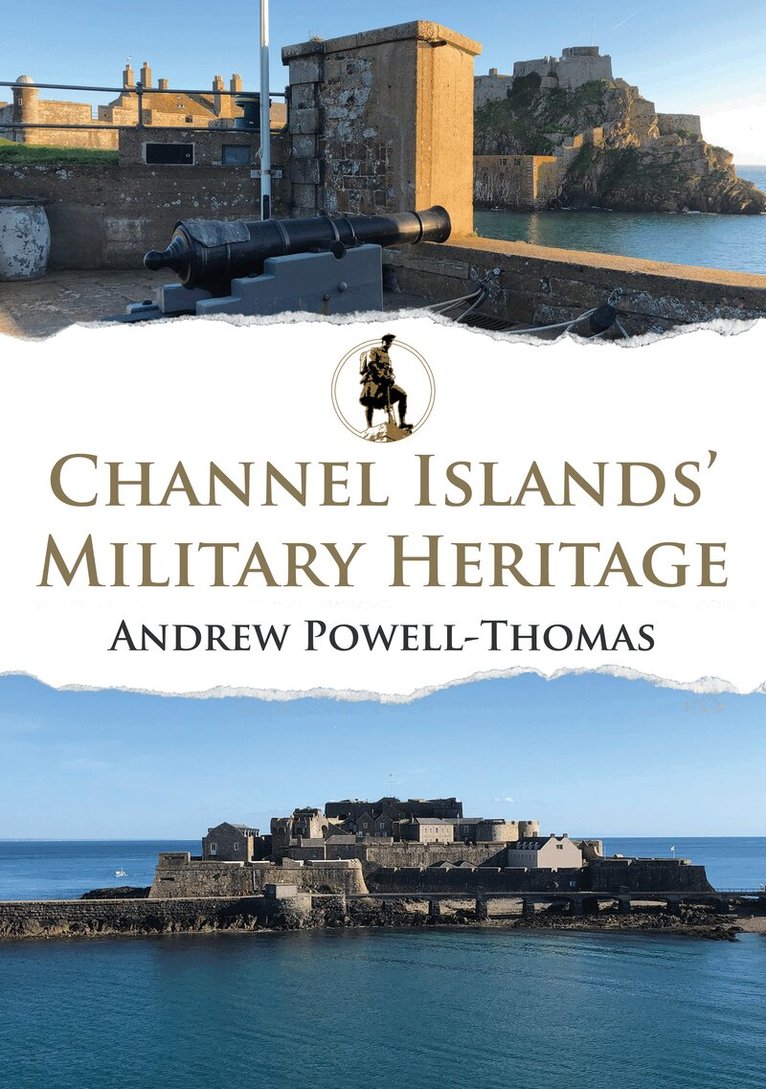
The Channel Islands, self-governing British Crown dependencies lying o the coast of Normandy in France, have a fascinating military heritage. Jersey and Guernsey are the two largest islands, but other inhabited islands include Alderney, Sark and Herm. Open to invaders, including the Vikings, the islands passed to Norman control in the ninth century. Although King John lost all his mainland Normandy possessions, he retained the islands, which became an important strategic stronghold, heavily fortified and often defended by local militias. Defences were strengthened during the threat of invasion of Britain by Napoleon but were occupied by German forces in the Second World War, becoming part of their Atlantic Wall defences.This book will be of interest to all those who would like to know more about the Channel Islands’ remarkable military history.
173 kr
Skickas
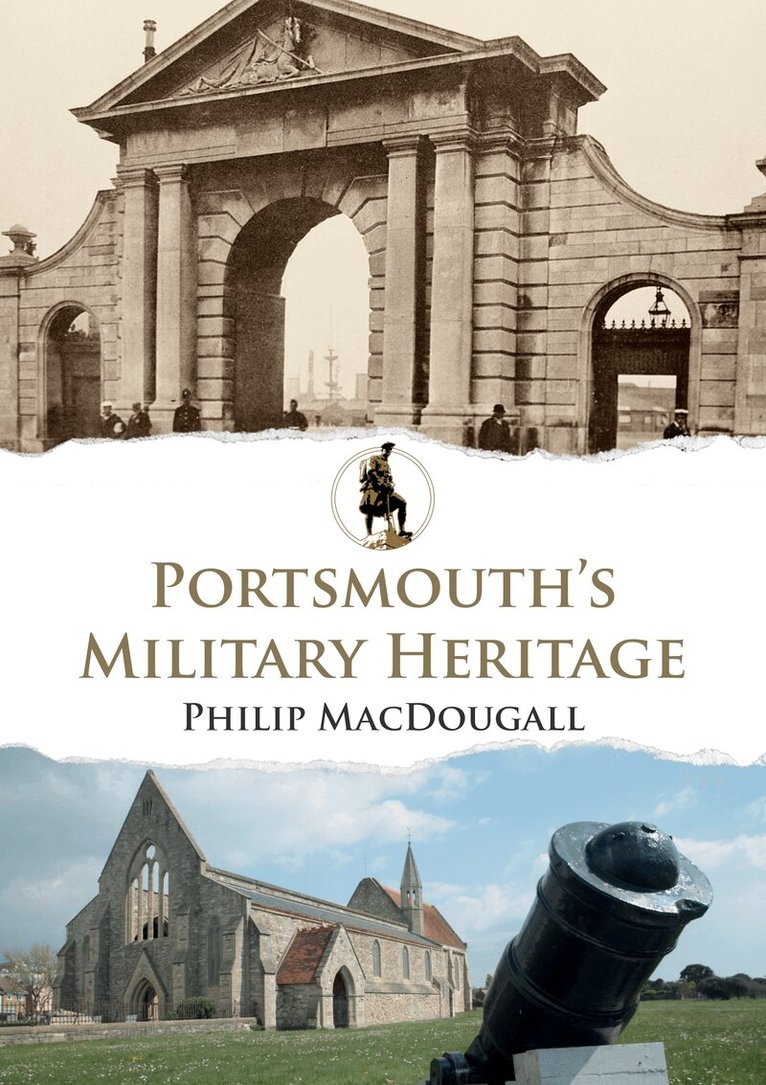
The dockyard at Portsmouth was founded by Henry VII, developing into a naval base that was essentially the nation’s most important military establishment. Here, in times of war, huge fleets were assembled and the harbour that lay alongside the dockyard witnessed the constant arrival and departure of ships engaged in convoy duties, blockading and attacking enemy ports or intercepting hostile seagoing fleets. In turn, it was a potential target for an enemy, for if the dockyard could be destroyed or captured, then the nation’s first line of defence, the Royal Navy, would cease to be effective. Sensitive to such a danger, successive governments built defence structures in and around Portsmouth as well as barracks to house the navy, army and marine personnel. As the firepower of guns increased and the nature of fortifications changed, so did the defences of Portsmouth, with these gradually pushed further and further back so that the forts and gun batteries would always ensure the safety of Portsea Island from either land or sea attack.In the twentieth century the defences were adapted further for the new threat of aerial bombardment or attack by submarine. This book will be of interest to all those who would like to know more about Portsmouth’s remarkable military history.
173 kr
Skickas
The county of Carmarthenshire has an impressive military history and heritage which stretches back into the Iron Age. Following Celtic settlement, this part of south-west Wales witnessed Roman occupation, Viking raids and Norman and English invasion. Remains of fortifications can be seen in Carmarthenshire from Iron Age hill forts and Roman forts to medieval castles and Civil War defences. The Second World War and the Cold War have also left relics. The military heritage also encompasses the county’s sons and daughters who have distinguished themselves militarily, its munitions factories (which were the largest in Wales) and the many memorials to conflicts.This book will be of interest to all those who would like to know more about Carmarthenshire’s remarkable military history.
173 kr
Skickas
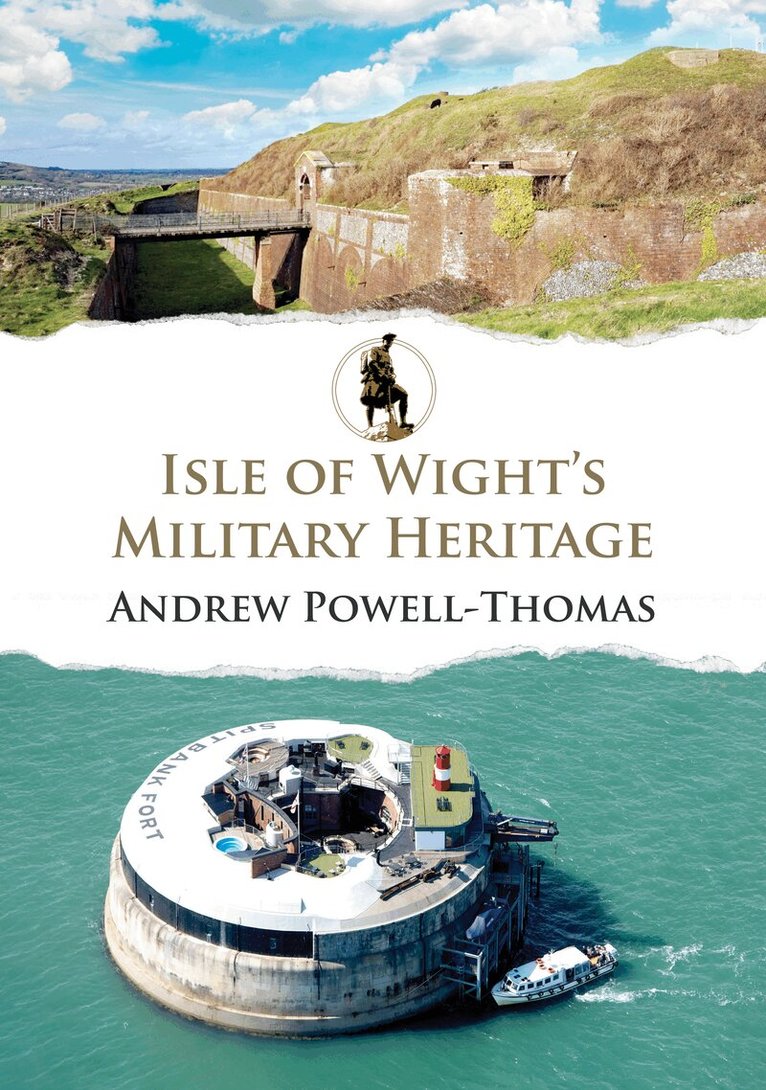
The Isle of Wight has been a popular holiday destination since the Victorian times, with the island known for its mild climate, beautiful scenery and historic connections. It also sits right at the entrance to the important Southampton and Portsmouth docks and because of this, there are a number of impressive castles and fortifications located on the island, including Carisbrooke Castle. Throughout history, the importance of the Isle of Wight has been recognised by invaders, and the island was attacked by the Vikings, the Normans, the French and most recently the Germans during the Second World War. Cowes was the home of Saunders-Roe, the military aircraft and vehicle manufacturer and in the Cold War, the Needles Battery was the testing site for Britain’s Blue Streak nuclear deterrent missile.This book will be of interest to all those who would like to know more about the Isle of Wight’s remarkable military history.
173 kr
Skickas
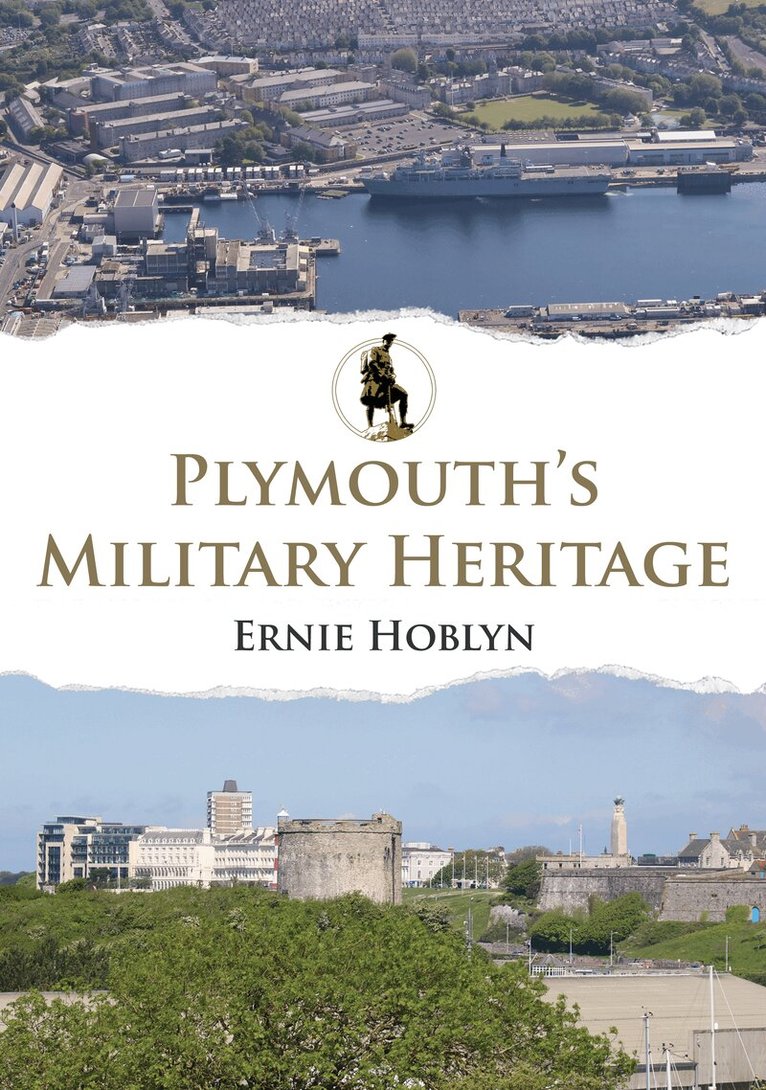
Plymouth’s history has been strongly defined by its position on a natural harbour on England’s south coast. It was a trading port before the Romans arrived, defended by forts on the shoreline and inland. French raiders attacked the town in the Hundred Years’ War and Plymouth Castle was later built to defend the English fleet in Sutton Pool. Drake famously played bowls on Plymouth Hoe awaiting the opportune moment to attack the Spanish Armada and the then town was later under siege during the English Civil War. Naval docks began to be built at Devonport in the seventeenth century, later protected by the Breakwater, and inland a ring of Palmerston forts were constructed. The port was a major embarkation point for British forces in both the First and Second World Wars, including flying boats from Mount Batten, and was heavily targeted by the Luftwaffe with huge destruction of swathes of the city. Although Plymouth is no longer in the front line of war, Devonport is still a major naval dockyard and although many army barracks were demolished post-war, it is still home to the Royal Marines, Royal Artillery and the Royal Navy at HMS Drake and nearby HMS Raleigh.Plymouth’s Military Heritage will be of interest to all those who would like to know more about the city’s remarkable military history.
173 kr
Skickas
Following the Norman Conquest, the manor of Wakefield became a Norman stronghold, with castles being built at Sandal and Wakefield by the Warenne family, earls of Surrey. A crucial battle was fought at Wakefield in the Wars of the Roses in 1460, resulting in the death of Richard, Duke of York. Another battle was fought over Wakefield in the Civil War, when Parliamentarian troops besieged and destroyed Sandal Castle and captured the prosperous port and market town from Royalist defenders. Later centuries saw troops levied in Wakefield to fight Bonnie Prince Charlie and volunteers raised to fight Napoleon. These volunteers served throughout Britain’s foreign conflicts in the nineteenth century, and during the two world wars in the twentieth century. The home front in Wakefield during these conflicts also experienced the wars, and the sites of underground bomb shelters from the Second World War still exist.Wakefield’s Military Heritage delves into this city’s remarkable military history and will be of interest to locals and visitors alike.
173 kr
Skickas
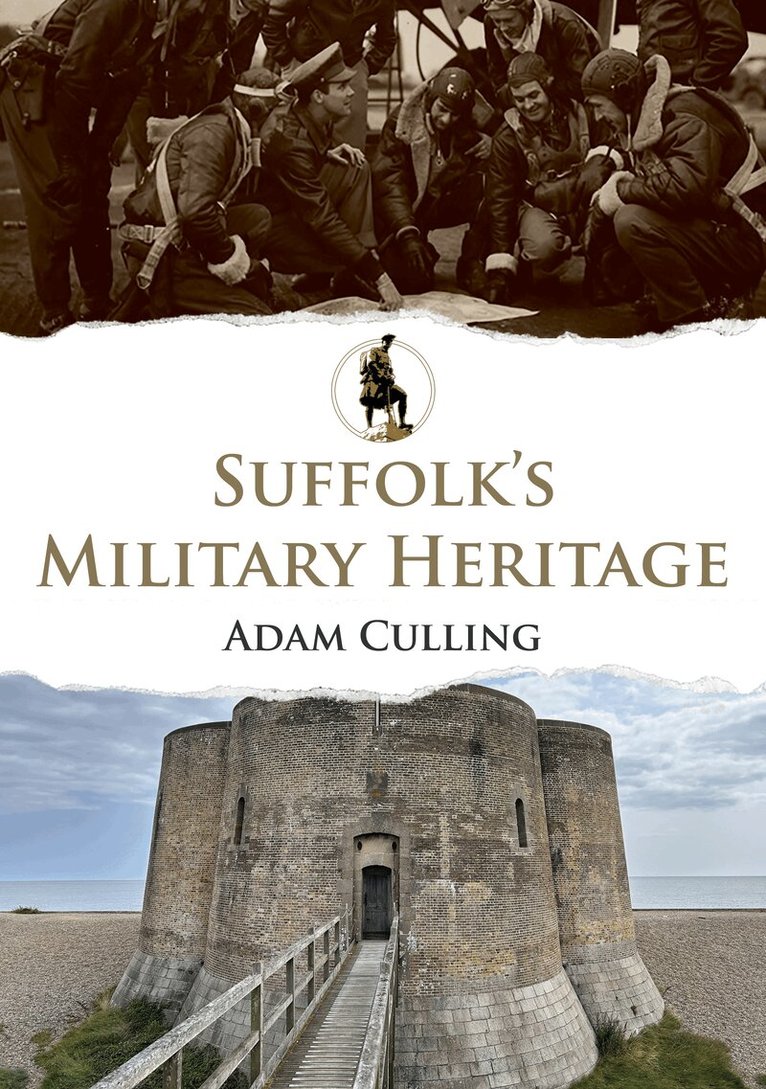
For centuries, Suffolk’s rural and urban landscape has been shaped by conflict; from Celtic tribes and the Roman Empire, Anglo-Saxons and Viking raiders, Norman invaders to local rebellions. Suffolk’s shoreline has defended against Dutch and French invasions, and coastal defences can still be seen today. The county was once again on the front line during the First and Second World Wars, enduring attacks by air while preparing again for assaults by sea. Over the centuries Suffolk also became home to numerous military units: the renowned Suffolk Regiment and is predecessors fought in campaigns all over the world, while members of the US Army Air Force served at airfields scattered across the county during the Second World War. The county has retained physical connections to its military past, from fortifications and buildings to memorials. Weaponry and munitions were designed and manufactured in Suffolk, the county and its inhabitants endured attack from the air, homes were requisitioned, and latterly bunkers built against the threat of nuclear attack.This book provides a fascinating insight into the events, people and places which represent Suffolk’s military heritage. It will be of interest to all those who would like to know more about Suffolk’s remarkable military history.
167 kr
Skickas
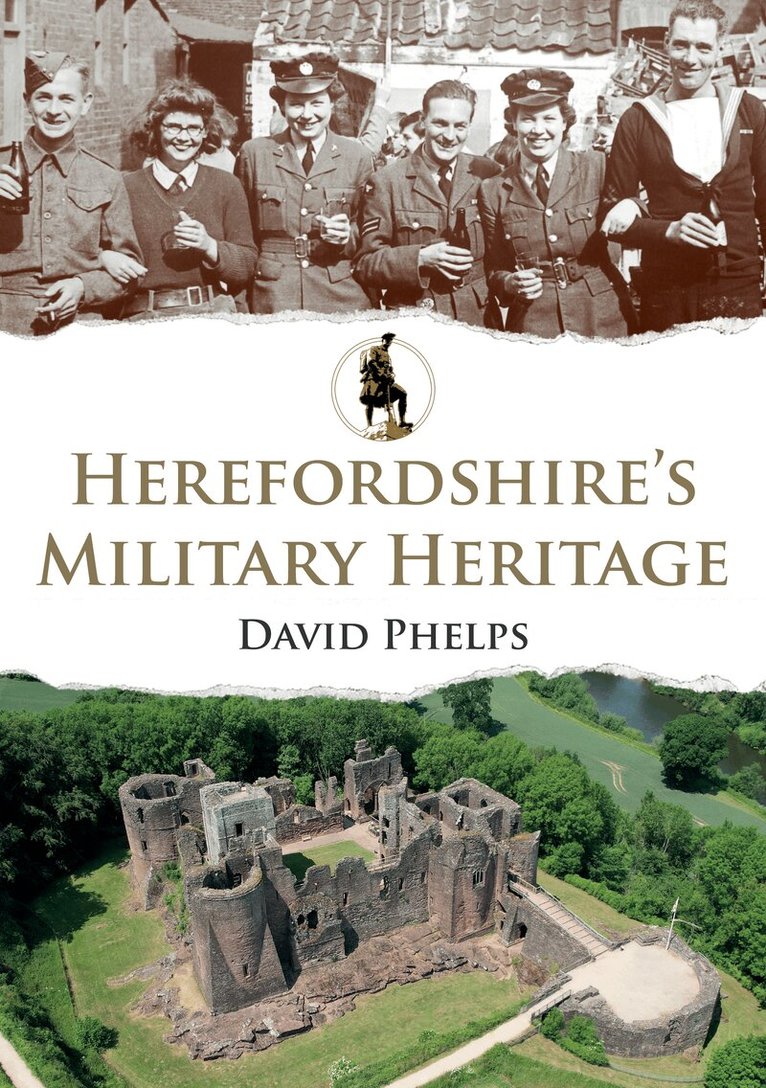
Herefordshire has always been a border region and prone to conflict. During the Iron Age it was the dividing line between the Silures and Dobunni tribes and many hill forts in the area are still visible. The division heightened with the coming of the Romans as the Dobunni accepted Roman rule but the Silures carried out a successful guerilla campaign against the invaders. The arrival of the Saxons pushed the people that came to be called the Welsh back through the county, so that when the Normans took control, they found an unruly land that demanded their full attention and building of border castles by the Marcher Lords. Throughout the medieval period Herefordshire was fought over by the Vikings, Normans and the Welsh, culminating in the rebellion of Owain Glyndŵr. Civil wars also played out among the green fields of Herefordshire, from the Anarchy of the twelfth century to the Wars of the Roses of the fifteenth century and the Civil War of the seventeenth century. Later, Herefordshire supplied many men for Britain’s armed forces in its county regiments, not least in the world wars of the twentieth century, and the county is a fitting home for the Special Air Service, the most feared unit in the British Army.This book will be of interest to all those who would like to know more about Herefordshire’s remarkable military history.
167 kr
Kommande
The county of Pembrokeshire has a long military history and its heritage stretches back into the late Bronze Age. Even today ancient hillforts and coastal defences can be discerned in the landscape. Norman settlement in Pembrokeshire and Welsh resistance created monumental castles which are still prominent in the landscape, including Pembroke, Carew and Manorbier, and later the strategically important harbours on the coastline such as Milford Haven, Fishguard and Pembroke Dock were further fortified. During the First and Second World Wars, Pembrokeshire played an important role in the aerial war, with what became the world’s largest military flying boat station during the Battle for the Atlantic and numerous airfields inland, some continuing into the Cold War. With numerous memorials, a military cemetery and a roll call of gallant Pembrokeshire men and women through the centuries, this book will be of interest to all those who would like to know more about Pembrokeshire’s remarkable military history.
173 kr
Kommande
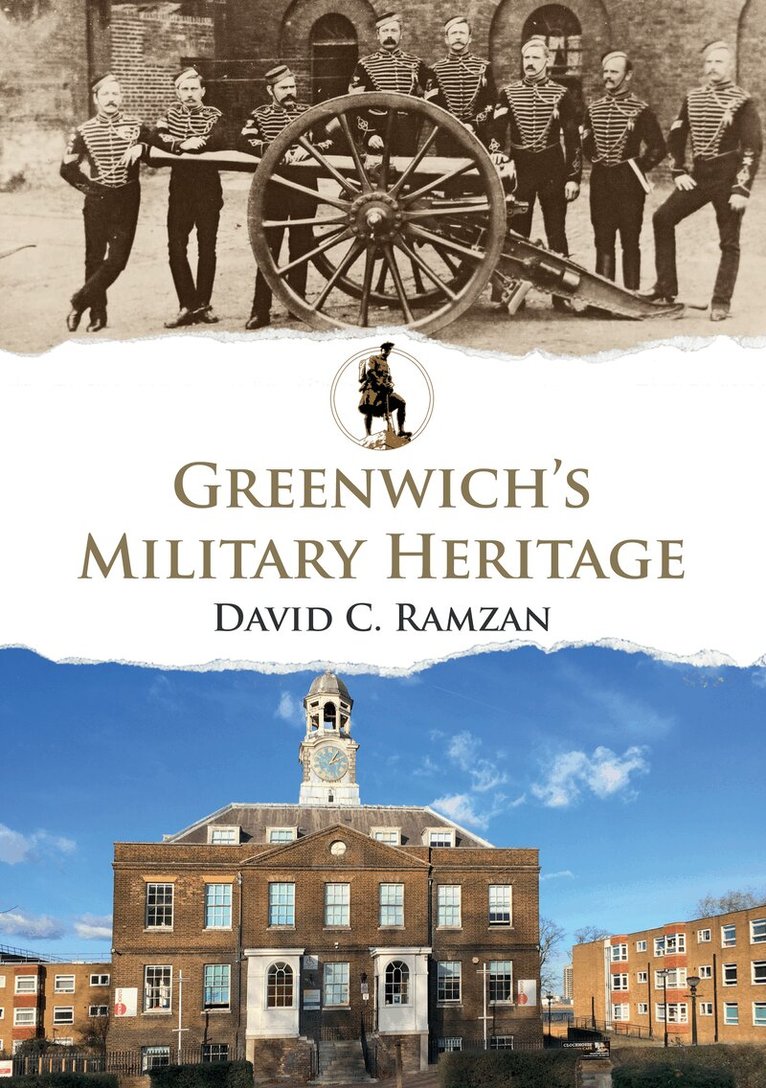
Once a small village on the south bank of the River Thames, Greenwich, for over a period of over a thousand years, has had a long association with all three of Britain’s military services, the navy, army and air force. As Greenwich grew, it encompassed the townships of nearby Deptford, Woolwich, Blackheath, Kidbrooke and Eltham, becoming a London borough in 1965. Greenwich Palace was home to the Royal Naval College and the Royal Dockyards of Deptford and Woolwich built vessels for the Royal Navy, with armaments factories and army training establishments also in Woolwich. In the First World War the Royal Flying Corps opened a station in Kidbrooke which remained an RAF station until 1965. Although Britain’s armed forces have moved out of many of these locations today, the heritage remains and maritime Greenwich has been recognised as a World Heritage Site.This book will be of interest to all those who would like to know more about Greenwich’s remarkable military history.
162 kr
Tillfälligt slut
Mention of this Derbyshire market town’s name invariably conjures up an image of an iconic landmark: the crooked church steeple. However, it also speaks of a military heritage built up over two millenia. The word chester itself is derived from the ancient Roman fort or castrum – military garrisons that peppered the English countryside during Roman Britain.In 1266, at the Battle of Chesterfield, royal forces quashed a rebellion of local barons. Come the English Civil War 400 years later, anti-Royalist sentiment was again evident. Chesterfield deployed militia, together with a ‘company of foot’ from Derby, to defend the town from the king’s forces.In the nineteenth and twentieth centuries, global conflicts attracted volunteers from throughout the Borough of Chesterfield. Egypt, South Africa and the Western Front became household names. In the Second World War, Chesterfield’s citizens, serving with battalions of the Sherwood Foresters, saw action in theatres across the world. So also came tales of acts of courage and bravery: names like Fred Greaves, Bernard Vann and Victor Robinson, alongside many others.
173 kr
Skickas
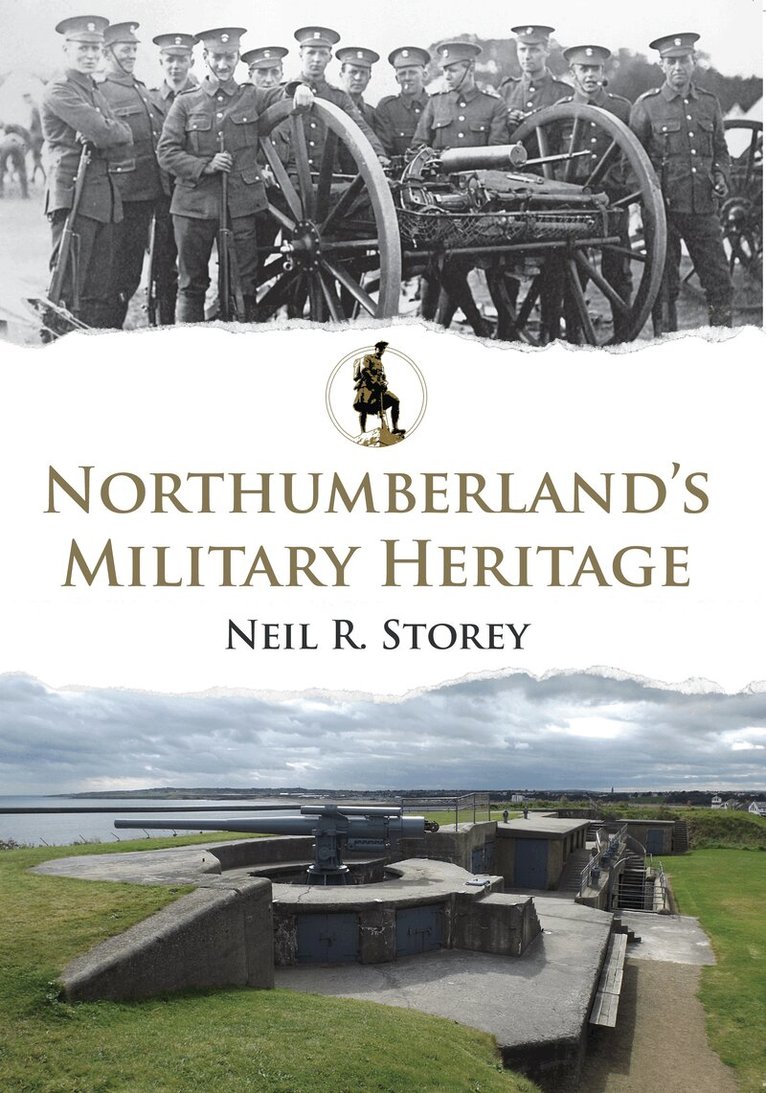
The military heritage of Northumberland is without doubt one of the richest in all the British Isles. By nature of it being England’s most northern county, its borders have seen many bloody clashes and battles since the earliest times. Hadrian’s Wall stretches along the south of the county and is dotted with forts, garrisons and fortified settlements along its length. The first Viking raid was carried out upon Lindisfarne in 793. There were clashes with the Scots for centuries and from the thirteenth century and for 400 years afterwards there were border raids by reivers. The Battle of Newburn in 1640 was one of the flashpoints that led to the English Civil War, and many a noble Northumberland family was ruined in the Jacobite Rebellion of 1745.It is hardly surprising that within the boundaries of the county there can be found more castles than anywhere else in Britain and, as a breed of fighting men, the steel of the Northumbrians is like no other. The men of the North were the backbone of the British Army; a number of regiments have recruited here, including the Coldstream Guards, King’s Own Scottish Borderers and, of course, our very own Northumberland Fusiliers, ‘The Fighting Fifth’. They all served with distinction wherever they fought – from the Peninsular War to South Africa, through two world wars, and beyond.Award-winning military historian Neil R. Storey knows and loves Northumberland and this book will interest anyone keen to know more about its remarkable military history.
163 kr
Skickas inom 11-20 vardagar
Chatham has a rich military heritage dating back to the Roman occupation. Remains of a Roman military building on the high ground above the town were discovered in 1779. Following the Battle of Aylesford in AD 455, this same strategic high ground was occupied by one of the victorious Jutish warlike tribes, the Ceatta from which the town takes its name.In Chatham’s Military Heritage local military historian Clive Holden focuses on Chatham’s most active military period from the founding of the Royal Dockyard in the mid-sixteenth century to the Royal Navy’s withdrawal in 1984 and the subsequent run-down of its other military facilities since then. It covers Chatham’s activities in both world wars, the Cold War and earlier conflicts with the Dutch and French. As well as the wars, the book details the development of the dockyard, the area’s various barracks, buildings, forts and fortifications and the social and environmental effects they had on the locality, together with some of the major military personalities connected with the town.
173 kr
Skickas inom 11-20 vardagar
The serene and tranquil countryside of Somerset is an unlikely setting for a rich military history that stretches back thousands of years. Somerset has it all, from Iron Age hill forts to castles constructed in the aftermath of the Norman Conquest of England in the eleventh century; from the site of the last battle fought on English soil between the royal army of James II and the rebel army of James Scott to noteworthy military figures like Sir Robert Blake; and from the memorials and memories of the First World War to the vast range of buildings and structures constructed during the Second World War. This book looks at the role and locations of the many features, buildings and structures that still stand proud today.
163 kr
Tillfälligt slut
The picturesque county of Shropshire, one of the country’s least populated areas, has a fascinating military history. It was here that the Battle of Shrewsbury took place in 1403, the first battle in which English archers were pitted against each other on English soil. The battle was celebrated by Shakespeare in Henry IV, Part I. The county was a central part of the Welsh Marches during the medieval period and was often embroiled in the power struggles between powerful Marcher Lords, the Earls of March and successive monarchs. Shropshire is home to many castles, built to defend against the Welsh and enable effective control of the region.From the mid-eighteenth century, Shropshire’s military heritage has been linked to two regular regiments of the British Army: the 53rd and the 85th Regiments of Foot. They came together in the late 1880s to form the King’s Shropshire Light Infantry (KSLI), the county’s own regiment. Soldiers of the KSLI, together with the volunteer Shropshire Yeomanry, served with great distinction in the two world wars. In this book author John Shipley peels back the ravages of time as he explores the military heritage of this historic county.
173 kr
Skickas inom 11-20 vardagar
Hampshire’s position on the south coast of England has meant that it has played a key role in this country’s military history for centuries. Its military heritage is as diverse as any other county in Britain. In this book author Dean Hollands focuses on the significant people, places and events associated with the military history of Hampshire, from the early invaders and occupiers of Iron Age and Roman Britain to the present day. Iron Age hill forts on the chalk uplands of Hampshire can be seen, and the Roman fort at Portchester is the best preserved in northern Europe. These fortifications continued through the Norman Conquest, Henry VIII’s castles, Napoleonic era defences and into the two world wars. Southampton and Portsmouth experienced waves of invaders over the centuries, but were also the home of the Navy and the departure point for British military expeditions overseas, not least for D-Day in the Second World War. Aldershot is famous as the home of the British Army and Farnborough’s air show has demonstrated its importance as the centre of British military aviation research since the 1940s.Hampshire’s Military Heritage looks at the military history of this county on land, by air and at sea. All those wishing to know more about the military legacy of Hampshire will find this book fascinating.
157 kr
Skickas inom 11-20 vardagar
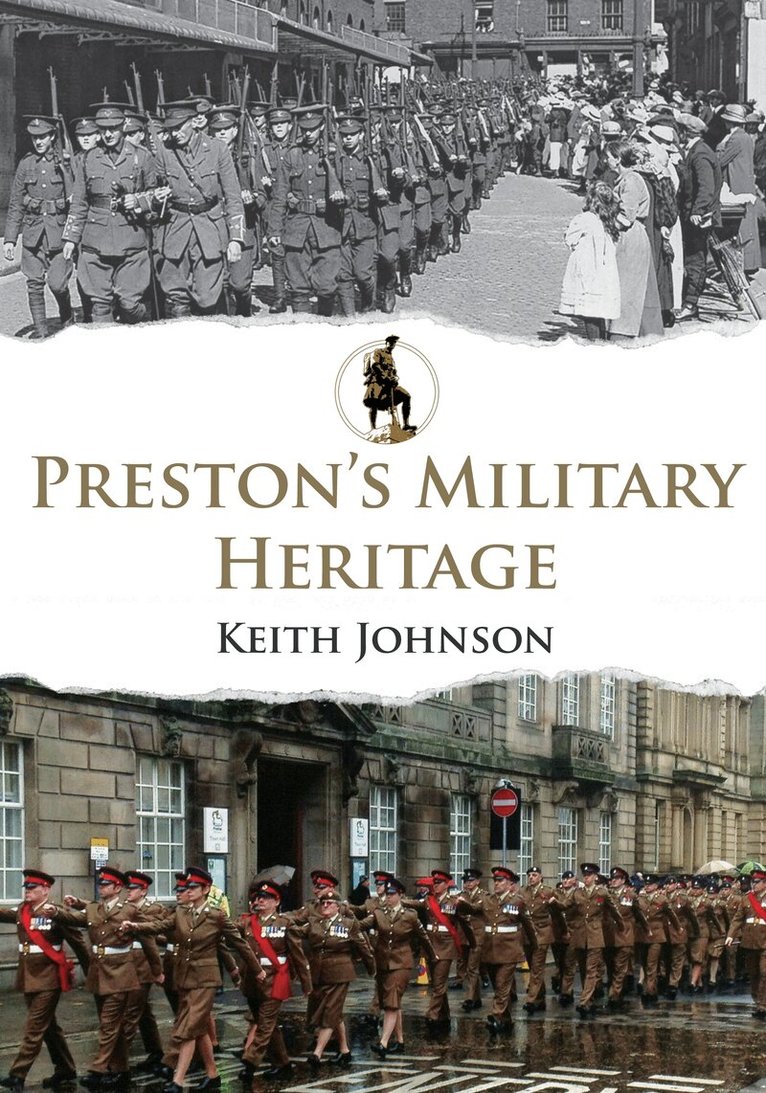
With its strategically important location on the banks of the River Ribble, Preston is no stranger to wars and warfare. Conquering Roman legions passed this way, Robert the Bruce made devastating raids here, militia troops were recruited for Queen Mary, Cavaliers and Roundheads crossed swords, and the Riot Act was read at Preston, leading to bloodshed and bitterness. The barracks on Fulwood Moor became a place for legendary regiments and battalions to prepare for war. Heroes of the Crimea, the Boer War, international conflicts and both world wars emerged from Preston. Weapons for worldwide warfare have been produced here too – be they tanks or trucks, bombs or jet fighters – and industry has developed accordingly. Ships laden with sailors, troops and precious cargo have docked here, and the city’s railway station has bade farewell to many soldiers and sailors en route to war. Local author Keith Johnson shows that Preston’s proud military heritage lives on through its historic sites, personalities, monuments and memorials.
173 kr
Skickas
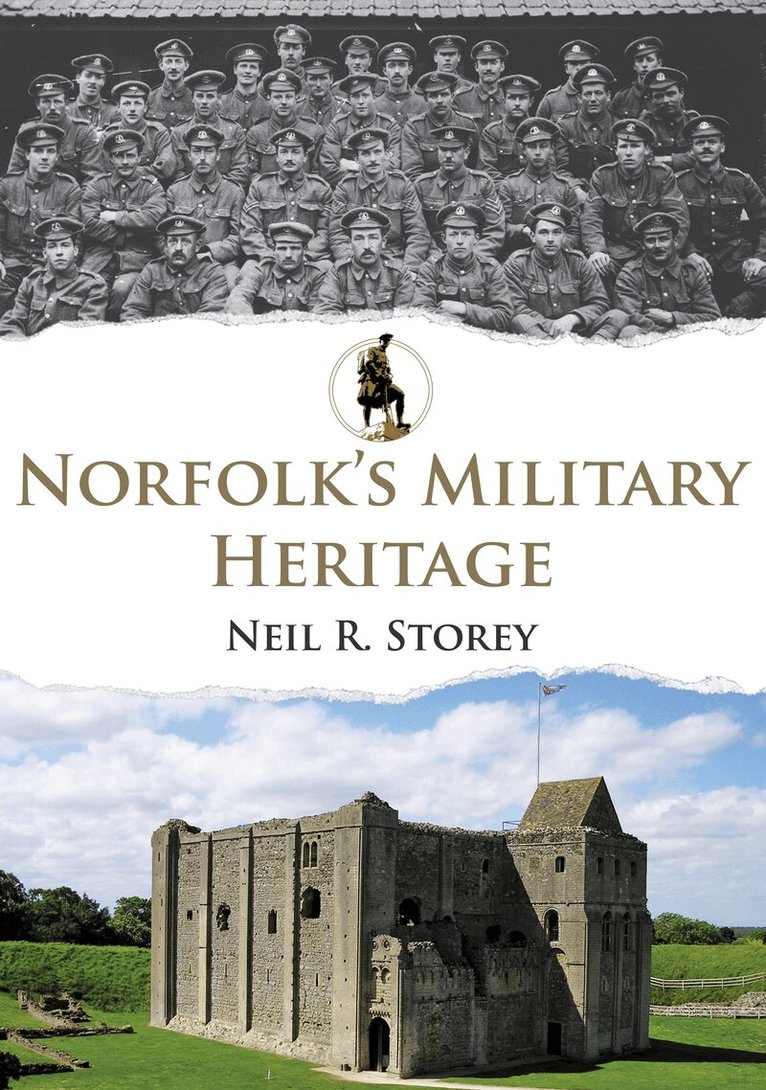
Norfolk’s military heritage dates back to the earliest times, from Iron Age forts, Iceni strongholds and Boudica’s rebellion against Roman occupation to its front-line role with coastal defences and numerous airbases during the Second World War. The Romans left their mark with fortifications, garrisons and shore forts. The county was shaped by Anglo-Saxon and Viking invasions and the Normans, whose castles still stand dominant in the county.Norfolk was the scene of uprisings and rebellions, including the Peasants’ Revolt, Kett’s Rebellion and Civil War conflicts. The men of the county led and filled the ranks of the local volunteers, militias and yeomanry during the Napoleonic Wars and was famed for its great maritime commander of the day – Admiral Lord Nelson. The county played a vital part in both world wars, not least suffering direct attacks by German battleships, Zeppelin air raids during the First World War and becoming a target during the Baedeker Blitz in 1942. The Royal Norfolk Regiment has a proud history, serving with distinction wherever they fought – from the Peninsular War to South Africa, through two world wars and beyond.Award-winning historian Neil R. Storey is a born-and-bred Norfolk man. He has published on military and social history themes for thirty years and knows and loves his county well. Norfolk’s Military Heritage will interest anyone keen to know more about the county’s remarkable military history.
163 kr
Skickas inom 11-20 vardagar
Liverpool was founded by King John in 1207 as a military base on the River Mersey. From his new town the king planned to invade Ireland, Scotland, Wales, and the Isle of Man. Heavily fortified, and defended by a great castle and a formidable tower, Liverpool was besieged and changed hands three times during the English Civil War. Volunteer troops from the town later helped defend the region against the Jacobite Rebellions of 1715 and 1745, and was then the scene of grisly executions of Scots rebels.In the eighteenth and nineteenth centuries Liverpool developed into one of the most significant ports in the British Empire. Defences were built to fend off attacks during the American Revolutionary War and the Napoleonic Wars. Liverpool also secretly built ships for the Confederate Navy during the American Civil War, the last acts of which were the surrender of an American warship on the Mersey and of its commander in Liverpool Town Hall.The Kings Liverpool Regiment was one of a number of local volunteer forces that were core to the culture and economy, particularly of working-class Liverpool. In the First World War many local young men joined the famous ‘Liverpool Pals’ regiments and the Territorials. In the Second World War Liverpool played a crucial role in the Battle of the Atlantic, which was directed and won in secret bunkers under the city centre. These still exist and are open to the public - telling the story of how Liverpool defended the North Atlantic convoys that kept the country alive during the war.The most heavily bombed city in Britain outside London, Liverpool was devastated by the end of the conflict, but has now rebuilt itself and reclaimed its role as a world-class city. However, Liverpool still sends its sons and daughters to military and naval service around the world, in defence and on behalf of Great Britain. Join local author Ken Pye as he guides the reader through the military history of this remarkable city.
163 kr
Tillfälligt slut
When the Romans invaded Scotland they constructed a fort in Cramond, a suburb of modern Edinburgh, near their frontier, the Antonine Wall. When the Romans retreated, the area was much fought over by the Angles of Northumbria and the Picts, with Edinburgh held by the Kingdom of Northumbria until the tenth century, before it was passed back to the Scots. The site of Edinburgh Castle is believed to have housed a military fort since the Roman invasion. By the twelfth century a defensive Royal household was developed on the site by King David I, and the importance of Edinburgh grew, leading to the castle becoming the most besieged in the whole of the United Kingdom.The Lang Siege of 1571 would have a devastating effect on Edinburgh. With Scotland in the grip of a civil war, opposing forces fought for control of both the town and its castle for almost two years. Edinburgh Castle was eventually taken, but with both the castle and many of the town’s buildings completely destroyed, massive rebuilding work was required. After centuries of peace Edinburgh once again experienced the devastating effects of war when it was bombed during the First World War.Many remnants of Edinburgh’s military past can be found today, with the castle being one of the main tourist attractions in the country. The one o’clock gun has been fired from Edinburgh Castle since 1861 and the castle houses the National War Museum, the Scottish National War Memorial, The Royal Scots and The Royal Scots Dragoon Guards Museums, and remains the headquarters for the Royal Regiment of Scotland, with parts of the castle still operating as a military base. The author discusses all this and more in this illustrated look at Edinburgh’s military history.
163 kr
Skickas inom 11-20 vardagar
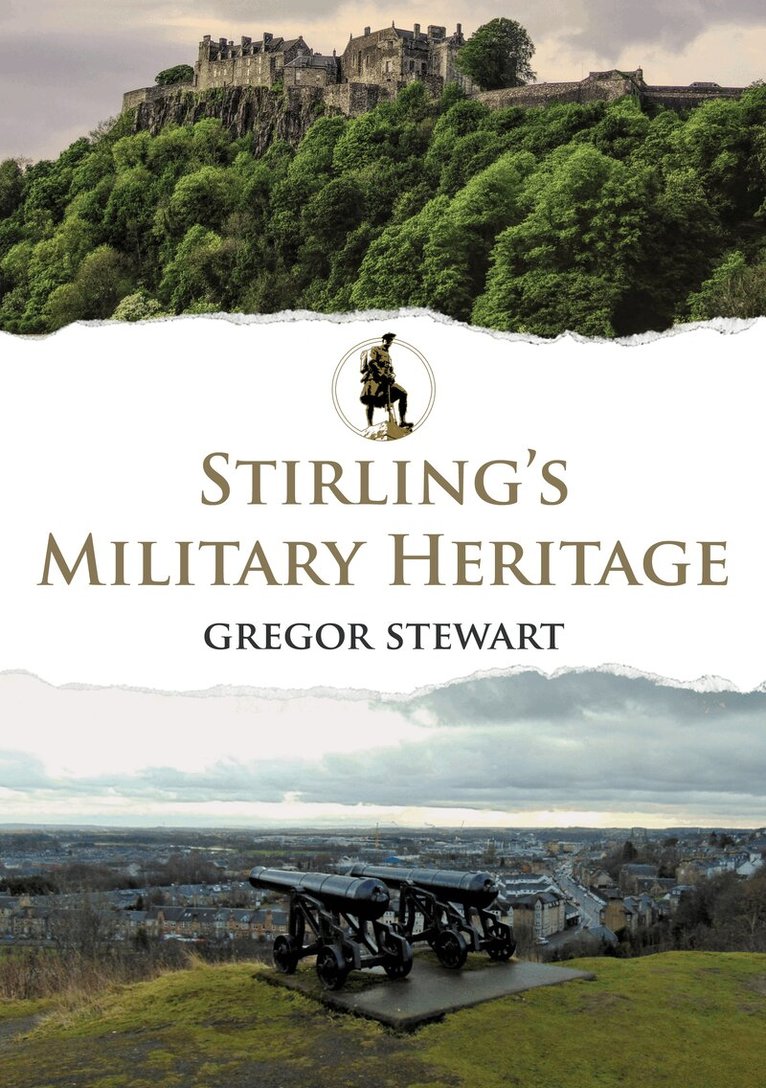
Stirling is associated with two of the most notable names and battles in Scottish history: William Wallace and the Battle of Stirling Bridge, and Robert the Bruce and the Battle of Bannockburn. Stirling’s military history, however, stretches back to when the Romans invaded Scotland and formed a line of fortresses as their first boundary just north of Stirling. A Roman road cuts through the town, and it became a road used by every military force to invade Scotland.A castle has existed in Stirling on Castle Hill since at least 1110, with the town growing on the slopes around it. During the Wars of Independence with England control of Stirling and its castle was much fought over, bringing some of the most famous characters from Scottish history to the town. It was said that ‘he who controls Stirling, controls Scotland’. After the Union of the Crown in 1603, Stirling Castle’s role as a royal residence declined, and instead it became a centre for the military. The Jacobite forces failed to take the castle in 1746, and by the 1800s the castle was adapted to create barracks and training facilities.Today, reminders of the importance of Stirling can be found all around the town. The battle sites and castle are popular tourist attractions, and the castle remains the headquarters of the Argyll and Sutherland Highlanders infantry regiment. An annual military show to honour and celebrate the armed forces is also held in the town, which is recognised as one of the main military events in Scotland.
163 kr
Skickas inom 11-20 vardagar
Coventry’s military heritage goes back to the Middle Ages. Coventry Castle was built by the Earl of Chester in the early twelfth century, fought over during the civil war in King Stephen’s reign, and demolished afterwards, although one tower remains as part of the Guildhall. In the later medieval period Coventry grew into one of the leading cities of England and continued to thrive in the Industrial Revolution as a centre of industry. Coventry was held by the Parliamentarians in the Civil War and during the Napoleonic Wars a barracks was built in the city, remaining in use until the early twentieth century.A major munitions producer during the First World War, the city sent many young soldiers to fight abroad in the conflict while thousands of women worked in the factories. During the Second World War it was a leading centre of motor vehicles, aviation and armaments manufacturing and became the target for German aerial bombing campaigns. The Blitz destroyed a large part of the historic city, including the cathedral, but the city was reborn after the war and is a thriving major city in the West Midlands today. This book will be of interest to all those wishing to know more about the military heritage of Coventry.
173 kr
Skickas
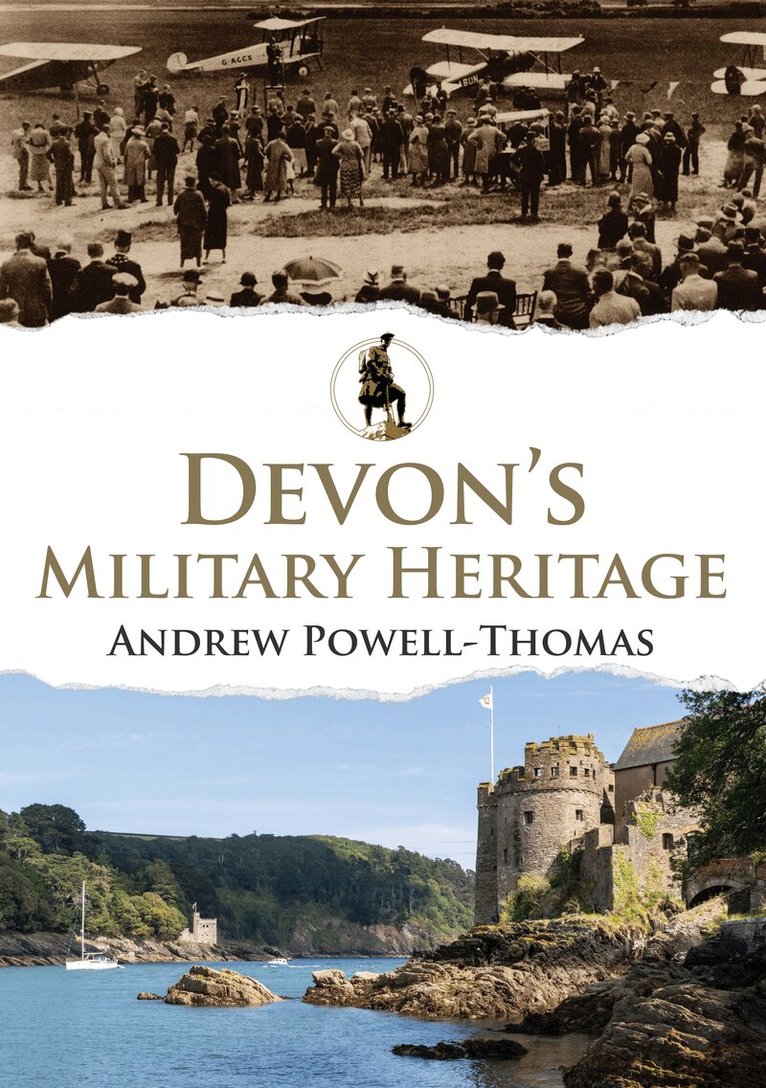
The county of Devon, with its coastline north and south, wild moorland, and rolling rural countryside, villages, market towns, many characterised by local industries, and historic cities of Exeter and Plymouth, has a rich military history that stretches back through centuries. Evidence of Devon’s military heritage can be seen throughout the county with numerous buildings and other structures still standing proud today.Devon’s Military Heritage explores the long military history of the county, not only the battles that took place on its soil and the measures that were taken to defend it against possible attack but also the heritage of the military units that were raised in the county and which were sent to fight in conflicts abroad. The 1588 Spanish Armada was first engaged by the English fleet off Plymouth, and the famous Devon mariners Sir Francis Drake, Sir John Hawkins, Sir Humphrey Gilbert, Sir Walter Raleigh and Sir Richard Grenville were at the forefront of the defeat of the Armada and other encounters with the Spanish during this period. A hundred years later, in 1688, William of Orange landed at Brixham to launch the Glorious Revolution. Devonport has long been a major port and shipbuilding centre for the Royal Navy and Plymouth was a target for German aerial bombardment in the Second World War. Soldiers from the Devonshire Regiment and the Royal Devon Yeomanry and their antecedents fought for the country for centuries and Devon was also the site of the disastrous rehearsal for D-Day where hundreds of Allied servicemen lost their lives off Slapton Sands and in Lyme Bay. The military heritage of castles, fortifications, airfields, military bases and monuments throughout the county is also explored.This book will be of interest to all those who would like to know more about Devon’s remarkable military history.