Inbunden, Engelska, 2027
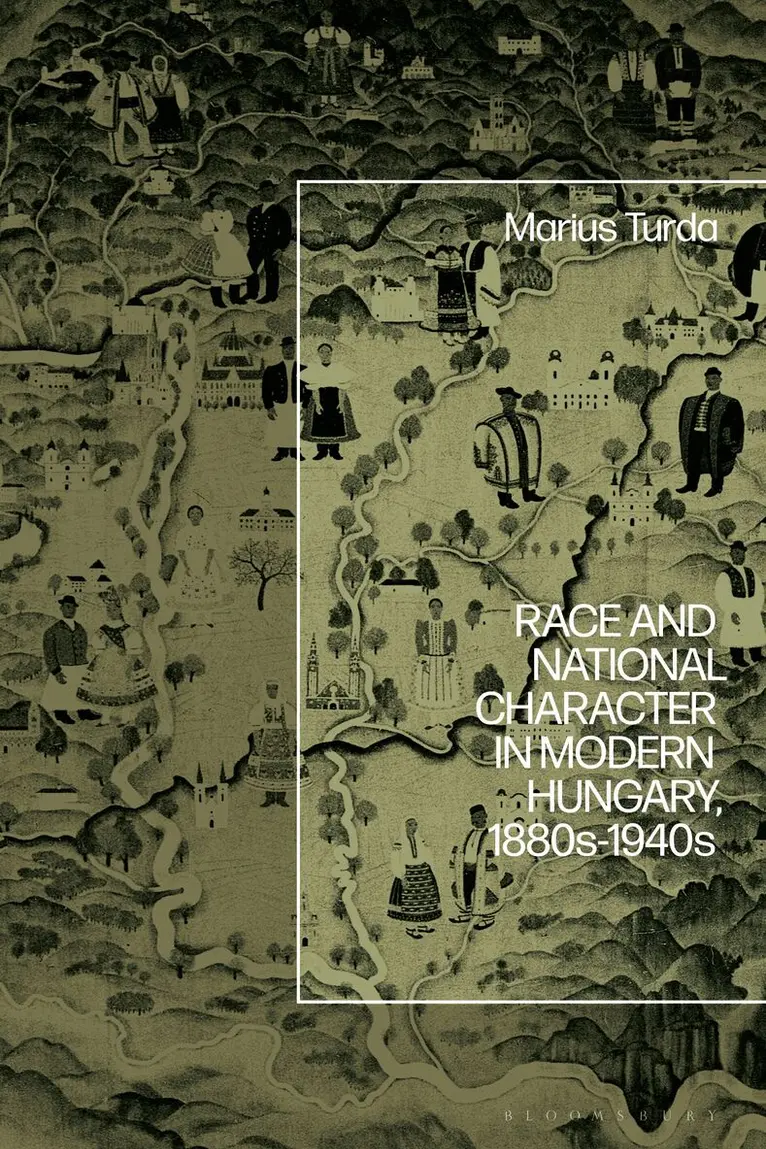
Race and National Character in Modern Hungary, 1880s-1940s
Av Marius Turda
1230 kr
Kommande
Beskrivning
Race and National Character in Modern Hungary, 1880s-1940s examines various debates on national belonging, their ideological frameworks and methodological subtleties. During this period, modern Hungary went through profound territorial, social and national transformations, and experienced a wide range of political systems: from imperial to democratic, communist, authoritarian, antisemitic and fascist. This book also demonstrates how, under these circumstances, the idea of race became part of a larger national agenda, serving as a vehicle for transmitting a social and cultural message about Hungarian national character that transcended political differences and opposing ideological camps.This book is of immense value both to historians of modern Hungary and to anyone looking at the history of anthropology, race, nationalism and eugenics in Europe and the wider world.
Produktinformation
- Utgivningsdatum: 2027-01-07
- Mått: 156 x 234 x 25 mm
- Vikt: 454 g
- Format: Inbunden
- Språk: Engelska
- Antal sidor: 336
- Förlag: Bloomsbury Publishing PLC
- ISBN: 9781350011106
Utforska kategorier
Betyg & recensioner
0 recensioner
Inga recensioner tillgängliga.