Jim Collins – författare
Visar alla böcker från författaren Jim Collins. Handla med fri frakt och snabb leverans.
80 produkter
Good to great : hur vanliga företag tar språnget till mästarklass
Av Jim Collins
Inbunden, 2001
4,8 utav 5 stjärnor. Totalt antal röster: (13)
244 kr
Lägg i varukorg
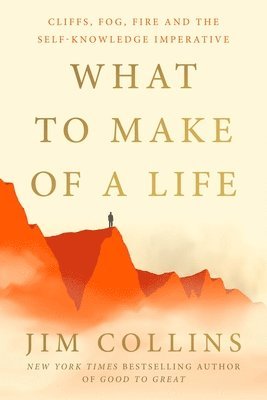
What to Make of a Life
Cliffs, Fog, Fire and the Self-Knowledge Imperative
Av Jim Collins
Inbunden, 2026
274 kr
Lägg i varukorg
Jim Collins, international bestselling author of Good to Great, offers transformative lessons on constructing — and reconstructing — a life through the cliff moments and transitions we all will face repeatedly in our lives.THE QUESTIONWhat to make of a life?It is a question we all wrestle with more …
Good To Great
Av Jim Collins
Inbunden, 2001
255 kr
Lägg i varukorg
Can a good company become a great one? If so, how?After a five-year research project, Jim Collins concludes that good to great can and does happen. In this book, he uncovers the underlying variables that enable any type of organisation to make the leap from good to great while other organisations …
Good to great: Svänghjulseffekten : Hur framgångsrika företag får upp momentum och varför så många misslyckas (Turning the flywheel)
Av Jim Collins
Häftad, 2020
3,0 utav 5 stjärnor. Totalt antal röster: (1)
127 kr
Lägg i varukorg
Svänghjulseffekten är en monografi som kompletterar den uppskattade och globalt hyllade bästsäljaren Good to great. Här ligger fokus på att praktiskt använda och implementera Jim Collins svänghjulskoncept en av hans mest inflytelserika idéer, som framgångsrikt har använts inom en rad företag, …
Hur jättarna går under : och varför vissa företag aldrig ger upp
Av Jim Collins
Inbunden, 2009
4,0 utav 5 stjärnor. Totalt antal röster: (1)
231 kr
Lägg i varukorg
I Hur jättarna går under - och varför vissa företag aldrig ger upp ställer sig Jim Collins frågan: Hur går det till när mäktiga företag faller? Kan nedgången upptäckas i tid och undvikas? Hur långt kan ett företag falla innan dess totala undergång är oundviklig och alla räddningsförsök förgäves. …
Built to Last
Successful Habits of Visionary Companies
Av Jim Collins, Jerry I. Porras
Inbunden, 2004
4,5 utav 5 stjärnor. Totalt antal röster: (2)
359 kr
Lägg i varukorg
Good to Great and the Social Sectors
A Monograph to Accompany Good to Great
Av Jim Collins
Häftad, 2006
4,0 utav 5 stjärnor. Totalt antal röster: (1)
107 kr
Lägg i varukorg
'We must reject the idea - well-intentioned, but dead wrong - that the primary path to greatness in the social sectors is to become "more like a business".' So begins this astonishingly blunt and timely manifesto by leading business thinker Jim Collins. Rejecting the belief, common among …
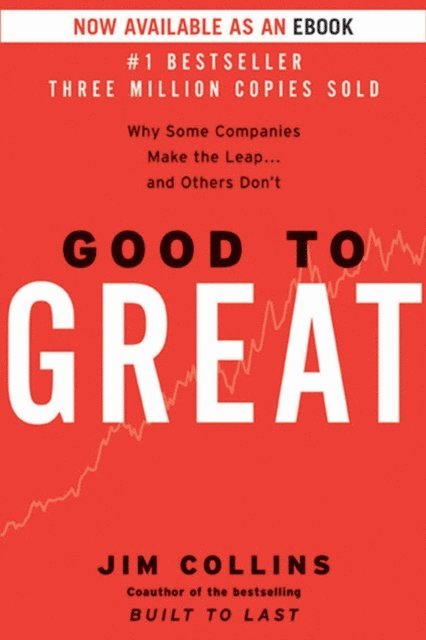
Good to Great
Why Some Companies Make the Leap...And Others Don't
Av Jim Collins
Inbunden, 2001
4,3 utav 5 stjärnor. Totalt antal röster: (4)
311 kr
Lägg i varukorg
Built to Last was a phenomenal success: It is a fair assumption that as the seminal importance of this book begins to permeate the upper echelons of business and business schoolsCollins and Porras will emerge as the gurus to watch over the next decade. The Director. Good to Great explores a whole …
Built to Last
Successful Habits of Visionary Companies
Av Jerry I. Porras, Jim Collins
Häftad, 2002
201 kr
Lägg i varukorg
Drawing upon a six-year research project at the Stanford University Graduate School of Business, James C. Collins and Jerry I. Porras took eighteen truly exceptional and long-lasting companies and studied each in direct comparison to one of its top competitors. They examined the companies from …
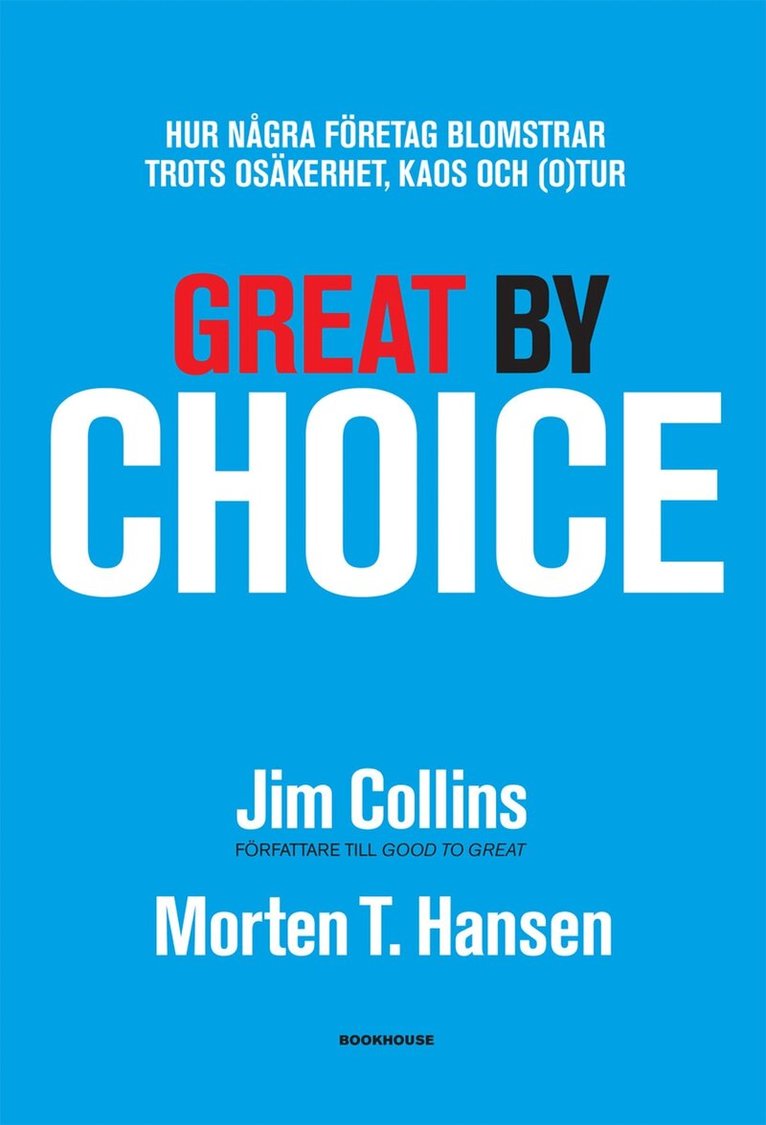
Great by Choice - Hur några företag blomstrar trots osäkerhet, kaos och (o)tur
Av Jim Collins, Morten T. Hansen
E-bok, 2012
5,0 utav 5 stjärnor. Totalt antal röster: (1)
206 kr
Lägg i varukorg
Tio år efter att han skrev Good to Great ställer Jim Collins frågan: "Varför blomstrar några bolag under förhållanden präglade av osäkerhet, ja till och med kaos, när andra inte gör det?" I Great by Choice, lägger Collins och hans kollega Morten T. Hansen fast principerna för att bygga verkligt …
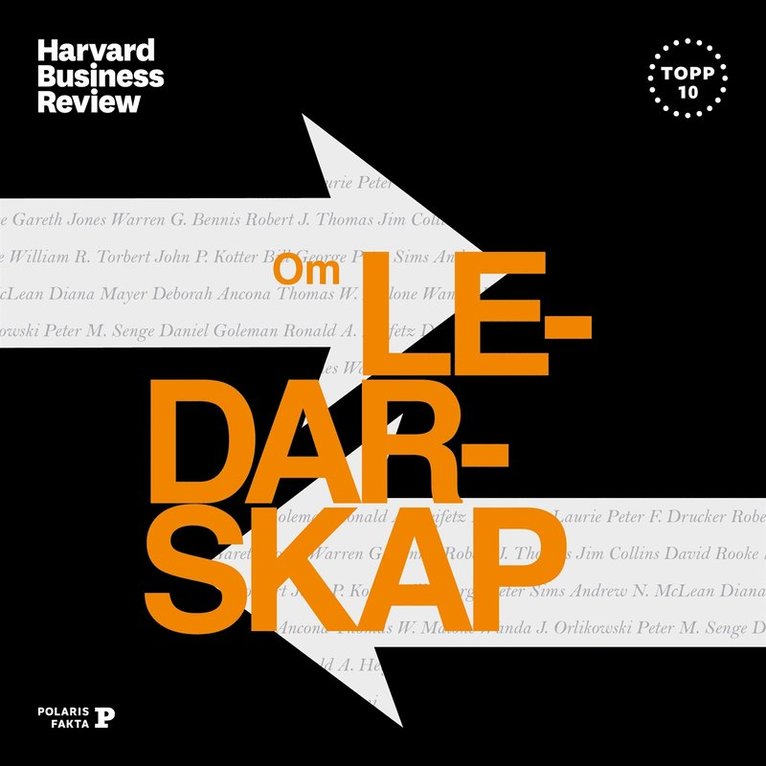
Harvard Business Review: om ledarskap
Av Jim Collins, Daniel Goleman m. fl.
Ljudbok, 2022
4,8 utav 5 stjärnor. Totalt antal röster: (4)
169 kr
Lägg i varukorg
Harvard Business Review vänder sig till beslutsfattare över hela världen och är den mest inflytelserika tidskriften inom management. Här har de samlat de tio mest betydelsefulla artiklarna om ledarskap, skrivna av ledande experter och forskare som Daniel Goleman, John P. Kotter, Peter F. Drucker, …
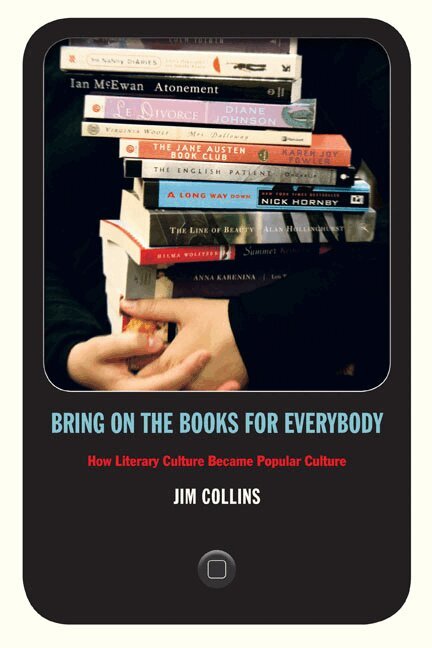
Bring on the Books for Everybody
How Literary Culture Became Popular Culture
Av Jim Collins
Häftad, 2010
443 kr
Lägg i varukorg
Bring on the Books for Everybody is an engaging assessment of the robust popular literary culture that has developed in the United States during the past two decades. Jim Collins describes how a once solitary and print-based experience has become an exuberantly social activity, enjoyed as much on …
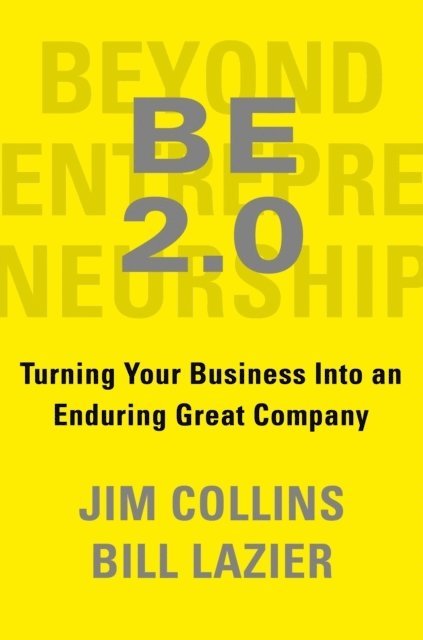
Beyond Entrepreneurship 2.0
Av Jim Collins
Inbunden, 2020
290 kr
Lägg i varukorg
______________________________THE BOOK THAT REED HASTINGS AT NETFLIX TOLD EVERY ASPIRING CEO TO READNearly thirty years ago, Stanford University faculty members Jim Collins and Bill Lazier showed you how to turn an entrepreneurial business into an enduring great company.Beyond Entrepreneurship …
Great by Choice : hur några företag blomstrar trots osäkerhet, kaos och (o)tu
Av Jim Collins, Morten T. Hansen
Inbunden, 2011
5,0 utav 5 stjärnor. Totalt antal röster: (3)
255 kr
Lägg i varukorg
Tio år efter att han skrev Good to Great ställer Jim Collins frågan: "Varför blomstrar några bolag under förhållanden präglade av osäkerhet, ja till och med kaos, när andra inte gör det?" I Great by Choice, lägger Collins och hans kollega Morten T. Hansen fast principerna för att bygga verkligt …
Great by Choice
Uncertainty, Chaos and Luck - Why Some Thrive Despite Them All
Av Jim Collins, Morten T. Hansen
Inbunden, 2011
3,0 utav 5 stjärnor. Totalt antal röster: (1)
277 kr
Lägg i varukorg
THE NEW QUESTIONTen years after the worldwide bestseller Good to Great, Jim Collins returns with another groundbreaking work, this time to ask: Why do some companies thrive in uncertainty, even chaos, and others do not? Based on nine years of research, buttressed by rigorous analysis and infused …
Good to Great
Av Jim Collins
Ljudbok, 2010
460 kr
Lägg i varukorg
Built To Last , the defining management study of the nineties, showed how great companies triumph over time and how long-term sustained performance can be engineered into the DNA of an enterprise from the very beginning. But what about companies that are not born with great DNA? How can good …
Good to Great - Hur vanliga företag tar språnget till mästarklass
Av Jim Collins
E-bok, 2012
4,7 utav 5 stjärnor. Totalt antal röster: (3)
206 kr
Lägg i varukorg
Good to Great presenterar resultaten av ett femårigt forskningsprojekt. Jim Collins har identifierat samtliga börsnoterade amerikanska företag som uppfyllt två kriterier. Det första är att de under minst femton år varit ganska "vanliga" företag med börskurser som skvalpat runt index. Det andra är …
Good To Great And The Social Sectors
A Monograph to Accompany Good to Great
Av Jim Collins
E-bok, 2011
91 kr
Lägg i varukorg
Building upon the concepts introduced in Good to Great , Jim Collins answers the most commonly asked questions raised by his readers in the social sectors. Using information gathered from interviews with over 100 social sector leaders, Jim Collins shows that his "Level 5 Leader" and other …
Great by Choice
Uncertainty, Chaos and Luck - Why Some Thrive Despite Them All
Av Morten T. Hansen, Jim Collins
Ljudbok, 2011
132 kr
Lägg i varukorg
THE NEW QUESTION Ten years after the worldwide bestseller Good to Great , Jim Collins returns with another groundbreaking work, this time to ask: Why do some companies thrive in uncertainty, even chaos, and others do not? Based on nine years of research, buttressed by rigorous analysis and infused …
How the Mighty Fall
Av Jim Collins
Ljudbok, 2009
470 kr
Lägg i varukorg
""Whether you prevail or fail, endure or die, depends more on what you do to yourself than on what the world does to you.""—Jim Collins Decline can be avoided. Decline can be detected. Decline can be reversed. Amid the desolate landscape of fallen great companies, Jim Collins began to wonder: How …
Built to Last
Successful Habits of Visionary Companies
Av Jerry I. Porras, Jim Collins
E-bok, 2011
1,0 utav 5 stjärnor. Totalt antal röster: (1)
113 kr
Lägg i varukorg
"This is not a book about charismatic visionary leaders. It is not about visionary product concepts or visionary products or visionary market insights. Nor is it about just having a corporate vision. This is a book about something far more important, enduring, and substantial. This is a book about …
Good to Great
Why Some Companies Make the Leap...And Others Don''t
Av Jim Collins
E-bok, 2011
204 kr
Lägg i varukorg
The Challenge Built to Last, the defining management study of the nineties, showed how great companies triumph over time and how long-term sustained performance can be engineered into the DNA of an enterprise from the verybeginning. But what about the company that is not born with great DNA? How …
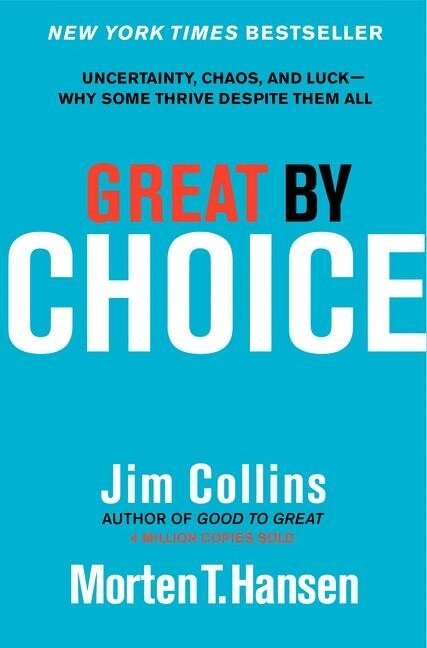
Great by Choice
Uncertainty, Chaos, and Luck--Why Some Thrive Despite Them All
Av Jim Collins, Morten T. Hansen
Inbunden, 2011
359 kr
Lägg i varukorg
Collins returns with another groundbreaking work, this time to ask, Why do some companies thrive in uncertainty, even chaos, and others do not? Based on nine years of research, buttressed by rigorous analysis, and infused with engaging stories, Collins and his colleague Hansen enumerate the …
Great by Choice
Uncertainty, Chaos, and Luck--Why Some Thrive Despite Them All
Av Morten T. Hansen, Jim Collins
Ljudbok, 2011
74 kr
Lägg i varukorg
Ten years after the worldwide bestseller Good to Great , Jim Collins returns withanother groundbreaking work, this time to ask: why do some companies thrive inuncertainty, even chaos, and others do not? Based on nine years of research,buttressed by rigorous analysis and infused with engaging …
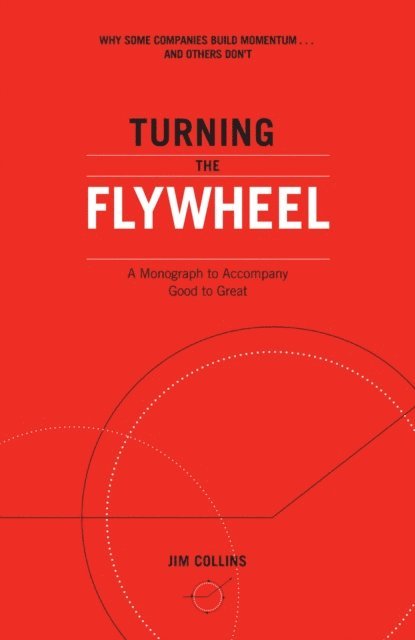
Turning the Flywheel
A Monograph to Accompany Good to Great
Av Jim Collins
E-bok, 2019
87 kr
Lägg i varukorg
A companion guidebook to the number-one bestselling Good to Great , focused on implementation of the flywheel concept, one of Jim Collins’ most memorable ideas that has been used across industries and the social sectors, and with startups. The key to business success is not a single innovation or …
What to Make of a Life: Cliffs, Fog, Fire and the Self-Knowledge Imperative
Av Jim Collins
Inbunden, 2026
387 kr
Lägg i varukorg
Jim Collins, international bestselling author of Good to Great, offers transformative lessons on constructing—and reconstructing—a life through the cliff moments and transitions we all will face repeatedly in our lives. What to make of a life? It is a question we all wrestle with more than once: …
What to Make of a Life
Cliffs, Fog, Fire and the Self-Knowledge Imperative
Av Jim Collins
Häftad, 2026
412 kr
Lägg i varukorg
AN INSTANT NEW YORK TIMES BESTSELLER Jim Collins, international bestselling author of Good to Great, offers transformative lessons on constructingand reconstructinga life through the cliff moments and transitions we all will face repeatedly in our lives. What to make of a life? It is a question we …
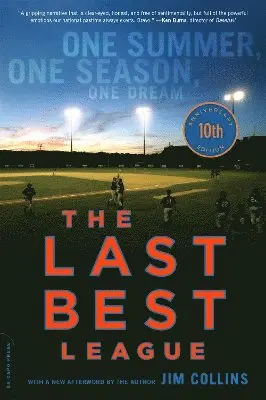
Last Best League, 10th anniversary edition
One Summer, One Season, One Dream
Av Jim Collins
Häftad, 2014
225 kr
Lägg i varukorg
Every summer, in ten small towns across Cape Cod, the finest college baseball players in the country gather in hopes of making it to "The Show." The hopes are justifiably high: The Cape Cod Baseball League is the best amateur league in the world, producing one out of every six major league …
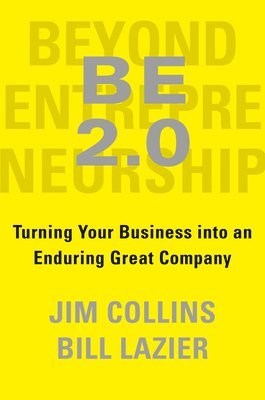
BE 2.0 (Beyond Entrepreneurship 2.0)
Turning Your Business into an Enduring Great Company
Av Jim Collins, William Lazier
Inbunden, 2020
310 kr
Lägg i varukorg
From Jim Collins, the most influential business thinker of our era, comes an ambitious upgrade of his classic, Beyond Entrepreneurship , that includes all-new findings and world-changing insights. What's the roadmap to create a company that not only survives its infancy but thrives, changing the …