Peter Ruggenthaler – författare
Visar alla böcker från författaren Peter Ruggenthaler. Handla med fri frakt och snabb leverans.
9 produkter
9 produkter
2 022 kr
Skickas inom 10-15 vardagar
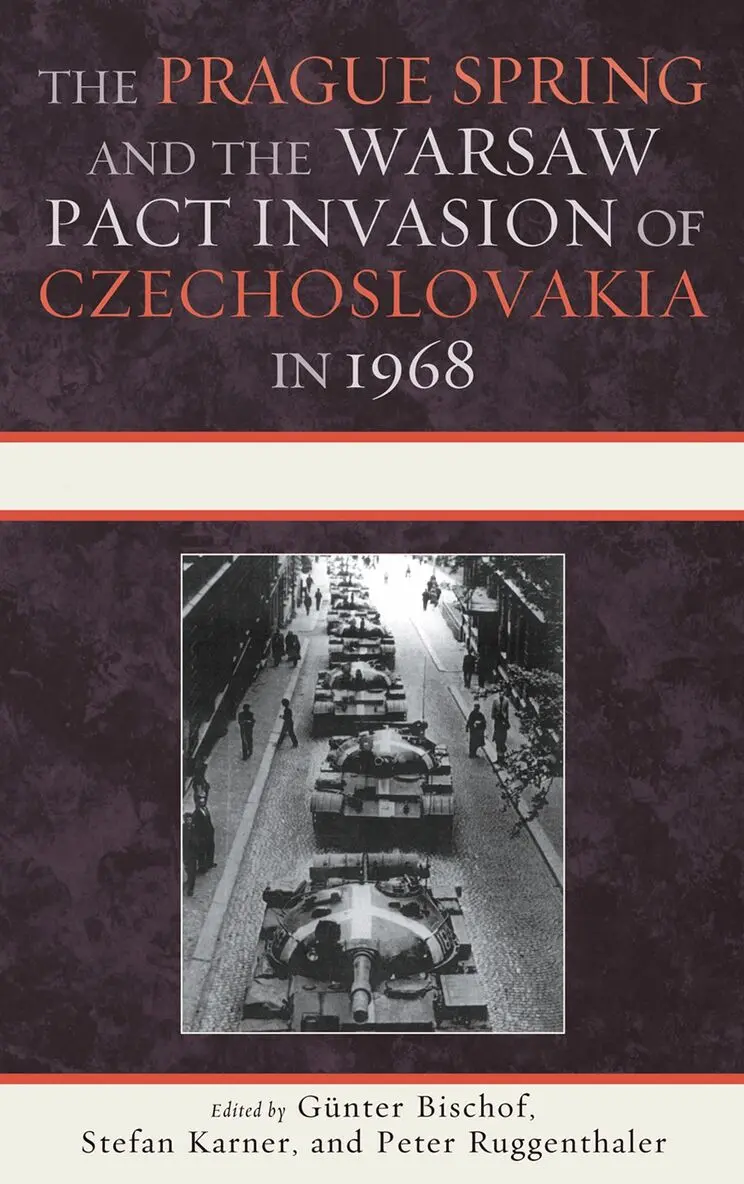
On August 20, 1968, tens of thousands of Soviet and East European ground and air forces moved into Czechoslovakia and occupied the country in an attempt to end the "Prague Spring" reforms and restore an orthodox Communist regime. The leader of the Soviet Communist Party, Leonid Brezhnev, was initially reluctant to use military force and tried to pressure his counterpart in Czechoslovakia, Alexander Dubcek, to crack down. But during the summer of 1968, after several months of careful deliberations, the Soviet Politburo finally decide that military force was the only option left. A large invading force of Soviet, Polish, Hungarian, and Bulgarian troops received final orders to move into Czechoslovakia; within 24 hours they had established complete military control of Czechoslovakia, bringing an end to hopes for "socialism with a human face." Dubcek and most of the other Czechoslovak reformers were temporarily restored to power, but their role from late August 1968 through April 1969 was to reverse many of the reforms that had been adopted. In April 1969, Dubchek was forced to step down for good, bringing a final end to the Prague Spring. Soviet leaders justified the invasion of Czechoslovakia by claiming that "the fate of any socialist country is the common affair of all socialist countries" and that the Soviet Union had both a "right" and a "sacred duty" to "defend socialism" in Czechoslovakia. The invasion caused some divisions within the Communist world, but overall the use of large-scale force proved remarkably successful in achieving Soviet goals. The United States and its NATO allies protested but refrained from direct military action and covert operations to counter the Soviet-led incursion into Czechoslovakia. The essays of a dozen leading European and American Cold War historians analyze this turning point in the Cold War in light of new documentary evidence from the archives of two dozen countries and explain what happened behind the scenes. They also reassess the weak response of the United S
833 kr
Skickas inom 10-15 vardagar
On August 20, 1968, tens of thousands of Soviet and East European ground and air forces moved into Czechoslovakia and occupied the country in an attempt to end the "Prague Spring" reforms and restore an orthodox Communist regime. The leader of the Soviet Communist Party, Leonid Brezhnev, was initially reluctant to use military force and tried to pressure his counterpart in Czechoslovakia, Alexander Dubcek, to crack down. But during the summer of 1968, after several months of careful deliberations, the Soviet Politburo finally decide that military force was the only option left. A large invading force of Soviet, Polish, Hungarian, and Bulgarian troops received final orders to move into Czechoslovakia; within 24 hours they had established complete military control of Czechoslovakia, bringing an end to hopes for "socialism with a human face." Dubcek and most of the other Czechoslovak reformers were temporarily restored to power, but their role from late August 1968 through April 1969 was to reverse many of the reforms that had been adopted. In April 1969, Dubchek was forced to step down for good, bringing a final end to the Prague Spring. Soviet leaders justified the invasion of Czechoslovakia by claiming that "the fate of any socialist country is the common affair of all socialist countries" and that the Soviet Union had both a "right" and a "sacred duty" to "defend socialism" in Czechoslovakia. The invasion caused some divisions within the Communist world, but overall the use of large-scale force proved remarkably successful in achieving Soviet goals. The United States and its NATO allies protested but refrained from direct military action and covert operations to counter the Soviet-led incursion into Czechoslovakia. The essays of a dozen leading European and American Cold War historians analyze this turning point in the Cold War in light of new documentary evidence from the archives of two dozen countries and explain what happened behind the scenes. They also reassess the weak response of the United S
833 kr
Skickas inom 10-15 vardagar
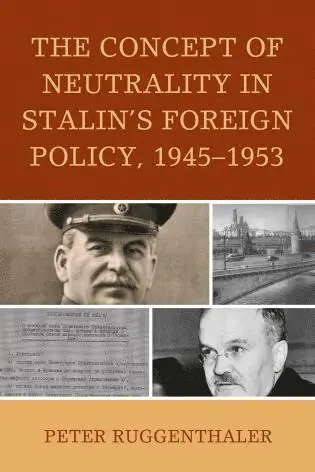
Drawing on recently declassified Soviet archival sources, this book sheds new light on how the division of Europe came about in the aftermath of World War II. The book contravenes the notion that a neutral zone of states, including Germany, could have been set up between East and West. The Soviet Union under Joseph Stalin was determined to preserve control over its own sphere of German territory. By tracing Stalin's attitude toward neutrality in international politics, the book provides important insights into the origins of the Cold War.
1 888 kr
Skickas inom 10-15 vardagar
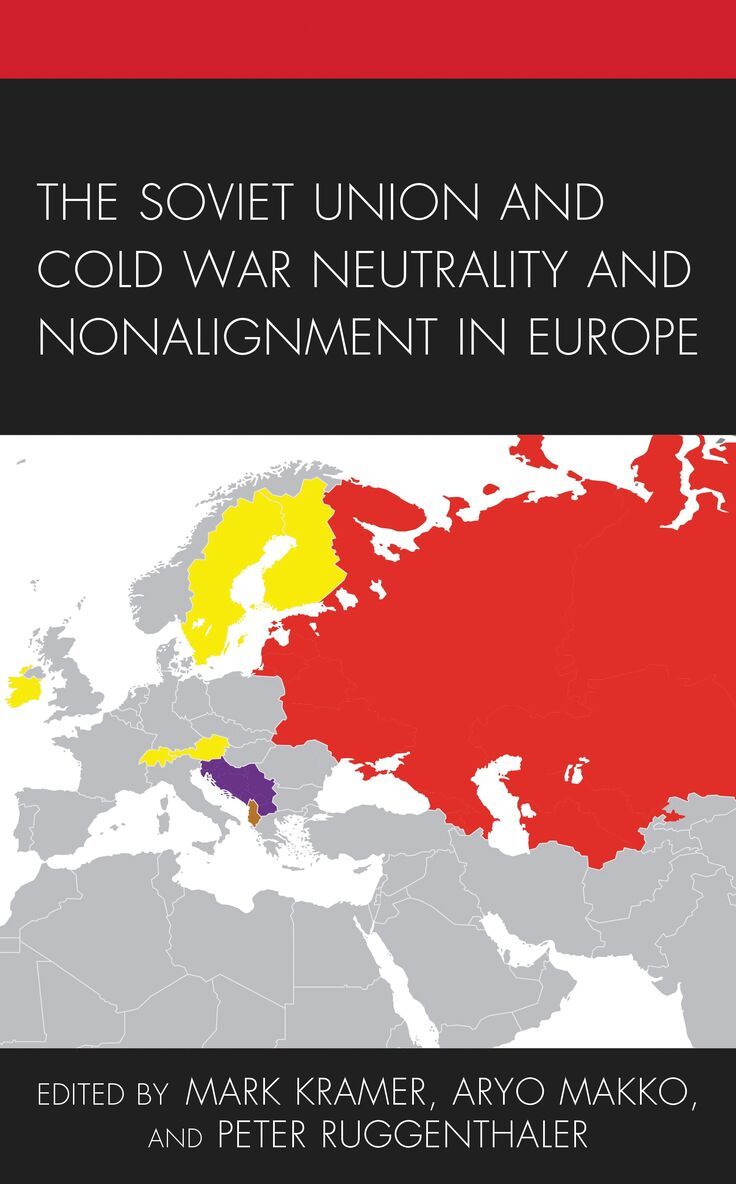
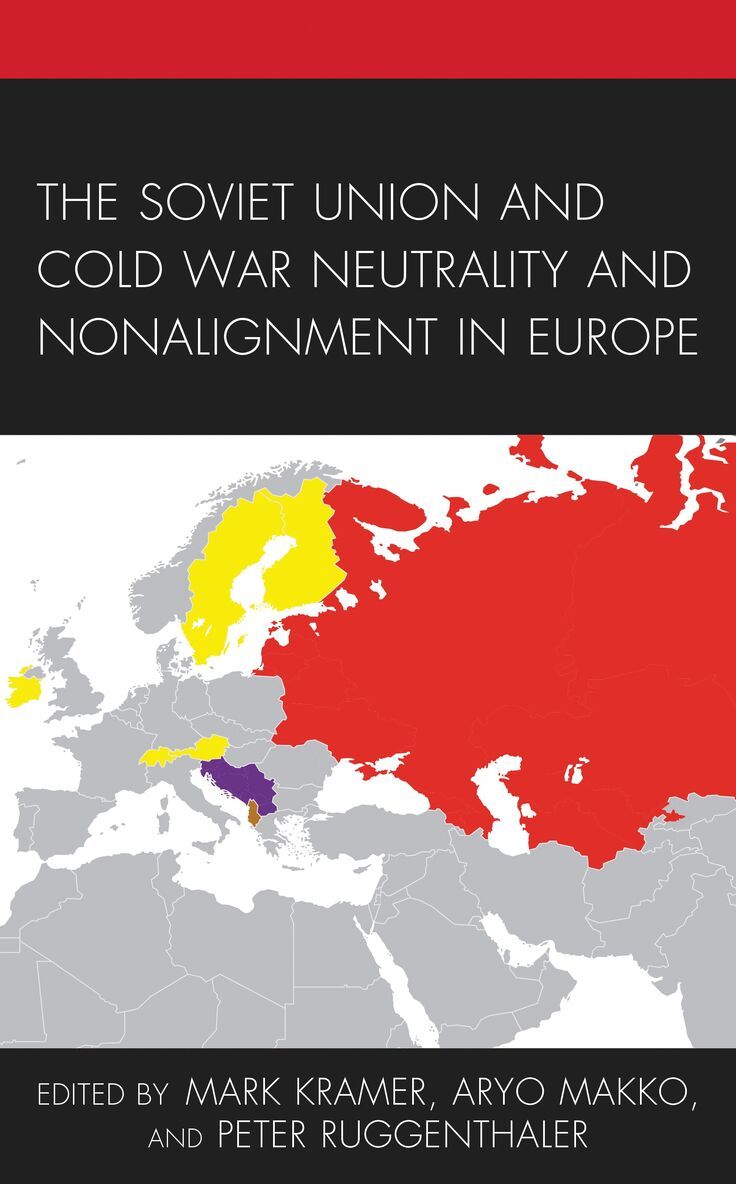
The Soviet Union and Cold War Neutrality and Nonalignment in Europe examines how the neutral European countries and the Soviet Union interacted after World War II. Amid the Cold War division of Europe into Western and Eastern blocs, several long-time neutral countries abandoned neutrality and joined NATO. Other countries remained neutral but were still perceived as a threat to the Soviet Union’s sphere of influence. Based on extensive archival research, this volume offers state-of-the-art essays about relations between Europe’s neutral states and the Soviet Union during the Cold War and how these relations were perceived by other powers.
695 kr
Skickas inom 10-15 vardagar
The Soviet Union and Cold War Neutrality and Nonalignment in Europe examines how the neutral European countries and the Soviet Union interacted after World War II. Amid the Cold War division of Europe into Western and Eastern blocs, several long-time neutral countries abandoned neutrality and joined NATO. Other countries remained neutral but were still perceived as a threat to the Soviet Union’s sphere of influence. Based on extensive archival research, this volume offers state-of-the-art essays about relations between Europe’s neutral states and the Soviet Union during the Cold War and how these relations were perceived by other powers.
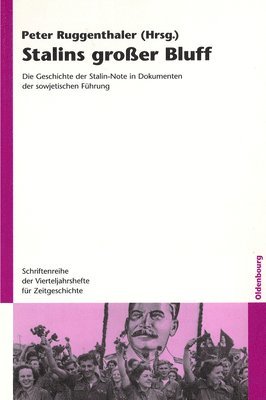
Del 95 - Schriftenreihe Der Vierteljahrshefte Für Zeitgeschichte
Stalins Großer Bluff
Die Geschichte Der Stalin-Note in Dokumenten Der Sowjetischen Führung
Häftad, Tyska, 2007
392 kr
Skickas inom 5-8 vardagar
1 994 kr
Skickas inom 10-15 vardagar
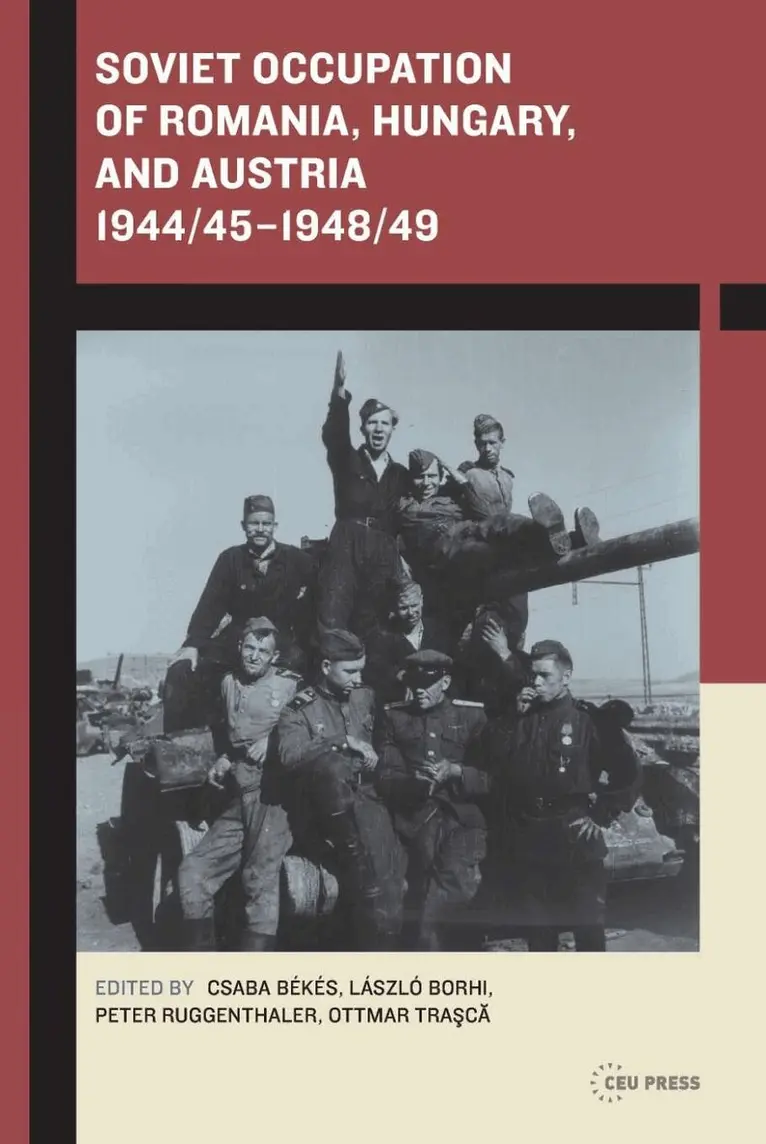
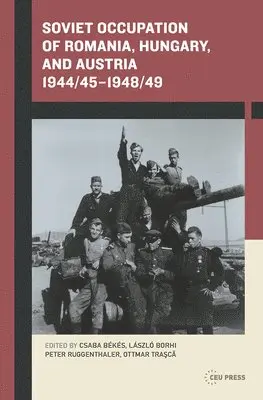
This book compares the various aspects – political, military economic – of Soviet occupation in Austria, Hungary and Romania. Using documents found in Austrian, Hungarian, Romanian and Russian archives the authors argue that the nature of Soviet foreign policy has been misunderstood. Existing literature has focused on the Soviet foreign policy from a political perspective; when and why Stalin made the decision to introduce Bolshevik political systems in the Soviet sphere of influence. This book will show that the Soviet conquest of East-Central Europe had an imperial dimension as well and allowed the Soviet Union to use the territory it occupied as military and economic space. The final dimension of the book details the tragically human experiences of Soviet occupation: atrocities, rape, plundering and deportations.
986 kr
Skickas inom 10-15 vardagar
This book compares the various aspects – political, military economic – of Soviet occupation in Austria, Hungary and Romania. Using documents found in Austrian, Hungarian, Romanian and Russian archives the authors argue that the nature of Soviet foreign policy has been misunderstood. Existing literature has focused on the Soviet foreign policy from a political perspective; when and why Stalin made the decision to introduce Bolshevik political systems in the Soviet sphere of influence. This book will show that the Soviet conquest of East-Central Europe had an imperial dimension as well and allowed the Soviet Union to use the territory it occupied as military and economic space. The final dimension of the book details the tragically human experiences of Soviet occupation: atrocities, rape, plundering and deportations.
1 314 kr
Skickas inom 10-15 vardagar
West German Ostpolitik, the Soviet Union, and East-West Détente in Europe explores how the détente policy changed the character of the Cold War.The Moscow files, now opened for the first time show 50 years later, reveal new insights and implications into the creation and implementation of the détente policy. This collection offers a detailed examination of European security from the mid-1960s to the mid-1970s with focus on five areas: 1) the first stirrings of détente in West German-Soviet relations, the framework conditions of domestic and foreign policy on the two sides and the extent to which interests ultimately enshrined in treaties were contradictory and/or compatible; 2) the preconditions of détente in the first half of the Brezhnev era; 3) economic interests as a driving force of political change; 4) the consequences of the Treaty of Moscow for East European states; and 5) the consequences of the Transatlantic partnership. The contributors highlight the complexity of domestic and international considerations that produced Ostpolitik and the subsequent emergence of long-term East-West détente in Europe, while offering the argument that Eastern policies and détente only came to fruition after the climax of the Cold War.