Ottmar Trasca – författare
Visar alla böcker från författaren Ottmar Trasca. Handla med fri frakt och snabb leverans.
3 produkter
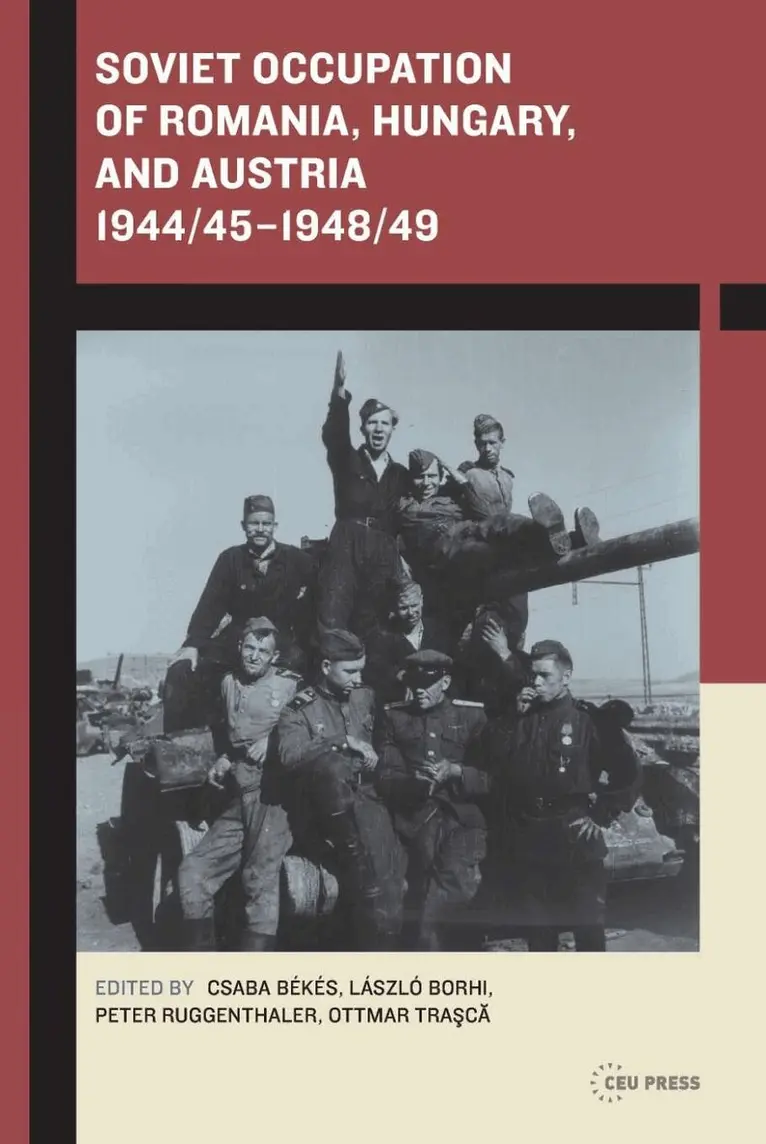
Soviet Occupation of Romania, Hungary, and Austria 1944/45–1948/49
Av László Borhi, Ottmar Trasca m. fl.
Häftad, 2015
1056 kr
Lägg i varukorg
This book compares the various aspects – political, military economic – of Soviet occupation in Austria, Hungary and Romania. Using documents found in Austrian, Hungarian, Romanian and Russian archives the authors argue that the nature of Soviet foreign policy has been misunderstood. Existing …
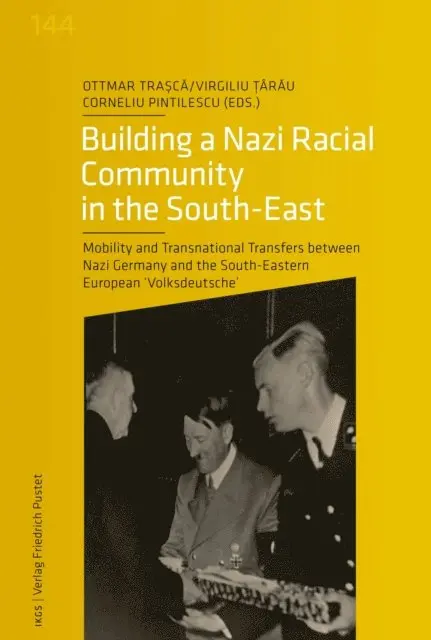
Building a Nazi Racial Community in the South-East
Mobility and Transnational Transfers between Nazi Germany and the South-Eastern European "Volksdeutsche"
Av Corneliu Pintilescu, Virgiliu Tarau m. fl.
E-bok, 2024
357 kr
Lägg i varukorg
Im letzten Jahrzehnt erschienen zahlreiche Beiträge, die den transnationalen Charakter des Faschismus untersuchten, wenige jedoch gingen auf die Verstrickungen und Einflüsse zwischen dem Dritten Reich und den rechtsradikalen Bewegungen der deutschen Minderheiten in Südosteuropa ein. Der vorliegen- …
Soviet Occupation of Romania, Hungary, and Austria 1944/45–1948/49
Av László Borhi, Ottmar Trasca m. fl.
Inbunden, 2015
2135 kr
Lägg i varukorg
This book compares the various aspects – political, military economic – of Soviet occupation in Austria, Hungary and Romania. Using documents found in Austrian, Hungarian, Romanian and Russian archives the authors argue that the nature of Soviet foreign policy has been misunderstood. Existing …