László Borhi – författare
Visar alla böcker från författaren László Borhi. Handla med fri frakt och snabb leverans.
8 produkter
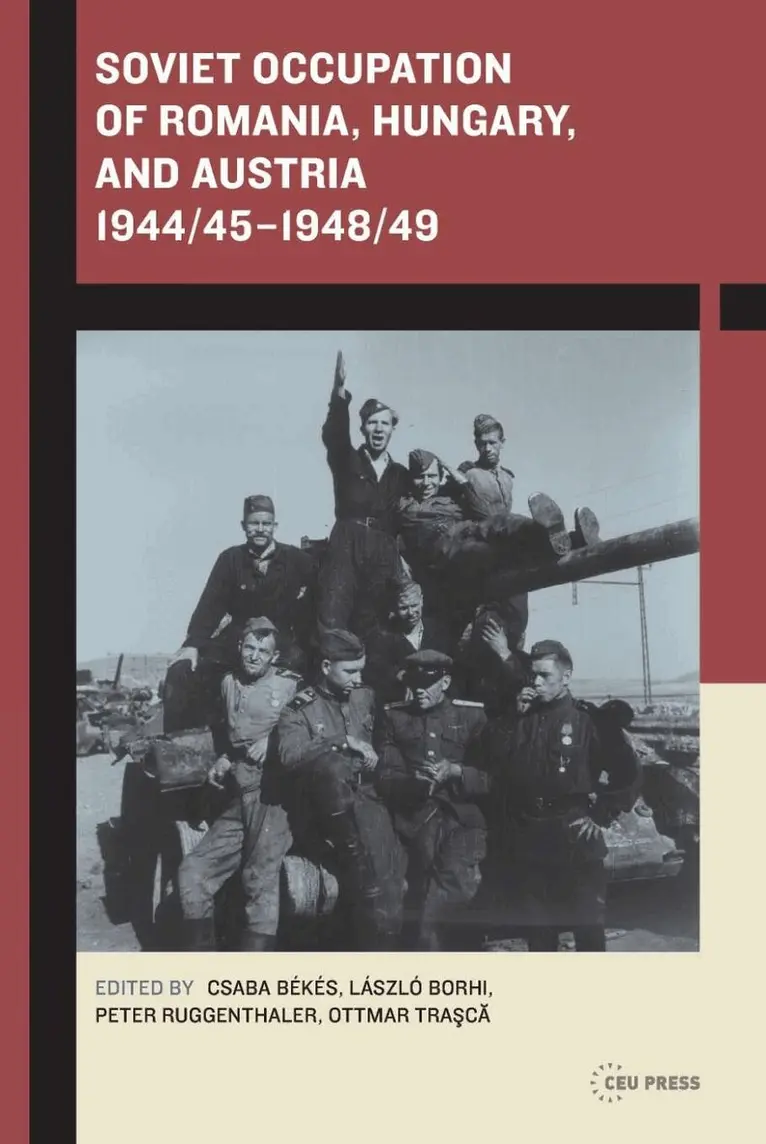
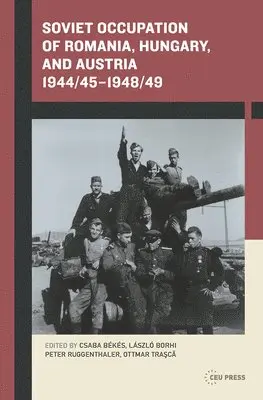
Soviet Occupation of Romania, Hungary, and Austria 1944/45–1948/49
Av László Borhi, Ottmar Trasca m. fl.
Häftad, 2015
1056 kr
Lägg i varukorg
This book compares the various aspects – political, military economic – of Soviet occupation in Austria, Hungary and Romania. Using documents found in Austrian, Hungarian, Romanian and Russian archives the authors argue that the nature of Soviet foreign policy has been misunderstood. Existing …
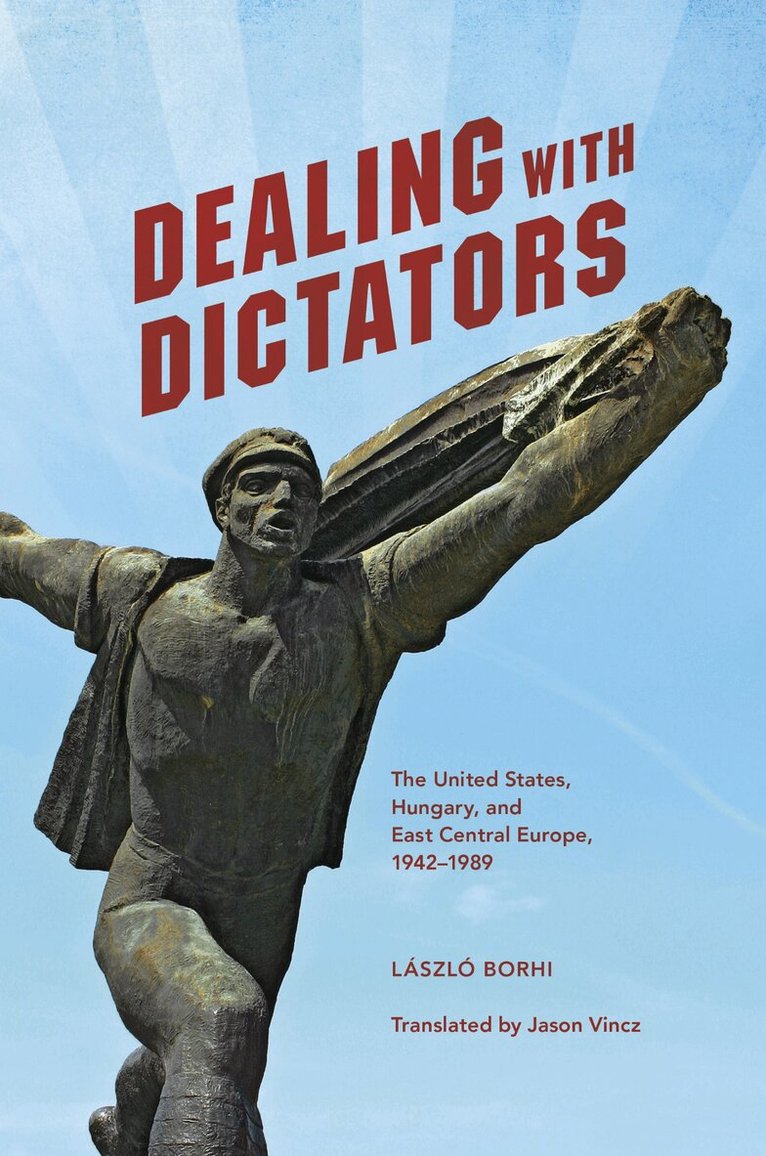
Dealing with Dictators
The United States, Hungary, and East Central Europe, 1942-1989
Av László Borhi
Inbunden, 2016
799 kr
Lägg i varukorg
Dealing with Dictators explores America's Cold War efforts to make the dictatorships of Eastern Europe less tyrannical and more responsive to the country's international interests. During this period, US policies were a mix of economic and psychological warfare, subversion, cultural and economic …
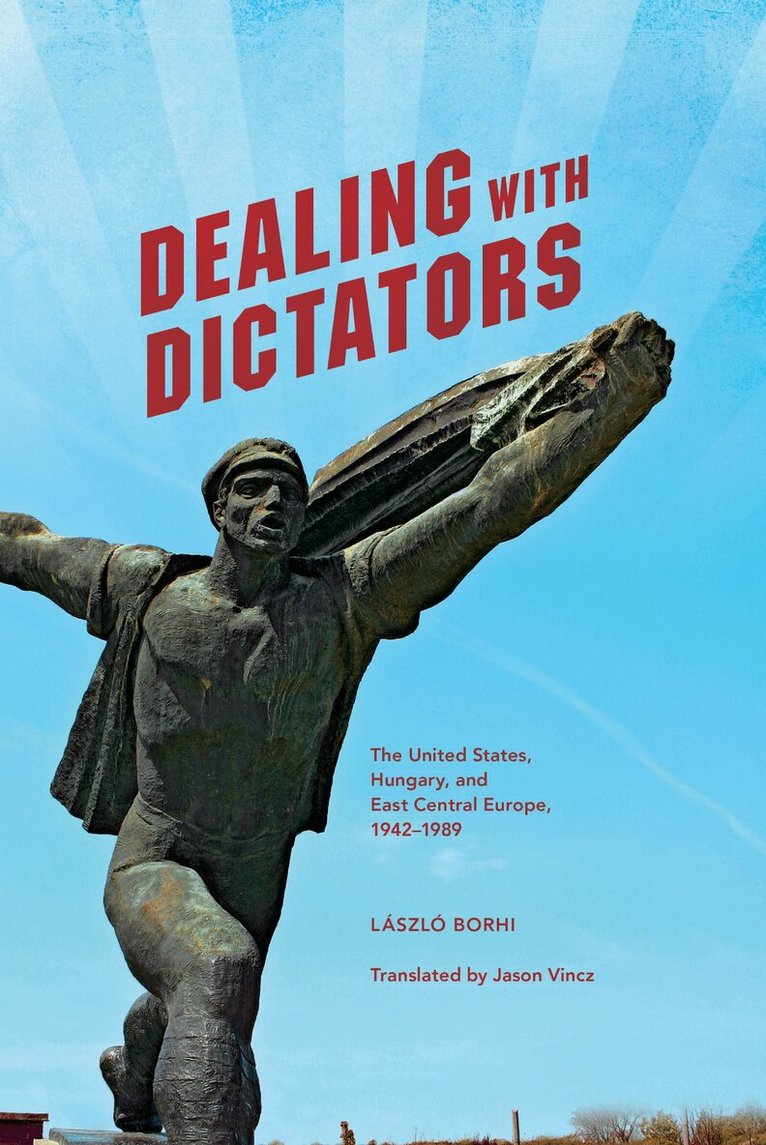
Dealing with Dictators
The United States, Hungary, and East Central Europe, 1942-1989
Av László Borhi
E-bok, 2016
104 kr
Lägg i varukorg
Dealing with Dictators explores America's Cold War efforts to make the dictatorships of Eastern Europe less tyrannical and more responsive to the country's international interests. During this period, US policies were a mix of economic and psychological warfare, subversion, cultural and economic …
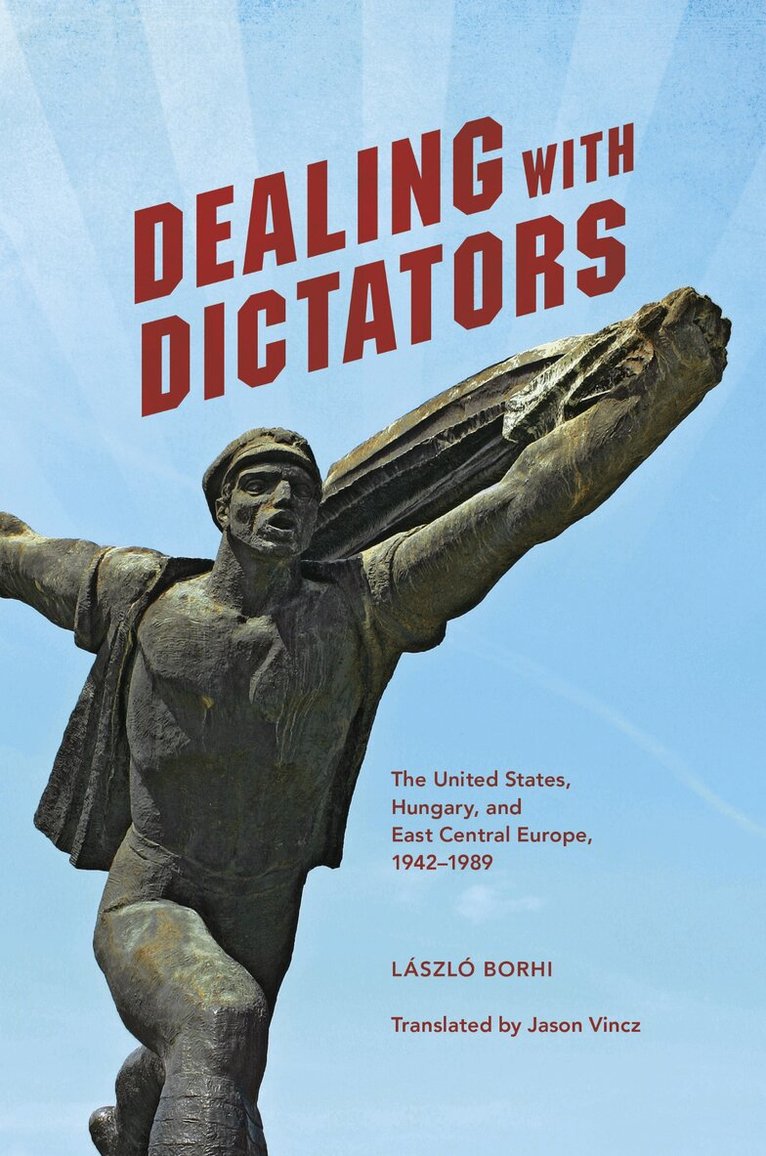
Dealing with Dictators
The United States, Hungary, and East Central Europe, 1942-1989
Av László Borhi
Häftad, 2016
400 kr
Lägg i varukorg
Dealing with Dictators explores America's Cold War efforts to make the dictatorships of Eastern Europe less tyrannical and more responsive to the country's international interests. During this period, US policies were a mix of economic and psychological warfare, subversion, cultural and economic …
Soviet Occupation of Romania, Hungary, and Austria 1944/45–1948/49
Av László Borhi, Ottmar Trasca m. fl.
Inbunden, 2015
2135 kr
Lägg i varukorg
This book compares the various aspects – political, military economic – of Soviet occupation in Austria, Hungary and Romania. Using documents found in Austrian, Hungarian, Romanian and Russian archives the authors argue that the nature of Soviet foreign policy has been misunderstood. Existing …
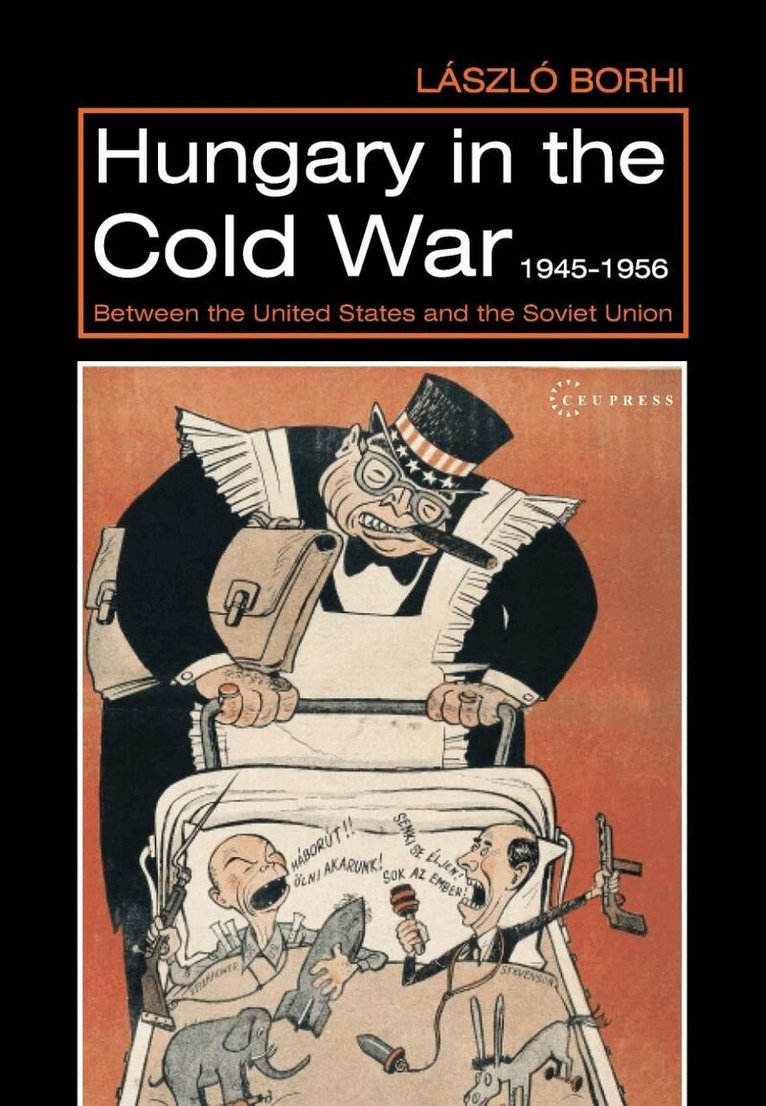
Hungary in the Cold War, 1945-1956
Between the United States and the Soviet Union
Av László Borhi
Häftad, 2023
981 kr
Lägg i varukorg
Based on new archival evidence, examines Soviet Empire building in Hungary and the American response to it. Hungary was not important enough to resist the Soviets, its democratic opposition failed to win American sympathy, the US simply had no leverage over the Soviets, who sacrificed cooperation …
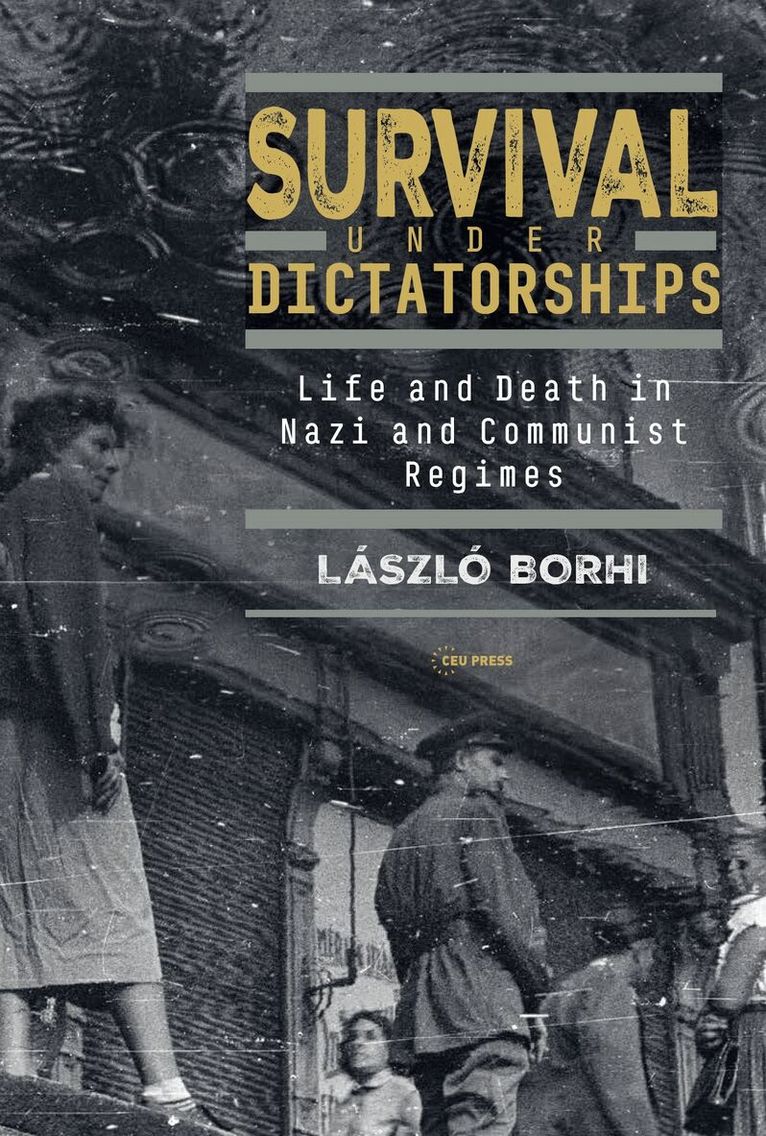
Survival under Dictatorships
Life and Death in Nazi and Communist Regimes
Av László Borhi
Inbunden, 2024
2135 kr
Lägg i varukorg
A complex array of individual responses to the abuse of power by the state is represented in this book in three horrific episodes in the history of East-Central Europe. The three events followed each other within a span of about ten years: the deportation and murder of Hungarian Jews in Nazi death …
Hungary in the Cold War, 1945–1956 – Between the United States and the Soviet Union
Between the United States and the Soviet Union
Av László Borhi
Inbunden, 2004
2000 kr
Lägg i varukorg
Based on new archival evidence, examines Soviet Empire building in Hungary and the American response to it. Hungary was not important enough to resist the Soviets, its democratic opposition failed to win American sympathy, the US simply had no leverage over the Soviets, who sacrificed cooperation …