Oxford History of Art - Böcker
Visar alla böcker i serien Oxford History of Art. Handla med fri frakt och snabb leverans.
33 produkter
33 produkter
293 kr
Skickas
China boasts a history of art lasting over 5,000 years and embracing a huge diversity of forms - objects of jade, lacquer and porcelain, painted scrolls and fans, sculptures in stone, bronze and wood, and murals.But this rich tradition has not, until now been fully appreciated in the West where scholars have focused attention on the European high arts of painting and sculpture, downplaying arts more highly prized by the Chinese themselves, such as calligraphy.Art in China marks a breakthrough in the study of the subject. Drawing on recent innovative scholarship - and newly-accessible studies in China itself - Craig Clunas surveys the full spectrum of the visual arts in China. He ranges from the Neolithic period to the art scene of the early 21st century, examining Chinese art in a variety of contexts - as it has been designed for tombs, commissioned by rulers, displayed in temples, created by the men and women of the educated elite, and bought and sold in the marketplace. This updated edition contains expanded coverage of modern and contemporary art, from the fall of the empire in 1911 to the growing international interest in the art of an increasingly confident and booming China.
261 kr
Skickas
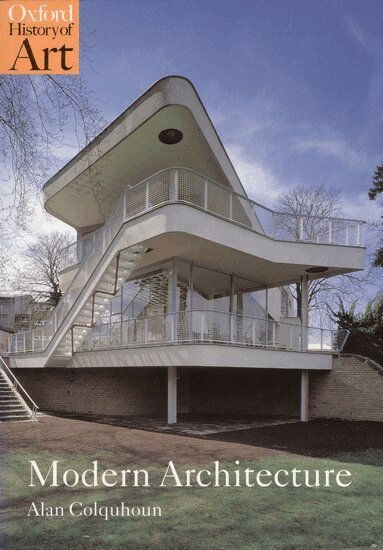
This new account of international modernism explores the complex motivations behind this revolutionary movement and assesses its triumphs and failures. The work of the main architects of the movement such as Frank Lloyd Wright, Adolf Loos, Le Corbusier, and Mies van der Rohe is re-examined shedding new light on their roles as acknowledged masters.Alan Colquhoun explores the evolution of the movement fron Art Nouveau in the 1890s to the megastructures of the 1960s, revealing the often contradictory demands of form, function, social engagement, modernity and tradition.
293 kr
Skickas
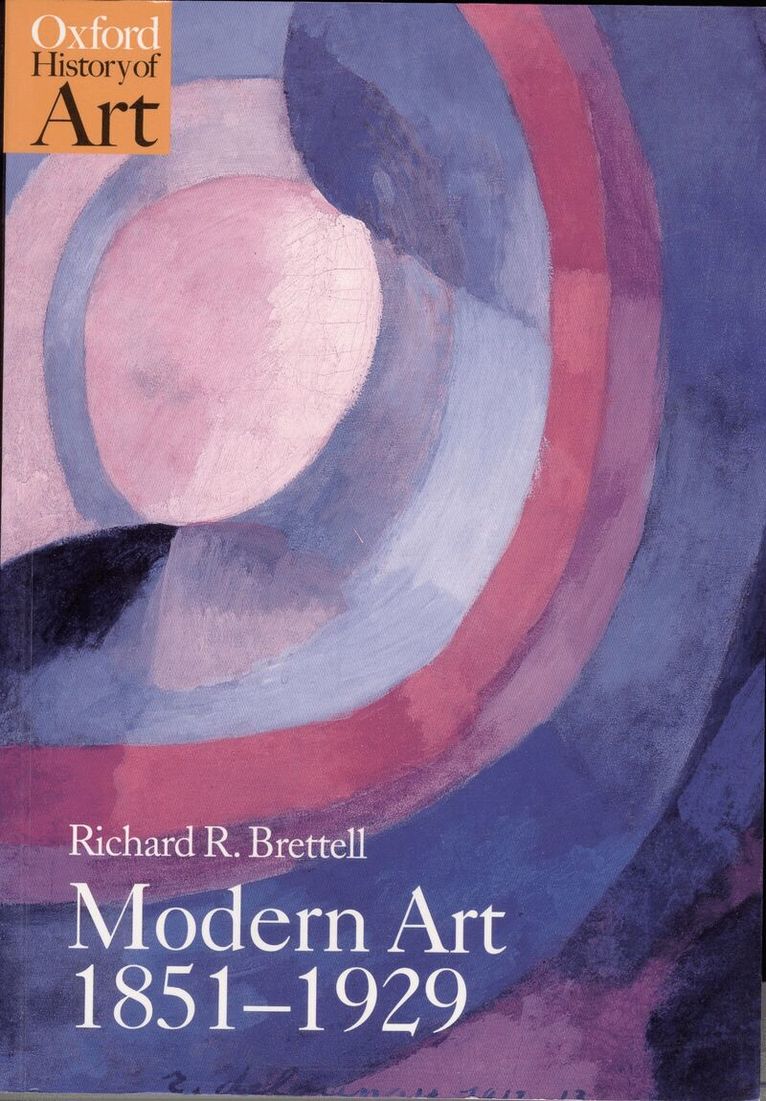
The period 1851 to 1929 witnessed the rise of the major European avant-garde groups: the Realists, Impressionists, Post-Impressionists, Symbolists, Cubists, and Surrealists. It was also a time of rapid social, economic, and political change, encompassing a revolution in communication systems and technology, and an unprecedented growth in the availability of printed images. Richard Brettell's innovative account explores the aims and achievements -- the beautiful and the bizarre -- of artists such as Monet, Gauguin, Picasso, and Dali, in relation to urban capitalism and expansion, colonialism, nationalism and internationalism, and the museum. Tracing common themes of representation, imagination, perception, and sexuality across works in a wide range of different media he presents a fresh approach to the fine art and photography of this remarkable era.
293 kr
Skickas
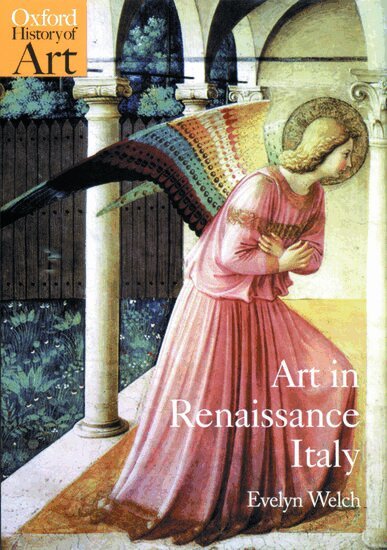
Between the `Black Death' in the mid-fourteenth century and the French invasions at the end of the fifteenth, artists such as Masaccio, Donatello, Fra Angelico, and Leonardo, working in the kingdoms, princedoms, and republics of the Italian peninsula, created some of the most influential and exciting works in a variety of artistic fields. Yet the traditional story of the Renaissance has been dramatically revised in the light of new scholarship, and new issues have greatly enriched our understanding of the period. Emphasis has been placed on recreating the experience of contemporary Italians - the patrons who commissioned the works, the members of the public who viewed them, and the artists who produced them. In this book Evelyn Welch presents a fresh picture of the Italian Renaissance. Giving equal weight to the Italian regions outside Florence, she discusses a wide range of works, from paintings to coins, and from sculptures to tapestries, examines the issues of materials, workshop practises, and artist-patron relationships, and explores the ways in which visual imagery related to contemporary sexual, social and political behaviour.
261 kr
Skickas
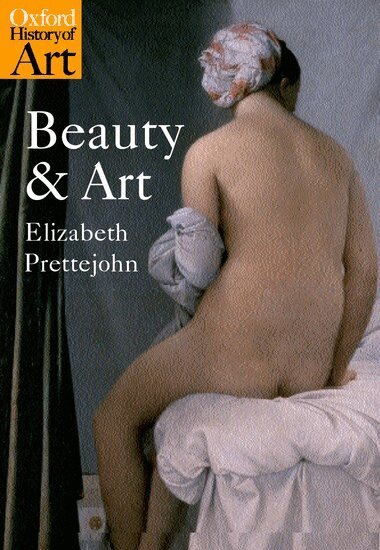
What do we mean when we call a work of art `beautiful`? How have artists responded to changing notions of the beautiful? Which works of art have been called beautiful, and why? Fundamental and intriguing questions to artists and art lovers, but ones that are all too often ignored in discussions of art today. Prettejohn argues that we simply cannot afford to ignore these questions. Charting over two hundred years of western art, she illuminates the vital relationship between our changing notions of beauty and specific works of art, from the works of Kauffman to Whistler, Ingres to Rossetti, Cézanne to Jackson Pollock, and concludes with a challenging question for the future: why should we care about beauty in the twenty-first century?
293 kr
Skickas inom 7-10 vardagar
From the first misty `heliograph' taken by Joseph Nicephore Niepce in 1826 to the classic compositions of Cartier-Bresson and Alfred Steiglitz, to the striking postmodern strategies of Robert Mapplethorpe, Cindy Sherman and Victor Burgin, the history of photography is a record of dazzling and penetrating images. But photographs are also the most pervasive images of our time, infinite in their capacity to record and make moments significant, granting status to everything they touch. So how do we read a photograph? In a series of brilliant discussions of major themes and genres, Graham Clarke gives a clear and incisive account of the photograph's historical development, and elucidates the insights of the most interesting thinkers on the subject such as Roland Barthes and Susan Sontag. At the heart of the book is his ground-breaking examination of the main subject areas - landscape, the city, portraiture, the body, and reportage - and his detailed analysis of exemplary images in terms of their cultural and ideological contexts.
261 kr
Skickas
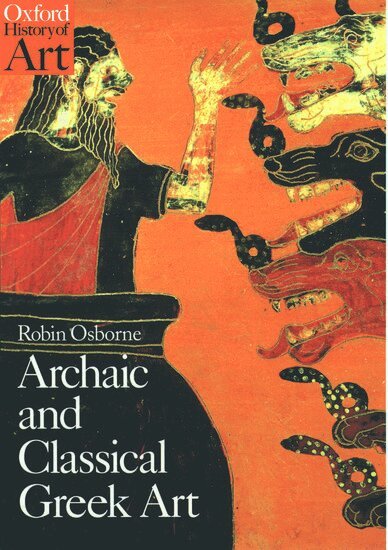
This fascinating new account of what happened in Greece from c.800 to 323 bc shows how sculptors and painters responded to the challenges they faced in the extremely formidable and ambitious world of the Greek city-state. The numerous symbols and images employed by their eastern Mediterranean neighbours on the one hand, and the explorations of what it was to be human embodied in the narratives with which Greek poets worked on the other, helped produce the rich diversity of forms apparent in Greek art. The drawings and sculptures of this period referred so intimately to the human form as to lead both ancient and modern theorists to talk in terms of the 'mimetic' role of art. The importance of what occurred still affects the way we see today. Ranging widely over the fields of sculpture, vase painting and the minor arts, this book provides a clear introduction to the art of archaic and classical Greece. By looking closely at the context in which and for which sculptures and paintings were produced, Robin Osborne demonstrates how artistic developments were both a product of, and contributed to, the intensely competitive life of the Greek city. 'brilliantly illustrates the purpose of this new series by focusing on the social and political context of Greek art . . . a different approach suggesting new perspectives and original connections . . . eye-opening and thought-provoking' Professor François Lissarrague, Ecoles des Hautes Etudes en Sciences Sociales, Paris 'brings all that is best in the 'new' Classical art history to this exciting interpretation . . . No reader of Osborne's stimulating and engaging book will come away with their vision of Greek art unchanged' Jeremy Tanner, Institute of Archaeology, University of London
250 kr
Skickas
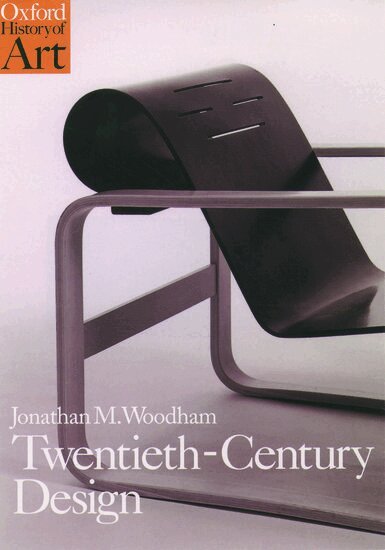
The most famous designs of the twentieth century are not those in museums, but in the marketplace. The Coca-Cola bottle and the McDonald's logo are known all over the world, and designs like the modernistic `Frankfurt Kitchen' of 1926, or the 1954 streamlined and tail-finned Oldsmobile, or `Blow', the inflatable chair ubiquitous in the late sixties, tell us more about our culture than a narrowly-defined canon of classics. Drawing on the most up-to-date scholarship (not only in design history but also in social anthropology and women's history), Jonathan Woodham takes a fresh look at the wider issues of design and industrial culture throughout Europe, Scandinavia, North America, and the Far East. He explores themes such as national identity, the `Americanisation' of ideology and business methods, the rise of the multi-nationals, Pop and Postmodernism, and contemporary ideas of nostalgia and heritage, and sets the proliferation of everyday design against the writing of critics as different as Nikolaus Pevsner, the champion of Modernism, and Vance Packard, author of The Hidden Persuaders. In the history which emerges design is clearly seen for what it is: the powerful and complex expression of aesthetic, social, economic, political, and technological forces.
261 kr
Skickas
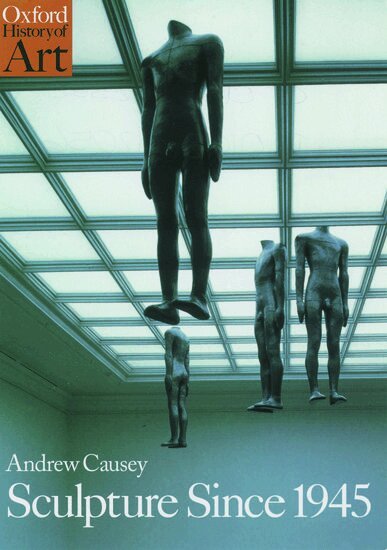
Since 1945 the modern revolution in sculpture has gathered pace, and sculpture has now ceased to be the fixed category it once was. In recent decades the modernist idea of sculpture across the UK, America, and Europe, has been challenged, and issues such as nationalityand politics have been brought in to the arena of public discussion. In this ground-breaking account of the development of post-War sculpture Andrew Causey examines innovative and avant-garde works in relation to contemporary events, festivals, commissions, the marketplace, and the changing functions of museums. He explores the use of everyday objects and the importance of sculptural context, discussing figurative and non-figurative works, Anti-form, Minimalism, experimental form, Earth Art, landscape sculpture, installation, and Performance Art. The holistic picture of post-War sculpture which emerges establishes for the first time the key events and themes round which future debate will centre.From the pre-publication reviews:Andrew Causey weaves his way adroitly through the labyrinth of post-War sculpture ... No one else has charted the territory so comprehensively |s Professor Stephen Bann, University of Kent at Canterburystimulating and persuasive ... balances a searching analysis of the impact of institutional change, issues of sites and environment, and key critical debates with revealing commentaries on individual artists and works of art ... a discerning guide for anyone interested in contemporary art and culture. |s Elizabeth Cowling, University of Edinburgha clear guide to the various directions of sculpture and the work of sculptors in the years when modern sculpture has begun to stand in its own right as a major art form. |s Sir Anthony Caro, Sculptor
293 kr
Skickas
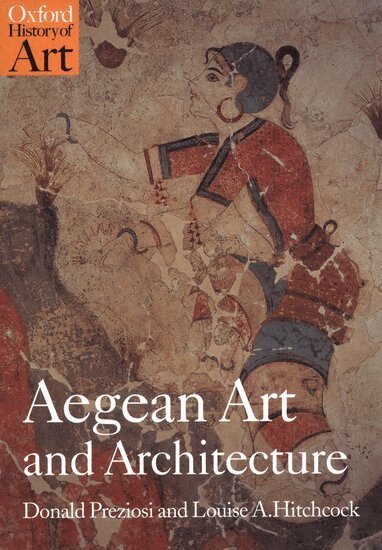
The amazing discovery of the 'first European civilization' in Crete, Greece and the Aegean islands during the late nineteenth and early twentieth centuries was beyond what anyone had imagined. Beginning with the Neolithic period, before 3000 BCE, and ending at the close of the Bronze Age and the transition to the Iron Age of Hellenic Greece (c.1000 BCE), this is the first comprehensive introduction to the visual arts and architecture of this extraordinary era. This book introduces the reader to the historical and social contexts within which the arts - pottery, gold, silver, and ivory objects, gravestone reliefs, frescoes, and architecture - of the Aegean area developed. It examines the functions they served, and the ways in which they can be read as evidence for the interactions of many different peoples and societies in the eastern Mediterranean. It also provides an up-to-date critical historiography of the field in its relationship to the growth of ancient art history, archaeology, and museology in the nineteenth and twentieth centuries, giving a contemporary audience a clear appreciation of what has been at stake in the uncovering and reconstruction of this ancient society.
242 kr
Skickas
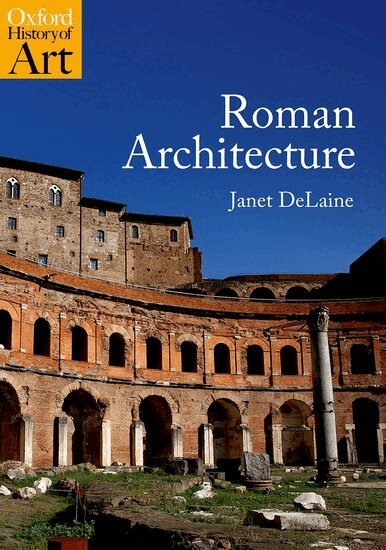
Roman Architecture casts new light not only on many familiar monuments of the city of Rome, but also on less well-known examples from across the Roman empire.Rome and its empire were fundamental to the development of western architecture, and its forms and motifs remain significant elements of our own built environments. Roman Architecture places the varied architecture of ancient Rome, from its humble apartment blocks to its grand public structures, within the broader context of Roman society. It takes as its starting point the writings of the Roman architect Vitruvius, as one voice in a broader contemporary debate about the nature and value of architecture. What did the Romans themselves think architecture was for? What was built, by whom and why? How was architecture represented in text and image?The interplay of type and variation that are the hallmark Roman architecture are here traced back to the human actions and choices from which they originated. Janet DeLaine explores how the desires of patrons for novelty and individuality were met by architects and builders working within the practical constraints of available materials and the moral prescriptions of religious and social norms to create new forms.Ranging from early Rome to the late empire, this volume casts new light on many familiar monuments of the city of Rome, but also on less well-known examples from across the empire. Through an examination of the key types of buildings at the heart of Roman society and their decoration, it reveals the symbolic meaning of architecture in terms of competitive power displays and commemoration, and it explores how architecture helped to define being 'Roman' at different times and in different places of the empire.
282 kr
Skickas
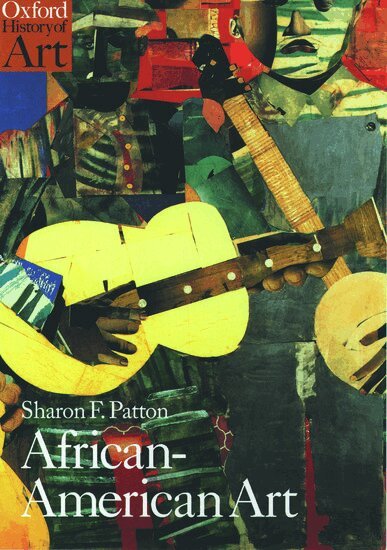
African-American art has made an increasingly vital contribution to the art of the United States from the time of its origins in early-eighteenth-century slave communities. Folk and decorative arts such as ceramics, furniture, and quilts are discussed alongside fine art -- sculpture, painting, and photography -- produced by African Americans, both enslaved and free, throughout the nineteenth century. Twentieth-century developments are given full coverage, particularly the New Negro Movement of the 1920s, the Era of Civil Rights and Black Nationalism through the 1960s and 1970s, and the emergence of new black artists and theorists in the 1980s and 1990s. New evidence has provided an exciting myriad of perspectives about African-American art, confirming that it represents the culture and society from which it emerges. Professor Patton explores significant issues such as the relationship of art and politics, the influence of galleries and museums, the growth of black universities, critical theory, the impact of artists' collectives, and the assortment of art practices since the 1960s. African-American Art shows that in its cultural diversity and synthesis of cultures it mirrors those in American society as a whole. `African-American Art should be read by teachers, students, and writers, and on the shelves of every library. Professor Patton begins this impressive book with the slave ships that brought Africans to this country and gives evidence of the fine metalworking, carving, carpentry, basketry, weaving, and clay building skills passed from Africa through the works of valued but nameless slave-artisans. She tells how we learned accidentally about a few named artists like the slave, Scipio Moorhead, who in 1773 engraved the only surviving image of poet, Phyllis Wheatley. She describes the portraitists, furniture makers and highly skilled artisans. Sharon Patton follows a path leading from great African formal styles, which, mixed with the powerful expressive force of struggle and opposition, led to distinctive new ideasfrom the quilts of Harriet Powers in the late 1800s to the paintings of Jean Michel Basquiat in the 1980s. She helps the reader to think and search for the evidence of the art-making skills that not only survived the Middle Passage, but the many erasings of the auction block and racism's lack, little and denial. In a fine survey of contemporary African-American art and ideas complete with words from the artists themselvesPatton takes us first through its foundations and the through the movements, people and ideas that surrounded and generated this art. An art historian, curator, and scholar, Patton has produced a volume which, like no other, can be used both as an unusual reference book and a good read on an important part of American art. The illustrations are a special treat.' Emma Amos, Artist Professor of Art, Rutgers University `For a long period of time there has been an acknowledged need for a comprehensive text that integrates the full range of African American artistry, the building crafts, slave craftsmanship, the decorative and the fine arts tradition into one scholarly document. Professor Patton has brought those elements of history into her text that are often omitted in the available texts on the subject of African-American art and much of what she has written is primary information not previously recorded outside the context of social history.The cultural context in which Professor Patton has written accounts of the artistry of African-American artists and craftsmen from the period of American slavery to the present is illuminating, analytically sound, and well documented. She has brought to the attention of the reader a number of topics such as 'Art Institutions and the Artist's Groups' that have not been thoroughly discussed in previous texts on the subject. A subject such as 'The Plantation House', the place where many decorative arts originated in the slave society is a welcomed addition to Professor Patton's historical overview.'David Driskell, Artist Distinguished University Professor of Art, University of Maryland `Sharon Patton has written a much needed text which surveys the broad scope of the history of African-American art from slavery to the present. She has followed a different tack, tracing art themes and their development throughout the history, rather than the influences of specific artists or periods. Thus, she shows how ideas such as crafts, formal painting and sculpture, or architecture, co-existed with equal importance to the culture from the times of the Colonies. In so doing, she breaks down the barrier between folk and formal art, and articulates an interrelationship of both concepts to African-American people and their culture. Her book expands the framework for the visual arts in the United States in the last two centuries.'Professor Keith Morrison, Dean, College of Creative Arts, San Francisco State University
261 kr
Skickas inom 5-8 vardagar
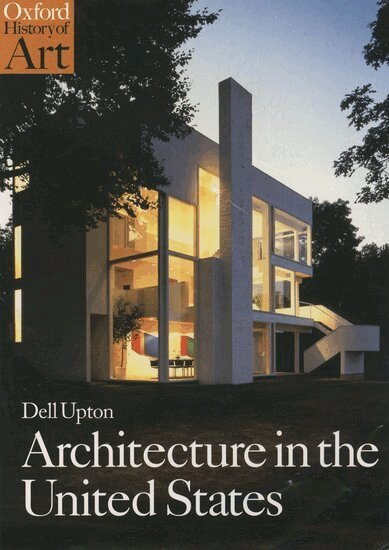
American Architecture is astonishingly varied. From Indian sites in New Mexico and Arizona, and the ancient earthworks of the Mississippi Valley, to the most fashionable contemporary buildings of Chicago and New York, the United States boasts three thousand years of architectural history. It is characterized by the diversity of its builders and consumers who include Native American men and women, African, Asian, and European immigrants, as well as renowned professional architects and urban planners. Dell Upton's revolutionizing interpretation examines American architecture in relation to five themes: community, nature, technology, money, and art. In giving particular attention to indigenous, folk, ethnic and popular architectures like Chaco Canyon, Brooklyn suspension bridge, and native American houses, as well as to the great monuments of traditional histories such as Jefferson's Monticello and Wright's Fallingwater, Architecture in the United States reveals the dazzling richness of America's human landscape. From the pre-publication reviews: Dell Upton: Architecture in the United States - Reviews 'In Architecture in the United States Dell Upton essentially reinvents American architectural history. Employing a series of cultural, economic, and political contexts, his incisive and entertaining narrative examines some 3,000 years of human intervention in the natural landscape, contrasting, comparing and interweaving an astounding range of built forms. This ingenious approach focuses our attention on both the commonality and diversity of human experiences that have shaped this country. Upton's book should be read by everyone with an interest in America's cultural landscape. They will never look at it in the same way again.' Professor Kenneth A. Breisch Southern California Institute of Architecture 'In Architecture in the United States Dell Upton has dismantled the typical chronological history of American architecture and reconceived it as a thematic history, organized according to the compelling themes of "Community", "Nature", "Technology", "Money", and "Art". Upton's very broad definitions of architecture includes traditional high-art monuments like Thomas Jefferson's Monticello or Frank Lloyd Wright's Falling Water, alongside Native American houses and earthworks, typical courthouse squares, recent planned suburbs, bridges, world's fair pavilions, office buildings, and other categories of building that gives the book its freshness and forces readers to reconsider received ideas about American architecture. The book begins with a tour-de-force chapter on Monticello in which all the themes are brought to bear in explaining the meanings embodied in this one site. Upton's inclusive analysis delivers sharp insights about buildings that are so familiar one would have thought there was nothing more to be said. His method invites us to move beyond the limits of aesthetics, and to take more risks to ask more wide-ranging questions about the architecture we inhabit and study.' Professor Elizabeth Cromley Northeastern University 'Dell Upton has written an extraordinarily illuminating book that is a pleasure to read. It synthesizes the existing literature on American architecture while critically exploring fundamental questions about the nature and meaning of architectural, urban, and landscape design. There is a refreshing inclusiveness here about the meaning of both America and its architecture. The book's thematic structure reveals rich new possibilities for understanding American society and culture by scrutinizing its architecture. By-passing conventional chronologies Upton represents cutting-edge historiographical methods but without the cant and jargon of contemporary theory. This important book will usefully transform our historical understanding of American architecture.' Professor Daniel Bluestone University of Virginia'The originality of Upton's conceptual framework makes everything he considers new, profound, and convincing. We see public and private space, social and individual effort, in a shifting dialectic resolvable into no stable patter. This Is architecture in motion. And at last we understand malls.' Professor Garry Wills Northwestern University 'The organization of the material that the author chose is very intriguing and successfully communicates his ideas' Rebecca L. Binder, FAIA Architect
261 kr
Skickas inom 5-8 vardagar
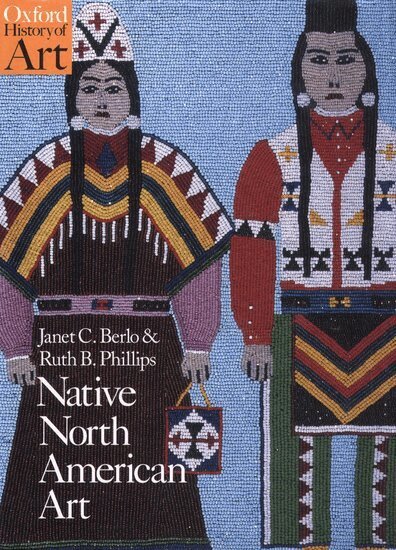
An innovative survey of Native North American art history which fully incorporates substantive new research and scholarship, and examines such issues as gender, representation, the colonial encounter, and contemporary arts. By encompassing both the sacred and secular, political and domestic, the ceremonial and commercial, it shows the importance of the visual arts in maintaining the integrity of spiritual, social , political, and economic systems within Native North American societies. This exciting new investigation explores the indigenous arts of the US and Canada from the early pre-contact period to the present day, stressing the conceptual and iconographic continuities over five centuries and across an immensely diverse range of regions. The richness of Native American art is emphasized through discussions of basketry, wood and rock carvings, dance masks, and beadwork, alongside the contemporary vitality of paintings and installations by modern artists such as Robert Davidson, Emmi Whitehorse, and Alex Janvier. 'the best guide yet to understanding the complexities of Native North American art . . . a solidly ground, sophisticated history, combining art history, anthropology, and cultural studies . . . splendidly well-written . . . useful and timely.' Gerald McMaster, Curator of Art, Canadian Museum of Civilization
430 kr
Skickas inom 5-8 vardagar
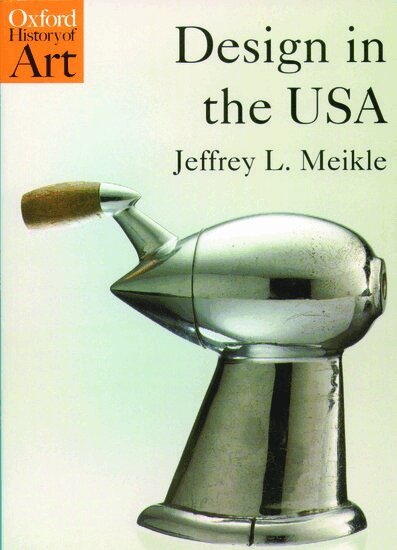
From the Cadillac to the Apple Mac, the skyscraper to the Tiffany lampshade, the world in which we live has been profoundly influenced for over a century by the work of American designers. But the product is only the end of a story that is full of fascinating questions. What has been the social and cultural role of design in American society? To produce useful things that consumers need? Or to persuade them to buy things that they don't need? Where does the designer stand in all this? And how has the role of design in America changed over time, since the early days of the young Republic? Jeffrey Meikle explores the social and cultural history of American design spanning over two centuries, from the hand-crafted furniture and objects of the early nineteenth century, through the era of industrialization and the mass production of the machine age, to the information-based society of the present, covering everything from the Arts and Crafts movement to Art Deco, modernism to post-modernism, MOMA to the Tupperware bowl.
261 kr
Skickas
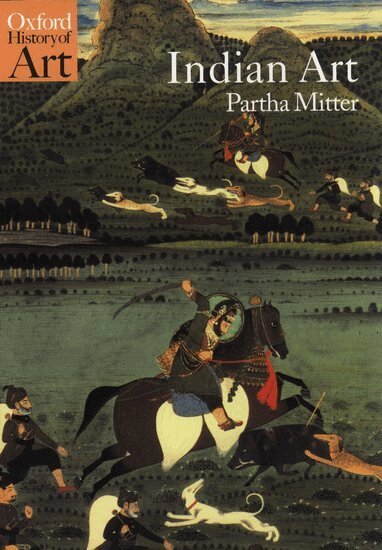
This concise yet lively new survey guides the reader through 5000 years of Indian art and architecture. A rich artistic tradition is fully explored through the Hindu, Buddhist, Islamic, Colonial, and contemporary periods, incorporating discussion of modern Bangladesh and Pakistan, tribal artists, and the decorative arts.Combining a clear overview with much fascinating detail, Mitter succeeds in bringing to life the true diversity of Indian culture. The influence of Islam on the Mughal court, which produced the world-famous Taj Mahal and exquisite miniature paintings is closely examined. More recently, he discusses the nationalist and global concerns of contemporary art, including the rise of female artists, the stunning architecture of Charles Correa, and the vibrant art scene.The very particular character of Indian art is set within its cultural and religious milieu, raising important issues about the profound differences between Western and Indian ideas of beauty and eroticism in art.
261 kr
Skickas
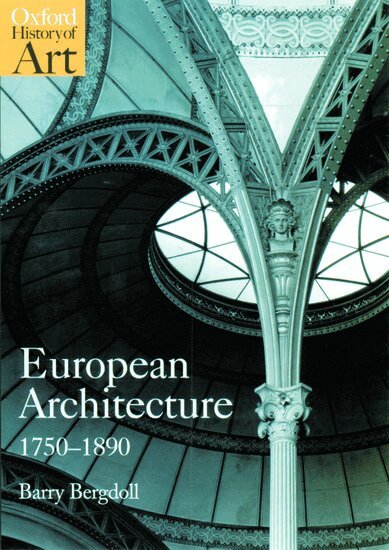
This comprehensive examination of eighteenth and nineteenth-century architecture explores its extreme diversity within the context of tremendous social, economic and political upheaval. Bergdolls offers a penetrating analysis of the very ways issues of style functioned to make architecture one of the most vitally experimental of art forms in a period of sweeping political, social, and economic change. Never before had the functional requirements and expressive capacities of architecture been tested so thoroughly and with such diversity of invention. Bergdoll traces this experimentation in a broad range of contexts, focusing in particular on the relation of architectural design to new theories of history, new categories of scientific inquiry, and the broadening audience for architecture in this period of transformation. Unlike traditional surveys with long lists of buildings and architects, the themes are elucidated by in-depth coverage of key buildings which in turn are situated in both their local and European context.
261 kr
Skickas
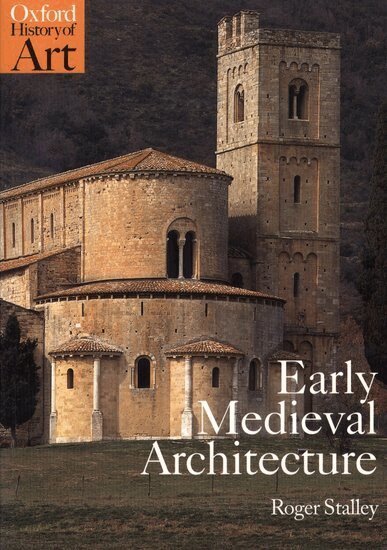
The early middle ages were an exciting period in the history of European architecture, culminating in the development of the Romanesque style. Major architectural innovations were made during this time including the medieval castle, the church spire, and the monastic cloister. By avoiding the traditional emphasis on chronological development, Roger Stalley provides a radically new approach to the subject, exploring issues and themes rather than sequences and dates. In addition to analysing the language of the Romanesque, the book examines the engineering achievements of the builders, and clearly how the great monuments of the age were designed and constructed. Ranging from Gotland to Apulia, the richness and variety of European architecture is explored in terms of the social and religious aspirations of the time. Symbolic meanings associated with architecture are also thoroughly investigated. Written with style and humour, the lively text includes many quotations from ancient sources, providing a fascinating insight into the way that medieval buildings were created, and in the process enlivening study of this period.
261 kr
Skickas inom 7-10 vardagar
The Renaissance was a diverse phenomenon, marked by innovation and economic expansion, the rise of powerful rulers, religious reforms, and social change. Encompassing the entire continent, Renaissance Architecture examines the rich variety of buildings that emerged during these seminal centuries of European history. Although marked by the rise of powerful individuals, both patrons and architects, the Renaissance was equally a time of growing group identities and communities - and architecture provided the public face to these new identities . Religious reforms in northern Europe, spurred on by Martin Luther, rejected traditional church function and decoration, and proposed new models. Political ambitions required new buildings to satisfy court rituals. Territory, nature, and art intersected to shape new landscapes and building types. Classicism came to be the international language of an educated architect and an ambitious patron, drawing on the legacy of ancient Rome. Yet the richness of the medieval tradition continued to be used throughout Europe, often alongside classical buildings. Examining each of these areas by turn, this book offers a broad cultural history of the period as well as a completely new approach to the history of Renaissance architecture. The work of well-known architects such as Michelangelo and Andrea Palladio is examined alongside lesser known though no less innovative designers such as Juan Guas in Portugal and Benedikt Ried in Prague and Eastern Europe. Drawing on the latest research, it also covers more recent areas of interest such as the story of women as patrons and the emotional effect of Renaissance buildings, as well as the impact of architectural publications and travel on the emerging new architectural culture across Europe. As such, it provides a compelling introduction to the subject for all those interested in the history of architecture, society, and culture in the Renaissance, and European culture in general.
261 kr
Skickas
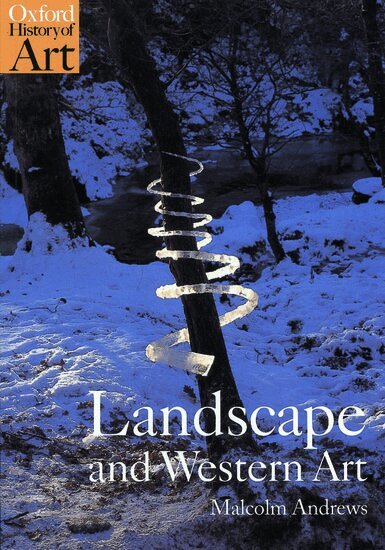
What is landscape? How does it differ from 'land'? Does landscape always imply something to be pictured, a scene? When and why did we begin to cherish images of nature? What is 'nature'? Is it everything that isn't art, or artefact? This book explores many fascinating issues raised by the great range of ideas and images of the natural world in Western art since the Renaissance. Using a thematic structure many issues are examined, for instance: landscape as a cultural construct; the relationship between landscape as accessory or backdrop and landscape as the chief subject; landscape as constituted by various practices of framing; the sublime and ideas of indeterminacy; landscape art as picturesque or as exploration of living processes. These issues are raised and explored in connection with Western cultural movements, and within a full international and historical context. Many forms of landscape art are included: painting, gardening, panorama, poetry, photography, and art. The book is designed to both take stock of recent interdisciplinary debates and act as a stimulus to rethinking our assumptions about landscape.
293 kr
Skickas
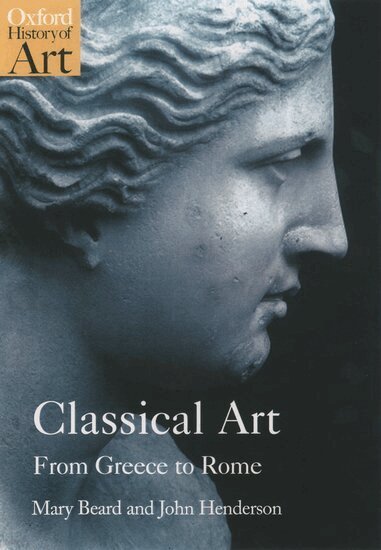
The stunning masterpieces of Ancient Greece and Rome are fundamental to the story of art in Western culture and to the origins of art history. The expanding Greek world of Alexander the Great had an enormous impact on the Mediterranean superpower of Rome. Generals, rulers, and artists seized, imitated, and re-thought the stunning legacy of Greek painting and sculpture, culminating in the greatest art-collector the world had ever seen, the Roman emperor, Hadrian.This exciting new look at Classical art starts with the excavation of the buried city of Pompeii, and investigates the grandiose monuments of ancient tyrants, and the sensual beauty of Apollo and Venus. Concluding with that most influential invention of all, the human portrait, it highlights the re-discovery of Classical art in the modern world, from the treasure hunts of Renaissance Rome to scientific retrieval in the twenty-first century.
261 kr
Skickas
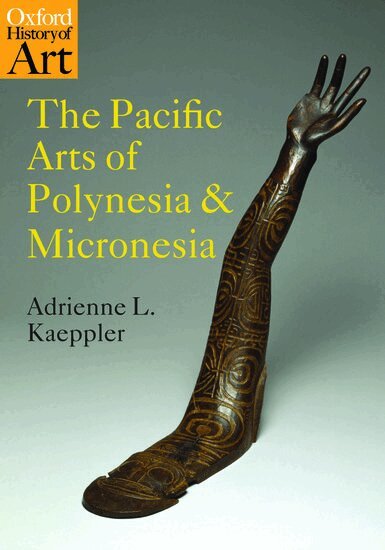
The Pacific Ocean covers one-third of the earth's surface. Comprising thousands of islands and hundreds of cultural groups, Polynesia and Micronesia cover a large part of this vast ocean, from the dramatic mountains of Hawaii to the small, flat coral islands of Kiribati. Including both traditional and contemporary arts, this book introduces the rich artistic traditions of these two regions, traditions that have had a considerable impact on western art in the twentieth century through the influence of artists such as Gauguin. Instead of looking at Polynesia and Micronesia separately, the book focuses on the artistic types, styles, and concepts that they share, placing each in its wider cultural context. From the textiles of Tonga to the canoes of Tahiti, Adrienne Kaeppler looks at religious and sacred rituals and objects, carving, architecture, tattooing, personal ornaments, basket-making, clothing, textiles, fashion, the oral arts, dance, music and musical instruments - even canoe-construction - to provide the ultimate introduction to the rich and vibrant artistic cultures of the Polynesian and Micronesian islands.
261 kr
Skickas
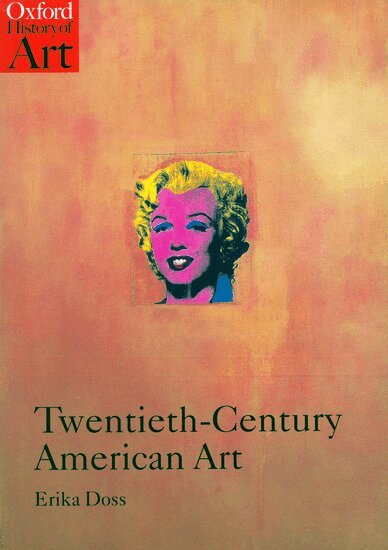
Jackson Pollock, Georgia O'Keeffe, Andy Warhol, Julian Schnabel, and Laurie Anderson are just some of the major American artists of the twentieth century. From the 1893 Chicago World's Fair to the 2000 Whitney Biennial, a rapid succession of art movements and different styles reflected the extreme changes in American culture and society, as well as America's position within the international art world.This exciting new look at twentieth century American art explores the relationships between American art, museums, and audiences in the century that came to be called the 'American century'. Extending beyond New York, it covers the emergence of Feminist art in Los Angeles in the 1970s; the Black art movement; the expansion of galleries and art schools; and the highly political public controversies surrounding arts funding. All the key movements are fully discussed, including early American Modernism, the New Negro movement, Regionalism, Abstract Expressionism, Pop Art, and Neo-Expressionism.
293 kr
Skickas
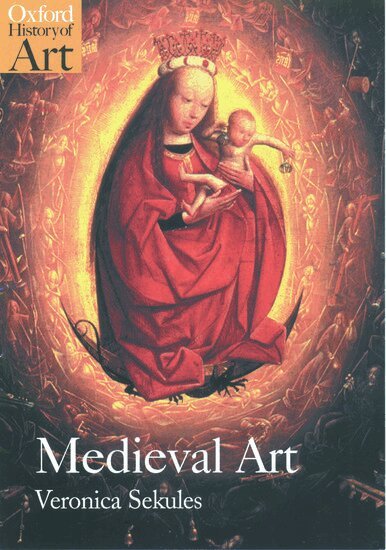
This refreshing new look at Medieval art conveys a very real sense of the impact of art on everyday life in Europe from 1000 to 1500. It examines the importance of art in the expression and spread of knowledge and ideas, including notions of the heroism and justice of war, and the dominant view of Christianity. Taking its starting point from issues of contemporary relevance, such as the environment, the identity of the artist, and the position of women, the book also highlights the attitudes and events specific to the sophisticated visual culture of the Middle Ages, and goes on to link this period to the Renaissance. The fascinating question of whether commercial and social activities between countries encouraged similar artistic taste and patronage, or contributed to the defining of cultural difference in Europe, is fully explored.
261 kr
Skickas
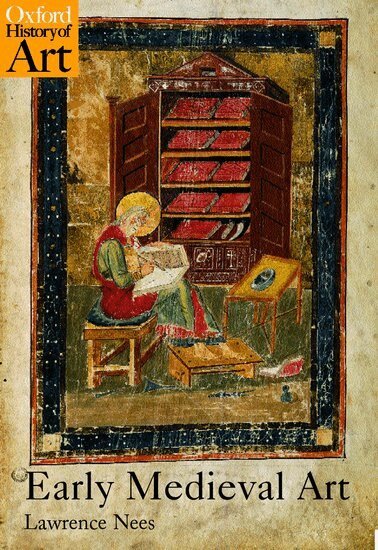
The first millennium saw a rich and distinctive artistic tradition form in Europe. While books had long been central to the Christian religious tradition, education, and culture, they now became an important artistic medium, sometimes decorated with brilliant colours and precious metals.Lawrence Nees explores issues of artist patronage, craftsmanship, holy men and women, monasteries, secular courts, and the expressive and educational roles of artistic creation. He discusses early Christian art within the late Roman tradition, and the arts of the newly established kingdoms of northern Europe not as opposites, but as different aspects of a larger historical situation. This approach reveals the onset of an exciting new visual relationship between the church and the populace throughout medieval Europe, restoring a previously marginalized subject to a central status in our artistic and cultural heritage.
261 kr
Skickas inom 7-10 vardagar
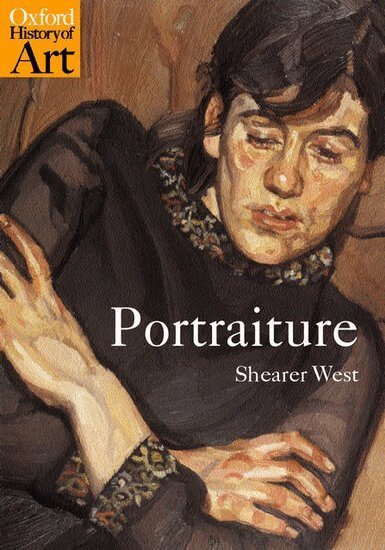
This fascinating new book explores the world of portraiture from a number of vantage points, and asks key questions about its nature. How has portraiture changed over the centuries? How have portraits represented their subjects, and how have they been interpreted? Issues of identity, modernity, and gender are considered within a cultural and historical context.Shearer West uncovers much intriguing detail about a genre that has often been seen as purely representational, featuring examples from African tribes to Renaissance princes, and from 'stars' such as David and Victoria Beckham to ordinary people. In the process, she shows us how to communicate with the past in an exciting new way.
261 kr
Skickas
This new history of over 5000 years of African art reveals its true diversity for the first time. Challenging centuries of misconceptions that have obscured the sophisticated nature of African art, Peter Garlake uses the latest research and archaeological findings to offer exciting new insights. All the main regions are covered: southern Africa, Nubia, Aksum, the Niger River, West Africa, Great Zimbabwe, and the East African coast.Acknowledging the universal allure of the African art object, this book restores it to its original social and historical context, helping us to understand more about the ways in which this art was produced, used, and received.
293 kr
Skickas
Medieval architecture comprises more than the traditional image of Gothic cathedrals and the castles of chivalry. A great variety of buildings - synagogues, halls, and barns - testifies to the diverse communities and interests in western Europe in the centuries between 1150 and 1550.This book looks at their architecture from an entirely fresh perspective. It shifts the emphasis away from such areas as France towards the creativity of other regions, including central Europe and Spain. It treats the subject thematically, seeking what all buildings, both religious and secular, have in common, and how they reflect the material and spiritual concerns of the people who built and used them. It considers how and why, after four centuries of shaping the landscapes and urban patterns of Europe, medieval styles were superseded by classicism.
261 kr
Skickas
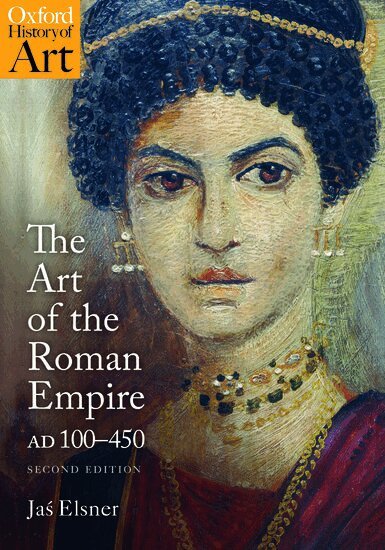
The passage from Imperial Rome to the era of late antiquity, when the Roman Empire underwent a religious conversion to Christianity, saw some of the most significant and innovative developments in Western culture. This stimulating book investigates the role of the visual arts, the great diversity of paintings, statues, luxury arts, and masonry, as both reflections and agents of those changes. Jas' Elsner's ground-breaking account discusses both Roman and early Christian art in relation to such issues as power, death, society, acculturation, and religion. By examining questions of reception, viewing, and the culture of spectacle alongside the more traditional art-historical themes of imperial patronage and stylistic change, he presents a fresh and challenging interpretation of an extraordinarily rich cultural crucible in which many fundamental developments of later European art had their origins.This second edition includes a new discussion of the Eurasian context of Roman art, an updated bibliography, and new, full colour illustrations.
261 kr
Skickas inom 7-10 vardagar
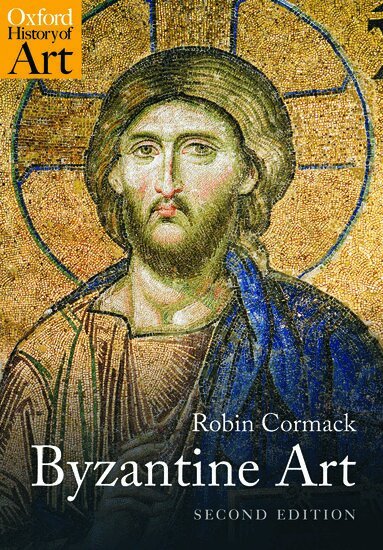
The opulence of Byzantine art, with its extravagant use of gold and silver, is well known. Highly skilled artists created powerful representations reflecting and promoting this society and its values in icons, illuminated manuscripts, and mosaics and wallpaintings placed in domed churches and public buildings. This complete introduction to the whole period and range of Byzantine art combines immense breadth with interesting historical detail. Robin Cormack overturns the myth that Byzantine art remained constant from the inauguration of Constantinople, its artistic centre, in the year 330 until the fall of the city to the Ottomans in 1453. He shows how the many political and religious upheavals of this period produced a wide range of styles and developments in art. This updated, colour edition includes new discoveries, a revised bibliography, and, in a new epilogue, a rethinking of Byzantine Art for the present day.