Alan Colquhoun – författare
Visar alla böcker från författaren . Handla med fri frakt och snabb leverans.
4 produkter
4 produkter
Häftad, Engelska, 2002
309 kr
Skickas
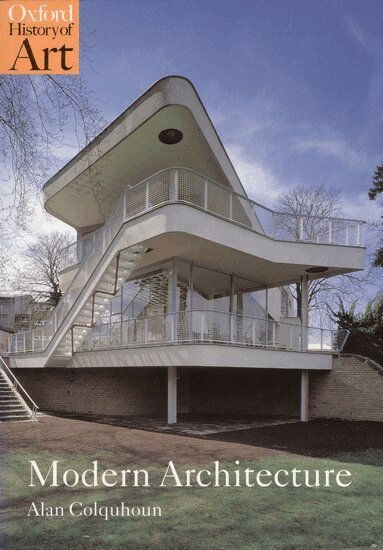
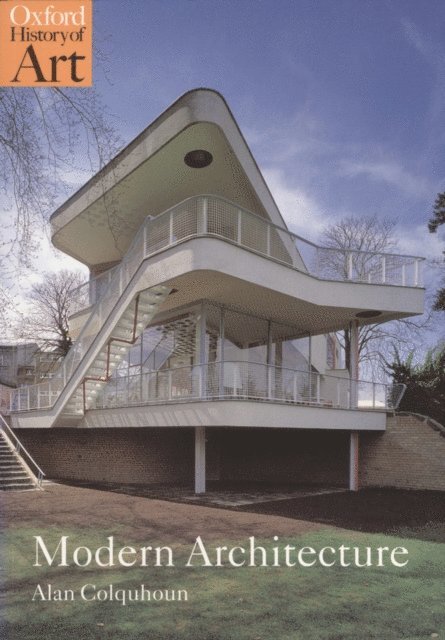
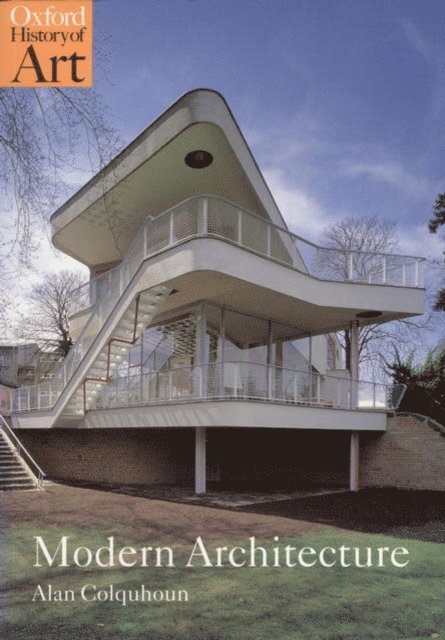
This new account of international modernism explores the complex motivations behind this revolutionary movement and assesses its triumphs and failures. The work of the main architects of the movement such as Frank Lloyd Wright, Adolf Loos, Le Corbusier, and Mies van der Rohe is re-examined shedding new light on their roles as acknowledged masters.Alan Colquhoun explores the evolution of the movement fron Art Nouveau in the 1890s to the megastructures of the 1960s, revealing the often contradictory demands of form, function, social engagement, modernity and tradition.
E-bok
Engelska, 2002177 kr
Läs direkt efter köp
This new account of international modernism explores the complex motivations behind this revolutionary movement and assesses its triumphs and failures. The work of the main architects of the movement such as Frank Lloyd Wright, Adolf Loos, Le Corbusier, and Mies van der Rohe is re-examined shedding new light on their roles as acknowledged masters.Alan Colquhoun explores the evolution of the movement fron Art Nouveau in the 1890s to the megastructures of the 1960s, revealing the often contradictory demands of form, function, social engagement, modernity and tradition.
E-bok
PDF, Engelska, 2002184 kr
Läs direkt efter köp
This new account of international modernism explores the complex motivations behind this revolutionary movement and assesses its triumphs and failures. The work of the main architects of the movement such as Frank Lloyd Wright, Adolf Loos, Le Corbusier, and Mies van der Rohe is re-examined shedding new light on their roles as acknowledged masters.Alan Colquhoun explores the evolution of the movement fron Art Nouveau in the 1890s to the megastructures of the 1960s, revealing the often contradictory demands of form, function, social engagement, modernity and tradition.
E-bok
PDF, Spanska, 2025293 kr
Läs direkt efter köp
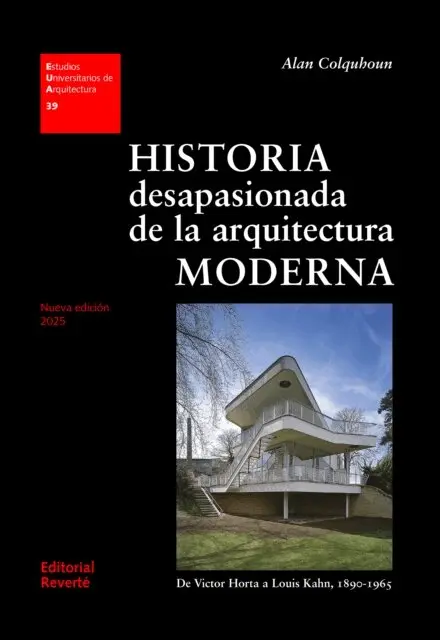
Este libro apareció originalmente en 2002, dentro de la colección Oxford History of Art. Esta nueva edición pretende volver a plantear la vigencia de la crítica al Movimiento Moderno, de la que Alan Colquhoun fue uno de los más distinguidos representantes.El autor analiza la evolución de la arquitectura moderna desde el Art Nouveau, surgido en la última década del siglo XIX, hasta las aportaciones de Louis Kahn, realizadas a partir de mediados de los años 1960.El estudio analiza las complejas motivaciones que impulsaron ese Movimiento Moderno, considerado ''revolucionario'', y da cuenta de sus éxitos y sus fracasos. Se repasa también la actividad de los principales protagonistas del periodo (como Frank Lloyd Wright, Adolf Loos, Ludwig Mies van de Rohe, Le Corbusier y Alvar Aalto) y se ofrece una nueva visión de su papel como maestros de reconocido prestigio.Alan Colquhoun explica que la línea que ha seguido en la definición de la ''arquitectura moderna'' es la que pertenece a la tradición que la consideraba una arquitectura consciente de su propia modernidad que luchaba en favor del cambio. El libro trata de situarse en el espacio que queda entre las utopías idealistas de las vanguardias históricas y las resistencias, complejidades y pluralidades de la cultura capitalista.La exposición sigue una secuencia cronológica global e intenta ser, según el autor, menos segura en su resultado y menos triunfalista que la mayoría de las historias anteriores del Movimiento Moderno. Sigue siendo, principalmente, una historia de los maestros, debido a que ésa era la naturaleza del propio Movimiento Moderno, pese a sus muchas reivindicaciones en favor del anonimato.Esta edición española incluye un prólogo de Joaquín Medina Warmburg, catedrático de Historia de la Arquitectura en la Universidad Politécnica de Karlsruhe.