Andrew Causey – författare
Visar alla böcker från författaren Andrew Causey. Handla med fri frakt och snabb leverans.
7 produkter
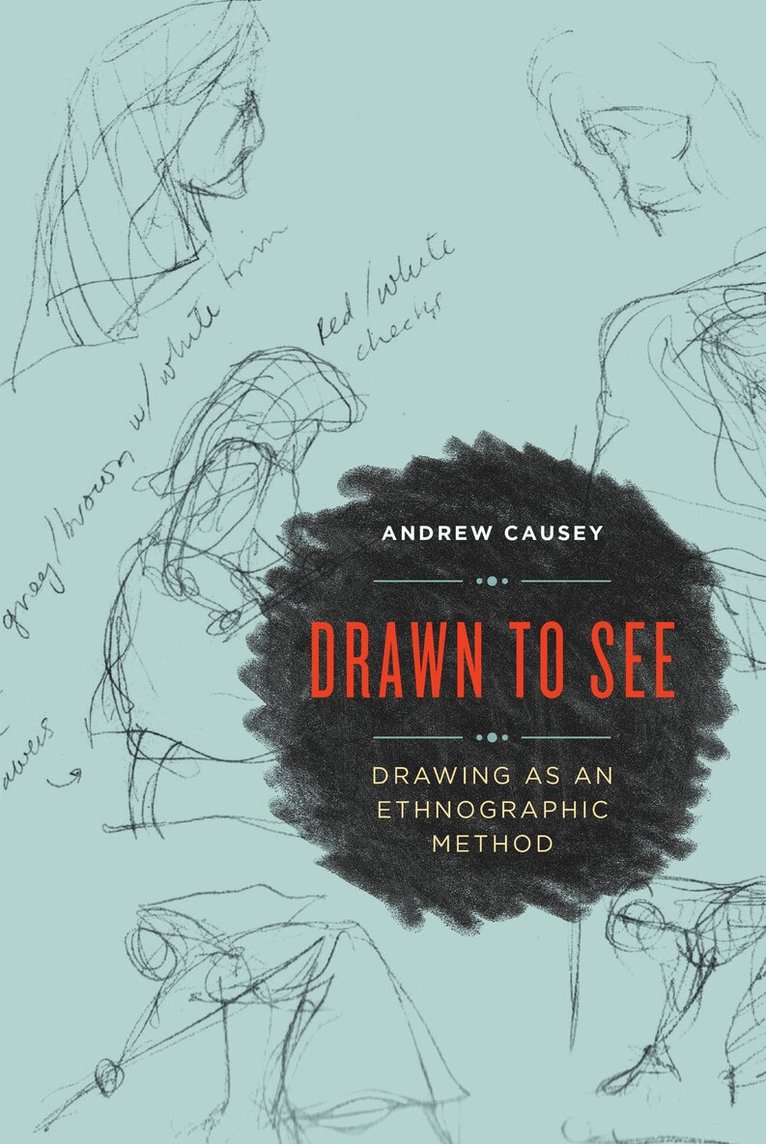
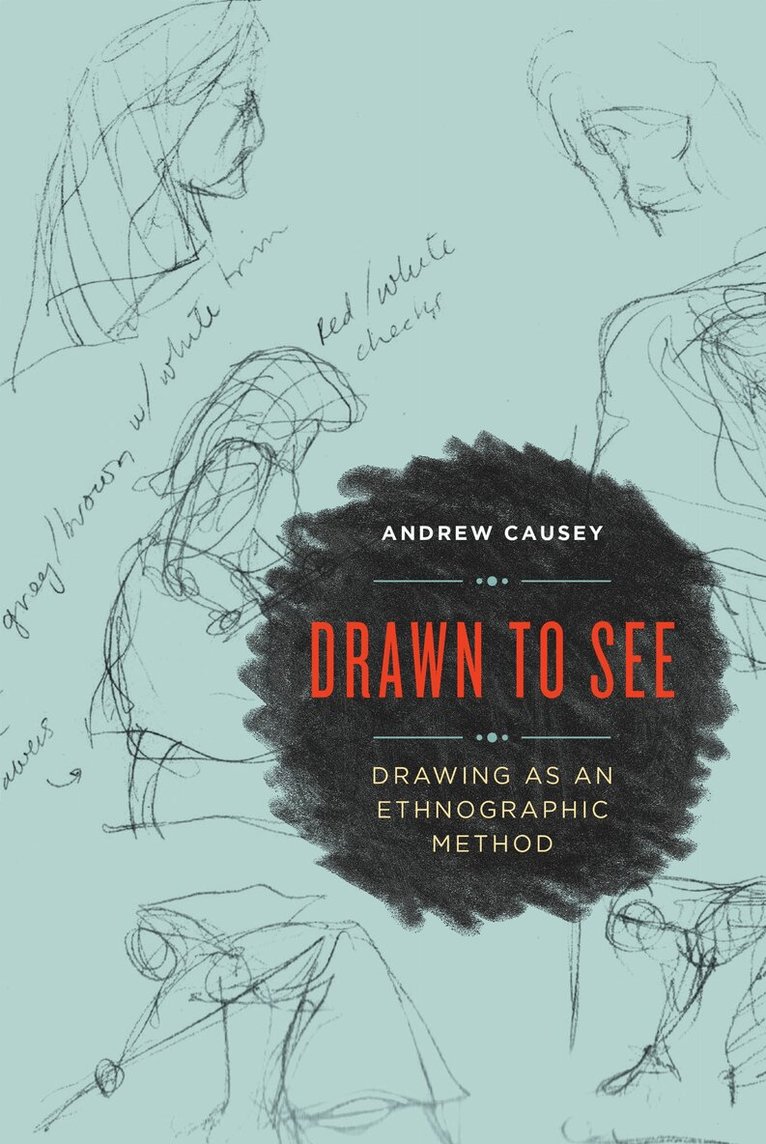
Drawn to See
Drawing As an Ethnographic Method
Häftad, 2016
369 kr
Lägg i varukorg
In this meditation/how-to guide on drawing as an ethnographic method, Andrew Causey offers insights, inspiration, practical techniques, and encouragement for social scientists interested in exploring drawing as a way of translating what they "see" during their research.
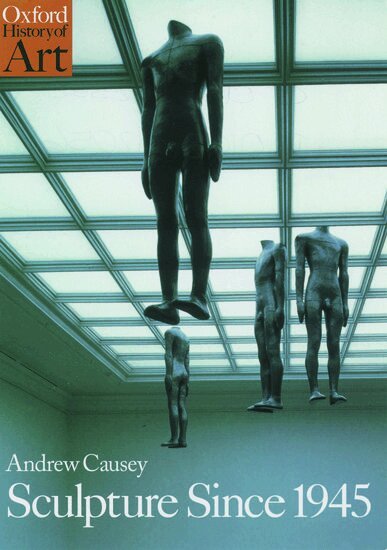
Sculpture Since 1945
Häftad, 1998
279 kr
Lägg i varukorg
Since 1945 the modern revolution in sculpture has gathered pace, and sculpture has now ceased to be the fixed category it once was. In recent decades the modernist idea of sculpture across the UK, America, and Europe, has been challenged, and issues such as nationalityand politics have been brought …
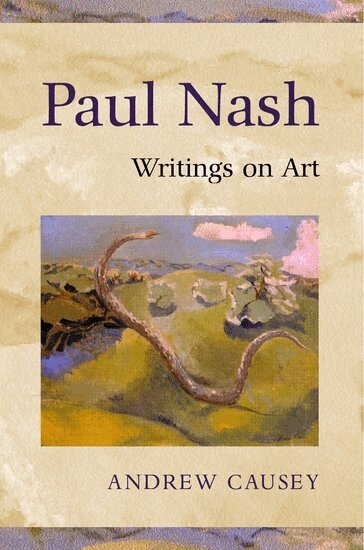
Paul Nash: Writings on Art
Inbunden, 2001
3478 kr
Lägg i varukorg
This is a critical edition of the art writings of the painter Paul Nash (1889-1946). Alongside the very different Wyndham Lewis, Nash was the only major British artist of his generation who was also a regular critic of, and essayist on, art. He knew and read the leading critics of his day, and …
Drawn to See
Drawing As an Ethnographic Method
E-bok, 2016
403 kr
Lägg i varukorg
In this meditation/how-to guide on drawing as an ethnographic method, Andrew Causey offers insights, inspiration, practical techniques, and encouragement for social scientists interested in exploring drawing as a way of translating what they "see" during their research.
Drawn to See
Drawing As an Ethnographic Method
E-bok, 2016
390 kr
Lägg i varukorg
In this meditation/how-to guide on drawing as an ethnographic method, Andrew Causey offers insights, inspiration, practical techniques, and encouragement for social scientists interested in exploring drawing as a way of translating what they "see" during their research.
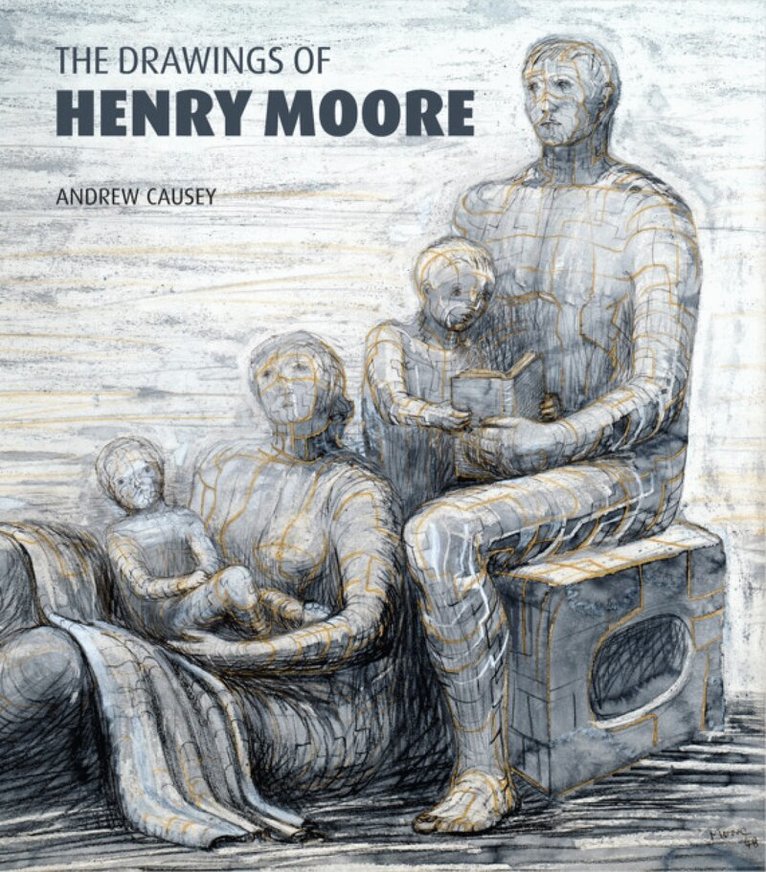
Drawings of Henry Moore
Inbunden, 2010
582 kr
Tillfälligt slut
Henry Moore's Shelter Drawings are universally recognised as a key element of his oeuvre. However, these drawings should not be seen in isolation: this volume provides a highly readable account of the development of all of Moore's drawings as a draughtsman so providing a well-rounded discussion of …
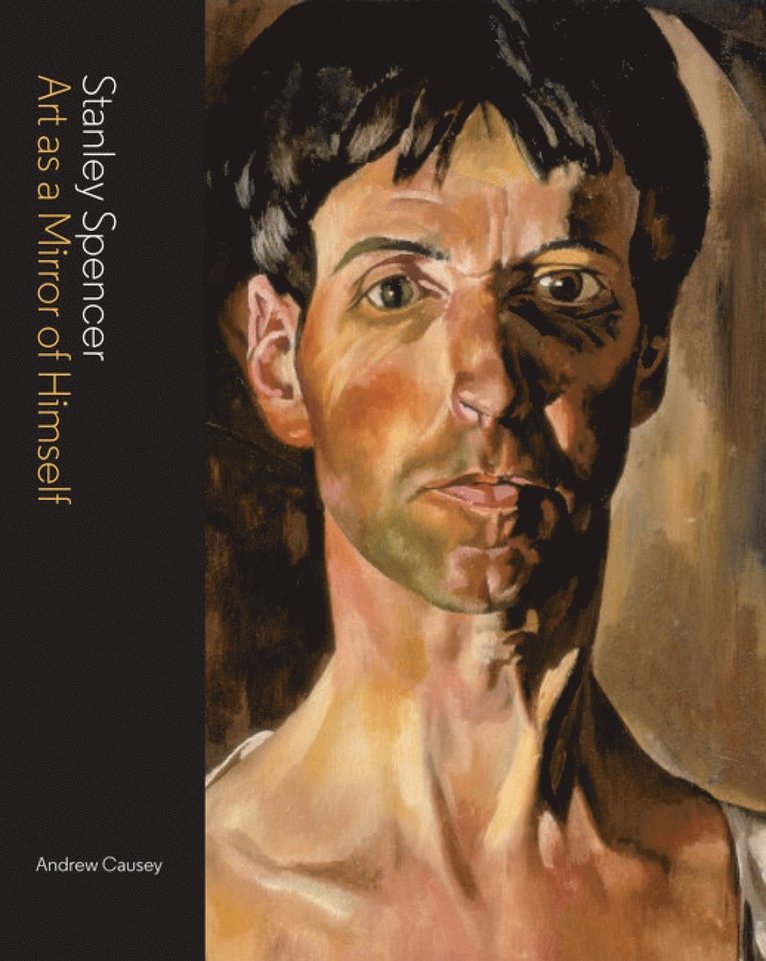
Stanley Spencer
Art as a Mirror of Himself
Inbunden, 2014
606 kr
Tillfälligt slut
Stanley Spencer (1891-1959) explored fundamental issues of life with an urgency and persistence unique among British artists of his generation. His art comments on religion, love, sexuality, fraternity and community. Charting the trajectory of Spencer's painting career in depth, this original …