Rewriting the History of Philosophy – Serie
Visar alla böcker i serien Rewriting the History of Philosophy. Handla med fri frakt och snabb leverans.
17 produkter
17 produkter
3 836 kr
Skickas inom 10-15 vardagar
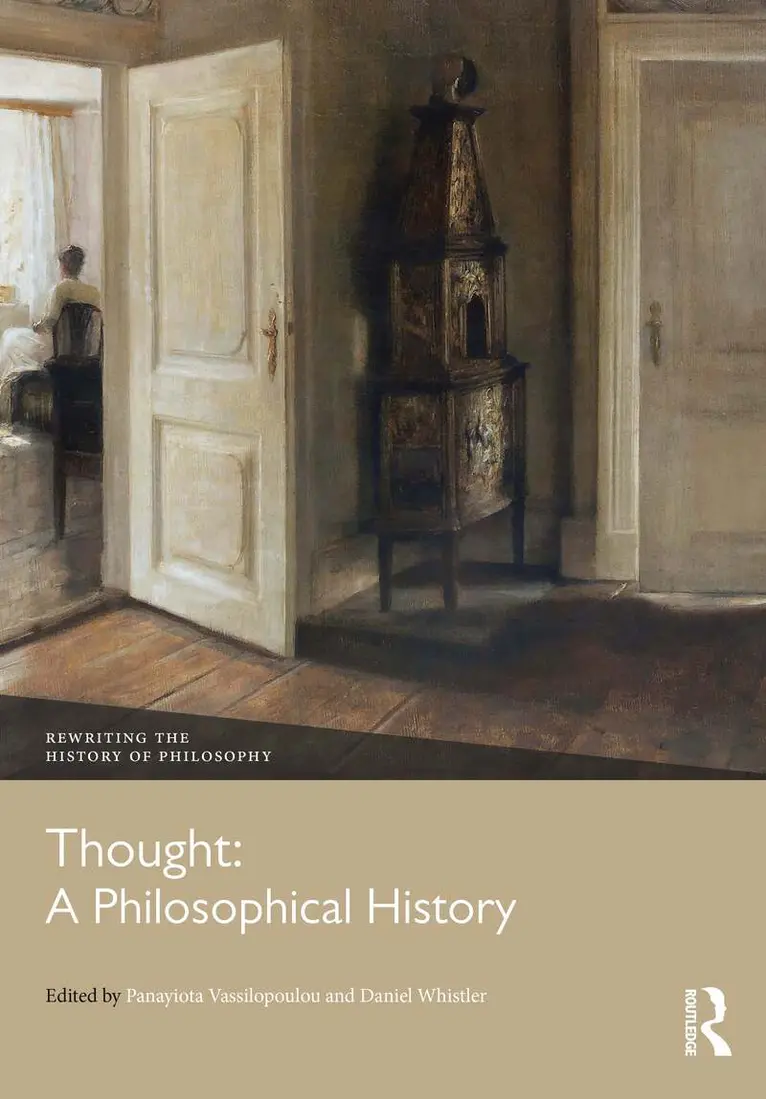
Of all the topics in the history of philosophy, the history of different forms of thinking and contemplation is one of the most important, and yet is also relatively overlooked. What is it to think philosophically? How did different forms of thinking—reflection, contemplation, critique and analysis—emerge in different epochs? This collection offers a rich and diverse philosophical exploration of the history of contemplation, from the classical period to the twenty-first century. It covers canonical figures including Plato, Aristotle, Descartes and Kant, as well as debates in less well-known areas such as classical Indian and Islamic thought and the role of speculation in twentieth-century Russian philosophy. Comprising twenty-two chapters by an international team of contributors, the volume is divided into five parts: • Flourishing and Thinking from Homer to Hume• The Thinking of Thinking from Augustine to Gödel• Images and Thinking from Plotinus to Unger• Bodies of Thought and Habits of Thinking from Plato to Irigaray• The Efficacy of Thinking from Sextus to BatailleThought: A Philosophical History is the first comprehensive investigation of the history of philosophical thought and contemplation. As such, it is a landmark publication for anyone researching and teaching the history of philosophy, and a valuable resource for those studying the subject in related fields such as literature, religion, sociology and the history of ideas.
3 200 kr
Skickas inom 10-15 vardagar
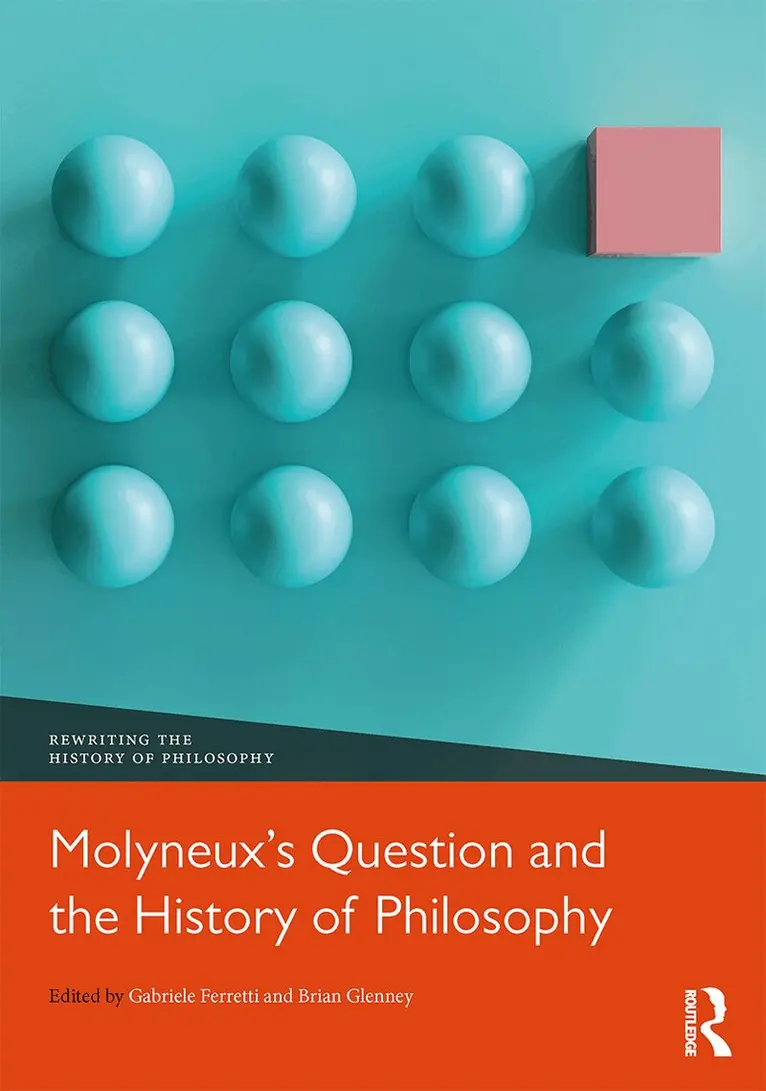
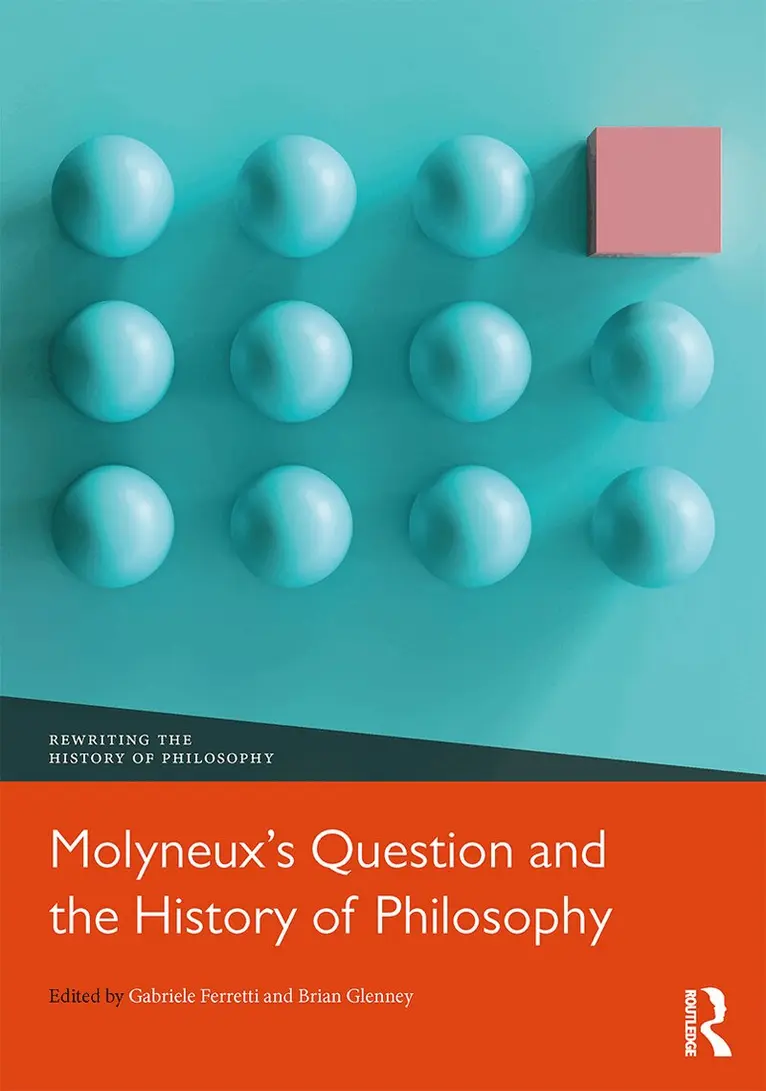
In 1688 the Irish scientist and politician William Molyneux sent a letter to the philosopher John Locke. In it, he asked him a question: could someone who was born blind, and able to distinguish a globe and a cube by touch, be able to immediately distinguish and name these shapes by sight if given the ability to see?The philosophical puzzle offered in Molyneux’s letter fascinated not only Locke, but major thinkers such as Leibniz, Berkeley, Diderot, Reid, and numerous others including psychologists and cognitive scientists today. Does such a question represent a philosophical puzzle or a problem that can be solved by experimental tests? Can vision be fully restored after blindness? What is the relation between vision and touch? Are the senses linked through learning or bound at birth?Molyneux’s Question and the History of Philosophy is a major collection of essays that explore the long-standing issues Molyneux’s problem presents to philosophy of mind, perception and the senses. In addition, the volume considers the question from an interdisciplinary angle, examines the pre-history of the question, and aspects of it that have been ignored, such as perspectives from religion and disability.As such, Molyneux’s Question and the History of Philosophy presents a set of philosophically rich, empirically informed, and scientifically rigorous original investigations into this famous puzzle. It will be of great interest to students and researchers in philosophy, psychology, and the cognitive sciences including neuroscience, neurobiology and ophthalmology, as well as those studying the mind, perception and the senses.
3 200 kr
Skickas inom 10-15 vardagar
From ancient conceptions of becoming a philosopher to modern discussions of psychedelic drugs, the concept of transformation plays a fascinating part in the history of philosophy. However, until now there has been no sustained exploration of the full extent of its role.Transformation and the History of Philosophy is an outstanding survey of the history, nature, and development of the idea of transformation, from the ancient period to the twentieth century. Comprising twenty-two specially commissioned chapters by an international team of contributors, the volume is divided into four clear parts:Philosophy as Transformative: Ancient China, Greece, India, and RomeTransformation Between the Human and the Divine: Medieval and Early Modern PhilosophyTransformation After the Copernican Revolution: Post-Kantian PhilosophyTreatises, Pregnancies, Psychedelics, and Epiphanies: Twentieth-Century PhilosophyEach of these sections begins with an introduction by the editors. Transformation and the History of Philosophy is essential reading for students and researchers in the history of western and non-western philosophy, ethics, metaphysics, and aesthetics. It will also be extremely useful for those in related disciplines such as religion, sociology, and the history of ideas.
700 kr
Skickas inom 10-15 vardagar
From ancient conceptions of becoming a philosopher to modern discussions of psychedelic drugs, the concept of transformation plays a fascinating part in the history of philosophy. However, until now there has been no sustained exploration of the full extent of its role.Transformation and the History of Philosophy is an outstanding survey of the history, nature, and development of the idea of transformation, from the ancient period to the twentieth century. Comprising twenty-two specially commissioned chapters by an international team of contributors, the volume is divided into four clear parts:Philosophy as Transformative: Ancient China, Greece, India, and RomeTransformation Between the Human and the Divine: Medieval and Early Modern PhilosophyTransformation After the Copernican Revolution: Post-Kantian PhilosophyTreatises, Pregnancies, Psychedelics, and Epiphanies: Twentieth-Century PhilosophyEach of these sections begins with an introduction by the editors. Transformation and the History of Philosophy is essential reading for students and researchers in the history of western and non-western philosophy, ethics, metaphysics, and aesthetics. It will also be extremely useful for those in related disciplines such as religion, sociology, and the history of ideas.
646 kr
Skickas inom 10-15 vardagar
In 1688 the Irish scientist and politician William Molyneux sent a letter to the philosopher John Locke. In it, he asked him a question: could someone who was born blind, and able to distinguish a globe and a cube by touch, be able to immediately distinguish and name these shapes by sight if given the ability to see?The philosophical puzzle offered in Molyneux’s letter fascinated not only Locke, but major thinkers such as Leibniz, Berkeley, Diderot, Reid, and numerous others including psychologists and cognitive scientists today. Does such a question represent a philosophical puzzle or a problem that can be solved by experimental tests? Can vision be fully restored after blindness? What is the relation between vision and touch? Are the senses linked through learning or bound at birth?Molyneux’s Question and the History of Philosophy is a major collection of essays that explore the long-standing issues Molyneux’s problem presents to philosophy of mind, perception and the senses. In addition, the volume considers the question from an interdisciplinary angle, examines the pre-history of the question, and aspects of it that have been ignored, such as perspectives from religion and disability.As such, Molyneux’s Question and the History of Philosophy presents a set of philosophically rich, empirically informed, and scientifically rigorous original investigations into this famous puzzle. It will be of great interest to students and researchers in philosophy, psychology, and the cognitive sciences including neuroscience, neurobiology and ophthalmology, as well as those studying the mind, perception and the senses.
3 132 kr
Skickas inom 10-15 vardagar
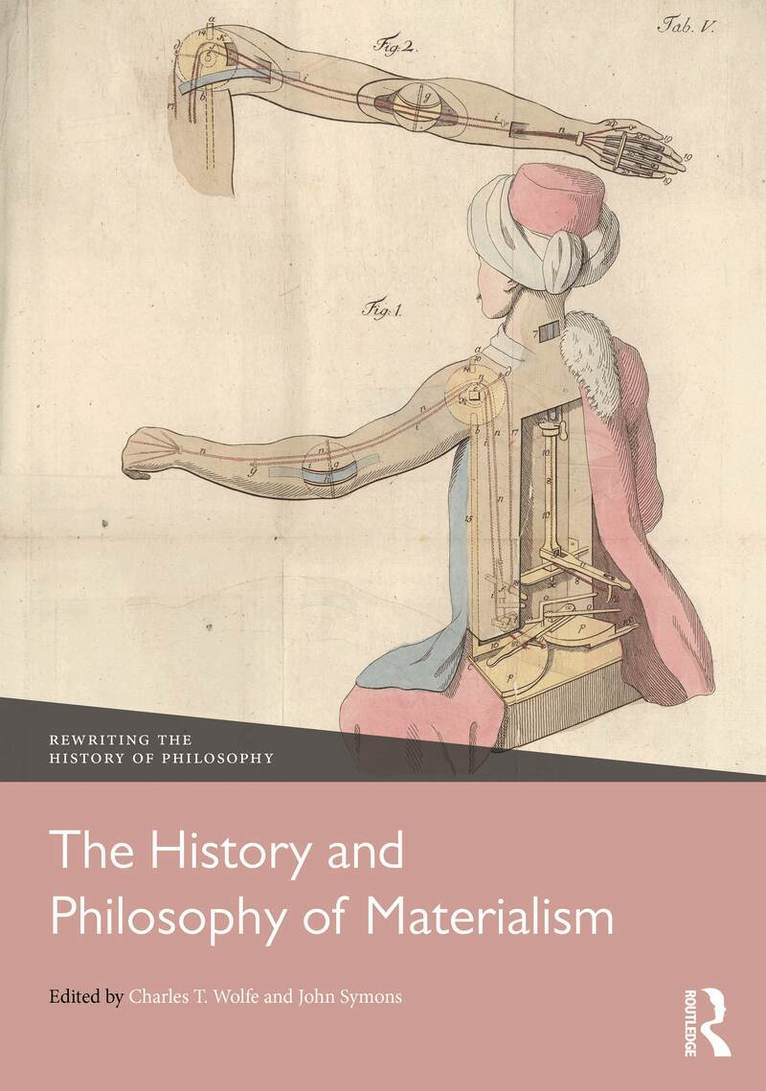
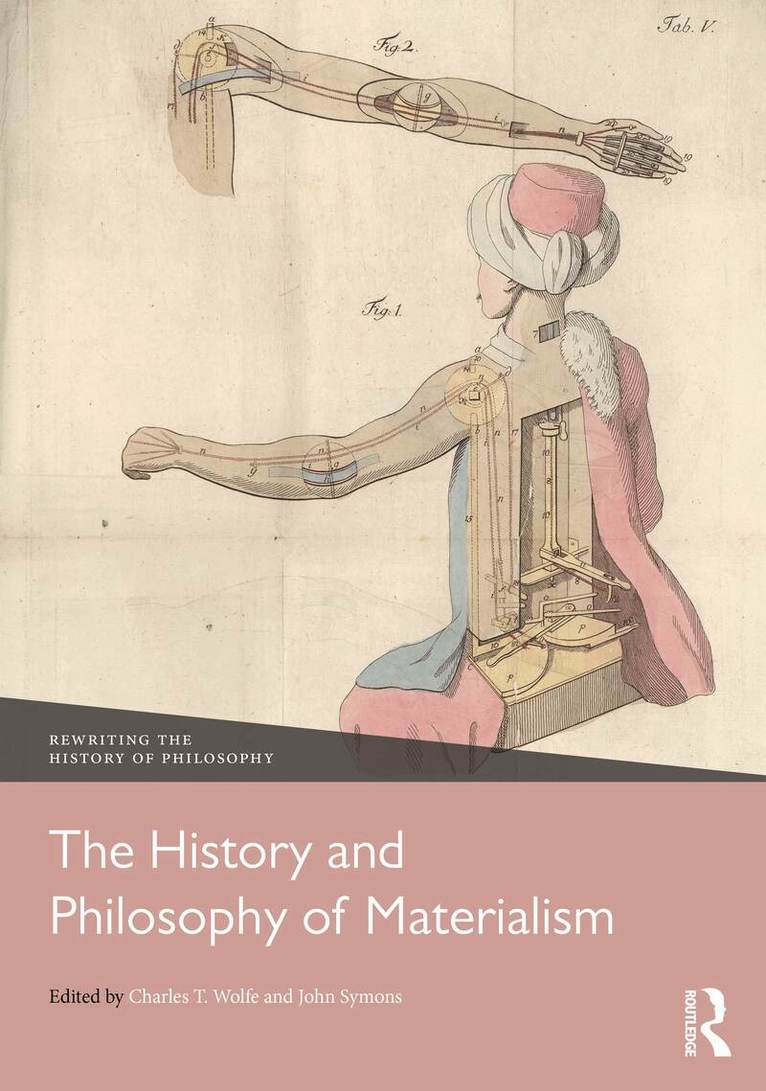
Materialism - the view that facts are dependent upon or reducible to physical processes - is one of the most long-standing and controversial of all philosophical theories. Originating in antiquity, its proponents include Epicurus, Hobbes, Diderot, Darwin and Marx, whilst its impact on modern physics and consciousness debates reverberates strongly today. It is also an important yet generally overlooked feature of Indian, Chinese and Islamic thought.This major collection, the first of its kind, explores the fascinating philosophical history of materialism, from the ancient world to the twenty-first century. Comprising thirty-one chapters by an international team of contributors, the volume is divided into six clear parts:Ancient, Non-Western and Medieval PhilosophyRenaissance and Early Modern PhilosophyEnlightenment MaterialismsNineteenth-Century PhilosophyTwentieth-Century PhilosophyContemporary Philosophy: Philosophy of Mind, Metaphysics and Critique.Within these sections key topics are covered, including materialism in classical Greece, India and China, and Aztec metaphysics; Renaissance materialism and anti-materialism; materialism and Islamic philosophy; materialism in the French and German Enlightenment; atheism and materialism; nineteenth-century materialist controversies and debates in physics; Marxism and materialism; physicalism; and the new materialism.The History and Philosophy of Materialism is ideal for those studying and researching the history of this vital philosophical movement, especially those with an interest in the history and philosophy of science, ancient and early modern philosophy and the Enlightenment. It will also be valuable reading for those in related disciplines such as history, sociology and religion.
673 kr
Skickas inom 10-15 vardagar
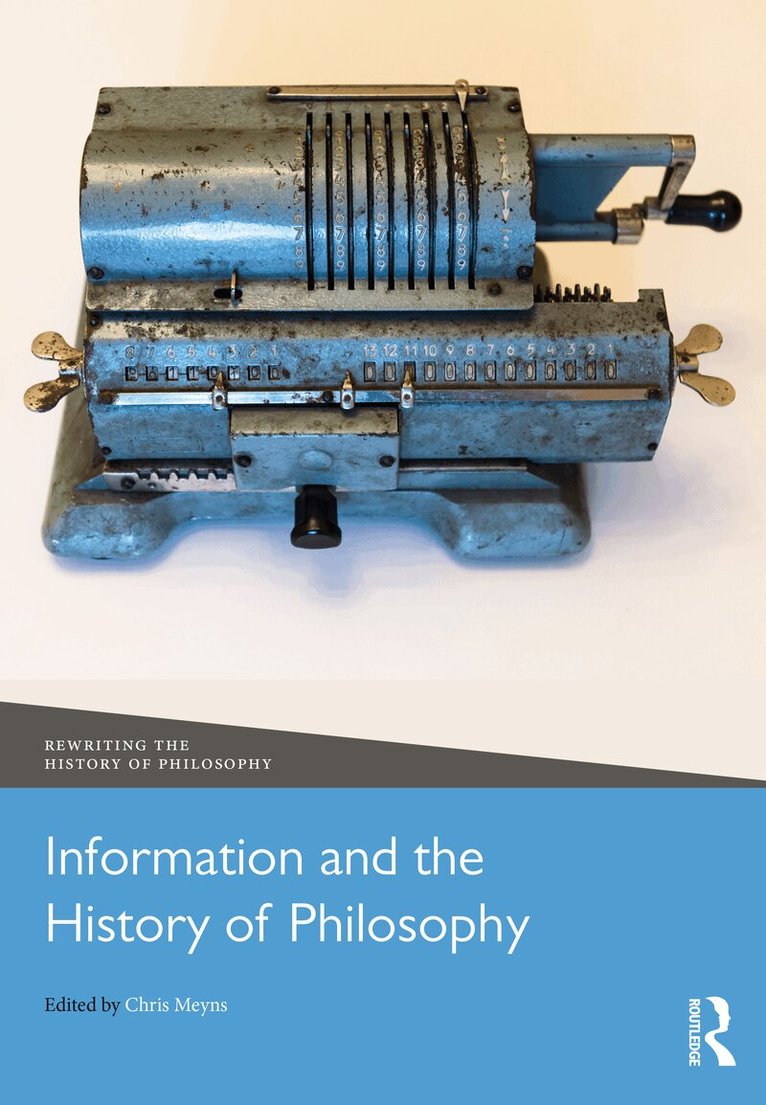
In recent years the philosophy of information has emerged as an important area of research in philosophy. However, until now information’s philosophical history has been largely overlooked.Information and the History of Philosophy is the first comprehensive investigation of the history of philosophical questions around information, including work from before the Common Era to the twenty-first century. It covers scientific and technology-centred notions of information, views of human information processing, as well as socio-political topics such as the control and use of information in societies.Organised into five parts, 19 chapters by an international team of contributors cover the following topics and more: Information before 500 CE, including ancient Chinese, Greek and Roman approaches to information; Early theories of information processing, sources of information and cognition;Information and computation in Leibniz, visualised scientific information, copyright and social reform;The nineteenth century, including biological information, knowledge economies and information’s role in empire and eugenics;Recent and contemporary philosophy of information, including racialised information, Shannon information and the very idea of an information revolution.Information and the History of Philosophy is a landmark publication in this emerging field. As such, it is essential reading for students and researchers in the history of philosophy, philosophy of science and technology, and library and information studies. It is also a valuable resource for those working in subjects such as the history of science, media and communication studies and intellectual history.
774 kr
Skickas inom 10-15 vardagar
Of all the topics in the history of philosophy, the history of different forms of thinking and contemplation is one of the most important, and yet is also relatively overlooked. What is it to think philosophically? How did different forms of thinking—reflection, contemplation, critique and analysis—emerge in different epochs? This collection offers a rich and diverse philosophical exploration of the history of contemplation, from the classical period to the twenty-first century. It covers canonical figures including Plato, Aristotle, Descartes and Kant, as well as debates in less well-known areas such as classical Indian and Islamic thought and the role of speculation in twentieth-century Russian philosophy. Comprising twenty-two chapters by an international team of contributors, the volume is divided into five parts: • Flourishing and Thinking from Homer to Hume• The Thinking of Thinking from Augustine to Gödel• Images and Thinking from Plotinus to Unger• Bodies of Thought and Habits of Thinking from Plato to Irigaray• The Efficacy of Thinking from Sextus to BatailleThought: A Philosophical History is the first comprehensive investigation of the history of philosophical thought and contemplation. As such, it is a landmark publication for anyone researching and teaching the history of philosophy, and a valuable resource for those studying the subject in related fields such as literature, religion, sociology and the history of ideas.
3 336 kr
Skickas inom 10-15 vardagar
In recent years the philosophy of information has emerged as an important area of research in philosophy. However, until now information’s philosophical history has been largely overlooked.Information and the History of Philosophy is the first comprehensive investigation of the history of philosophical questions around information, including work from before the Common Era to the twenty-first century. It covers scientific and technology-centred notions of information, views of human information processing, as well as socio-political topics such as the control and use of information in societies.Organised into five parts, 19 chapters by an international team of contributors cover the following topics and more: Information before 500 CE, including ancient Chinese, Greek and Roman approaches to information; Early theories of information processing, sources of information and cognition;Information and computation in Leibniz, visualised scientific information, copyright and social reform;The nineteenth century, including biological information, knowledge economies and information’s role in empire and eugenics;Recent and contemporary philosophy of information, including racialised information, Shannon information and the very idea of an information revolution.Information and the History of Philosophy is a landmark publication in this emerging field. As such, it is essential reading for students and researchers in the history of philosophy, philosophy of science and technology, and library and information studies. It is also a valuable resource for those working in subjects such as the history of science, media and communication studies and intellectual history.
3 200 kr
Skickas inom 10-15 vardagar
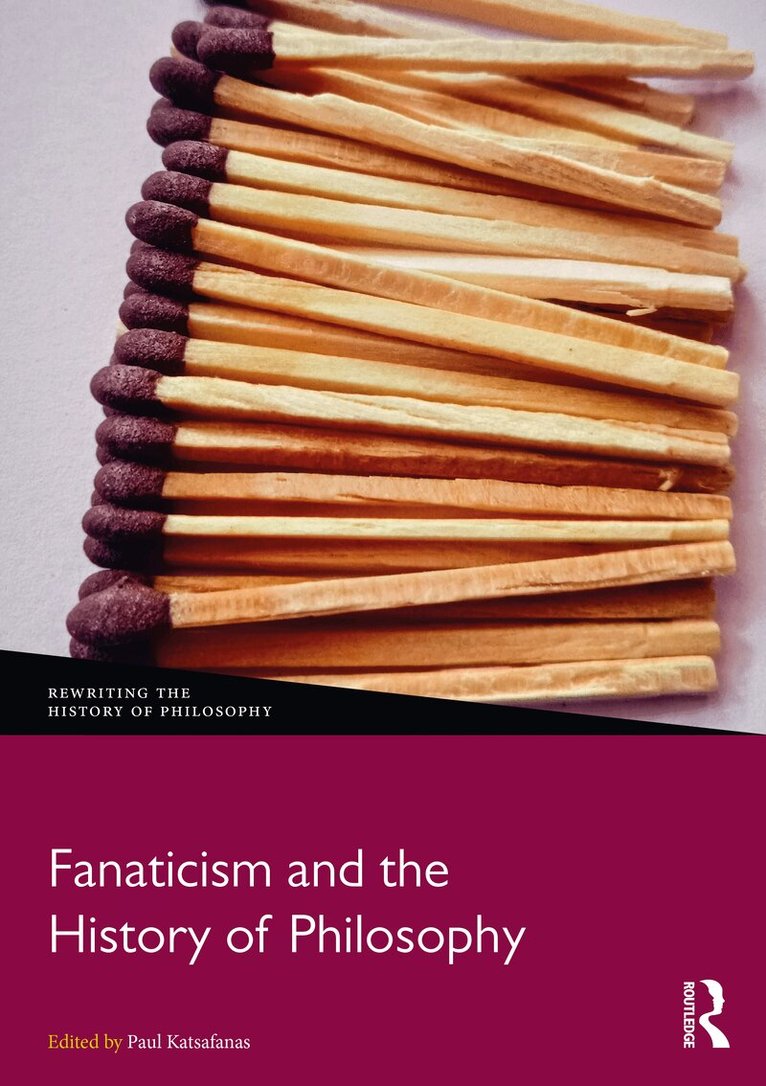
Voltaire called fanaticism the "monster that pretends to be the child of religion". Philosophers, politicians, and cultural critics have decried fanaticism and attempted to define the distinctive qualities of the fanatic, whom Winston Churchill described as "someone who can’t change his mind and won’t change the subject". Yet despite fanaticism’s role in the long history of social discord, human conflict, and political violence, it remains a relatively neglected topic in the history of philosophy.In this outstanding inquiry into the philosophical history of fanaticism, a team of international contributors examine the topic from antiquity to the present day. Organized into four sections, topics covered include: Fanaticism in ancient Greek, Indian, and Chinese philosophy;Fanaticism and superstition from Hobbes to Hume, including chapters on Locke and Montesquieu, Shaftesbury, and Hutcheson;Kant, Germaine de Stael, Hegel, Nietzsche, William James, and Jorge Portilla on fanaticism;Fanaticism and terrorism; and extremism and gender, including the philosophy and morality of the "manosphere";Closed-mindedness and political and epistemological fanaticism.Spanning themes from superstition, enthusiasm, and misanthropy to the emotions, purity, and the need for certainty, Fanaticism and the History of Philosophy is a landmark volume for anyone researching and teaching the history of philosophy, particularly ethics and moral philosophy. It is also a valuable resource for those studying fanaticism in related fields such as religion, the history of political thought, sociology, and the history of ideas.
700 kr
Skickas inom 10-15 vardagar
Voltaire called fanaticism the "monster that pretends to be the child of religion". Philosophers, politicians, and cultural critics have decried fanaticism and attempted to define the distinctive qualities of the fanatic, whom Winston Churchill described as "someone who can’t change his mind and won’t change the subject". Yet despite fanaticism’s role in the long history of social discord, human conflict, and political violence, it remains a relatively neglected topic in the history of philosophy.In this outstanding inquiry into the philosophical history of fanaticism, a team of international contributors examine the topic from antiquity to the present day. Organized into four sections, topics covered include: Fanaticism in ancient Greek, Indian, and Chinese philosophy;Fanaticism and superstition from Hobbes to Hume, including chapters on Locke and Montesquieu, Shaftesbury, and Hutcheson;Kant, Germaine de Stael, Hegel, Nietzsche, William James, and Jorge Portilla on fanaticism;Fanaticism and terrorism; and extremism and gender, including the philosophy and morality of the "manosphere";Closed-mindedness and political and epistemological fanaticism.Spanning themes from superstition, enthusiasm, and misanthropy to the emotions, purity, and the need for certainty, Fanaticism and the History of Philosophy is a landmark volume for anyone researching and teaching the history of philosophy, particularly ethics and moral philosophy. It is also a valuable resource for those studying fanaticism in related fields such as religion, the history of political thought, sociology, and the history of ideas.
3 336 kr
Skickas inom 10-15 vardagar
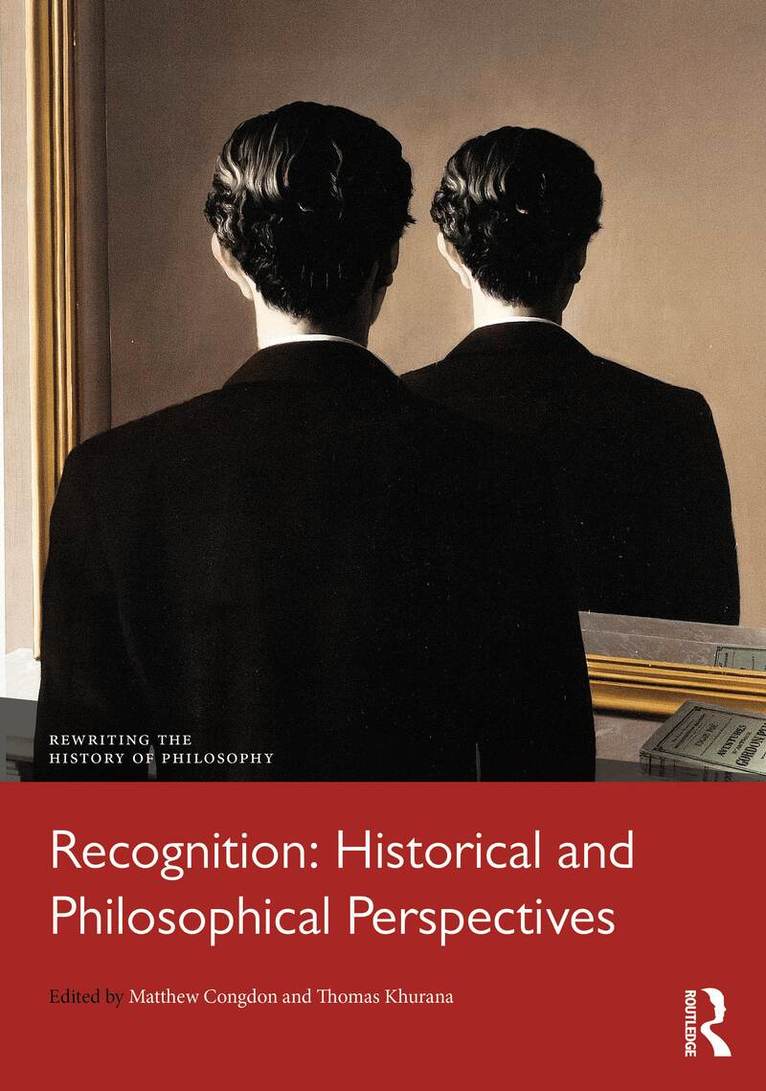
The concept of recognition has moved to the forefront of philosophical research in recent decades, particularly in political and social philosophy but also related areas, including philosophy of race and gender, philosophy of mind and language, ethics and aesthetics. It is a concept with deep roots from at least Rousseau and Hegel to contemporary social theory.In this outstanding volume, an international roster of contributors expands our perspective on recognition beyond the standard story, providing a thought-provoking reassessment of the concept and its history. Covering the fundamental figures and themes, while also going beyond them, the twenty-nine chapters explore the full scope of recognition in four sections:Aesthetic recognition, including chapters on Kant, Simmel, Murdoch, and the relationship between recognition, art, and film, including Boorman’s Deliverance and the Dardenne brothers’ Rosetta Recognition in philosophy of mind and language, including chapters on mind-reading, psychoanalysis, the logic and language of recognition, and its relation to epistemic agencyThe ethics of recognition, including chapters on Homer, Plato, classical yoga, F. Schlegel, Beauvoir, the Anthropocene, and recognition in the ethics of cognitive disabilityThe social and political philosophy of recognition, including chapters on property and gift-giving, Hegel’s aftermath, slavery and liberation, colonialism, Arendt, and alterityWith a lucid introduction by the editors detailing the standard story of recognition and what lies beyond, Recognition: Historical and Philosophical Perspectives provides an authoritative and multifaceted exploration of this fascinating concept, expanding its relevance considerably. It will be important reading for those in philosophy as well as related disciplines such as political theory, sociology, social psychology, and psychoanalysis.
632 kr
Skickas inom 10-15 vardagar
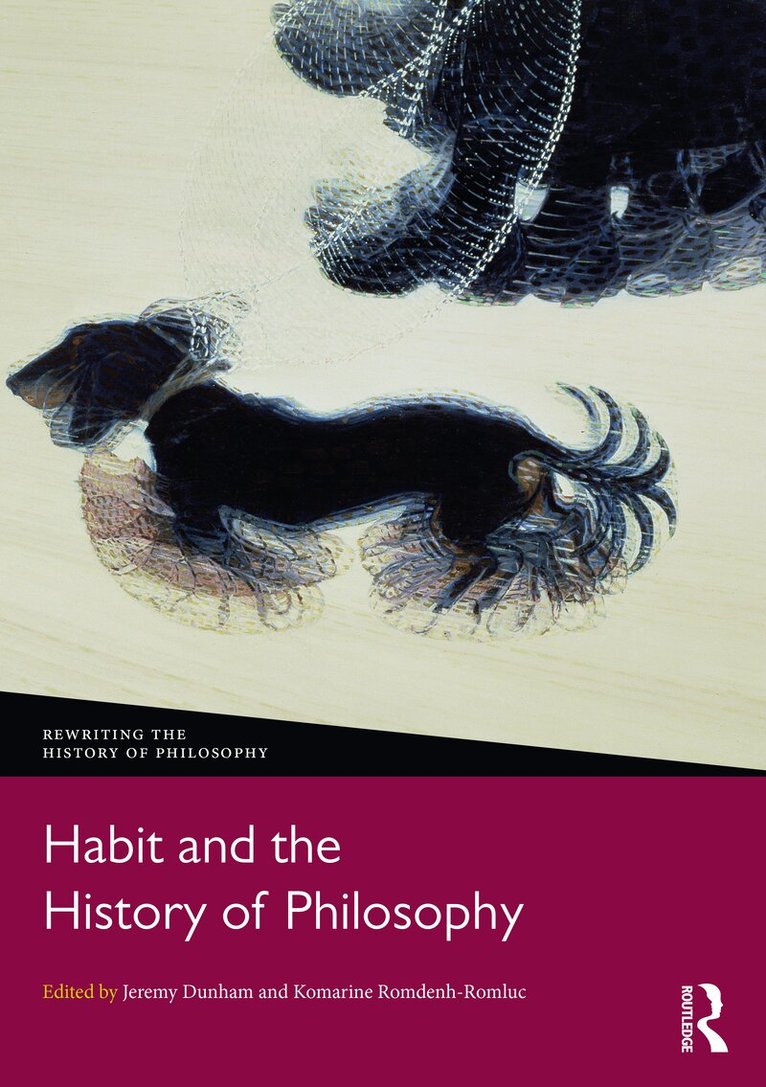
For Aristotle, habit was a fundamental aspect of human nature; and for William James, it was the "enormous flywheel" of society. In both the history of philosophy and contemporary research, it is acknowledged as a fundamental topic in ethics, moral psychology, philosophy of action, and phenomenology.This major volume, written by a team of international contributors, is an outstanding collection that offers a thorough and diverse philosophical exploration of habit from the classical period to the modern day. Carefully edited to reflect the breadth of the subject, its 18 chapters are divided into four clear parts: Habit and Ancient PhilosophyHabit and Early Modern PhilosophyHabit and Modern PhilosophyContemporary Perspectives on Habit.Key topics, debates, and figures are covered such as the emotions, perception, free will, William James, John Dewey, Maurice Merleau-Ponty, John McDowell, and Hubert Dreyfus.Habit and the History of Philosophy is essential reading for students and researchers in the history of philosophy, ethics, phenomenology, philosophy of action, and pragmatism. It will also be extremely useful for those in related disciplines such as religion, sociology, and history.
3 336 kr
Skickas inom 10-15 vardagar
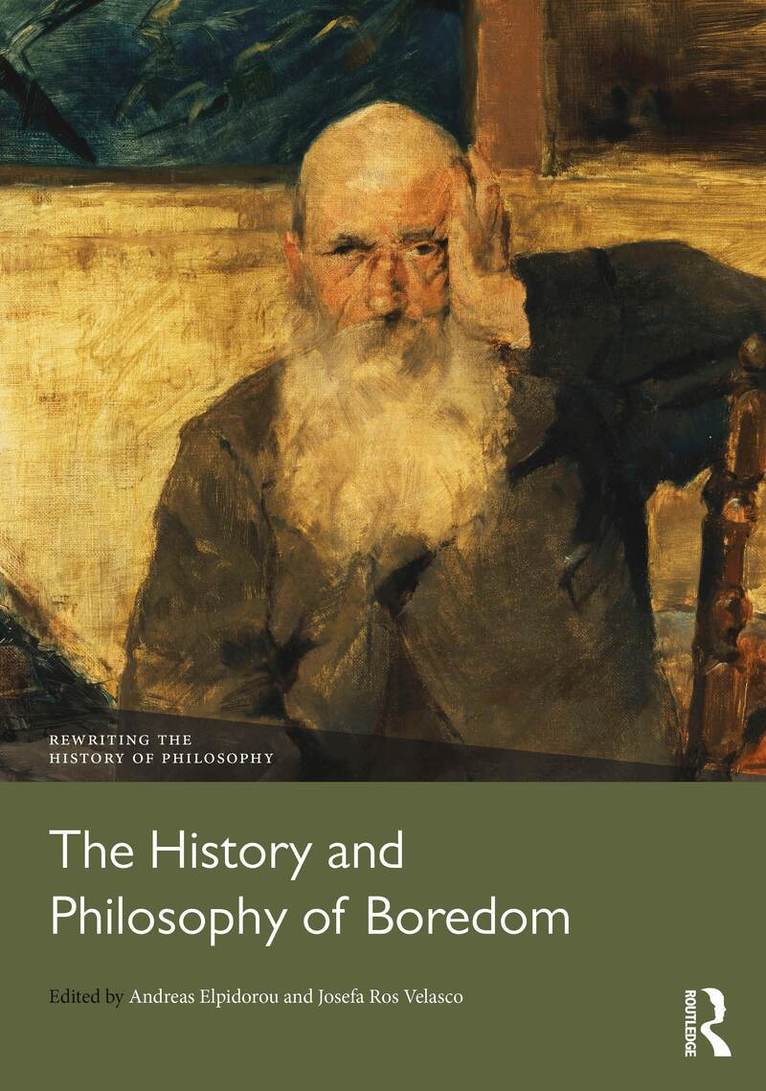
From Lucretius’s horror loci and Buddhist drowsiness to the religious boredom of acedia and the philosophical explorations of Kant, Schopenhauer, Kierkegaard, and Heidegger, boredom has long been a subject of philosophical fascination. Its story, unfolding through millennia, encompasses apathy, weariness, disaffection, melancholy, ennui, tedium, and monotony. Today, boredom assumes new forms: the drudgery of precarious work, the alienation of neoliberalism, the emptiness of leisure, and the overstimulation of our hyperconnected, technologically saturated lives.The History and Philosophy of Boredom is an outstanding collection, exploring boredom’s intellectual history from its early origins in classical thought to its contemporary manifestations. Containing eighteen specially commissioned chapters by an international team of contributors, the volume is organized into four thematic parts:Ancient Philosophical PerspectivesReligious and Medieval ExplorationsModern Philosophical InvestigationsCritical and Interdisciplinary ApproachesTopics include boredom in Socratic dialogue, Daoist and Buddhist traditions, Stoicism, and Cynicism; the religious significance of boredom in Judaism and early Christianity; boredom’s role in the works of Kant, Kierkegaard, Schopenhauer, Mill, and Nietzsche; philosophical pessimism; phenomenological approaches; boredom as a political phenomenon; and boredom’s intersections with capitalism, socialism, racial identity, and transhumanism.The History and Philosophy of Boredom is indispensable for students and researchers in the history of philosophy, emotion studies, phenomenology, and moral psychology. It will also interest scholars in religion, classics, sociology, and the history of psychology.
686 kr
Skickas inom 10-15 vardagar
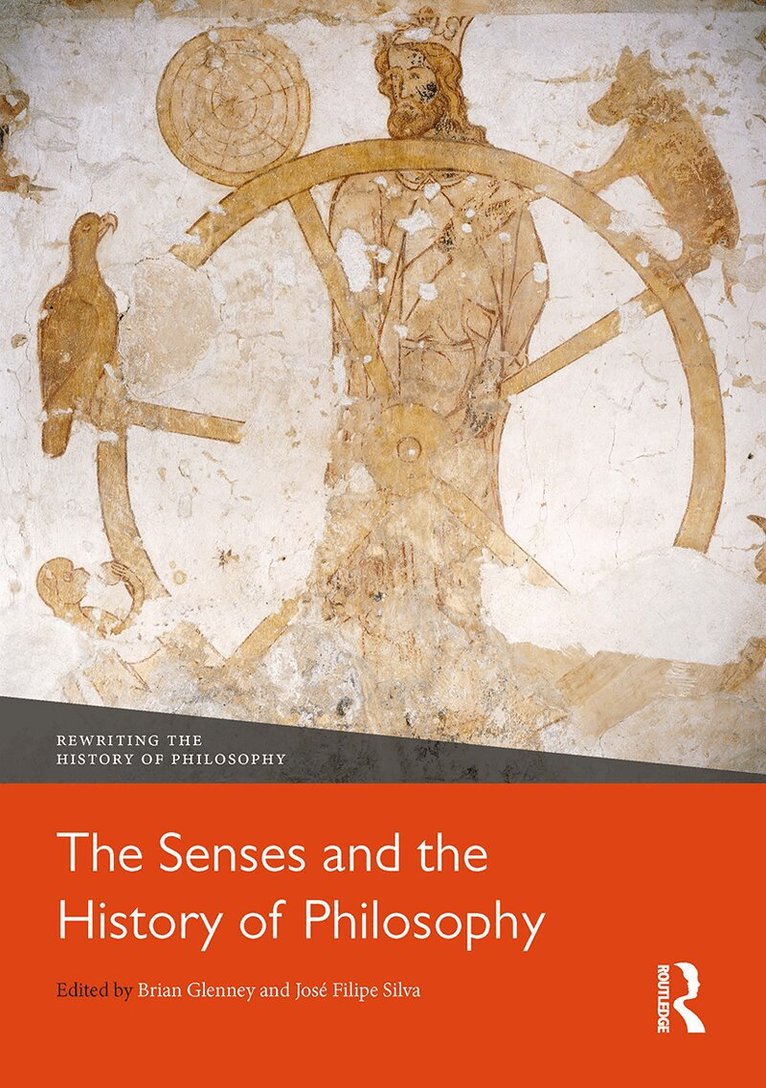
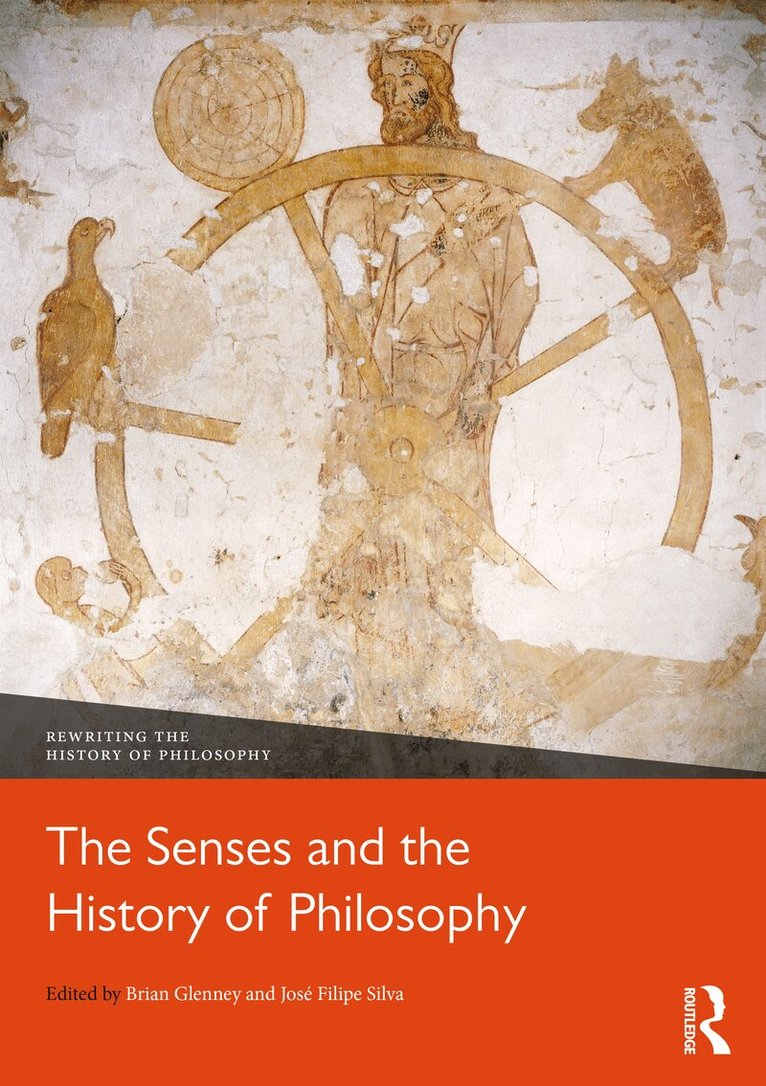
The study of perception and the role of the senses have recently risen to prominence in philosophy and are now a major area of study and research. However, the philosophical history of the senses remains a relatively neglected subject. Moving beyond the current philosophical canon, this outstanding collection offers a wide-ranging and diverse philosophical exploration of the senses, from the classical period to the present day. Written by a team of international contributors, it is divided into six parts: Perception from Non-Western PerspectivesPerception in the Ancient Period Perception in the Medieval Latin/Arabic PeriodPerception in the Early Modern PeriodPerception in the Post-Kantian PeriodPerception in the Contemporary Period. The volume challenges conventional philosophical study of perception by covering a wide range of significant, as well as hitherto overlooked, topics, such as perceptual judgment, temporal and motion illusions, mirror and picture perception, animal senses and cross-modal integration. By investigating the history of the senses in thinkers such as Plotinus, Auriol, Berkeley and Cavendish; and considering the history of the senses in diverse philosophical traditions, including Chinese, Indian, Byzantine, Greek and Latin it brings a fresh approach to studying the history of philosophy itself.Including a thorough introduction as well as introductions to each section by the editors, The Senses and the History of Philosophy is essential reading for students and researchers in the history of philosophy, perception, philosophy of mind, philosophical psychology, aesthetics and eastern and non-western philosophy. It will also be extremely useful for those in related disciplines such as psychology, religion, sociology, intellectual history and cognitive sciences.
2 853 kr
Skickas
For Aristotle, habit was a fundamental aspect of human nature; and for William James, it was the "enormous flywheel" of society. In both the history of philosophy and contemporary research, it is acknowledged as a fundamental topic in ethics, moral psychology, philosophy of action, and phenomenology.This major volume, written by a team of international contributors, is an outstanding collection that offers a thorough and diverse philosophical exploration of habit from the classical period to the modern day. Carefully edited to reflect the breadth of the subject, its 18 chapters are divided into four clear parts: Habit and Ancient PhilosophyHabit and Early Modern PhilosophyHabit and Modern PhilosophyContemporary Perspectives on Habit.Key topics, debates, and figures are covered such as the emotions, perception, free will, William James, John Dewey, Maurice Merleau-Ponty, John McDowell, and Hubert Dreyfus.Habit and the History of Philosophy is essential reading for students and researchers in the history of philosophy, ethics, phenomenology, philosophy of action, and pragmatism. It will also be extremely useful for those in related disciplines such as religion, sociology, and history.
3 132 kr
Skickas inom 10-15 vardagar
The study of perception and the role of the senses have recently risen to prominence in philosophy and are now a major area of study and research. However, the philosophical history of the senses remains a relatively neglected subject. Moving beyond the current philosophical canon, this outstanding collection offers a wide-ranging and diverse philosophical exploration of the senses, from the classical period to the present day. Written by a team of international contributors, it is divided into six parts: Perception from Non-Western PerspectivesPerception in the Ancient Period Perception in the Medieval Latin/Arabic PeriodPerception in the Early Modern PeriodPerception in the Post-Kantian PeriodPerception in the Contemporary Period.The volume challenges conventional philosophical study of perception by covering a wide range of significant, as well as hitherto overlooked, topics, such as perceptual judgment, temporal and motion illusions, mirror and picture perception, animal senses and cross-modal integration. By investigating the history of the senses in thinkers such as Plotinus, Auriol, Berkeley and Cavendish; and considering the history of the senses in diverse philosophical traditions, including Chinese, Indian, Byzantine, Greek and Latin it brings a fresh approach to studying the history of philosophy itself.Including a thorough introduction as well as introductions to each section by the editors, The Senses and the History of Philosophy is essential reading for students and researchers in the history of philosophy, perception, philosophy of mind, philosophical psychology, aesthetics and eastern and non-western philosophy. It will also be extremely useful for those in related disciplines such as psychology, religion, sociology, intellectual history and cognitive sciences.