G. Anthony Bruno – författare
Visar alla böcker från författaren G. Anthony Bruno. Handla med fri frakt och snabb leverans.
14 produkter
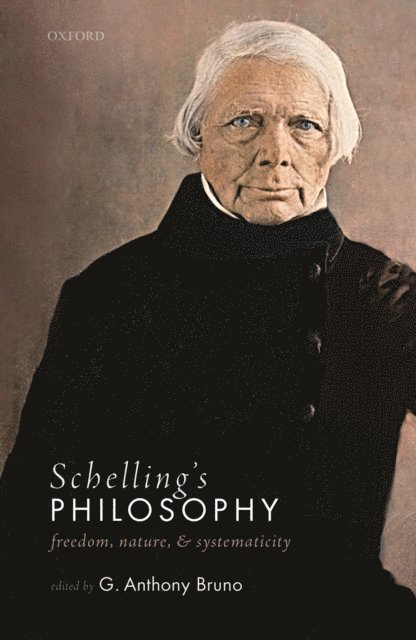
Schelling's Philosophy
Freedom, Nature, and Systematicity
E-bok, 2020
1229 kr
Lägg i varukorg
The current wave of critical and historical engagement with idealist texts affords an unprecedented opportunity to discover the richness and value of the thought of F. W. J. Schelling. In this volume leading scholars offer compelling reasons to regard Schelling as one of Kant''s most incisive …
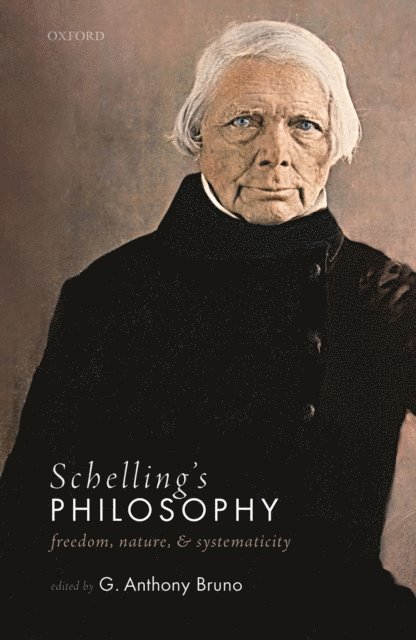
Schelling's Philosophy
Freedom, Nature, and Systematicity
E-bok, 2020
1229 kr
Lägg i varukorg
The current wave of critical and historical engagement with idealist texts affords an unprecedented opportunity to discover the richness and value of the thought of F. W. J. Schelling. In this volume leading scholars offer compelling reasons to regard Schelling as one of Kant''s most incisive …
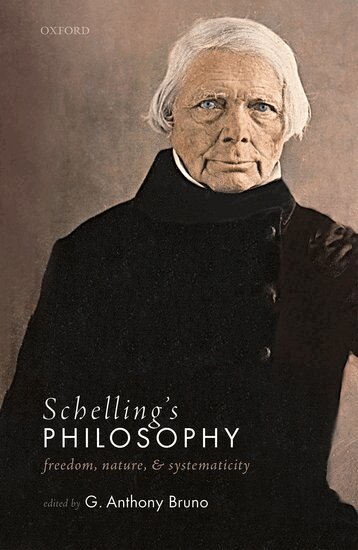
Schelling's Philosophy
Freedom, Nature, and Systematicity
Inbunden, 2020
1376 kr
Lägg i varukorg
The current wave of critical and historical engagement with idealist texts affords an unprecedented opportunity to discover the richness and value of the thought of F. W. J. Schelling. In this volume leading scholars offer compelling reasons to regard Schelling as one of Kant's most incisive …
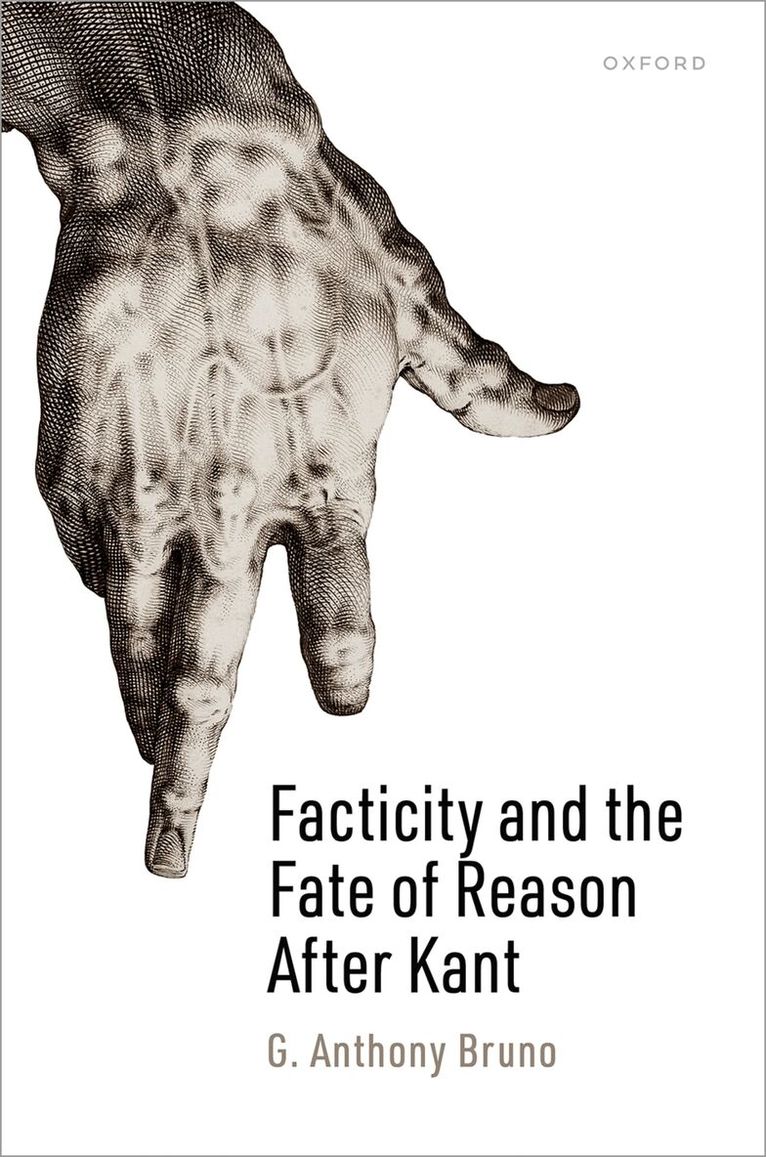
Facticity and the Fate of Reason After Kant
Inbunden, 2025
1828 kr
Lägg i varukorg
Facticity and the Fate of Reason After Kant is the first history of the concept of facticity. G. Anthony Bruno argues that this concept's coining, transmission, and repurposing by post-Kantian thinkers leaves a lasting divide concerning the question of whether a science of intelligibility can …
Facticity and the Fate of Reason After Kant
E-bok, 2025
1192 kr
Lägg i varukorg
Facticity and the Fate of Reason After Kant is the first history of the concept of facticity. G. Anthony Bruno argues that this concept''s coining, transmission, and repurposing by post-Kantian thinkers leaves a lasting divide concerning the question of whether a science of intelligibility can …
Facticity and the Fate of Reason After Kant
E-bok, 2025
1192 kr
Lägg i varukorg
Facticity and the Fate of Reason After Kant is the first history of the concept of facticity. G. Anthony Bruno argues that this concept''s coining, transmission, and repurposing by post-Kantian thinkers leaves a lasting divide concerning the question of whether a science of intelligibility can …
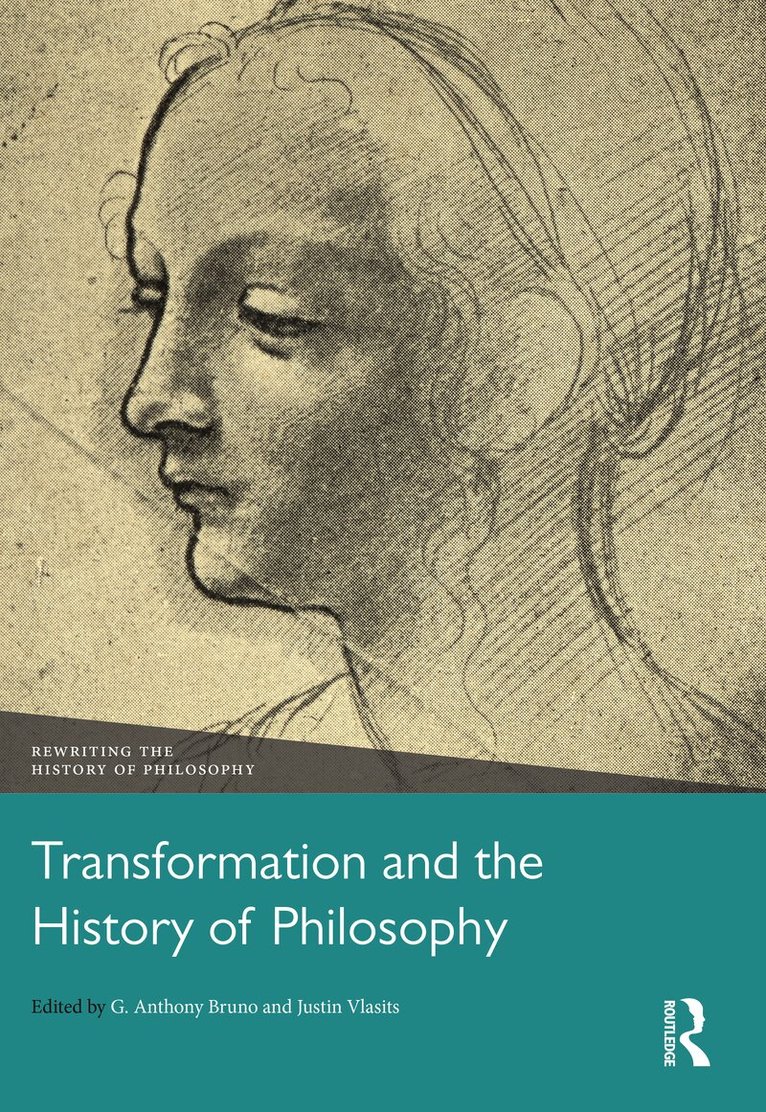
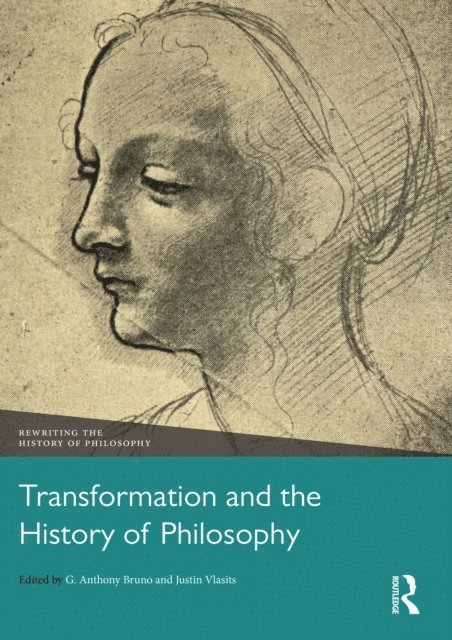
Transformation and the History of Philosophy
Av G. Anthony Bruno, Justin Vlasits
Inbunden, 2023
3781 kr
Lägg i varukorg
From ancient conceptions of becoming a philosopher to modern discussions of psychedelic drugs, the concept of transformation plays a fascinating part in the history of philosophy. However, until now there has been no sustained exploration of the full extent of its role.Transformation and the …
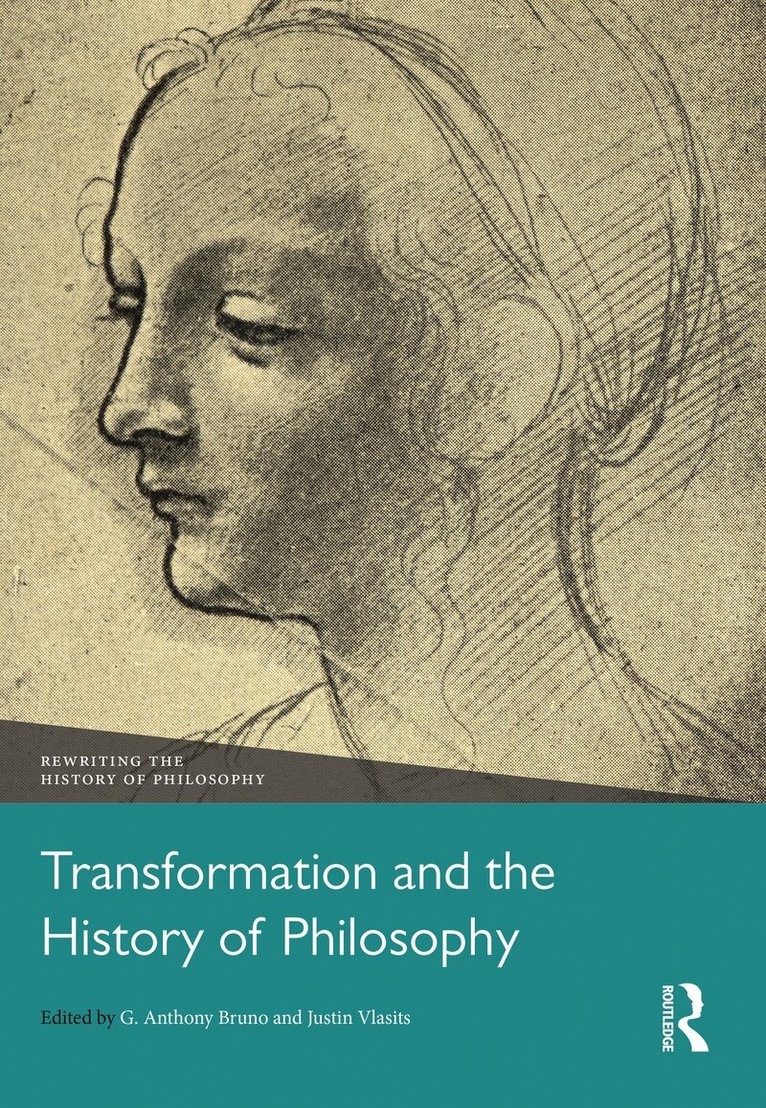
Transformation and the History of Philosophy
Av G. Anthony Bruno, Justin Vlasits
Häftad, 2025
791 kr
Lägg i varukorg
From ancient conceptions of becoming a philosopher to modern discussions of psychedelic drugs, the concept of transformation plays a fascinating part in the history of philosophy. However, until now there has been no sustained exploration of the full extent of its role.Transformation and the …
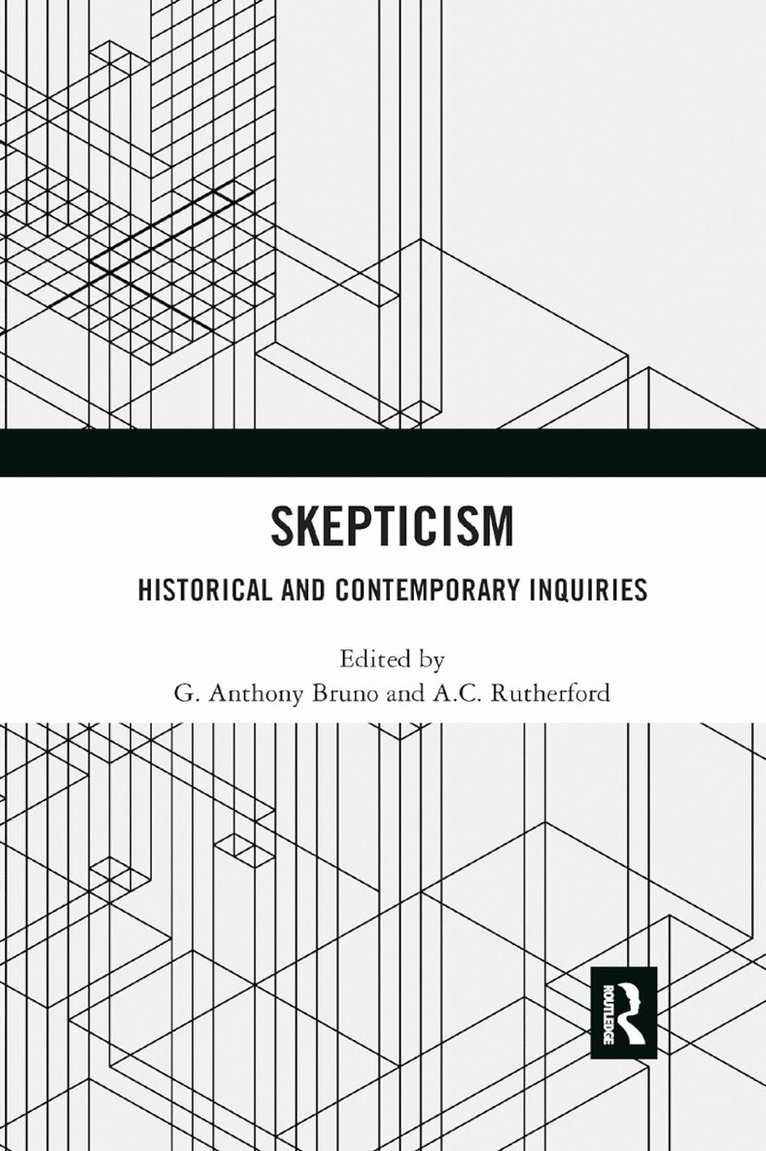
Skepticism
Historical and Contemporary Inquiries
Av G. Anthony Bruno, A.C. Rutherford
Häftad, 2019
704 kr
Lägg i varukorg
Skepticism is one of the most enduring and profound of philosophical problems. With its roots in Plato and the Sceptics to Descartes, Hume, Kant and Wittgenstein, skepticism presents a challenge that every philosopher must reckon with. In this outstanding collection philosophers engage with …
Transformation and the History of Philosophy
Av Justin Vlasits, G. Anthony Bruno
E-bok, 2023
935 kr
Lägg i varukorg
From ancient conceptions of becoming a philosopher to modern discussions of psychedelic drugs, the concept of transformation plays a fascinating part in the history of philosophy. However, until now there has been no sustained exploration of the full extent of its role. Transformation and the …
Transformation and the History of Philosophy
Av Justin Vlasits, G. Anthony Bruno
E-bok, 2023
935 kr
Lägg i varukorg
From ancient conceptions of becoming a philosopher to modern discussions of psychedelic drugs, the concept of transformation plays a fascinating part in the history of philosophy. However, until now there has been no sustained exploration of the full extent of its role. Transformation and the …
Skepticism
Historical and Contemporary Inquiries
Av G. Anthony Bruno, A.C. Rutherford
Inbunden, 2017
2024 kr
Lägg i varukorg
Skepticism is one of the most enduring and profound of philosophical problems. With its roots in Plato and the Sceptics to Descartes, Hume, Kant and Wittgenstein, skepticism presents a challenge that every philosopher must reckon with. In this outstanding collection philosophers engage with …
Skepticism
Historical and Contemporary Inquiries
Av A.C. Rutherford, G. Anthony Bruno
E-bok, 2017
831 kr
Lägg i varukorg
Skepticism is one of the most enduring and profound of philosophical problems. With its roots in Plato and the Sceptics to Descartes, Hume, Kant and Wittgenstein, skepticism presents a challenge that every philosopher must reckon with. In this outstanding collection philosophers engage with …
Skepticism
Historical and Contemporary Inquiries
Av A.C. Rutherford, G. Anthony Bruno
E-bok, 2017
805 kr
Lägg i varukorg
Skepticism is one of the most enduring and profound of philosophical problems. With its roots in Plato and the Sceptics to Descartes, Hume, Kant and Wittgenstein, skepticism presents a challenge that every philosopher must reckon with. In this outstanding collection philosophers engage with …