Komarine Romdenh-Romluc – författare
Visar alla böcker från författaren Komarine Romdenh-Romluc. Handla med fri frakt och snabb leverans.
12 produkter
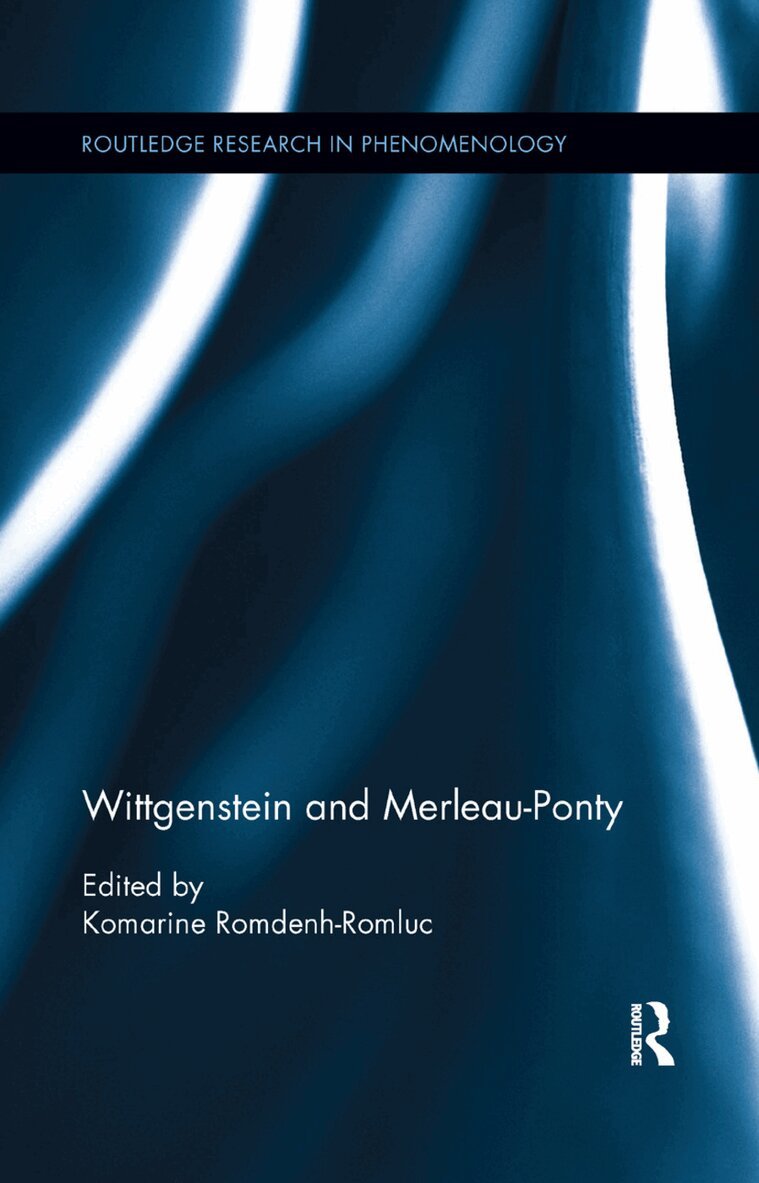
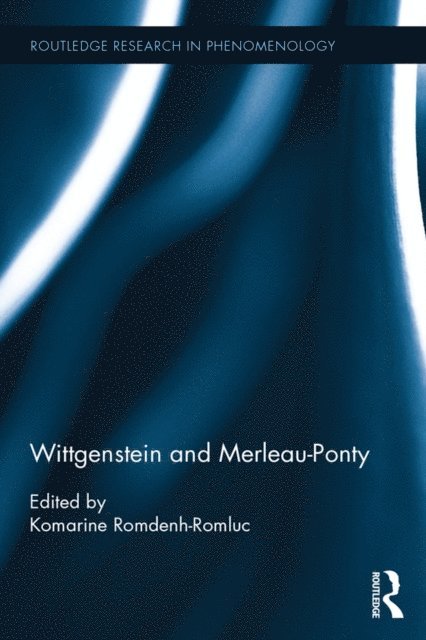
Wittgenstein and Merleau-Ponty
Häftad, 2019
733 kr
Lägg i varukorg
Maurice Merleau-Ponty and Ludwig Wittgenstein are two of the most important philosophers of the twentieth century, yet their work is generally regarded as standing in contrast to one another. However, as this outstanding collection demonstrates they both reject a Cartesian picture of the mind and …
Routledge Philosophy GuideBook to Merleau-Ponty and Phenomenology of Perception
Inbunden, 2010
2126 kr
Lägg i varukorg
Maurice Merleau-Ponty (1908 – 1961) is hailed as one of the key philosophers of the twentieth century. Phenomenology of Perception is his most famous and influential work, and an essential text for anyone seeking to understand phenomenology. In this GuideBook Komarine Romdenh-Romluc introduces and …
Routledge Philosophy GuideBook to Merleau-Ponty and Phenomenology of Perception
Häftad, 2010
428 kr
Lägg i varukorg
Maurice Merleau-Ponty (1908 – 1961) is hailed as one of the key philosophers of the twentieth century. Phenomenology of Perception is his most famous and influential work, and an essential text for anyone seeking to understand phenomenology. In this GuideBook Komarine Romdenh-Romluc introduces and …
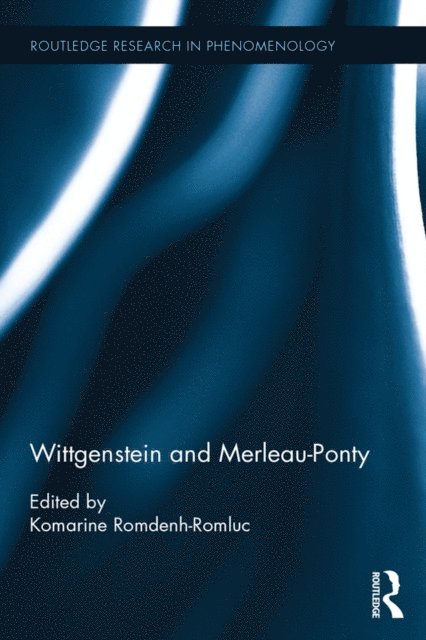
Wittgenstein and Merleau-Ponty
Inbunden, 2017
2504 kr
Lägg i varukorg
Maurice Merleau-Ponty and Ludwig Wittgenstein are two of the most important philosophers of the twentieth century, yet their work is generally regarded as standing in contrast to one another. However, as this outstanding collection demonstrates they both reject a Cartesian picture of the mind and …
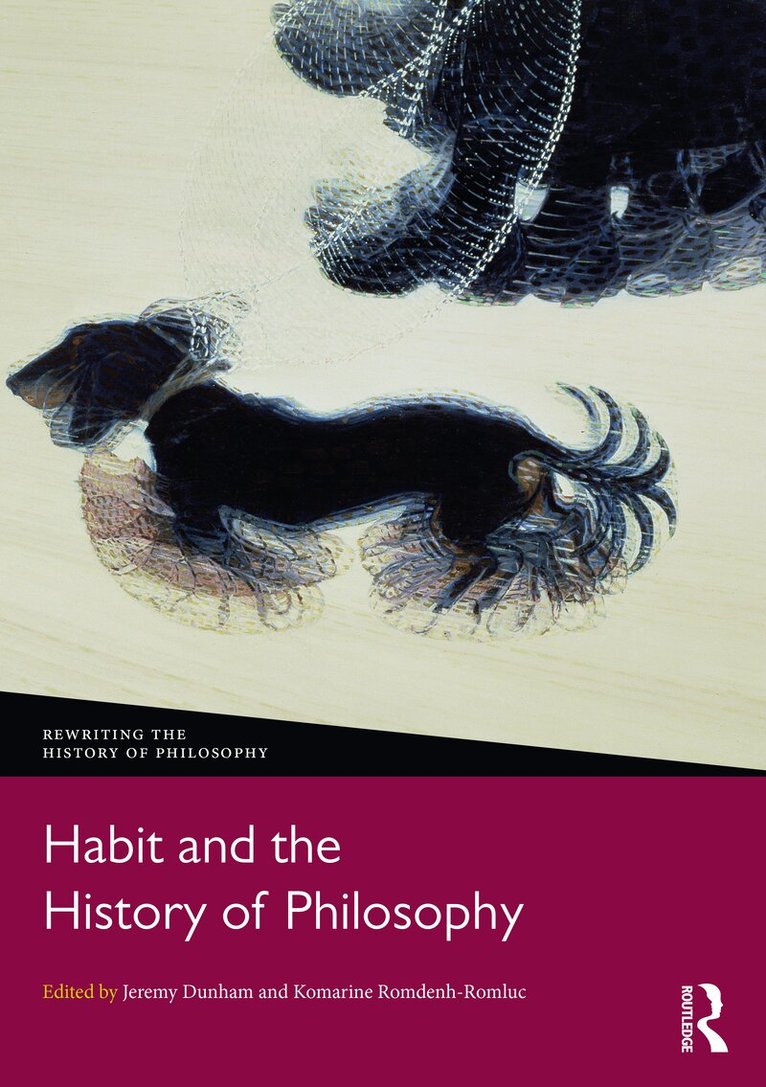
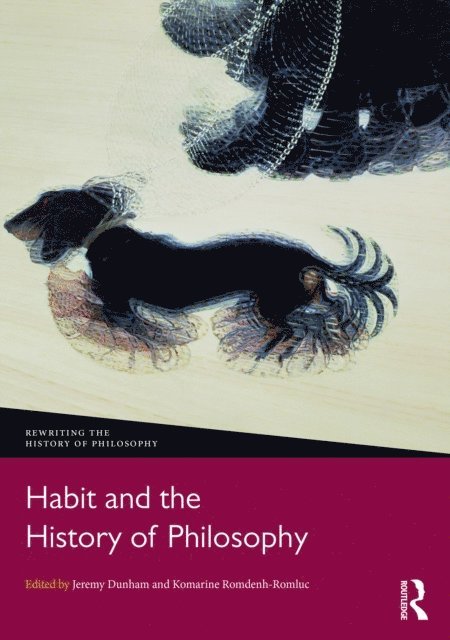
Habit and the History of Philosophy
Av Jeremy Dunham, Komarine Romdenh-Romluc
Häftad, 2024
704 kr
Lägg i varukorg
For Aristotle, habit was a fundamental aspect of human nature; and for William James, it was the "enormous flywheel" of society. In both the history of philosophy and contemporary research, it is acknowledged as a fundamental topic in ethics, moral psychology, philosophy of action, and …
Routledge Philosophy GuideBook to Merleau-Ponty and Phenomenology of Perception
E-bok, 2010
502 kr
Lägg i varukorg
Maurice Merleau-Ponty (1908 – 1961) is hailed as one of the key philosophers of the twentieth century. Phenomenology of Perception is his most famous and influential work, and an essential text for anyone seeking to understand phenomenology. In this GuideBook Komarine Romdenh-Romluc introduces …
Routledge Philosophy GuideBook to Merleau-Ponty and Phenomenology of Perception
E-bok, 2010
502 kr
Lägg i varukorg
Maurice Merleau-Ponty (1908 – 1961) is hailed as one of the key philosophers of the twentieth century. Phenomenology of Perception is his most famous and influential work, and an essential text for anyone seeking to understand phenomenology. In this GuideBook Komarine Romdenh-Romluc introduces and …
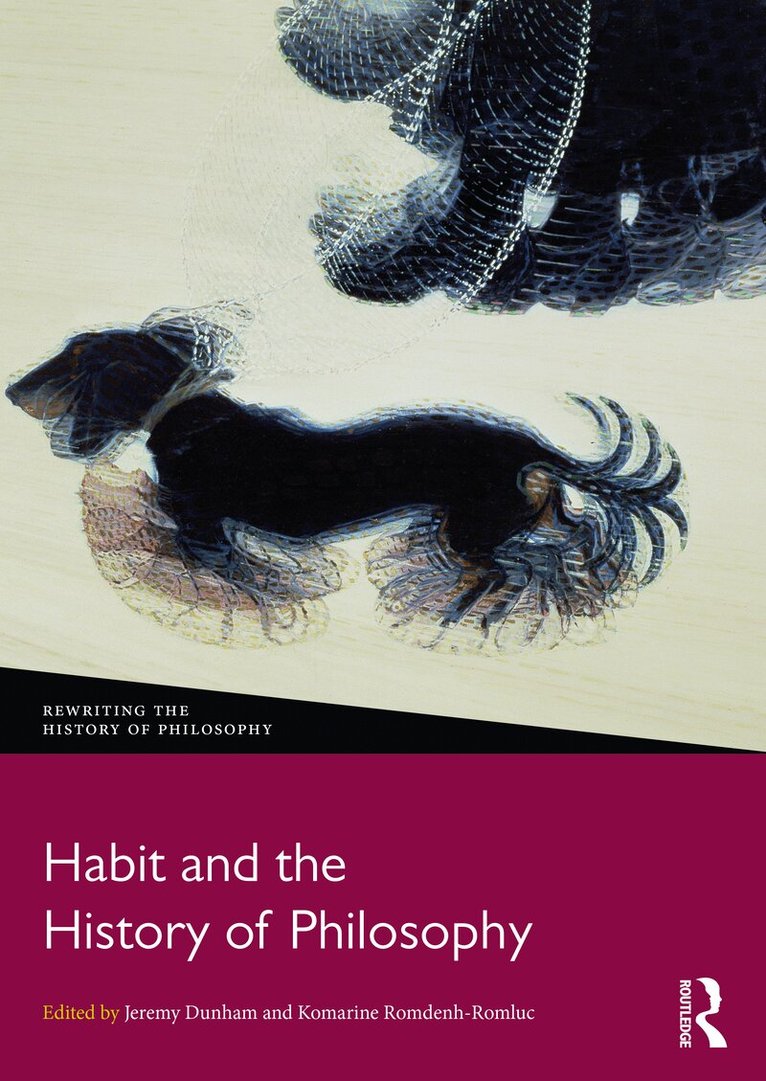
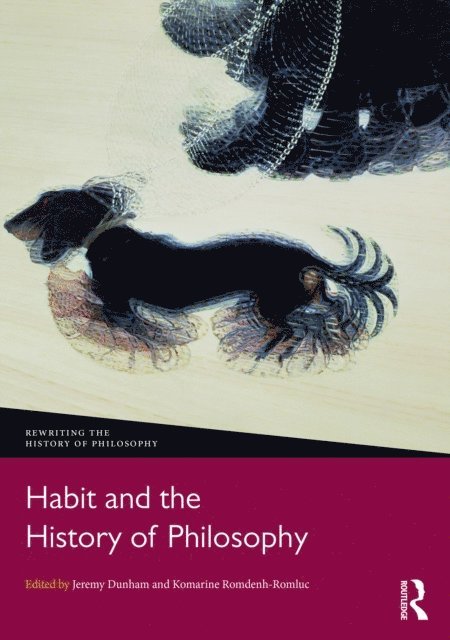
Habit and the History of Philosophy
Av Jeremy Dunham, Komarine Romdenh-Romluc
Inbunden, 2022
3001 kr
Lägg i varukorg
For Aristotle, habit was a fundamental aspect of human nature; and for William James, it was the "enormous flywheel" of society. In both the history of philosophy and contemporary research, it is acknowledged as a fundamental topic in ethics, moral psychology, philosophy of action, and …
Wittgenstein and Merleau-Ponty
E-bok, 2017
847 kr
Lägg i varukorg
Maurice Merleau-Ponty and Ludwig Wittgenstein are two of the most important philosophers of the twentieth century, yet their work is generally regarded as standing in contrast to one another. However, as this outstanding collection demonstrates they both reject a Cartesian picture of the mind and …
Wittgenstein and Merleau-Ponty
E-bok, 2017
866 kr
Lägg i varukorg
Maurice Merleau-Ponty and Ludwig Wittgenstein are two of the most important philosophers of the twentieth century, yet their work is generally regarded as standing in contrast to one another. However, as this outstanding collection demonstrates they both reject a Cartesian picture of the mind and …
Habit and the History of Philosophy
Av Komarine Romdenh-Romluc, Jeremy Dunham
E-bok, 2022
831 kr
Lägg i varukorg
For Aristotle, habit was a fundamental aspect of human nature; and for William James, it was the "enormous flywheel" of society. In both the history of philosophy and contemporary research, it is acknowledged as a fundamental topic in ethics, moral psychology, philosophy of action, and …
Habit and the History of Philosophy
Av Komarine Romdenh-Romluc, Jeremy Dunham
E-bok, 2022
831 kr
Lägg i varukorg
For Aristotle, habit was a fundamental aspect of human nature; and for William James, it was the "enormous flywheel" of society. In both the history of philosophy and contemporary research, it is acknowledged as a fundamental topic in ethics, moral psychology, philosophy of action, and …