Inbunden, Engelska, 2026
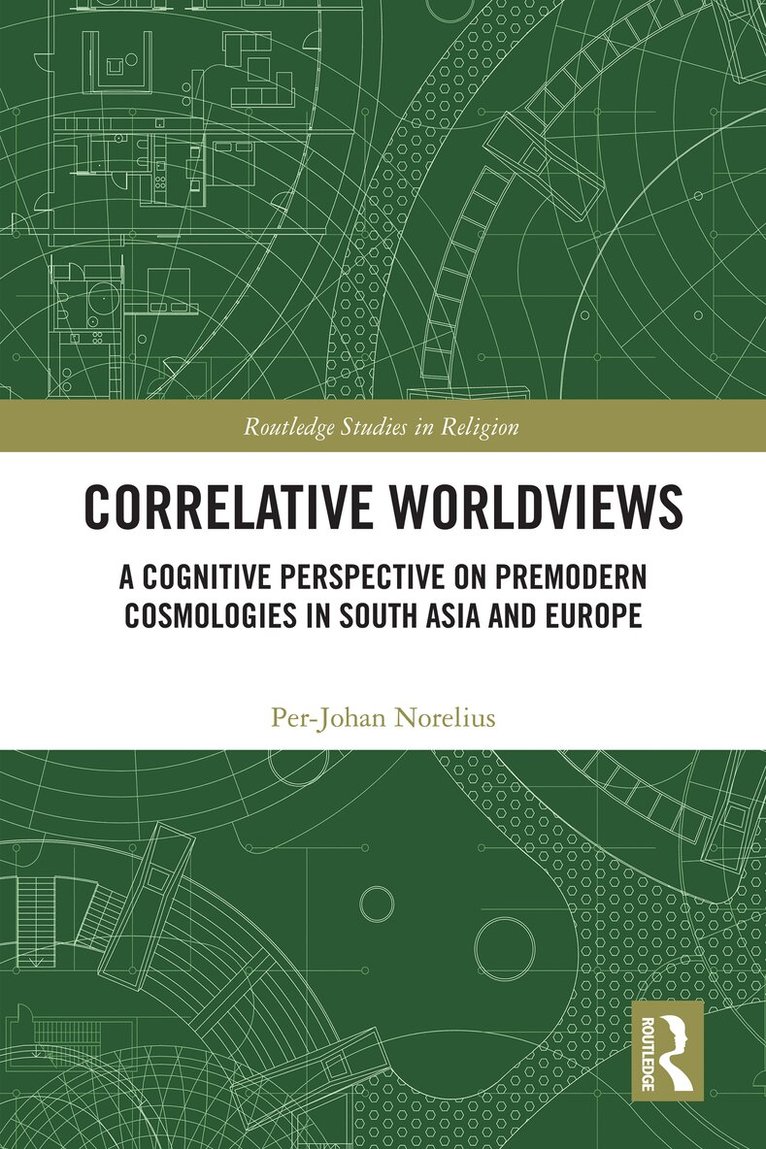
Correlative Worldviews
2504 kr
Beställningsvara. Skickas inom 10-15 vardagar. Fri frakt över 249 kr.
Beskrivning
This book explores the topic of correlative worldviews from a comparative and cognitive perspective. Correlative worldviews are premodern cosmologies that posit linkages between different planes of existence, e.g. between the elements of the body and of the cosmos. Unlike the correlations of modern science, such linkages are not primarily causal in nature but are based on perceived resemblance and notions of mystical linkages or sympathies. Whilst correlative worldviews are known from a number of premodern civilizations, this study focuses on two geographic-cultural areas: Early/Medieval South Asia and premodern Europe from Antiquity to the Renaissance. Both areas have seen the rise and decline of correlative systems of thought throughout the centuries and thus provide fertile ground for a comparative study. The author establishes points of correspondence between the correlative worldviews of these areas then explains them in light of cognitive science. The argument is that panhuman cognitive mechanisms can better account for commonalities than other theories (diffusion, borrowing, etc.) and these same mechanisms may explain the worldwide occurrence of correlative worldviews. The book is relevant to scholars and advanced students in religious studies, particularly those with an interest in the cognitive science of religion and the relationship between cognition and culture.
Produktinformation
- Utgivningsdatum: 2026-09-07
- Mått: 156 x 234 x 14 mm
- Vikt: 600 g
- Format: Inbunden
- Språk: Engelska
- Serie: Routledge Studies in Religion
- Antal sidor: 224
- Förlag: Taylor & Francis Ltd
- ISBN: 9781041361350
Utforska kategorier
Betyg & recensioner
0 recensioner
Inga recensioner tillgängliga.