
Del 11
2 473 kr
Beställningsvara. Skickas inom 10-15 vardagar. Fri frakt över 249 kr.
Stefan Arvidsson
Inbunden, 2023
269 kr
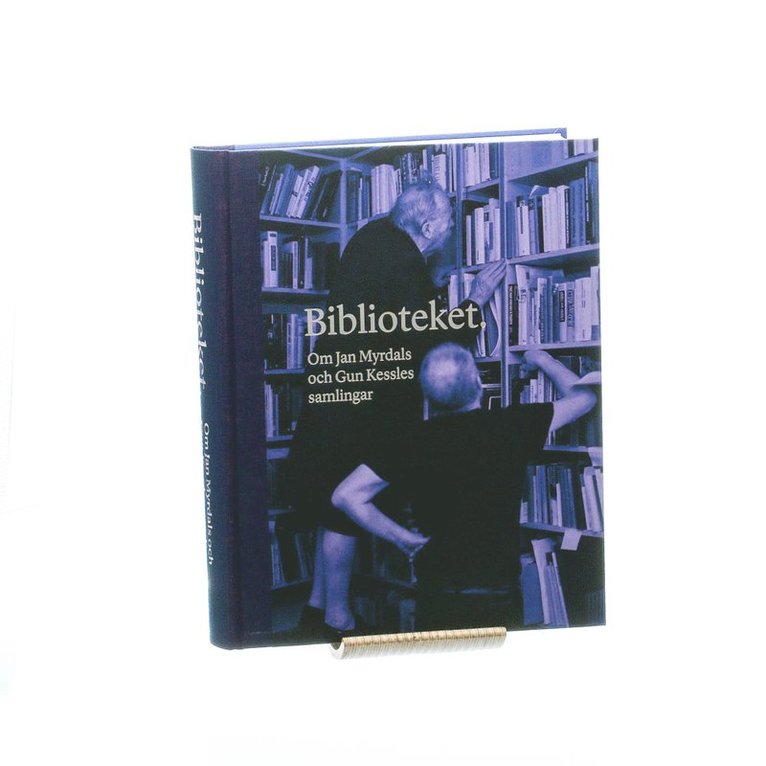
Eva Aggeklint, Per Axelson, Stefan Arvidsson, Gunnela Björk, Anders Björnsson, Kjersti Bosdotter, André Brochu, David Brolin, Cecilia Cervin, Staffan Dahllöf, Eva Dahlman, Lasse Diding, Carl-Göran Ekerwald, Solveig Giambanco, Annika Hagström, Anton Honkonen, Hans Isaksson, Torsten Jurell, Peter Kadhammar, Jan-Anders Karlsson, Jan Käll, Sture Källberg, Benny Larsson, Anne Lidén, Kalle Lind, Lasse Litzén, Lennart Lundberg, Åsa Moberg, Jan Myrdal, Per Nygren, Carsten Palmaer, Björn Erik Rosin, Lill Sjöström, Per Arne Skansen, Sören Sommelius, Karin Z Sunvisson, Carl Henrik Svenstedt, Lars Vargö
Inbunden, 2023
612 kr

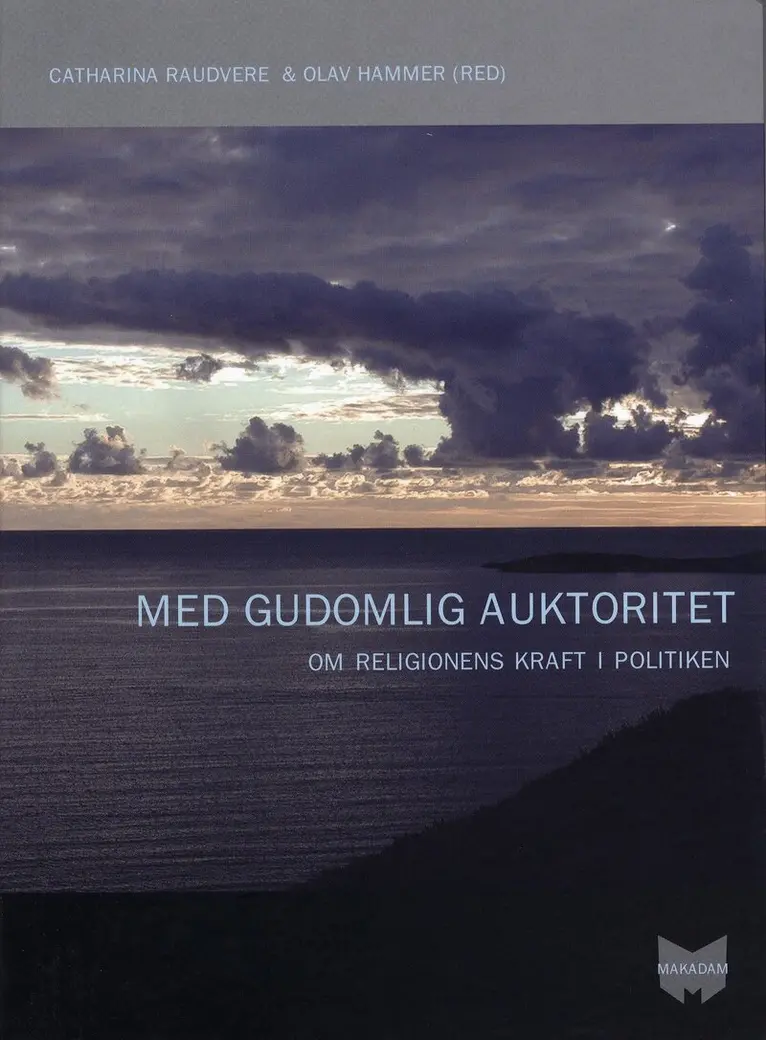
Catharina Raudvere, Olav Hammer, Jan Hjärpe, Leif Stenberg, Stefan Arvidsson
Häftad, 2004
182 kr
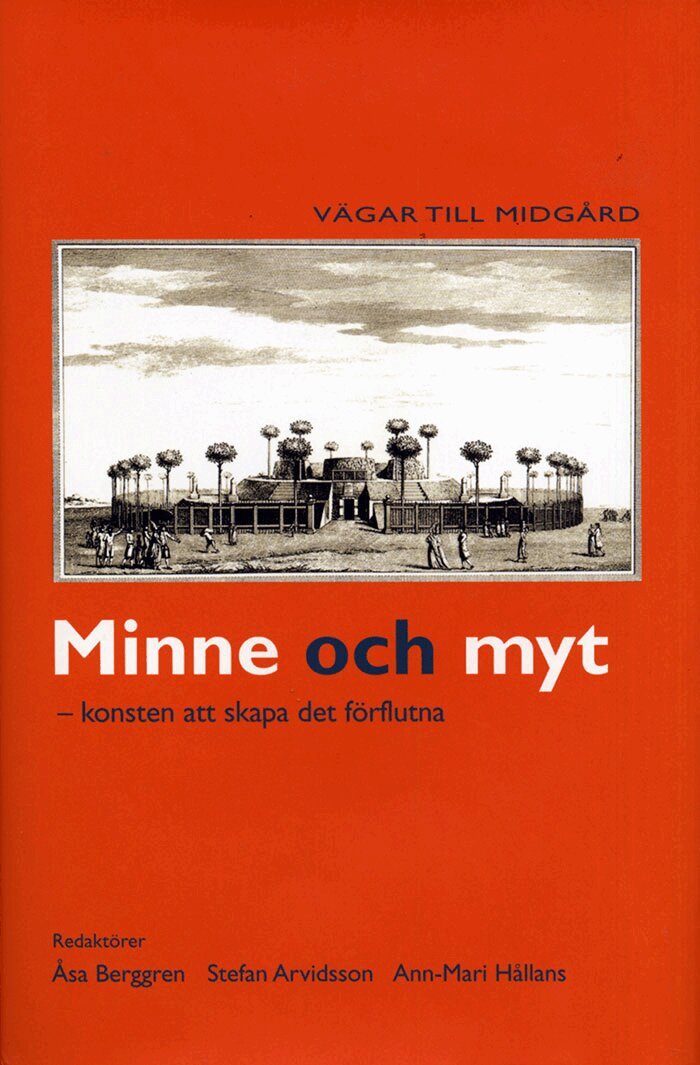
Åsa Berggren, Stefan Arvidsson, Ann-Mari Hållans Stenholm
Häftad, 2021
236 kr


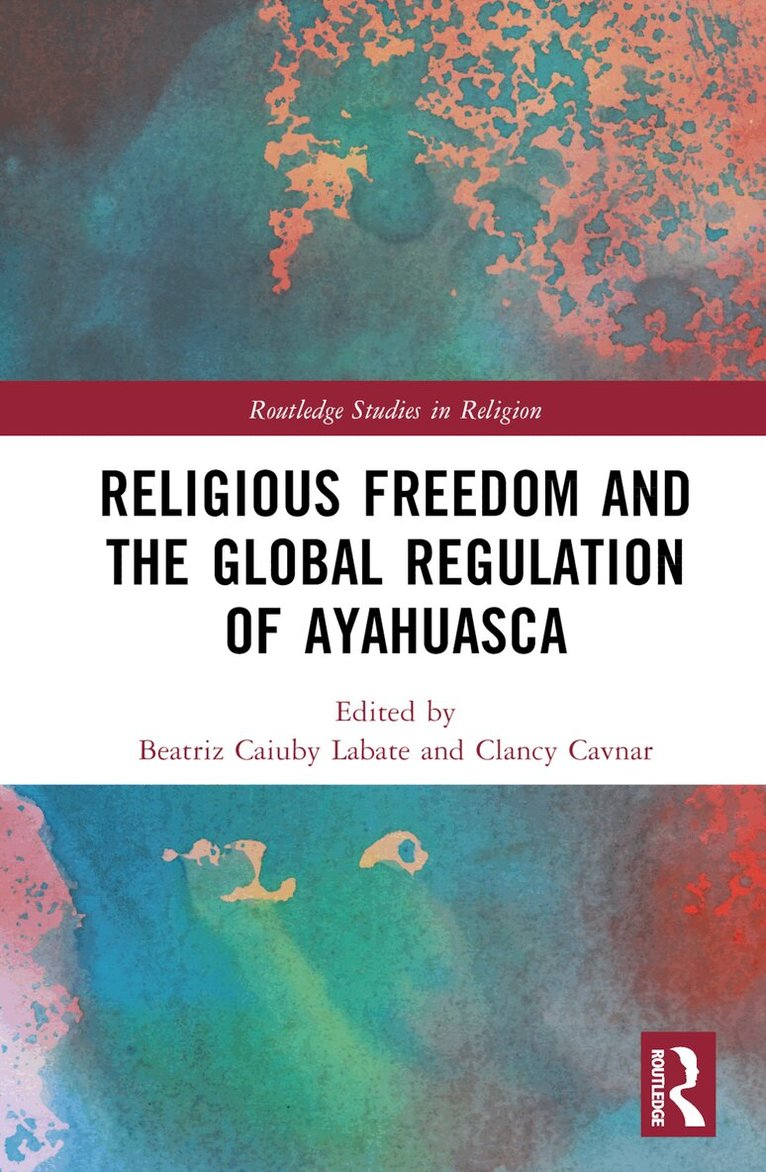
Beatriz Caiuby Labate, Clancy Cavnar
Inbunden, 2023
2 100 kr

Stefan Arvidsson
Inbunden, 2023
269 kr
Eva Aggeklint, Per Axelson, Stefan Arvidsson, Gunnela Björk, Anders Björnsson, Kjersti Bosdotter, André Brochu, David Brolin, Cecilia Cervin, Staffan Dahllöf, Eva Dahlman, Lasse Diding, Carl-Göran Ekerwald, Solveig Giambanco, Annika Hagström, Anton Honkonen, Hans Isaksson, Torsten Jurell, Peter Kadhammar, Jan-Anders Karlsson, Jan Käll, Sture Källberg, Benny Larsson, Anne Lidén, Kalle Lind, Lasse Litzén, Lennart Lundberg, Åsa Moberg, Jan Myrdal, Per Nygren, Carsten Palmaer, Björn Erik Rosin, Lill Sjöström, Per Arne Skansen, Sören Sommelius, Karin Z Sunvisson, Carl Henrik Svenstedt, Lars Vargö
Inbunden, 2023
612 kr
Åsa Berggren, Stefan Arvidsson, Ann-Mari Hållans Stenholm
Häftad, 2021
236 kr
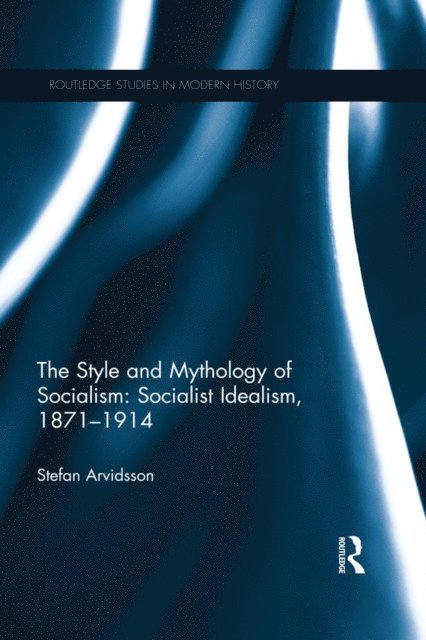
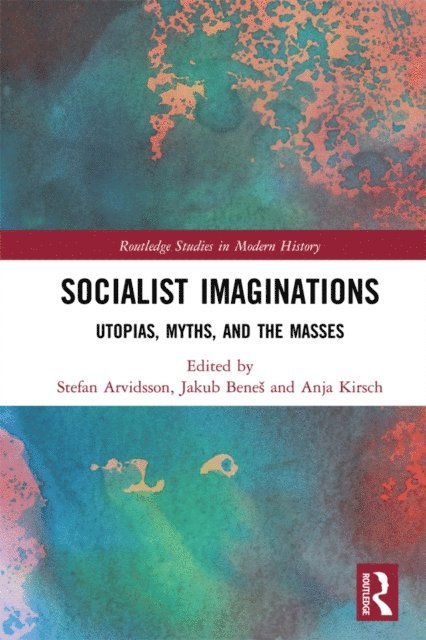
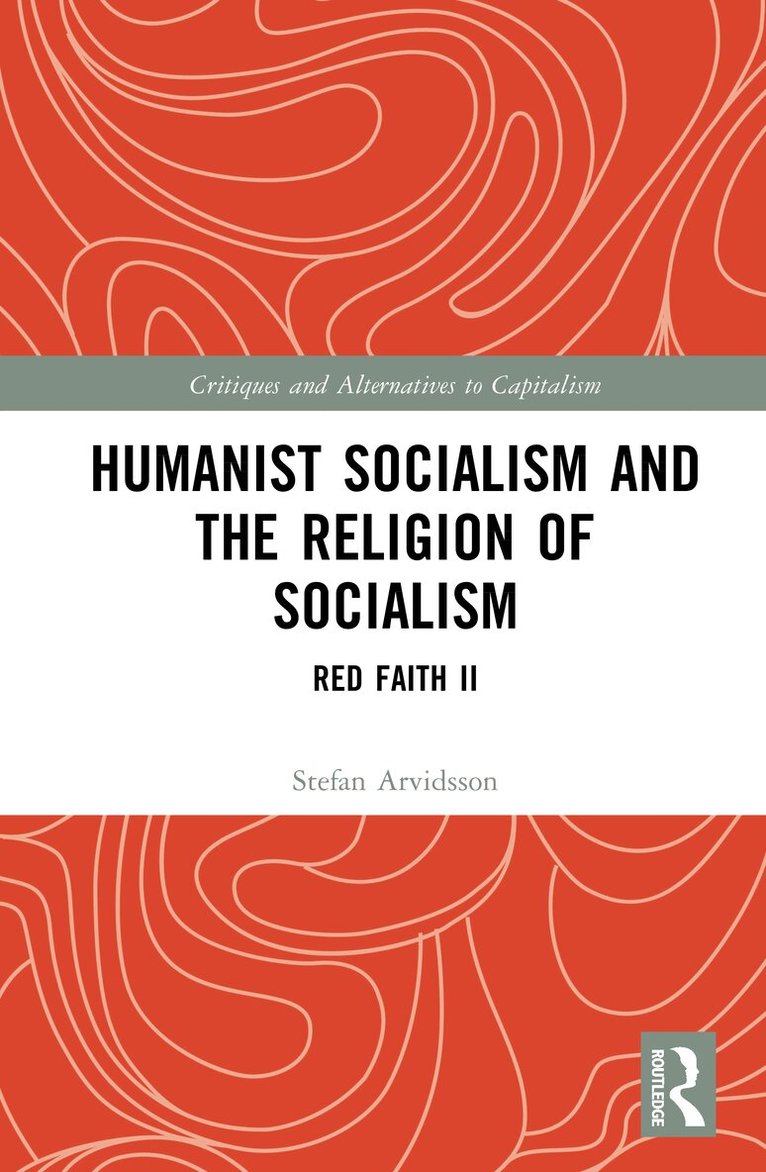
Åsa Berggren, Stefan Arvidsson, Ann-Mari Hållans Stenholm
169 kr
2 473 kr
Beställningsvara. Skickas inom 10-15 vardagar. Fri frakt över 249 kr.
Stefan Arvidsson
Inbunden, 2023
269 kr
Eva Aggeklint, Per Axelson, Stefan Arvidsson, Gunnela Björk, Anders Björnsson, Kjersti Bosdotter, André Brochu, David Brolin, Cecilia Cervin, Staffan Dahllöf, Eva Dahlman, Lasse Diding, Carl-Göran Ekerwald, Solveig Giambanco, Annika Hagström, Anton Honkonen, Hans Isaksson, Torsten Jurell, Peter Kadhammar, Jan-Anders Karlsson, Jan Käll, Sture Källberg, Benny Larsson, Anne Lidén, Kalle Lind, Lasse Litzén, Lennart Lundberg, Åsa Moberg, Jan Myrdal, Per Nygren, Carsten Palmaer, Björn Erik Rosin, Lill Sjöström, Per Arne Skansen, Sören Sommelius, Karin Z Sunvisson, Carl Henrik Svenstedt, Lars Vargö
Inbunden, 2023
612 kr
Catharina Raudvere, Olav Hammer, Jan Hjärpe, Leif Stenberg, Stefan Arvidsson
Häftad, 2004
182 kr
Åsa Berggren, Stefan Arvidsson, Ann-Mari Hållans Stenholm
Häftad, 2021
236 kr
Beatriz Caiuby Labate, Clancy Cavnar
Inbunden, 2023
2 100 kr
Stefan Arvidsson
Inbunden, 2023
269 kr
Eva Aggeklint, Per Axelson, Stefan Arvidsson, Gunnela Björk, Anders Björnsson, Kjersti Bosdotter, André Brochu, David Brolin, Cecilia Cervin, Staffan Dahllöf, Eva Dahlman, Lasse Diding, Carl-Göran Ekerwald, Solveig Giambanco, Annika Hagström, Anton Honkonen, Hans Isaksson, Torsten Jurell, Peter Kadhammar, Jan-Anders Karlsson, Jan Käll, Sture Källberg, Benny Larsson, Anne Lidén, Kalle Lind, Lasse Litzén, Lennart Lundberg, Åsa Moberg, Jan Myrdal, Per Nygren, Carsten Palmaer, Björn Erik Rosin, Lill Sjöström, Per Arne Skansen, Sören Sommelius, Karin Z Sunvisson, Carl Henrik Svenstedt, Lars Vargö
Inbunden, 2023
612 kr
Åsa Berggren, Stefan Arvidsson, Ann-Mari Hållans Stenholm
Häftad, 2021
236 kr
Åsa Berggren, Stefan Arvidsson, Ann-Mari Hållans Stenholm
169 kr