Sanju Bala Dhull - Böcker
Visar alla böcker från författaren Sanju Bala Dhull. Handla med fri frakt och snabb leverans.
17 produkter
17 produkter
2 557 kr
Skickas inom 10-15 vardagar
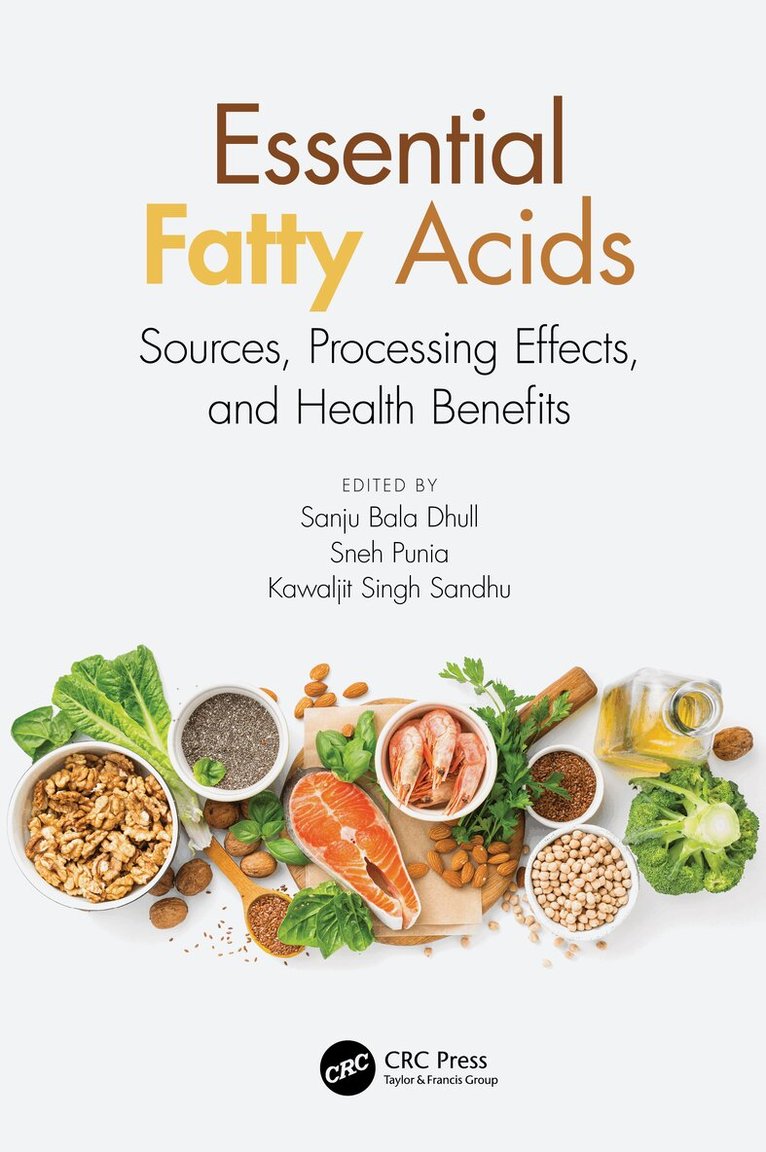
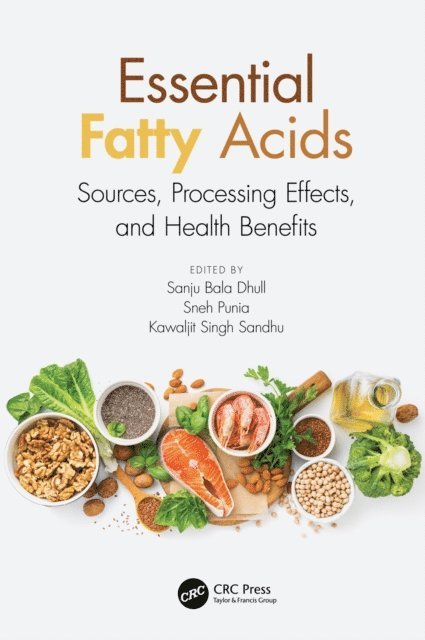
Essential fatty acids are fatty acids that humans must ingest because the body requires them for good health, but it cannot synthesize itself. Therefore, such nutrients need to be supplied from either diet or dietary supplements. Recent studies raised scientific and medical interest in the beneficial effects of these fatty acids on brain and retina function, as well as reducing ill health effects, such as cardio-metabolic diseases. Thus, there is an interest in developing requirements and dietary recommendations. Essential Fatty Acids: Sources, Processing Effects, and Health Benefits provides a systematic introduction and comprehensive information about the essentiality of diets rich in omega fatty acids for successful human growth, development and disease prevention. This book presents detailed knowledge about essential fatty acids, their different food sources, biochemistry, and metabolism. It provides a comprehensive assessment of current knowledge about the effects of various processing and storage conditions on essential fatty acids, their bioavailability and supplementation in foods and diet. Chapters highlight the contribution of essential fatty acids in prevention and improvement of various conditions such as heart problems, arthritis, cancer, brain and bone health, especially in developing fetuses and children.Key Features: Presents comprehensive information on nutritional and health aspects of fats and essential fatty acids Contains a wealth of information on the structure, sources, biochemistry and nutritional properties of essential fatty acids Provides the latest information about the changes in essential fatty acids during various processing and storage conditions Highlights the bioavailability, supplementation and dietary requirements of these fatty acids By bringing together diverse areas of biochemistry, storage, as well as processing behavior and dietary requirements, this book lays the groundwork for striking expansion in our understanding of these important biochemicals and their role in health and disease prevention. Essential Fatty Acids will be of interest to a large and varied audience of researchers in academia, industry, nutrition, dietetics, food science, agriculture, and regulators.
2 759 kr
Skickas inom 10-15 vardagar
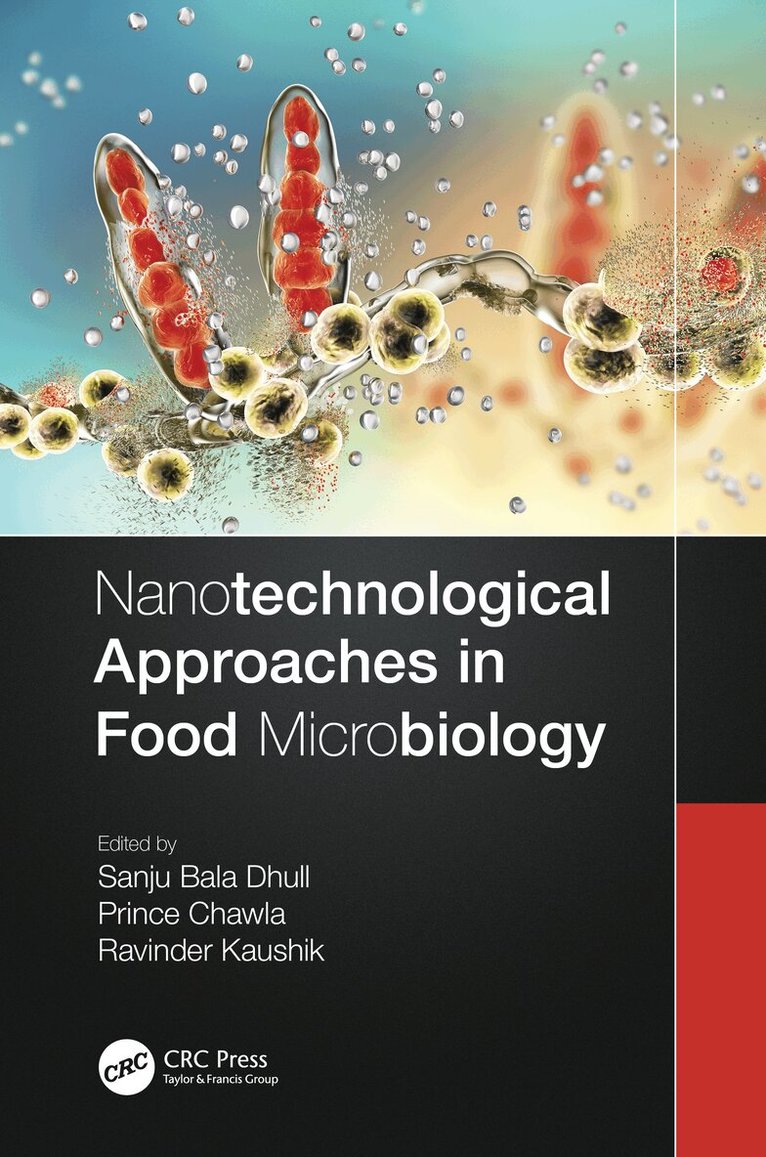
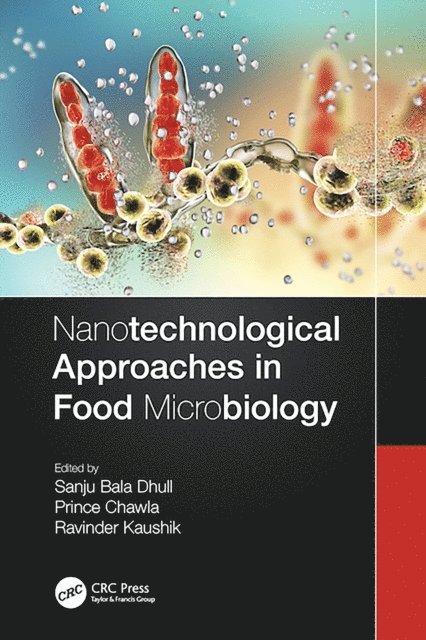
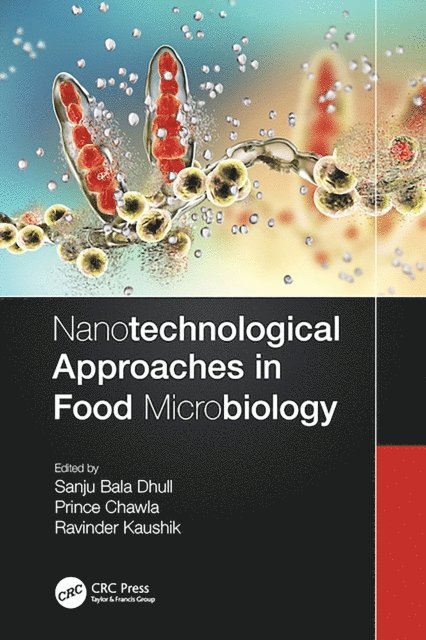
Nanotechnology has gained attention in all aspects of modern science, having vital applications in the food chain, storage, quality monitoring, processing, preservation, and packaging. The global population is increasing rapidly, therefore there is a requirement to produce food products in a more proficient, non-toxic, and sustainable way. Food scientists and microbiologists are interested in food safety and quality assurance to produce excellent-quality food free of food pathogensNanotechnological Approaches in Food Microbiology provides a systematic introduction and comprehensive information about practical approaches and characteristic features related to the significant applications of nanotechnology in food microbiology, including, nano-starch films, nanoemulsions, biogenic nanoparticles, and nanocapsules. The book will explore details about metal nanoparticle synthesis, characterization, mathematical modeling, kinetic studies, and their antimicrobial approaches. Key Features: Includes comprehensive knowledge on metal nanoparticle synthesis, characterization, mathematical modeling, kinetic studies and their antimicrobial approaches Lays out concepts of essential oil nanoemulsion and their potential antimicrobial applications Deals with the latest development in nano-starch composite biofilms containing bioactive constituents to inhibit pathogenic microbes Explores the nanocapsules as potential antimicrobial agents in food. Provides information regarding new biogenic nano-antimicrobials developed for the food safety and quality assuranceThis book will educate readers on the aspects of nanotechnology in food safety and quality assurance. Nanoemulsions, nanohydrogels, metal nanoparticles, nano-starch films, nanocapsules and nano-antimicrobials are the emerging essentials of nanotechnology that are used to preserve the food at greater extent. This book should be of interest to a large and varied audience of researchers in academia, industry, food processing, preservation, packaging, microbiology and policy regulations.
996 kr
Skickas inom 10-15 vardagar
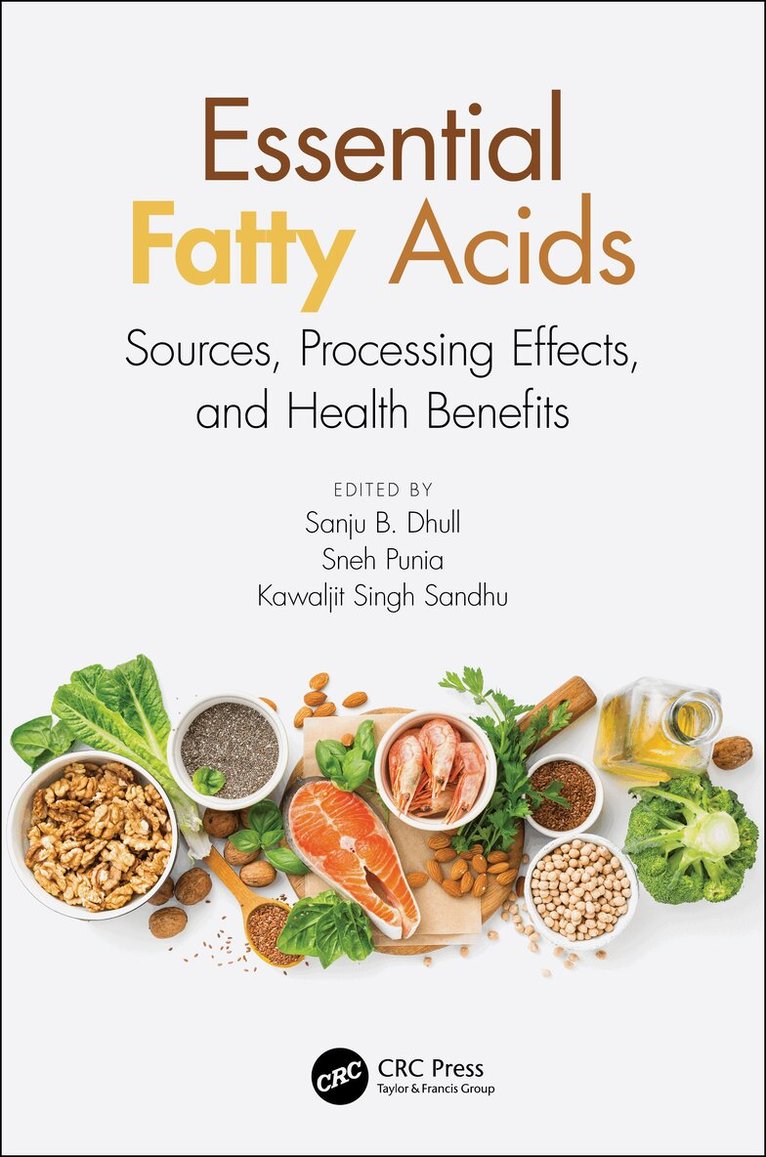
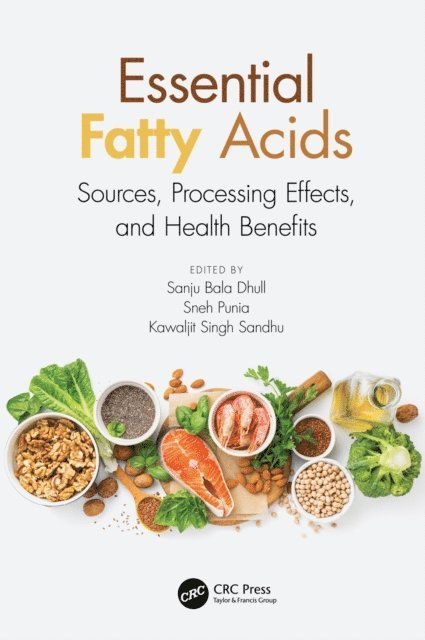
Essential fatty acids are fatty acids that humans must ingest because the body requires them for good health, but it cannot synthesize itself. Therefore, such nutrients need to be supplied from either diet or dietary supplements. Recent studies raised scientific and medical interest in the beneficial effects of these fatty acids on brain and retina function, as well as reducing ill health effects, such as cardio-metabolic diseases. Thus, there is an interest in developing requirements and dietary recommendations. Essential Fatty Acids: Sources, Processing Effects, and Health Benefits provides a systematic introduction and comprehensive information about the essentiality of diets rich in omega fatty acids for successful human growth, development and disease prevention. This book presents detailed knowledge about essential fatty acids, their different food sources, biochemistry, and metabolism. It provides a comprehensive assessment of current knowledge about the effects of various processing and storage conditions on essential fatty acids, their bioavailability and supplementation in foods and diet. Chapters highlight the contribution of essential fatty acids in prevention and improvement of various conditions such as heart problems, arthritis, cancer, brain and bone health, especially in developing fetuses and children.Key Features: Presents comprehensive information on nutritional and health aspects of fats and essential fatty acids Contains a wealth of information on the structure, sources, biochemistry and nutritional properties of essential fatty acids Provides the latest information about the changes in essential fatty acids during various processing and storage conditions Highlights the bioavailability, supplementation and dietary requirements of these fatty acids By bringing together diverse areas of biochemistry, storage, as well as processing behavior and dietary requirements, this book lays the groundwork for striking expansion in our understanding of these important biochemicals and their role in health and disease prevention. Essential Fatty Acids will be of interest to a large and varied audience of researchers in academia, industry, nutrition, dietetics, food science, agriculture, and regulators.
956 kr
Skickas inom 10-15 vardagar
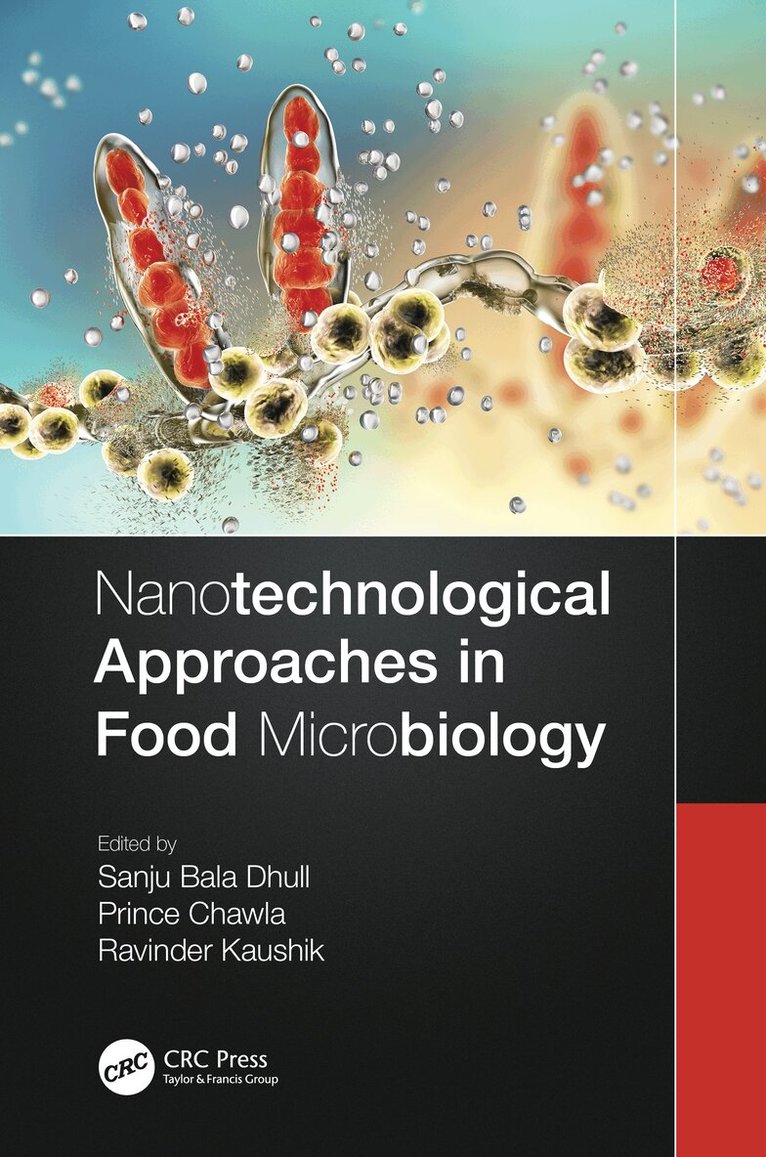
Nanotechnology has gained attention in all aspects of modern science, having vital applications in the food chain, storage, quality monitoring, processing, preservation, and packaging. The global population is increasing rapidly, therefore there is a requirement to produce food products in a more proficient, non-toxic, and sustainable way. Food scientists and microbiologists are interested in food safety and quality assurance to produce excellent-quality food free of food pathogensNanotechnological Approaches in Food Microbiology provides a systematic introduction and comprehensive information about practical approaches and characteristic features related to the significant applications of nanotechnology in food microbiology, including, nano-starch films, nanoemulsions, biogenic nanoparticles, and nanocapsules. The book will explore details about metal nanoparticle synthesis, characterization, mathematical modeling, kinetic studies, and their antimicrobial approaches. Key Features: Includes comprehensive knowledge on metal nanoparticle synthesis, characterization, mathematical modeling, kinetic studies and their antimicrobial approaches Lays out concepts of essential oil nanoemulsion and their potential antimicrobial applications Deals with the latest development in nano-starch composite biofilms containing bioactive constituents to inhibit pathogenic microbes Explores the nanocapsules as potential antimicrobial agents in food. Provides information regarding new biogenic nano-antimicrobials developed for the food safety and quality assuranceThis book will educate readers on the aspects of nanotechnology in food safety and quality assurance. Nanoemulsions, nanohydrogels, metal nanoparticles, nano-starch films, nanocapsules and nano-antimicrobials are the emerging essentials of nanotechnology that are used to preserve the food at greater extent. This book should be of interest to a large and varied audience of researchers in academia, industry, food processing, preservation, packaging, microbiology and policy regulations.
2 557 kr
Skickas inom 10-15 vardagar
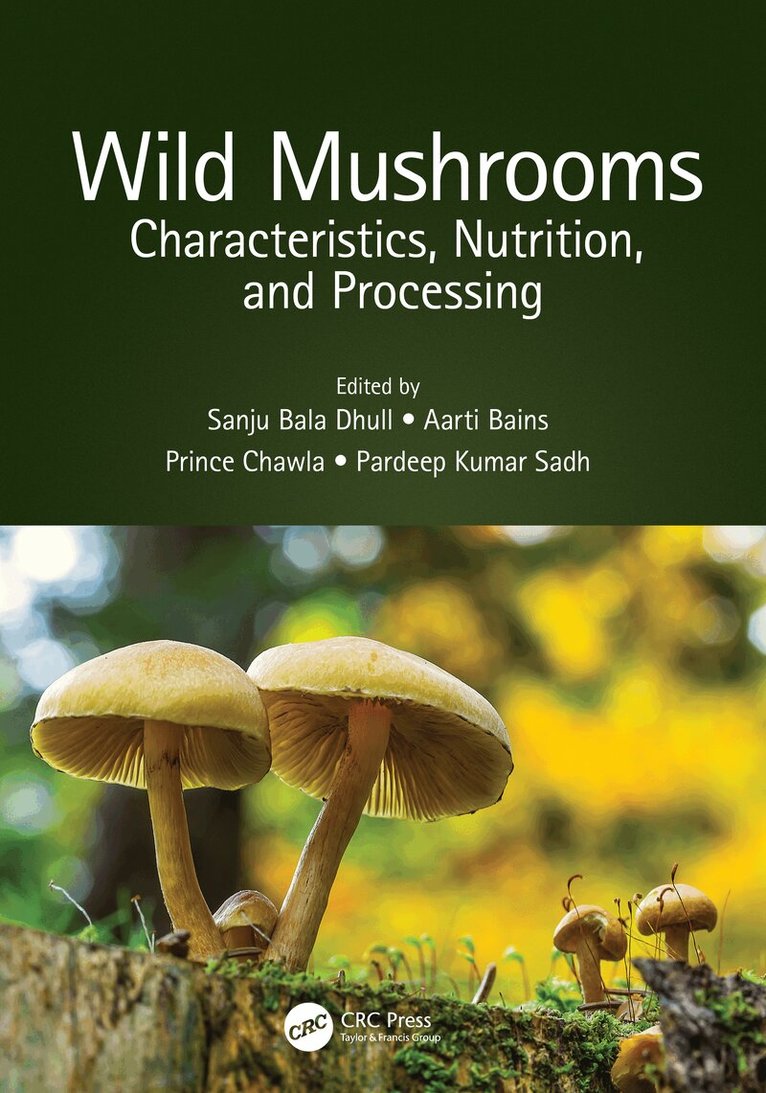
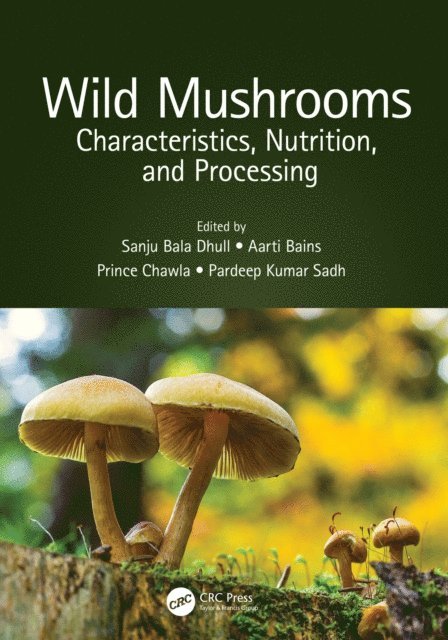
Many wild varieties of mushrooms are consumed by people around the world, yet many species remain unexplored, their nutritional as well as pharmacological significance yet to be discovered for many of them. Wild Mushrooms: Characteristics, Nutrition, and Processing informs readers about different unexplored wild mushrooms, their methods of cultivation, nutritional values, pharmaceutical values, and possible utilization for human wellbeing. The book represents a comprehensive assessement of current knowledge about the edible mushrooms commercialization, especially as nutraceuticals and dietary supplement formulation, mineral supplementation and source of quality proteins in foods and diet. The health benefits of edible mushrooms, nature and chemistry of bioactive components and in-vitro and in-vivo bioactivity of edible mushrooms are also highlighted in different chapters. By bringing diverse areas such as oxidative stress and longevity, techniques of mushroom analysis, toxicology and extracellular enzymes of wild mushrooms, it lays the groundwork for striking expansion in our understanding of these important biochemicals and their role in health and disease prevention. Key Features: Explores major preservation and processing technologies for wild mushrooms and their effects on bioavailability and nutritional value of mushrooms Presents the classical taxonomy and genetic classification of mushrooms Discusses the different components present in mushrooms and their biological activities and the health attribute of mushrooms due to these bioactive components Reviews the applications of mushrooms in environmental pollution reduction Covers different cultivation strategies of edible and medicinal mushroomsThe book also explores the role of mushrooms in the degradation of harmful xenobiotic compounds as well as reduction of pesticides. It discusses the utilization of wild mushrooms in waste management and cultivation of wild mushroom using lignocellulosic biomass-based residue as a substrate. This book should be of interest to a large and varied audience of researchers in academia, industry, nutritionists, dietitian, food scientists, agriculturists and regulators.
928 kr
Skickas inom 10-15 vardagar
Many wild varieties of mushrooms are consumed by people around the world, yet many species remain unexplored, their nutritional as well as pharmacological significance yet to be discovered for many of them. Wild Mushrooms: Characteristics, Nutrition, and Processing informs readers about different unexplored wild mushrooms, their methods of cultivation, nutritional values, pharmaceutical values, and possible utilization for human wellbeing. The book represents a comprehensive assessement of current knowledge about the edible mushrooms commercialization, especially as nutraceuticals and dietary supplement formulation, mineral supplementation and source of quality proteins in foods and diet. The health benefits of edible mushrooms, nature and chemistry of bioactive components and in-vitro and in-vivo bioactivity of edible mushrooms are also highlighted in different chapters. By bringing diverse areas such as oxidative stress and longevity, techniques of mushroom analysis, toxicology and extracellular enzymes of wild mushrooms, it lays the groundwork for striking expansion in our understanding of these important biochemicals and their role in health and disease prevention. Key Features: Explores major preservation and processing technologies for wild mushrooms and their effects on bioavailability and nutritional value of mushrooms Presents the classical taxonomy and genetic classification of mushrooms Discusses the different components present in mushrooms and their biological activities and the health attribute of mushrooms due to these bioactive components Reviews the applications of mushrooms in environmental pollution reduction Covers different cultivation strategies of edible and medicinal mushroomsThe book also explores the role of mushrooms in the degradation of harmful xenobiotic compounds as well as reduction of pesticides. It discusses the utilization of wild mushrooms in waste management and cultivation of wild mushroom using lignocellulosic biomass-based residue as a substrate. This book should be of interest to a large and varied audience of researchers in academia, industry, nutritionists, dietitian, food scientists, agriculturists and regulators.
1 995 kr
Kommande
Oilseeds and Fats: Trait Improvement, Processing, Properties and Applications covers recent developments in the areas of oilseeds production practices, breeding, and genetic improvement for sustainable production, with an emphasis on processing technologies and nutrition. The book explores eco-friendly extraction methods, waste reduction techniques, and the potential of using waste by-products for energy production or other applications. Specific sections deal with production, breeding, processing methods, composition, and consumption trends, and then delve into oilseeds and fats origin, composition, and characteristics, as well as the principles and methods involved in processing and refining these resources.Additional sections cover oilseed crops processing, properties, and application, offering insights into the utilization of oilseeds and fats to develop new products that meet consumers' evolving preferences, thus addressing environmental concerns. With increasing awareness of environmental issues and climate change, the book underscores the significance of sustainable practices in the oilseed and fats industry.Covers advanced processing technologies, such as microencapsulation, fortification, and membrane separationBrings quality aspects, standards, and food safetyExplores value-added utilization of processing by-productsDiscusses current and future trends surrounding the consumption of fats and oils
1 341 kr
Skickas inom 5-8 vardagar
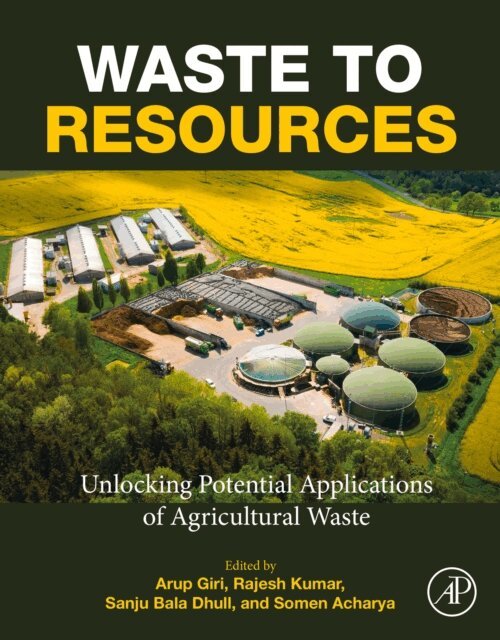
Waste to Resources: Unlocking Potential Applications of Agricultural Waste is a comprehensive textbook that explores various types of agricultural waste, their sources, and composition. Growing environmental concerns create a need to deploy sustainable processes within agriculture. This book sheds light on waste management techniques, covering both theory and practice, and advocates for re-framing agricultural waste as a valuable resource. It takes into account the latest research and regulatory considerations to give a well-rounded understanding of the subject. This textbook is an essential resource for upper-level undergraduate students, researchers, and professionals in environmental science and agricultural biology.The introductory chapters provide an overview of agricultural waste, including crop residues, livestock waste, pesticides, and chemical waste, and describe the environmental implications of these categories. The subsequent chapters delve into waste management techniques such as biogas production, nutrient recovery, recycling, and composting. The final chapter explores the regulatory and policy issues related to sustainable agricultural waste management.Provides a timely exploration of agricultural waste and how it can be utilized as a valuable resourceDelves into key concepts related to agricultural waste, waste management techniques, and their environmental impactGives an overview of the regulatory and policy issues surrounding waste management in agricultureOffers future directions to overcome barriers and expand opportunities for a sustainable and resilient agricultural sectorOffers online support, including PowerPoint slides for instructors and case studies for students
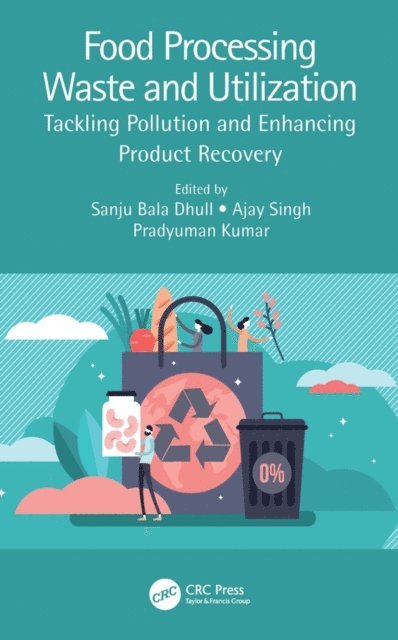
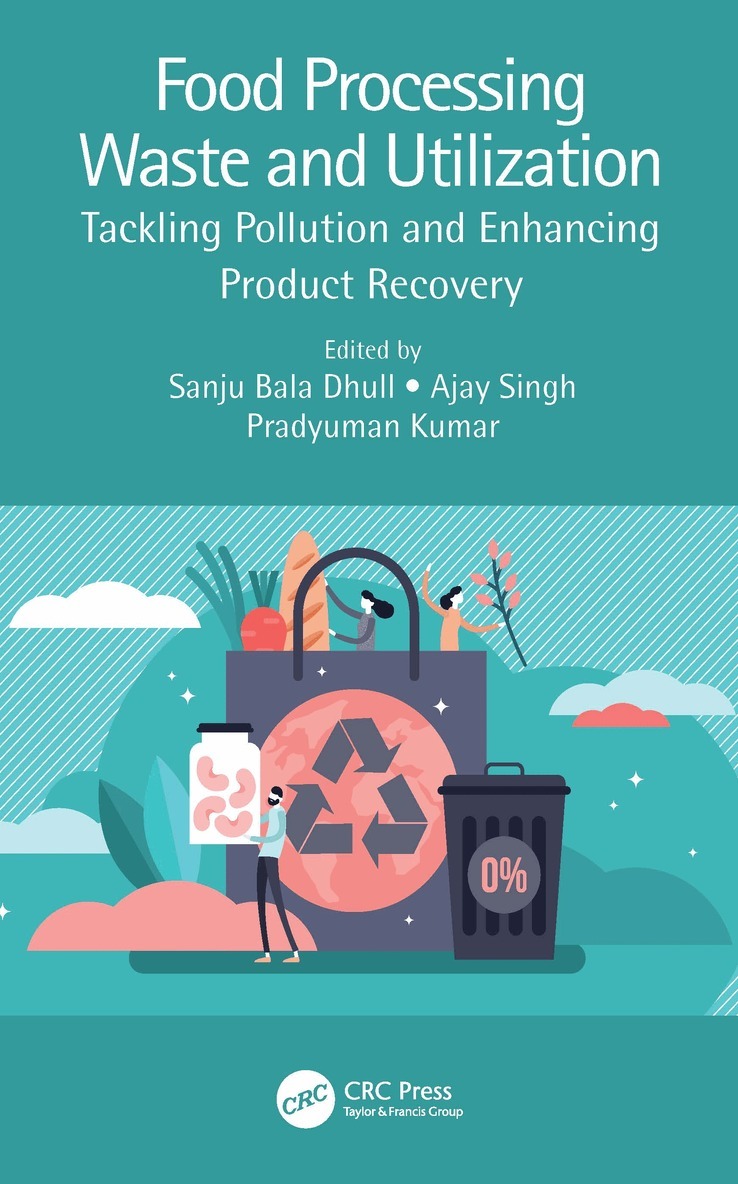
Food Processing Waste and Utilization
Tackling Pollution and Enhancing Product Recovery
Inbunden, Engelska, 2022
2 289 kr
Skickas inom 10-15 vardagar
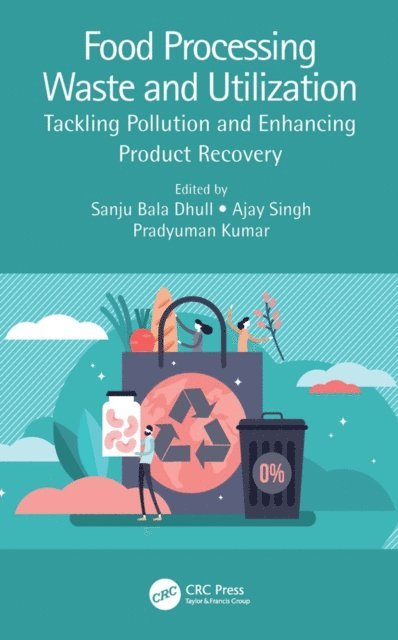
Because of its high Chemical Oxygen Demand (COD) and sheer volume, waste from food processing has significant potential to pollute land, water, and air. Both environmentally and economically, it is important to properly treat food processing wastes including the recovery of valuable products. Food Processing Waste and Utilization: Tackling Pollution and Enhancing Product Recovery discusses possible solutions to tackle food waste generation and its further utilization. It addresses process engineering economics, microbiology of waste recycling, biochemical and nutritional aspects of food waste processing. The book includes detailed guidance and case studies about utilization/valorization of food waste.Key Features Covers modern as well as conventional methods of food industry waste utilization Discusses possible solutions to tackle food waste generation and its further utilization Addresses socioeconomic considerations, environmental concerns and discusses regulations related to food processing wasteAuthors of this book are well-recognized researchers in their specific fields who have made important contributions to the knowledge of utilization of different food industry wastes at different levels. This book covers a wide range of breakthroughs in waste management, and is of value for students, research scholars, postdoctoral fellows and faculties pursuing careers in fields such as Bioprocess Technology, Food Technology, Food Science and Technology, Food Biotechnology, and Fermentation and Bioengineering.
Food Processing Waste and Utilization
Tackling Pollution and Enhancing Product Recovery
Häftad, Engelska, 2024
942 kr
Skickas inom 10-15 vardagar
Because of its high Chemical Oxygen Demand (COD) and sheer volume, waste from food processing has significant potential to pollute land, water, and air. Both environmentally and economically, it is important to properly treat food processing wastes including the recovery of valuable products. Food Processing Waste and Utilization: Tackling Pollution and Enhancing Product Recovery discusses possible solutions to tackle food waste generation and its further utilization. It addresses process engineering economics, microbiology of waste recycling, biochemical and nutritional aspects of food waste processing. The book includes detailed guidance and case studies about utilization/valorization of food waste.Key Features Covers modern as well as conventional methods of food industry waste utilization Discusses possible solutions to tackle food waste generation and its further utilization Addresses socioeconomic considerations, environmental concerns and discusses regulations related to food processing wasteAuthors of this book are well-recognized researchers in their specific fields who have made important contributions to the knowledge of utilization of different food industry wastes at different levels. This book covers a wide range of breakthroughs in waste management, and is of value for students, research scholars, postdoctoral fellows and faculties pursuing careers in fields such as Bioprocess Technology, Food Technology, Food Science and Technology, Food Biotechnology, and Fermentation and Bioengineering.
2 356 kr
Skickas inom 10-15 vardagar
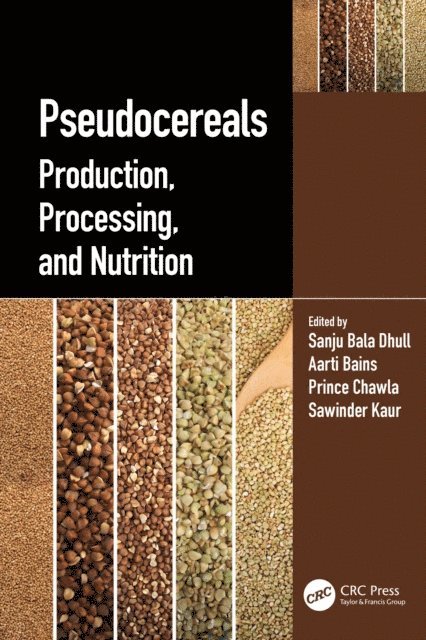
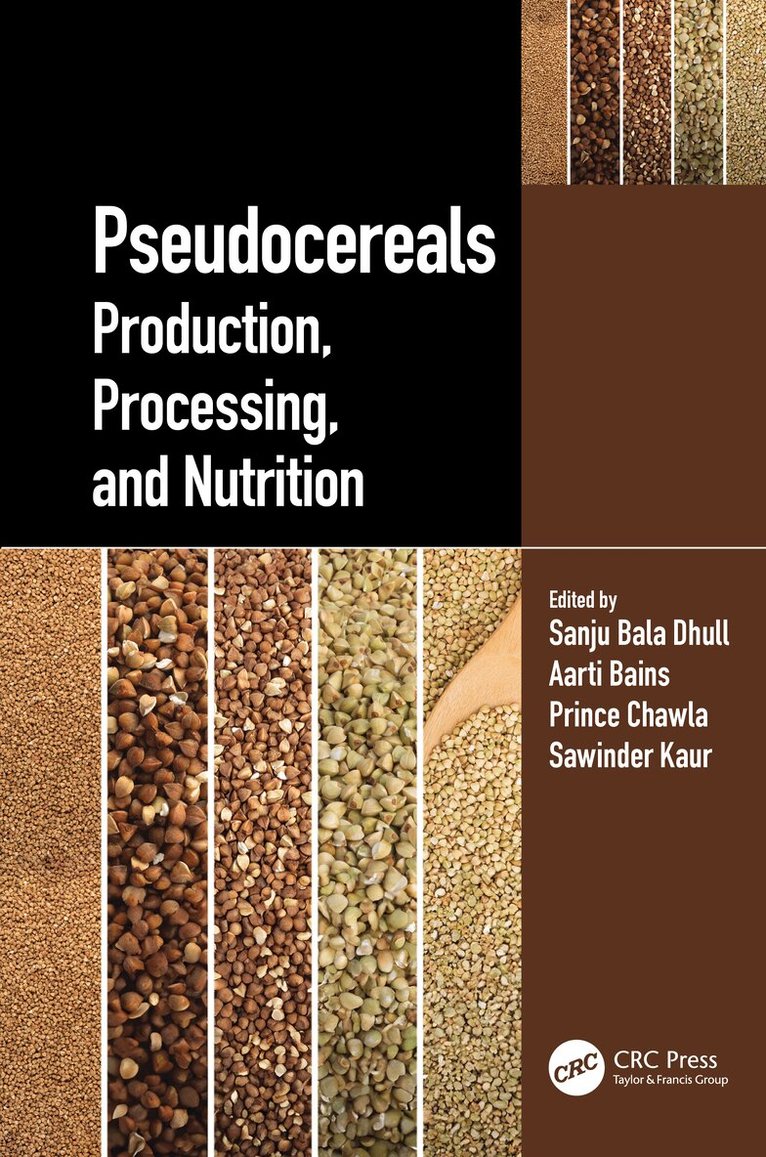
Pseudocereals: Production, Processing, and Nutrition provides an overview of the chemistry, processing, and technology of pseudocereals which have become super grains. The cultivation of pseudocereals has spread to over 70 different countries due to their attractive nutritional properties and for food security. This book discusses necessary information on different pseudocereals as well as practical information on cultivation procedures, equipment, food processing using pseudocereals and the use of by-products for bioactive compound extraction. It addresses concerns regarding globalization, food security, climate change and the needs of underdeveloped or developing countries.Key Features:Covers both common as well as less exploited pseudocerealsExplains the grain structure and engineering properties of different pseudocerealsStudies the effect of food processing on the bioactivity and nutritional value of pseudocereals and their products
942 kr
Skickas inom 10-15 vardagar
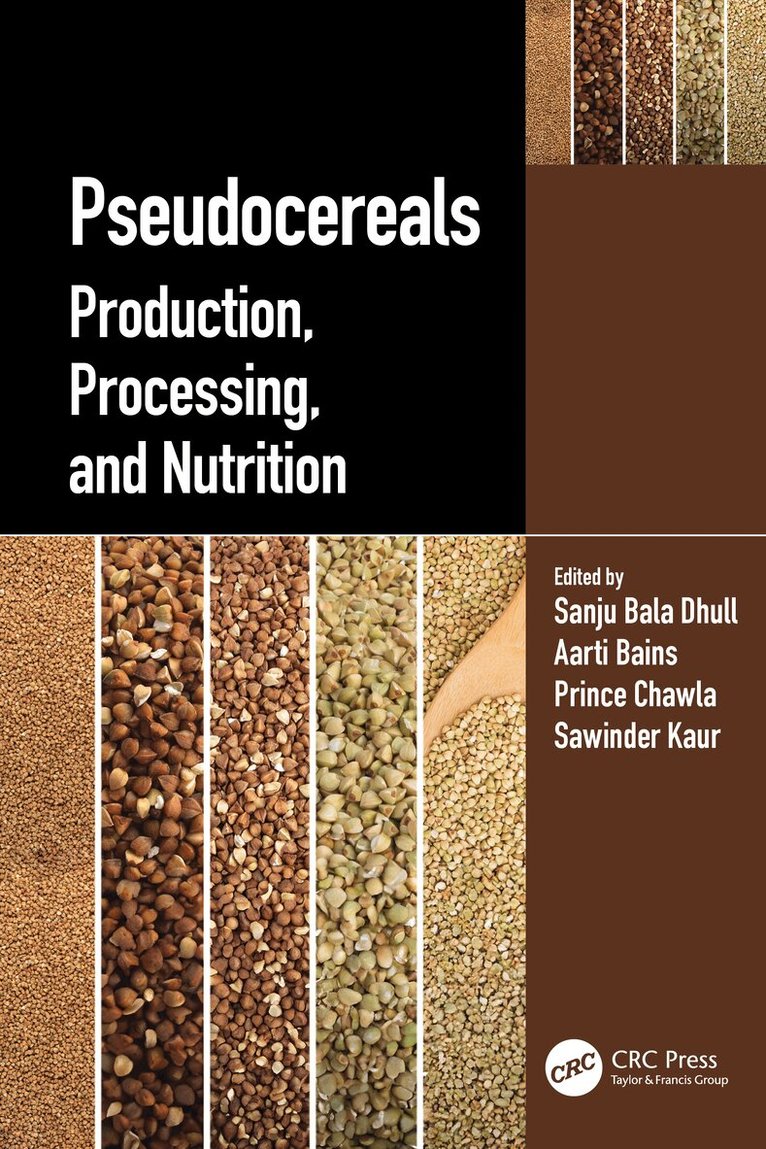
Pseudocereals: Production, Processing, and Nutrition provides an overview of the chemistry, processing, and technology of pseudocereals which have become super grains. The cultivation of pseudocereals has spread to over 70 different countries due to their attractive nutritional properties and for food security. This book discusses necessary information on different pseudocereals as well as practical information on cultivation procedures, equipment, food processing using pseudocereals and the use of by-products for bioactive compound extraction. It addresses concerns regarding globalization, food security, climate change and the needs of underdeveloped or developing countries.Key Features:Covers both common as well as less exploited pseudocerealsExplains the grain structure and engineering properties of different pseudocerealsStudies the effect of food processing on the bioactivity and nutritional value of pseudocereals and their products
2 416 kr
Skickas inom 10-15 vardagar
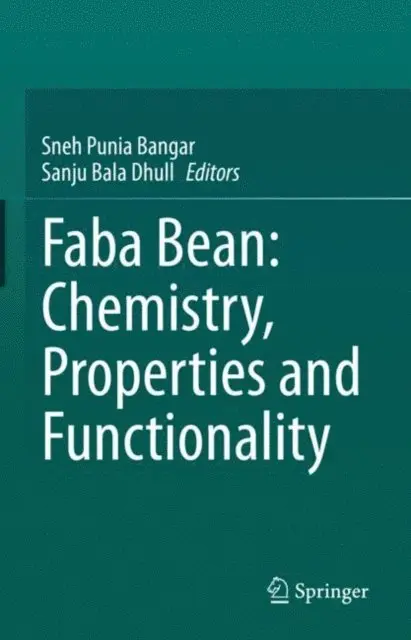
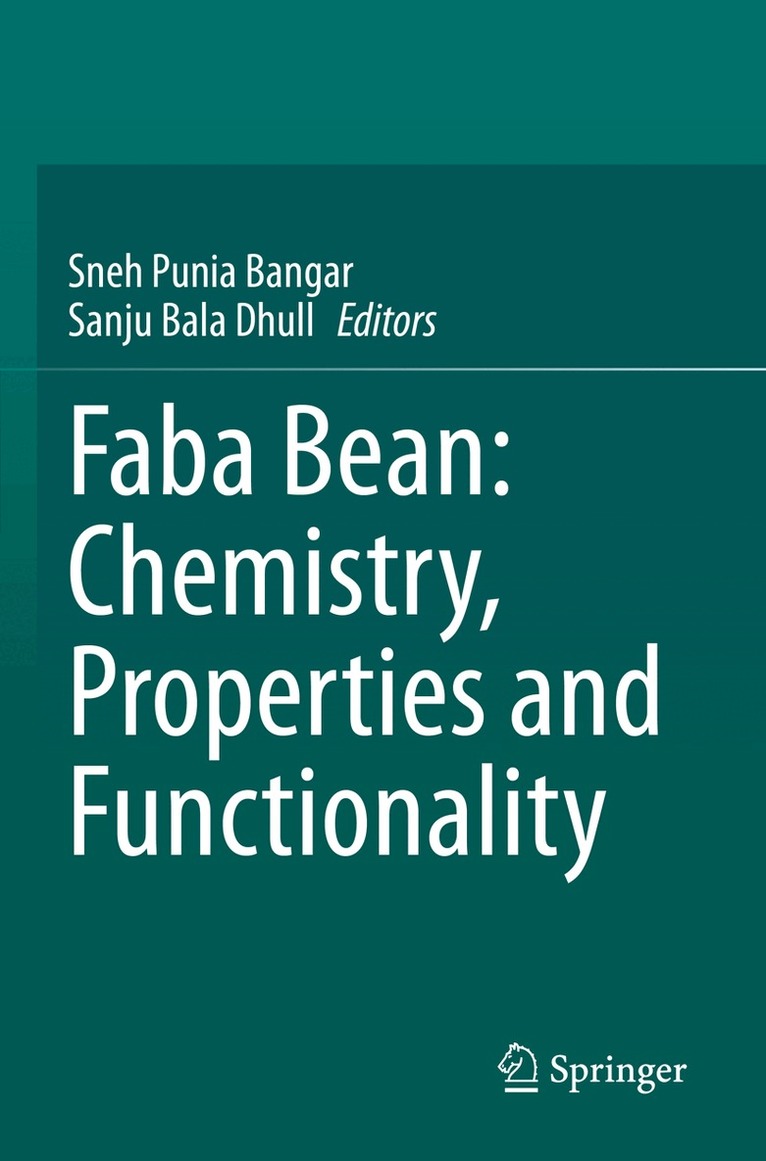
Faba bean is a species of flowering plant in the Fabaceae family and the fourth most widely grown winter season legume after pea, chickpea, and lentil. The nutritional profile of faba beans is excellent as they contain an adequate quantity of proteins, carbohydrates, vitamins, minerals and various polyphenols. Faba bean seeds are a rich source of carbohydrates and starch. Because of higher amylose content than cereal starches, legume starches provide distinctive properties such as high gelation temperature, fast retro-gradation, high resistant starch and gel elasticity to food systems. Faba bean has been a beneficial source of protein in food products worldwide for centuries and continues to be highly produced and consumed to this day.Faba bean Chemistry, Properties and Functionality studies the global status and production of faba bean food products plus their agronomy, nutritional value and potential medicinal applications. The agrarian conditions are studied in full, asare postharvest practices. The chemical makeup of faba bean is a major focus, especially in relation to nutrient composition and quality. Chapters in this text focus on anti-nutritional attributes, antioxidants and bioactive compounds plus the effects of processing, storage and cooking on their nutritional value. Starch and its modification, structure, properties and industrial applications are covered, as is protein, genetic improvement and functional product formulation. The text also looks at the future perspectives of this valuable plant and food source. To date, no reference works have exclusively covered faba bean. This book provides a much-needed single source reference point for researchers looking to gain knowledge on this important plant and its use in high protein, health-beneficial food products.
634 kr
Skickas inom 5-8 vardagar
2 416 kr
Skickas inom 10-15 vardagar
Faba bean is a species of flowering plant in the Fabaceae family and the fourth most widely grown winter season legume after pea, chickpea, and lentil. The nutritional profile of faba beans is excellent as they contain an adequate quantity of proteins, carbohydrates, vitamins, minerals and various polyphenols. Faba bean seeds are a rich source of carbohydrates and starch. Because of higher amylose content than cereal starches, legume starches provide distinctive properties such as high gelation temperature, fast retro-gradation, high resistant starch and gel elasticity to food systems. Faba bean has been a beneficial source of protein in food products worldwide for centuries and continues to be highly produced and consumed to this day.Faba bean Chemistry, Properties and Functionality studies the global status and production of faba bean food products plus their agronomy, nutritional value and potential medicinal applications. The agrarian conditions are studied in full, asare postharvest practices. The chemical makeup of faba bean is a major focus, especially in relation to nutrient composition and quality. Chapters in this text focus on anti-nutritional attributes, antioxidants and bioactive compounds plus the effects of processing, storage and cooking on their nutritional value. Starch and its modification, structure, properties and industrial applications are covered, as is protein, genetic improvement and functional product formulation. The text also looks at the future perspectives of this valuable plant and food source. To date, no reference works have exclusively covered faba bean. This book provides a much-needed single source reference point for researchers looking to gain knowledge on this important plant and its use in high protein, health-beneficial food products.
2 416 kr
Skickas inom 7-10 vardagar
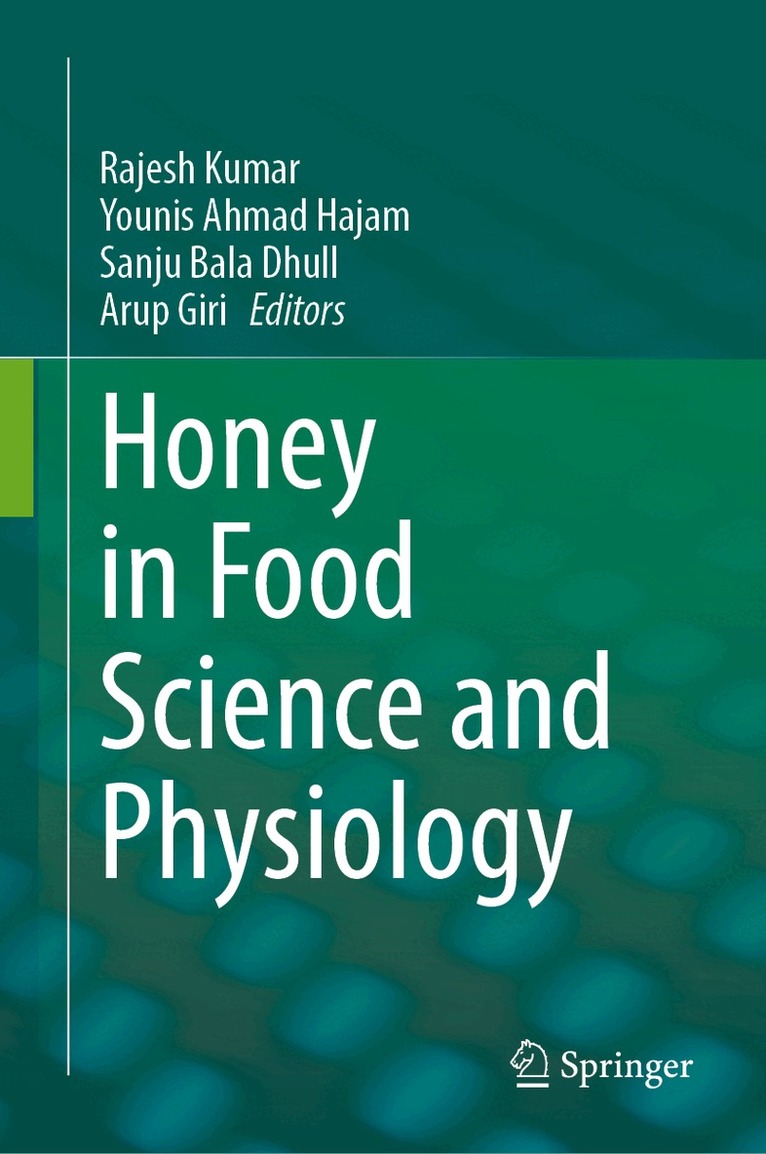
This book highlights the science underlying honey, which is central to an understanding of conventional medicine or ingredients of food used mostly in all societies and it is attracting increasing interest among food scientists and professionals worldwide.
2 416 kr
Skickas inom 10-15 vardagar