Amerind Studies in Archaeology – serie
Visar alla böcker i serien Amerind Studies in Archaeology. Handla med fri frakt och snabb leverans.
22 produkter
22 produkter
Inbunden, Engelska, 2010
1 107 kr
Skickas inom 3-6 vardagar
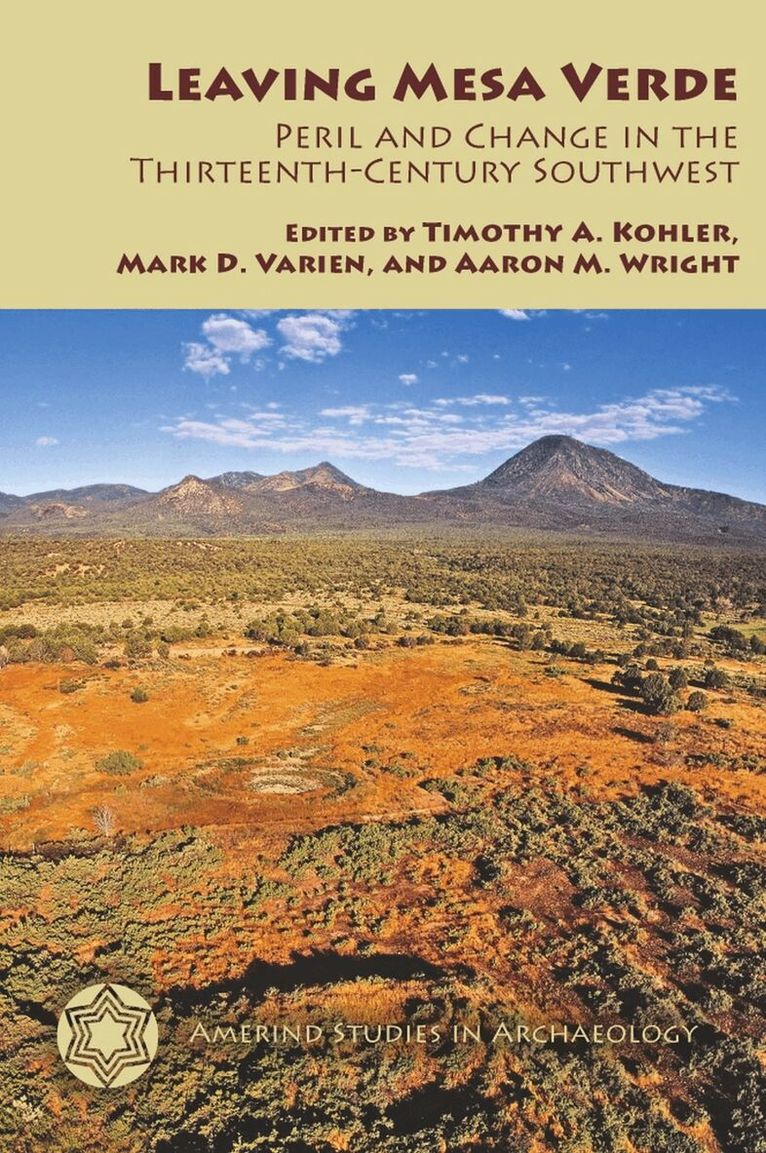
One of the great mysteries in the archaeology of the Americas: the depopulation of the northern Southwest in the late thirteenth-century is considered here with contributions from 15 scientists with access to new paleoenvironmental data. In this volume models are used to provide insights into the processes behind the patterns, helping to narrow the range of plausible explanations.
Inbunden, Engelska, 2010
726 kr
Skickas inom 5-8 vardagar
Häftad, Engelska, 2019
436 kr
Skickas inom 5-8 vardagar
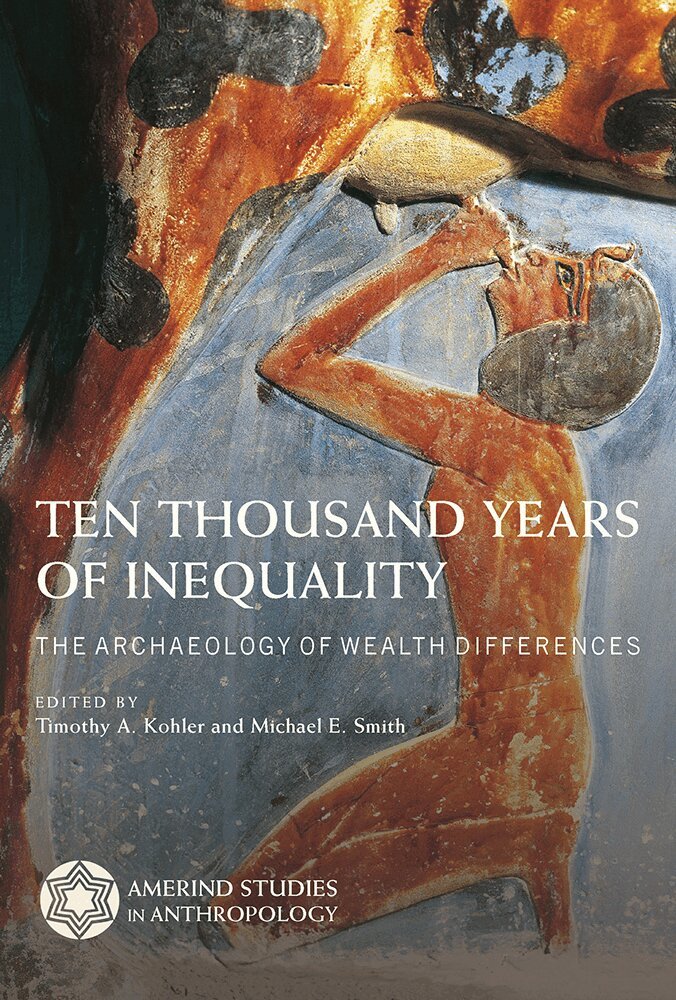
Is wealth inequality a universal feature of human societies, or did early peoples live an egalitarian existence? How did inequality develop before the modern era? Did inequalities in wealth increase as people settled into a way of life dominated by farming and herding? Why in general do such disparities increase, and how recent are the high levels of wealth inequality now experienced in many developed nations? How can archaeologists tell?Ten Thousand Years of Inequality addresses these and other questions by presenting the first set of consistent quantitative measurements of ancient wealth inequality. The authors are archaeologists who have adapted the Gini index, a statistical measure of wealth distribution often used by economists to measure contemporary inequality, and applied it to house-size distributions over time and around the world. Clear descriptions of methods and assumptions serve as a model for other archaeologists and historians who want to document past patterns of wealth disparity.The chapters cover a variety of ancient cases, including early hunter-gatherers, farmer villages, and agrarian states and empires. The final chapter synthesizes and compares the results. Among the new and notable outcomes, the authors report a systematic difference between higher levels of inequality in ancient Old World societies and lower levels in their New World counterparts.For the first time, archaeology allows humanity's deep past to provide an account of the early manifestations of wealth inequality around the world.Contributors: Nicholas Ames, Alleen Betzenhauser, Amy Bogaard, Samuel Bowles, Meredith S. Chesson, Abhijit Dandekar, Timothy J. Dennehy, Robert D. Drennan, Laura J. Ellyson, Deniz Enverova, Ronald K. Faulseit, Gary M. Feinman, Mattia Fochesato, Thomas A. Foor, Vishwas D. Gogte, Timothy A. Kohler, Ian Kuijt, Chapurukha M. Kusimba, Mary-Margaret Murphy, Linda M. Nicholas, Rahul C. Oka, Matthew Pailes, Christian E. Peterson, Anna Marie Prentiss, Michael E. Smith, Elizabeth C. Stone, Amy Styring, Jade Whitlam.
Inbunden, Engelska, 2020
726 kr
Skickas inom 5-8 vardagar
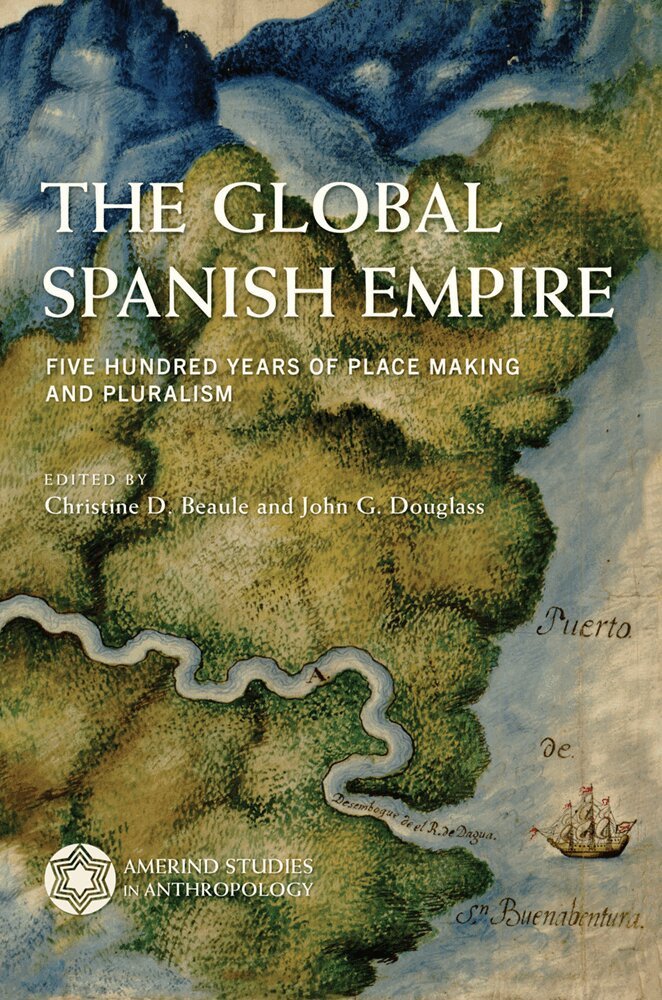
The Spanish Empire was a complex web of places and peoples. Through an expansive range of essays that look at Africa, the Americas, Asia, the Caribbean, and the Pacific, this volume brings a broad range of regions into conversation. The contributors focus on nuanced, comparative exploration of the processes and practices of creating, maintaining, and transforming cultural place making within pluralistic Spanish colonial communities.The Global Spanish Empire argues that patterned variability is necessary in reconstructing Indigenous cultural persistence in colonial settings. The volume's eleven case studies include regions often neglected in the archaeology of Spanish colonialism. The time span under investigation is extensive as well, transcending the entirely of the Spanish Empire, from early impacts in West Africa to Texas during the 1800s. The contributors examine the making of a social place within a social or physical landscape. They discuss the appearance of hybrid material culture, the incorporation of foreign goods into local material traditions, the continuation of local traditions, and archaeological evidence of opportunistic social climbing. In some cases, these changes in material culture are ways to maintain aspects of traditional culture rather than signifiers of new cultural practices.The Global Spanish Empire tackles broad questions about Indigenous cultural persistence, pluralism, and place making using a global comparative perspective grounded in the shared experience of Spanish colonialism.
Häftad, Engelska, 2019
394 kr
Skickas inom 5-8 vardagar
Spirit mediums of East Africa. Healers and fishermen of the Amazon River Basin. Potters of the American Southwest. People contending with climate change long ago. All share 'knowledge in motion,' a process of drawing on experiences past and present while engaging in daily practice in relation to contexts of time, place, and power.In the last twenty-five years, scholars from a number of disciplines have explored 'situated learning,' specifically investigating how learning relates to social reproduction and daily life. In Knowledge in Motion, contributors focus on learning through time and at a variety of scales, particularly as they relate to power and politics, with implications for emergent communities and constellations of practice.This volume brings together archaeologists, historians, and cultural anthropologists to examine communities engaged in a range of learning practices around the globe, from Africa to the Americas. Contributors draw on the growing interdisciplinary scholarship on situated learning to explore those processes in relation to power and broader forces that shape knowledge during times of turbulent change.Enriching the diversity of regions and disciplines, Knowledge in Motion focuses on how learning, knowledge transmission, and the emergent qualities of communities and constellations of practice are shaped by changing spheres of interaction or other unstable events and influences. The contributions forge productive theories and methodologies for exploring situated learning and its broad-ranging outcomes.
Inbunden, Engelska, 2021
705 kr
Skickas inom 5-8 vardagar
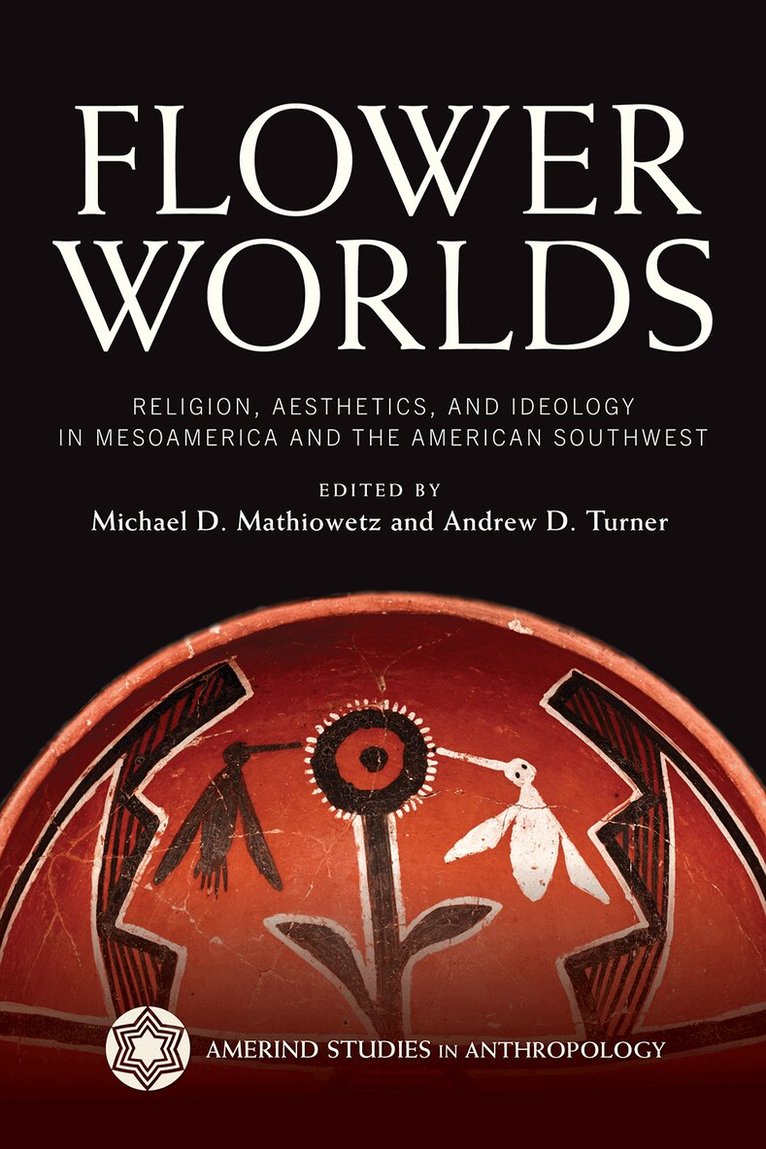
The recognition of Flower Worlds is one of the most significant breakthroughs in the study of Indigenous spirituality in the Americas. These worlds are solar and floral spiritual domains that are widely shared among both pre-Hispanic and contemporary Native cultures in Mesoamerica and the American Southwest. Flower Worlds is the first volume to bring together a diverse range of scholars to create a truly multidisciplinary understanding of Flower Worlds. During the last thirty years, archaeologists, art historians, ethnologists, Indigenous scholars, and linguists have emphasized the antiquity and geographical extent of similar Flower World beliefs among ethnic and linguistic groups in the New World.Flower Worlds are not simply ethereal, otherworldly domains, but rather they are embodied in lived experience, activated, invoked, and materialized through ritual practices, expressed in verbal and visual metaphors, and embedded in the use of material objects and ritual spaces. This comprehensive book illuminates the origins of Flower Worlds as a key aspect of religions and histories among societies in Mesoamerica and the American Southwest. It also explores the role of Flower Worlds in shaping ritual economies, politics, and cross-cultural interaction among Indigenous peoples.Flower Worlds reaches into multisensory realms that extend back at least 2,500 years, offering many different disciplines, perspectives, and collaborations to understand these domains. Today, Flower Worlds are expressed in everyday work and lived experiences, embedded in sacred geographies, and ritually practiced both individually and in communities. This volume stresses the importance of contemporary perspectives and experiences by opening with living traditions before delving into the historical trajectories of Flower Worlds, creating a book that melds scientific and humanistic research and emphasizes Indigenous voices.Contributors: Oswaldo Chinchilla Mazariegos, James M. CÓrdova, Davide Domenici, Ángel GonzÁlez LÓpez, Kelley Hays-Gilpin, Michael D. Mathiowetz, Cameron L. McNeil, Felipe S. Molina, Johannes Neurath, John M. D. Pohl, Alan R. Sandstrom, David Delgado Shorter, Karl A. Taube, Andrew D. Turner, Lorena VÁzquez Vallin, Dorothy Washburn
Häftad, Engelska, 2022
392 kr
Skickas inom 11-20 vardagar
The recognition of Flower Worlds is one of the most significant breakthroughs in the study of Indigenous spirituality in the Americas. These worlds are solar and floral spiritual domains that are widely shared among both pre-Hispanic and contemporary Native cultures in Mesoamerica and the American Southwest. Flower Worldsis the first volume to bring together a diverse range of scholars to create a truly multidisciplinary understanding of Flower Worlds. During the last thirty years, archaeologists, art historians, ethnologists, Indigenous scholars, and linguists have emphasized the antiquity and geographical extent of similar Flower World beliefs among ethnic and linguistic groups in the New World.Flower Worlds are not simply ethereal, otherworldly domains, but rather they are embodied in lived experience, activated, invoked, and materialized through ritual practices, expressed in verbal and visual metaphors, and embedded in the use of material objects and ritual spaces. This comprehensive book illuminates the origins of Flower Worlds as a key aspect of religions and histories among societies in Mesoamerica and the American Southwest. It also explores the role of Flower Worlds in shaping ritual economies, politics, and cross-cultural interaction among Indigenous peoples.Flower Worlds reaches into multisensory realms that extend back at least 2,500 years, offering many different disciplines, perspectives, and collaborations to understand these domains. Today, Flower Worlds are expressed in everyday work and lived experiences, embedded in sacred geographies, and ritually practiced both individually and in communities. This volume stresses the importance of contemporary perspectives and experiences by opening with living traditions before delving into the historical trajectories of Flower Worlds, creating a book that melds scientific and humanistic research and emphasizes Indigenous voices.Contributors: Oswaldo Chinchilla Mazariegos, James M. CÓrdova, Davide Domenici, Ángel GonzÁlez LÓpez, Kelley Hays-Gilpin, Michael D. Mathiowetz, Cameron L. McNeil, Felipe S. Molina, Johannes Neurath, John M. D. Pohl, Alan R. Sandstrom, David Delgado Shorter, Karl A. Taube, Andrew D. Turner, Lorena VÁzquez VallÍn, Dorothy Washburn
Inbunden, Engelska, 2023
781 kr
Skickas inom 5-8 vardagar
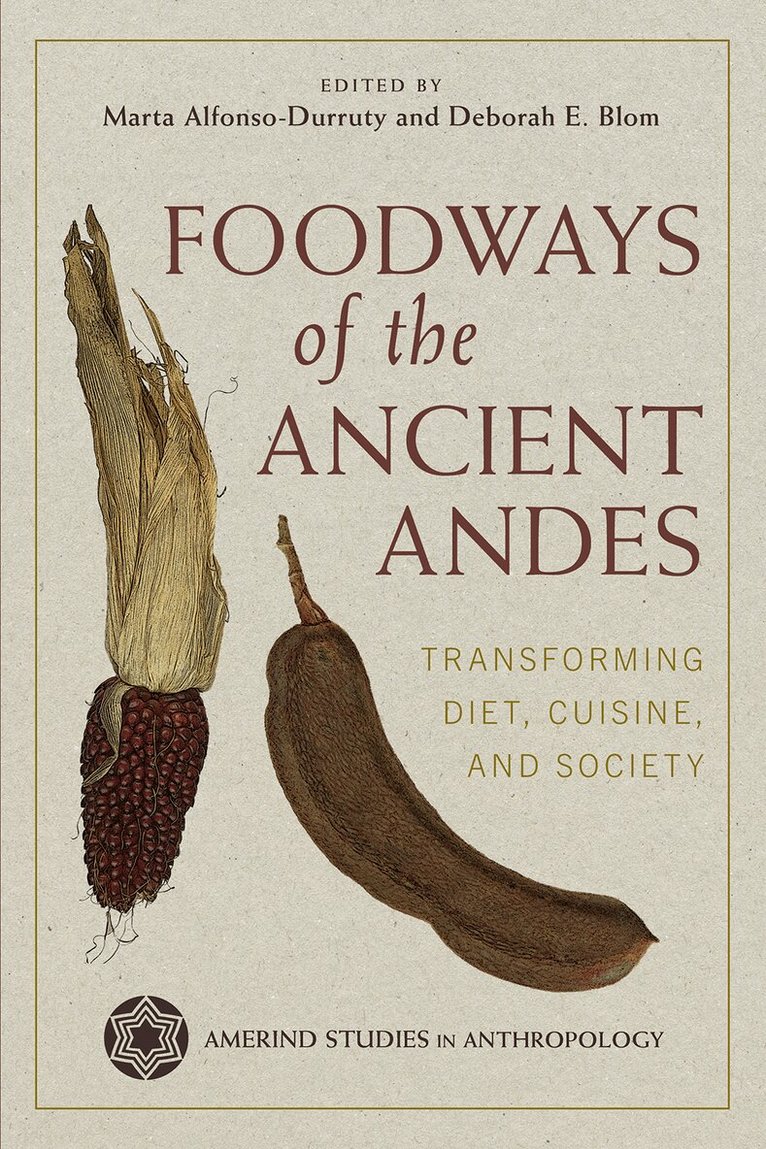
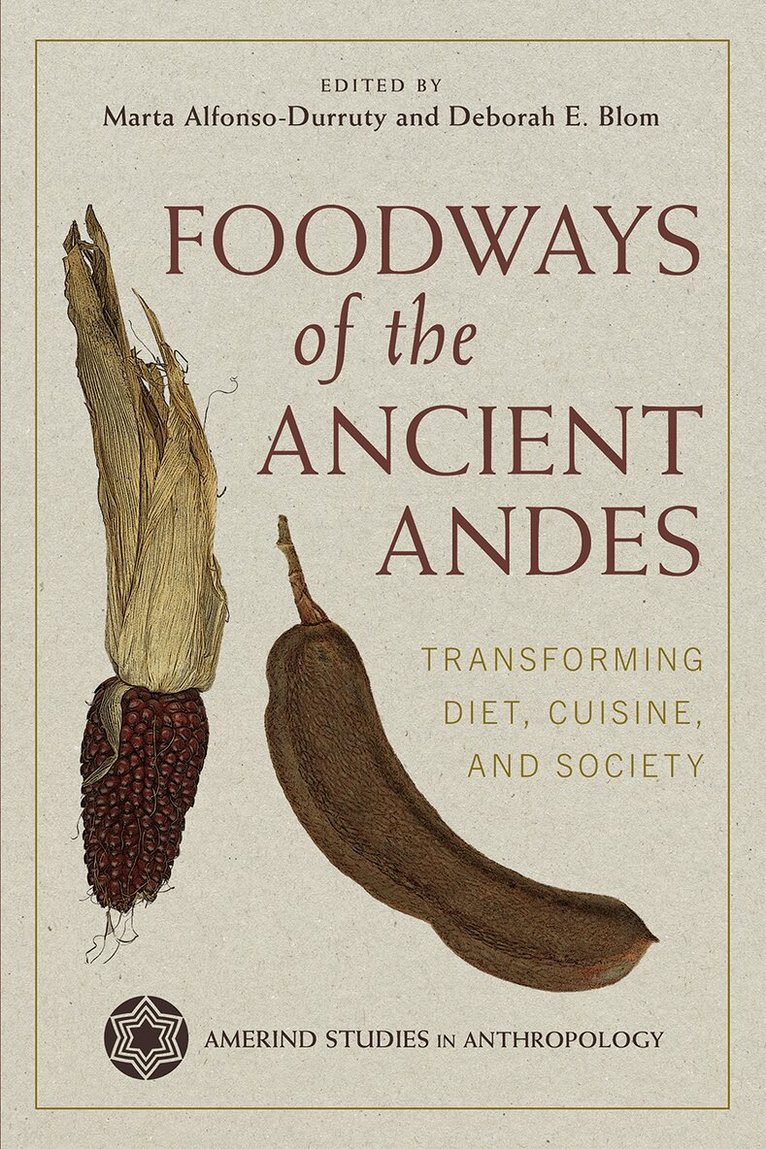
Eating is essential for life, but it also embodies social and symbolic dimensions. This volume shows how foods and peoples were mutually transformed in the ancient Andes.Exploring the multiple social, ecological, cultural, and ontological dimensions of food in the Andean past, the contributors of Foodways of the Ancient Andes offer diverse theoretical perspectives and methodological approaches that reveal the richness, sophistication, and ingenuity of Andean peoples. The volume spans time periods and localities in the Andean region to reveal how food is intertwined with multiple aspects of the human experience, from production and consumption to ideology and sociopolitical organization. It illustrates the Andean peoples’ resilience in the face of challenges brought about by food scarcity and environmental change. Chapters dissect the intersection of food, power, and status in early states and empires; examine the impact of food during times of conflict and instability; and illuminate how sacred and high-status foods contributed to the building of the Inka Empire.Featuring forty-six contributors from ten countries, the chapters employ new analytical methods, integrating different food data and interdisciplinary research to show that food can provide not only simple nutrition but also a multitude of strategies, social and political relationships, and ontologies that are otherwise invisible in the archaeological record.Contributors:Aleksa K. AlaicaSonia AlconiniMarta Alfonso-DurrutySarah I. BaitzelVÉronique BÉlisleCarolina BelmarCarrie Anne BerrymanMatthew E. BiwerDeborah E. BlomTamara L. BrayMatthew T. BrownMaria C. BrunoJosÉ M. CaprilesKatherine L. ChiouSusan D. deFranceLucia M. DiazRichard P. EvershedMaureen E. FolkAlexandra GreenwaldChris HarrodChristine A. HastorfIain KendallKelly J. KnudsonBrieAnna S. LanglieCecilia LempPetrus le RouxMarcos MartinezAnahÍ Maturana-FernÁndezWeston C. McCoolMelanie J. MillerNicole MisartiFlavia MorelloPatricia QuiÑonez CuzcanoOmar ReyesArturo F. Rivera InfanteManuel San RomÁnFrancisca Santana-SagredoBeth K. ScaffidiAugusto TessoneAndrÉs TroncosoTiffiny A. TungMauricio UribeNatasha P. VangSadie L. WeberKurt M. WilsonMichelle E. Young
Inbunden, Engelska, 2024
892 kr
Skickas inom 5-8 vardagar
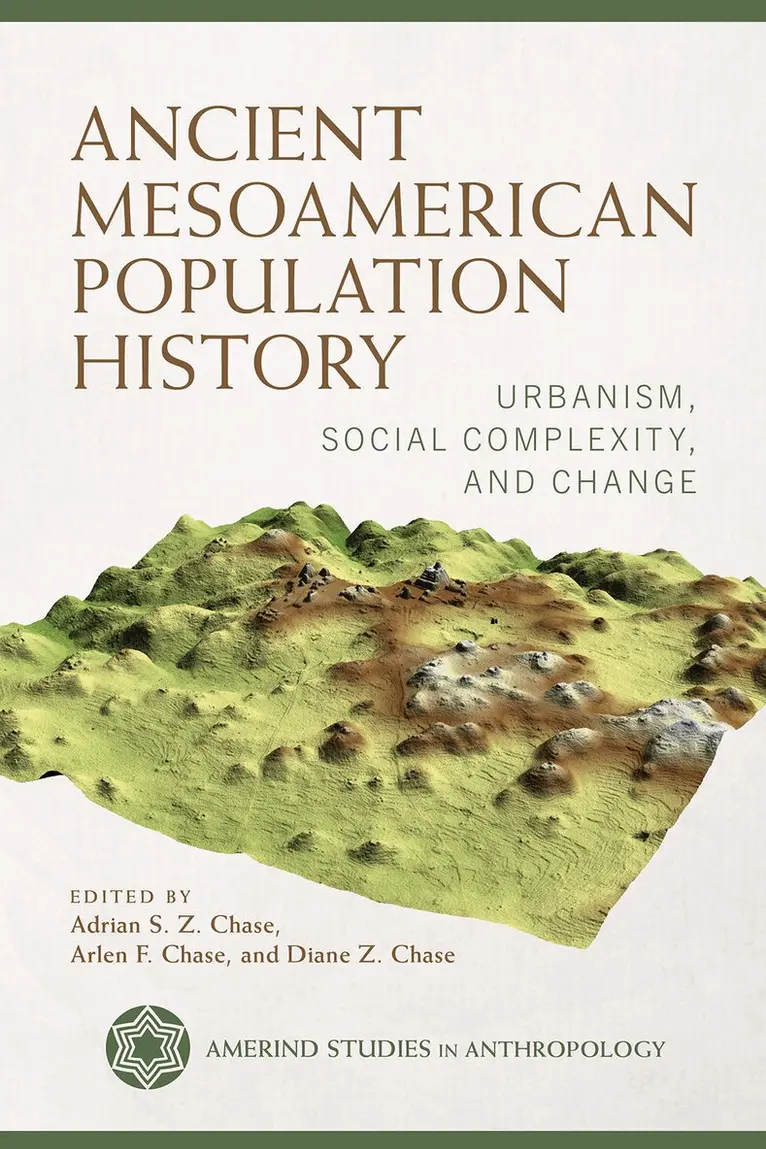
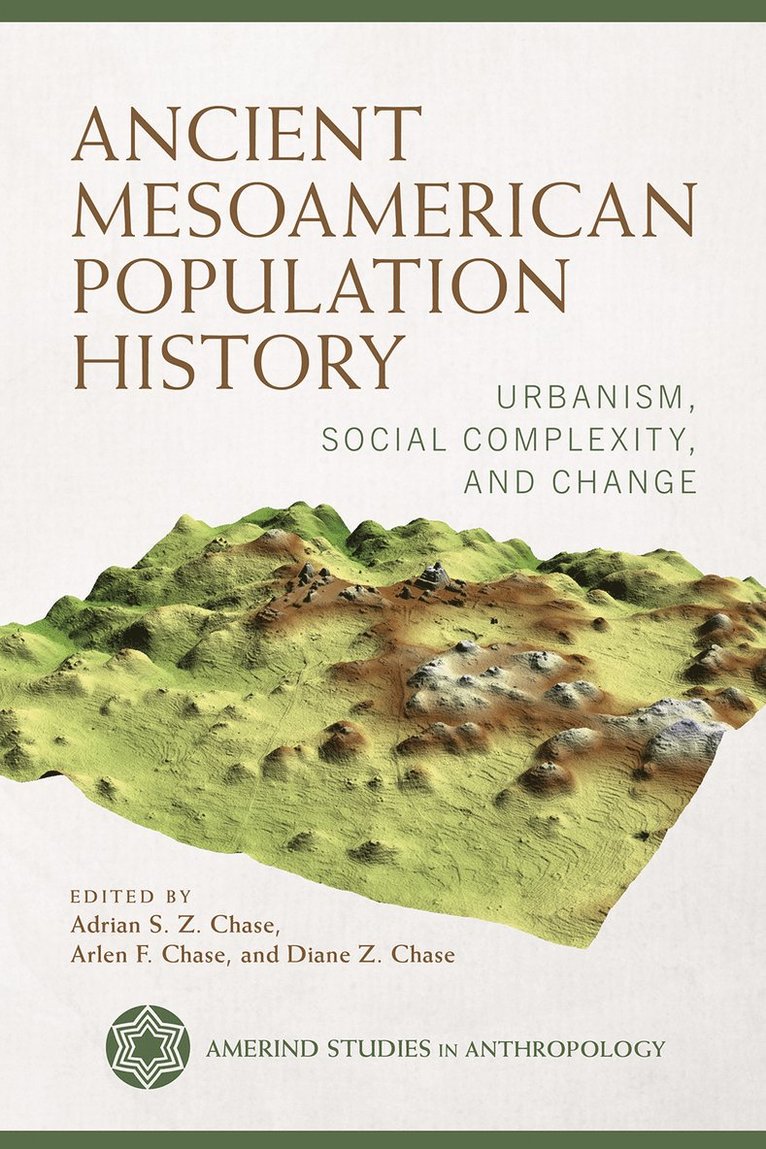
Establishing ancient population numbers and determining how they were distributed across a landscape over time constitute two of the most pressing problems in archaeology. Accurate population data is crucial for modeling, interpreting, and understanding the past. Now, advances in both archaeology and technology have changed the way that such approximations can be achieved.Including research from both highland central Mexico and the tropical lowlands of the Maya and Olmec areas, this book reexamines the demography in ancient Mesoamerica. Contributors present methods for determining population estimates, field methods for settlement pattern studies to obtain demographic data, and new technologies such as LiDAR (light detecting and ranging) that have expanded views of the ground in forested areas. Contributions to this book provide a view of ancient landscape use and modification that was not possible in the twentieth century. This important new work provides new understandings of Mesoamerican urbanism, development, and changes over time. ContributorsTraci ArdrenLuke Auld-ThomasM. Charlotte ArnauldBarbara ArroyoMarcello CanutoAdrian S. Z. ChaseArlen F. ChaseDiane Z. ChaseElyse D. Z. ChaseJavier EstradaGary M. FeinmanL. J. GorenfloJulien HiquetScott R. HutsonGerardo Jimenez DelgadoEva LemonnierRodrigo LiendoJosÉ LoboJavier Lopez MejiaMichael L. LoughlinDeborah NicholsChristopher A. PoolIan G. RobertsonJeremy A. SabloffTravis W. Stanton
Inbunden, Engelska, 2024
836 kr
Skickas inom 5-8 vardagar
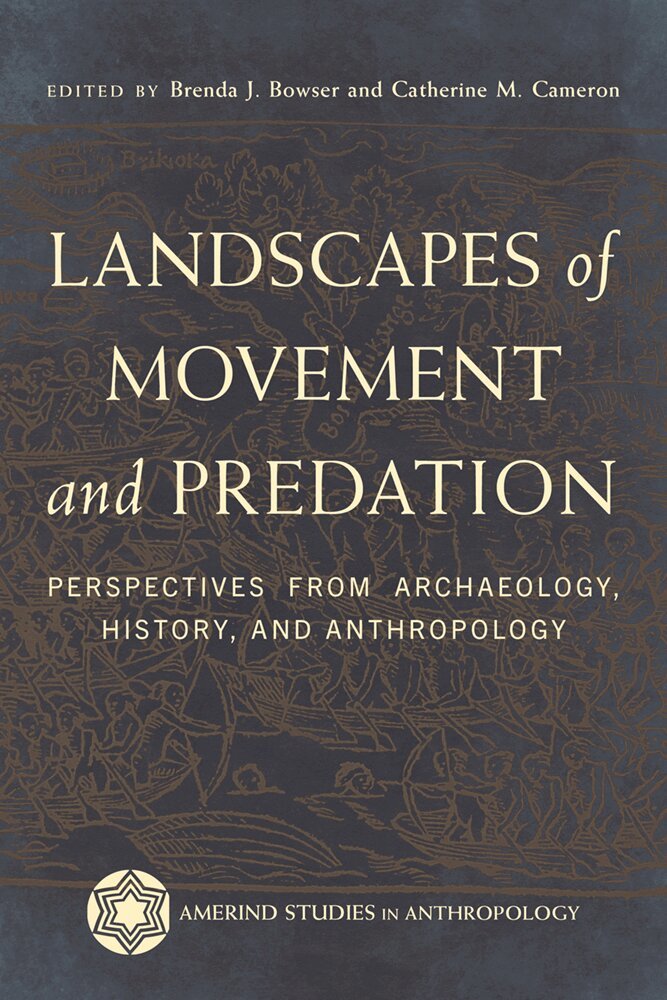
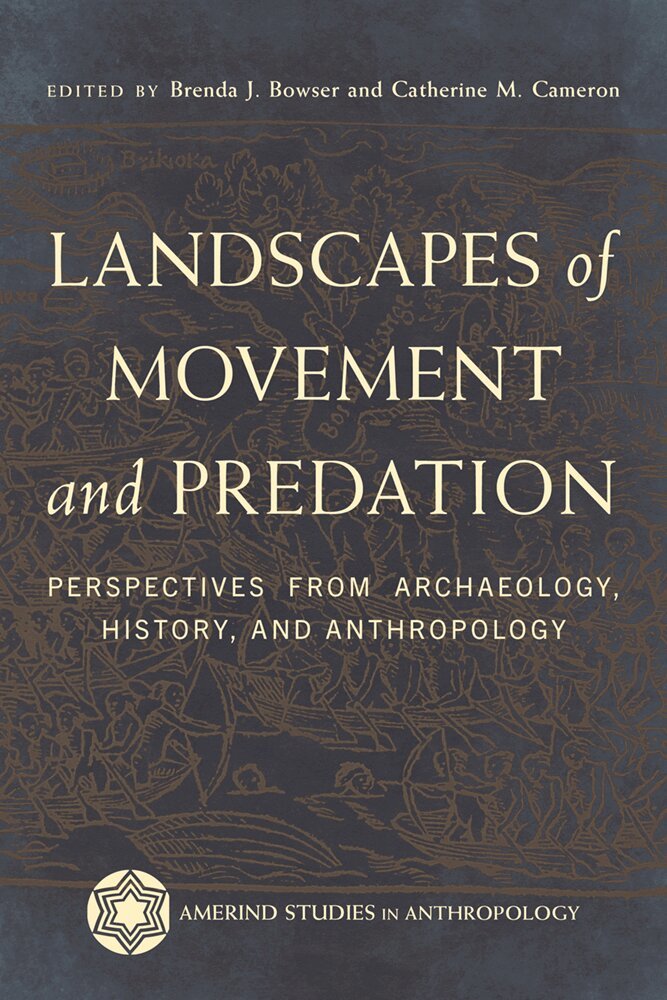
Landscapes of Movement and Predation is a global study of times and places where people were subject to brutality, displacement, and loss of life, liberty, livelihood, and possessions. Extensive landscapes of predation emerged in the colonial era when Europeans expanded across much of the world, appropriating land and demanding labor from Indigenous people, resulting in the enslavement of millions of Africans and Indigenous Americans.Landscapes of predation also developed in precolonial times in places where people were subjected to repeated ruthless attacks and dislocation. With contributions from archaeologists and a historian, the book provides a startling new perspective on an aspect of the past that is often overlooked: the role of violence in shaping where, how, and with whom people lived. Using ethnohistoric, ethnographic, historic, and archaeological data, the authors explore the actions of both predators and their targets and uncover the myriad responses people took to protect themselves. ContributorsFernando AlmeidaThomas John BiginagwaBrenda J. BowserCatherine M. CameronCharles CobbRobbie EthridgeThiago KaterRichard M. LeventhalLydia Wilson MarshallCliverson PessoaNeil PriceBen RaffieldAndrÉs ResÉndezSamantha SeylerFabÍola AndrÉa Silva
Inbunden, Engelska, 2025
836 kr
Skickas inom 5-8 vardagar
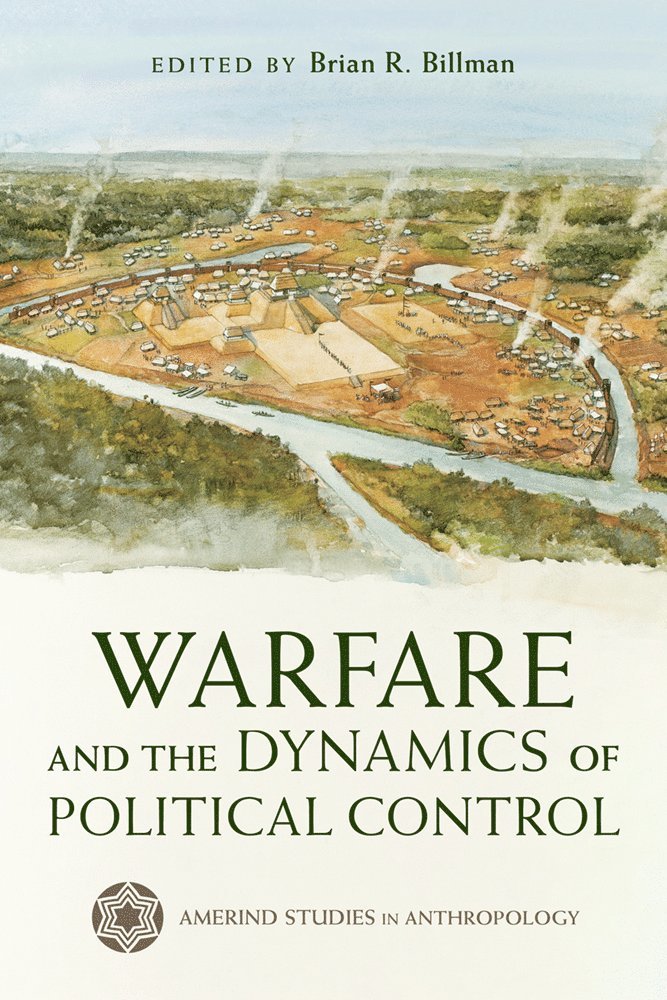
Warfare and the Dynamics of Political Control draws on a wealth of interdisciplinary perspectives to explore how conflict shapes the establishment and maintenance of political institutions, from small-scale societies to expansive empires. The book examines the material and ideological factors that drive warfare, the organization of combatants, the ways leaders use violence to consolidate power, and how groups resist political domination in times of conflict. By posing critical questions about the efficacy of strategies and the varied outcomes of conflict-driven power struggles, this volume offers profound insights into the dynamics of political control throughout history. Bringing together case studies from diverse regions and time periods, Warfare and the Dynamics of Political Controlilluminates the multifaceted nature of political violence. The volume includes discussions of human sacrifice, slave-taking, ideological signaling, and military strategy and tactics. The case studies reveal how different forms of political violence influence societal structures. From the fortifications of the Māori in New Zealand to the city walls of early historic India, each contribution provides a detailed analysis of how warfare has been used to both to challenge and to establish political hierarchies. Featuring examples from small foraging communities to large empires across various regions and time periods, the book offers a wide-ranging exploration of how different groups have used and resisted political violence. This essential work contributes to our understanding of the intersections between conflict and political power, making it a vital resource for scholars of anthropology, archaeology, political science, and history.
Häftad, Engelska, 2024
408 kr
Skickas inom 5-8 vardagar
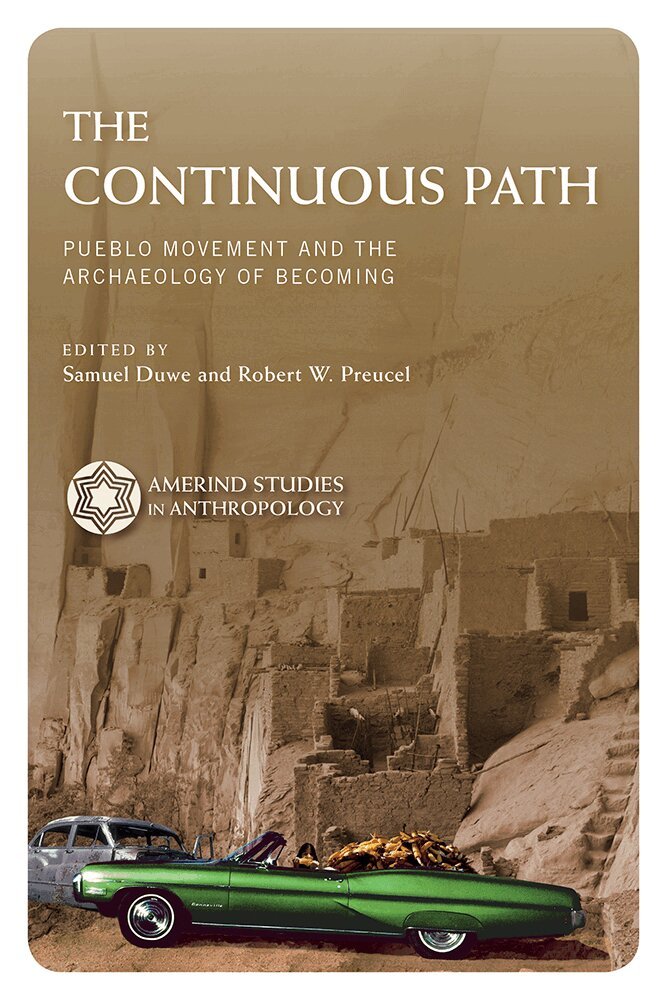
Southwestern archaeology has long been fascinated with the scale and frequency of movement in Pueblo history, from great migrations to short-term mobility. By collaborating with Pueblo communities, archaeologists are learning that movement was—and is—much more than the result of economic opportunity or a response to social conflict. Movement is one of the fundamental concepts of Pueblo thought and is essential in shaping the identities of contemporary Pueblos.The Continuous Path challenges archaeologists to take Pueblo notions of movement seriously by privileging Pueblo concepts of being and becoming in the interpretation of anthropological data. In this volume, archaeologists, anthropologists, and Native community members weave multiple perspectives together to write histories of particular Pueblo peoples. Within these histories are stories of the movements of people, materials, and ideas, as well as the interconnectedness of all as the Pueblo people find, leave, and return to their middle places. What results is an emphasis on historical continuities and the understanding that the same concepts of movement that guided the actions of Pueblo people in the past continue to do so into the present and the future.Movement is a never-ending and directed journey toward an ideal existence and a continuous path of becoming. This path began as the Pueblo people emerged from the underworld and sought their middle places, and it continues today at multiple levels, integrating the people, the village, and the individual.
Häftad, Engelska, 2024
380 kr
Skickas inom 5-8 vardagar
The Spanish Empire was a complex web of places and peoples. Through an expansive range of essays that look at Africa, the Americas, Asia, the Caribbean, and the Pacific, this volume brings a broad range of regions into conversation. The contributors focus on nuanced, comparative exploration of the processes and practices of creating, maintaining, and transforming cultural place making within pluralistic Spanish colonial communities.The Global Spanish Empire argues that patterned variability is necessary in reconstructing Indigenous cultural persistence in colonial settings. The volume’s eleven case studies include regions often neglected in the archaeology of Spanish colonialism. The time span under investigation is extensive as well, transcending the entirety of the Spanish Empire, from early impacts in West Africa to Texas during the 1800s. The contributors examine the making of a social place within a social or physical landscape. They discuss the appearance of hybrid material culture, the incorporation of foreign goods into local material traditions, the continuation of local traditions, and archaeological evidence of opportunistic social climbing. In some cases, these changes in material culture are ways to maintain aspects of traditional culture rather than signifiers of new cultural practices.The Global Spanish Empire tackles broad questions about Indigenous cultural persistence, pluralism, and place making using a global comparative perspective grounded in the shared experience of Spanish colonialism.Contributors Stephen AcabadoGrace Barretto-TesoroJames M. BaymanChristine D. BeauleChristopher R. DeCorseBoyd M. DixonJohn G. DouglassWilliam R. FowlerMartin GibbsCorinne L. HofmanHannah G. HooverStacie M. KingKevin LaneLaura MatthewSandra MontÓn-SubÍasNatalia Moragas SeguraMichelle M. PigottChristopher B. RodningDavid RoeRoberto ValcÁrcel RojasSteve A. TomkaJorge Ulloa HungJuliet Wiersema
Häftad, Engelska, 2025
408 kr
Skickas inom 5-8 vardagar
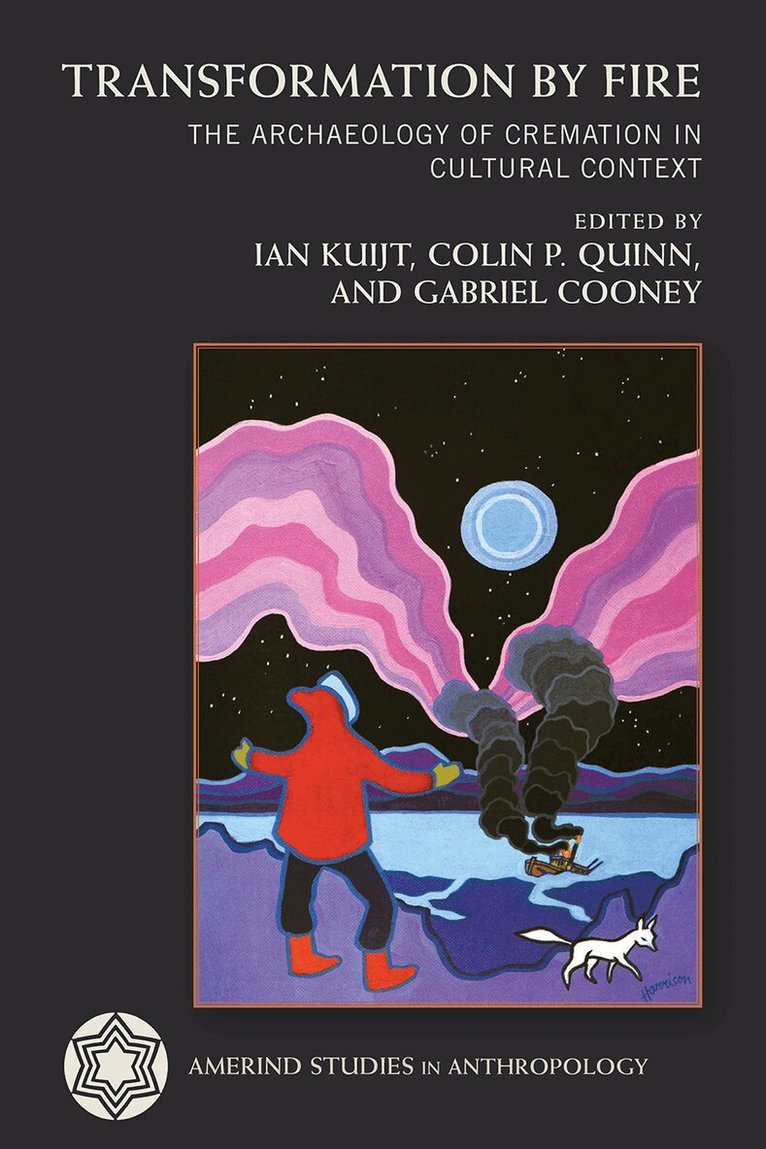
Ash, bone, and memories are all that remains after cremation. Yet for societies and communities, the act of cremation after death is highly symbolic, rich with complex meaning, touching on what it means to be human. In the process of transforming the dead, the family, the community, and society as a whole create and partake in cultural symbolism. Cremation is a key area of archaeological research, but its complexity has been underappreciated and undertheorized. Transformation by Fire offers a fresh assessment of archaeological research on this widespread social practice. Editors Ian Kuijt, Colin P. Quinn, and Gabriel Cooney’s volume examines cremation by documenting the material signatures of cremation events and processes, as well as its transformative impact on social relations and concepts of the body. Indeed, examining why and how people chose to cremate their dead serves as an important means of understanding how people in the past dealt with death, the body, and the social world. The contributors develop new perspectives on cremation as important mortuary practices and social transformations. Varying attitudes and beliefs on cremation and other forms of burial within the same cultural paradigm help us understand what constitutes the body and what occurs during its fiery transformation. In addition, they explore issues and interpretive perspectives in the archaeological study of cremation within and between different cultural contexts. The global and comparative perspectives on cremation render the book a unique contribution to the literature of anthropological and mortuary archaeology.
Häftad, Engelska, 2026
378 kr
Kommande
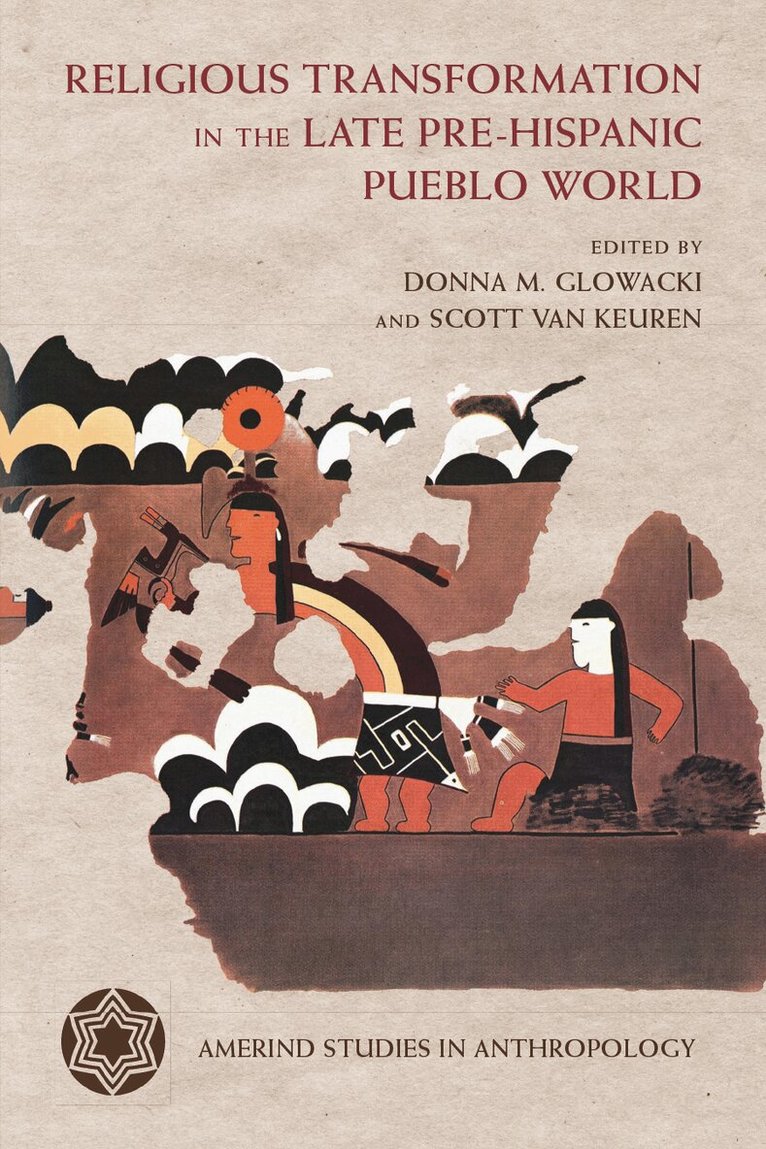
The mid-thirteenth century AD marks the beginning of tremendous social change among Ancestral Pueblo peoples of the northern US Southwest that foreshadow the emergence of the modern Pueblo world. Regional depopulations, long-distance migrations, and widespread resettlement into large plaza-oriented villages forever altered community life. Archaeologists have tended to view these historical events as adaptive responses to climatic, environmental, and economic conditions. Recently, however, more attention is being given to the central role of religion during these transformative periods, and to how archaeological remains embody the complex social practices through which Ancestral Pueblo understandings of sacred concepts were expressed and transformed. The contributors to this volume employ a wide range of archaeological evidence to examine the origin and development of religious ideologies and the ways they shaped Pueblo societies across the Southwest in the centuries prior to European contact. With its fresh theoretical approach, it contributes to a better understanding of both the Pueblo past and the anthropological study of religion in ancient contexts This volume will be of interest to both regional specialists and to scholars who work with the broader dimensions of religion and ritual in the human experience.
Häftad, Engelska, 2026
451 kr
Kommande
The “Crow-Omaha problem” has perplexed anthropologists since it was first described by Lewis Henry Morgan in 1871. During his worldwide survey of kinship systems, Morgan learned with astonishment that some Native American societies call some relatives of different generations by the same terms. Why? Intergenerational “skewing” in what came to be named “Crow” and “Omaha” systems has provoked a wealth of anthropological arguments, from Rivers to Radcliffe-Brown, from Lowie to LÉvi-Strauss, and many more. Crow-Omaha systems, it turns out, are both uncommon and yet found distributed around the world. For anthropologists, cracking the Crow-Omaha problem is critical to understanding how social systems transform from one type into another, both historically in particular settings and evolutionarily in the broader sweep of human relations. This volume examines the Crow-Omaha problem from a variety of perspectives—historical, linguistic, formalist, structuralist, culturalist, evolutionary, and phylogenetic. It focuses on the regions where Crow-Omaha systems occur: Native North America, Amazonia, West Africa, Northeast and East Africa, aboriginal Australia, northeast India, and the Tibeto-Burman area. The international roster of authors includes leading experts in their fields. The book offers a state-of-the-art assessment of Crow-Omaha kinship and carries forward the work of the landmark volume Transformations of Kinship, published in 1998. Intended for students and scholars alike, it is composed of brief, accessible chapters that respect the complexity of the ideas while presenting them clearly. The work serves as both a new benchmark in the explanation of kinship systems and an introduction to kinship studies for a new generation of students. Series Note: Formerly titled Amerind Studies in Archaeology, this series has recently been expanded and retitled Amerind Studies in Anthropology to incorporate a high quality and number of anthropology titles coming in to the series in addition to those in archaeology.
Häftad, Engelska, 2025
380 kr
Skickas inom 5-8 vardagar
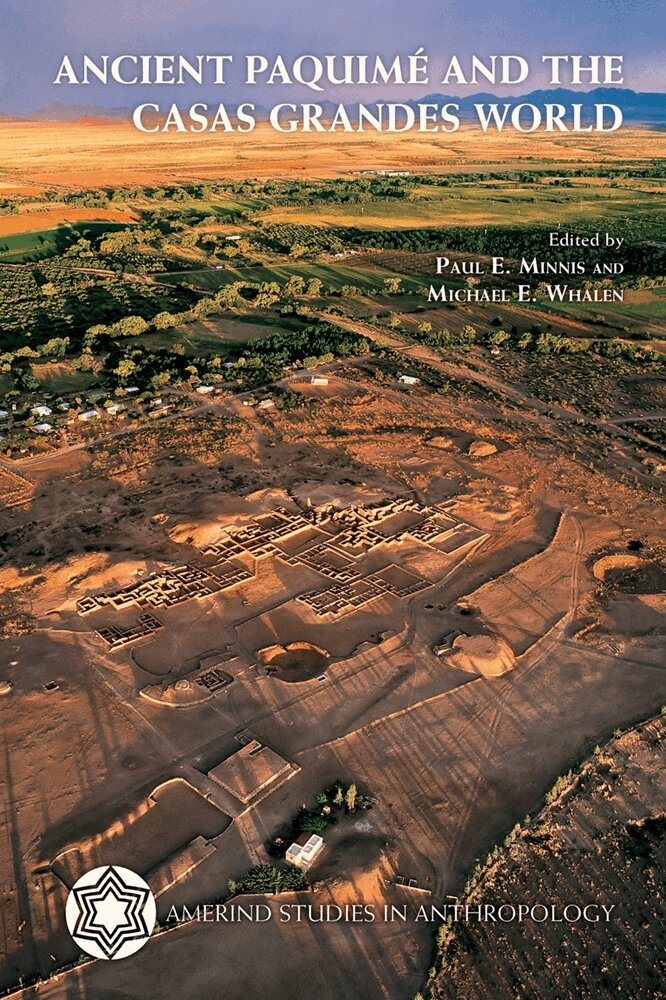
PaquimÉ, the great multistoried pre-Hispanic settlement also known as Casas Grandes, was the center of an ancient region with hundreds of related neighbors. It also participated in massive networks that stretched their fingers through northwestern Mexico and the U.S. Southwest. PaquimÉ is widely considered one of the most important and influential communities in ancient northern Mexico and is a UNESCO World Heritage Site. Ancient PaquimÉ and the Casas Grandes World, edited by Paul E. Minnis and Michael E. Whalen, summarizes the four decades of research since the Amerind Foundation and Charles Di Peso published the results of the Joint Casas Grandes Expeditions in 1974. The Joint Casas Grandes Expedition revealed the extraordinary nature of this site: monumental architecture, massive ball courts, ritual mounds, over a ton of shell artifacts, hundreds of skeletons of multicolored macaws and their pens, copper from west Mexico, and rich political and religious life with Mesoamerican-related images and rituals. PaquimÉ was not one sole community but was surrounded by hundreds of outlying villages in the region, indicating a zone that sustained thousands of inhabitants and influenced groups much farther afield. In celebration of the Amerind Foundation’s seventieth anniversary, sixteen scholars with direct and substantial experience in Casas Grandes archaeology present nine chapters covering its economy, chronology, history, religion, regional organization, and importance. The two final chapters examine PaquimÉ in broader geographic perspectives. This volume sheds new light on Casas Grandes/PaquimÉ, a great town well-adapted to its physical and economic environment that disappeared just before Spanish contact.
Inbunden, Engelska, 2026
833 kr
Skickas
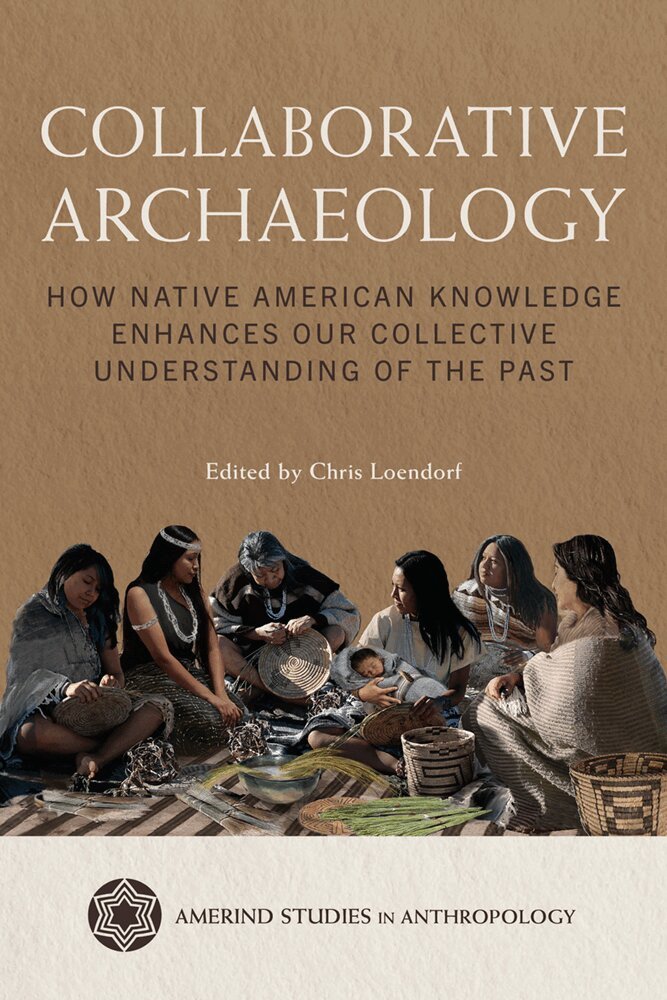
Collaborative Archaeology brings together a diverse group of scholars and tribal cultural resource professionals to showcase how Indigenous knowledge is transforming archaeological practice. Edited by Chris Loendorf, this volume features twelve case studies that highlight the power of partnership between Native American communities and archaeologists. These collaborations not only enrich our understanding of the past but also affirm Indigenous cultural continuity. From the establishment of Tribal Historic Preservation Offices to tribally led research initiatives, the book illustrates how Native voices are reshaping the field. This timely collection bridges disciplinary divides between archaeology, history, and traditional knowledge, challenging outdated narratives that separate “prehistory” from living Indigenous communities. Contributors demonstrate how ethical, community-based research can lead to more accurate and respectful interpretations of the past. Collaborative Archaeology is essential reading for scholars, students, and practitioners committed to scientific understanding and cultural preservation.Contributors Nicole Armstrong-Best Skylar Begay Jennifer Bess Hannah F. Chavez Robert B. Ciaccio Shannon Cowell William H. Doelle Karl A. Hoerig Anabel Galindo Barnaby V. Lewis Chris Loendorf Brian Medchill Linda Morgan Laurene G. Montero Stephen E. Nash Eloise Pedro Glen E. Rice Teresa Rodrigues Hoski Schaafsma Thomas E. Sheridan Katrina Soke Lindsey Vogel-Teeter Anastasia Walhovd Kelly Washington Reylynne Williams M. Kyle Woodson Aaron M. Wright
Häftad, Engelska, 2025
436 kr
Skickas inom 5-8 vardagar
Eating is essential for life, but it also embodies social and symbolic dimensions. This volume shows how foods and peoples were mutually transformed in the ancient Andes. Exploring the multiple social, ecological, cultural, and ontological dimensions of food in the Andean past, the contributors of Foodways of the Ancient Andes offer diverse theoretical perspectives and methodological approaches that reveal the richness, sophistication, and ingenuity of Andean peoples. The volume spans time periods and localities in the Andean region to reveal how food is intertwined with multiple aspects of the human experience, from production and consumption to ideology and sociopolitical organization. It illustrates the Andean peoples’ resilience in the face of challenges brought about by food scarcity and environmental change. Chapters dissect the intersection of food, power, and status in early states and empires; examine the impact of food during times of conflict and instability; and illuminate how sacred and high-status foods contributed to the building of the Inka Empire. Featuring forty-six contributors from ten countries, the chapters employ new analytical methods, integrating different food data and interdisciplinary research to show that food can provide not only simple nutrition but also a multitude of strategies, social and political relationships, and ontologies that are otherwise invisible in the archaeological record.
Häftad, Engelska, 2026
408 kr
Skickas inom 5-8 vardagar
Landscapes of Movement and Predation is a global study of times and places where people were subject to brutality, displacement, and loss of life, liberty, livelihood, and possessions. Extensive landscapes of predation emerged in the colonial era when Europeans expanded across much of the world, appropriating land and demanding labor from Indigenous people, resulting in the enslavement of millions of Africans and Indigenous Americans. Landscapes of predation also developed in precolonial times in places where people were subjected to repeated ruthless attacks and dislocation. With contributions from archaeologists and a historian, the book provides a startling new perspective on an aspect of the past that is often overlooked: the role of violence in shaping where, how, and with whom people lived. Using ethnohistoric, ethnographic, historic, and archaeological data, the authors explore the actions of both predators and their targets and uncover the myriad responses people took to protect themselves. Contributors Fernando Almeida Thomas John Biginagwa Brenda J. Bowser Catherine M. Cameron Charles Cobb Robbie Ethridge Thiago Kater Richard M. Leventhal Lydia Wilson Marshall Cliverson Pessoa Neil Price Ben Raffield AndrÉs ResÉndez Samantha Seyler FabÍola AndrÉa Silva
Häftad, Engelska, 2026
408 kr
Skickas inom 5-8 vardagar
Warfare and the Dynamics of Political Control draws on a wealth of interdisciplinary perspectives to explore how conflict shapes the establishment and maintenance of political institutions, from small-scale societies to expansive empires. The book examines the material and ideological factors that drive warfare, the organization of combatants, the ways leaders use violence to consolidate power, and how groups resist political domination in times of conflict. By posing critical questions about the efficacy of strategies and the varied outcomes of conflict-driven power struggles, this volume offers profound insights into the dynamics of political control throughout history.Bringing together case studies from diverse regions and time periods, Warfare and the Dynamics of Political Controlilluminates the multifaceted nature of political violence. The volume includes discussions of human sacrifice, slave-taking, ideological signaling, and military strategy and tactics. The case studies reveal how different forms of political violence influence societal structures. From the fortifications of the Māori in New Zealand to the city walls of early historic India, each contribution provides a detailed analysis of how warfare has been used to both to challenge and to establish political hierarchies. Featuring examples from small foraging communities to large empires across various regions and time periods, the book offers a wide-ranging exploration of how different groups have used and resisted political violence.This essential work contributes to our understanding of the intersections between conflict and political power, making it a vital resource for scholars of anthropology, archaeology, political science, and history.
Häftad, Engelska, 2026
709 kr
Kommande
Establishing ancient population numbers and determining how they were distributed across a landscape over time constitute two of the most pressing problems in archaeology. Accurate population data is crucial for modeling, interpreting, and understanding the past. Now, advances in both archaeology and technology have changed the way that such approximations can be achieved. Including research from both highland central Mexico and the tropical lowlands of the Maya and Olmec areas, this book reexamines the demography in ancient Mesoamerica. Contributors present methods for determining population estimates, field methods for settlement pattern studies to obtain demographic data, and new technologies such as LiDAR (light detecting and ranging) that have expanded views of the ground in forested areas. Contributions to this book provide a view of ancient landscape use and modification that was not possible in the twentieth century. This important new work provides new understandings of Mesoamerican urbanism, development, and changes over time.ContributorsTraci ArdrenM. Charlotte ArnauldBárbara ArroyoLuke Auld-ThomasMarcello A. CanutoAdrian S. Z. ChaseArlen F. ChaseDiane Z. ChaseElyse D. Z. ChaseJavier EstradaGary M. FeinmanL. J. GorenfloJulien HiquetScott R. HutsonGerardo Jiménez DelgadoEva LemonnierRodrigo Liendo StuardoJosé LoboJavier López MejíaMichael L. LoughlinDeborah L. NicholsChristopher A. PoolIan G. RobertsonJeremy A. SabloffTravis W. Stanton