Christine Beaule - Böcker
Visar alla böcker från författaren Christine Beaule. Handla med fri frakt och snabb leverans.
4 produkter
4 produkter
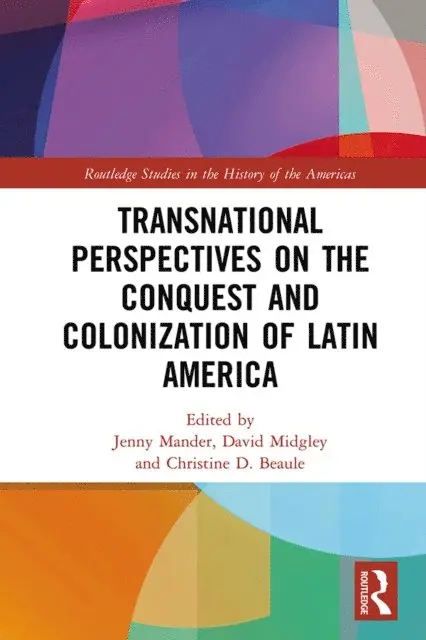
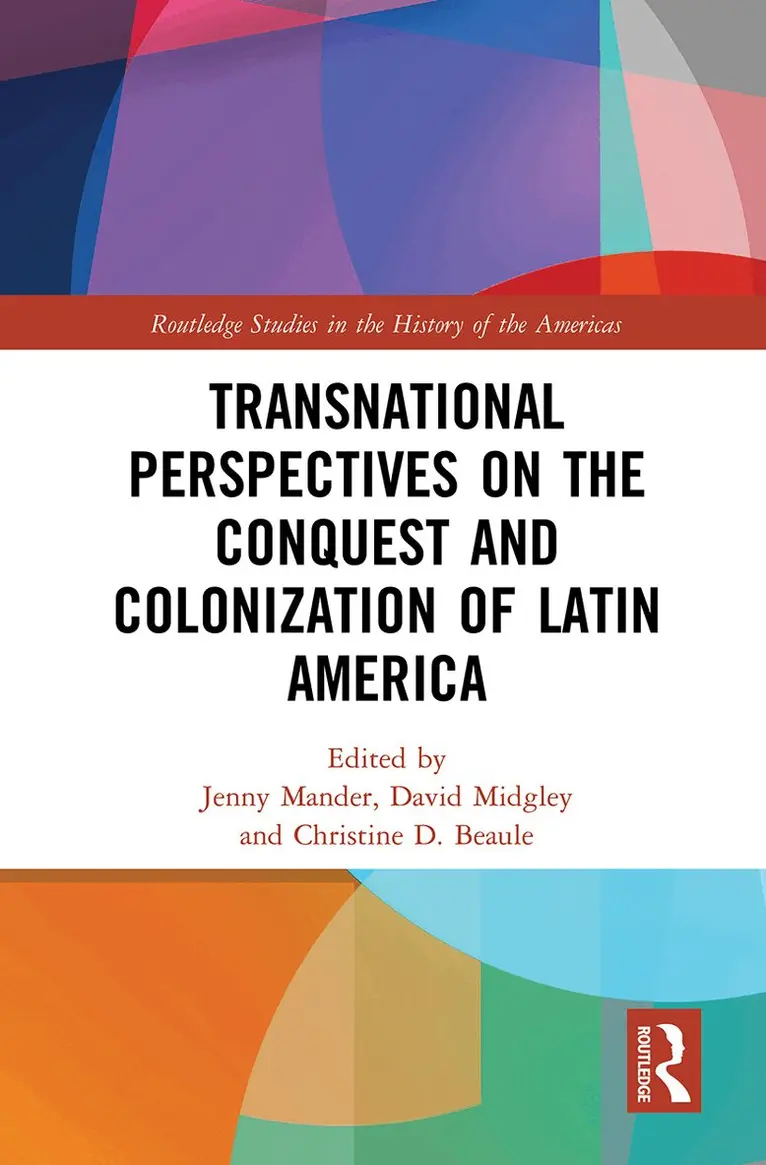
Transnational Perspectives on the Conquest and Colonization of Latin America
Inbunden, Engelska, 2019
1 804 kr
Skickas inom 10-15 vardagar
Ranging geographically from Tierra del Fuego to California and the Caribbean, and historically from early European sightings and the utopian projects of would-be colonizers to the present-day cultural politics of migrant communities and international relations, this volume presents a rich variety of case studies and scholarly perspectives on the interplay of diverse cultures in the Americas since the European conquest. Subjects covered include documentary and archaeological evidence of cultural interaction, the collection of native artifacts and the role of museums in the interpretation of indigenous traditions, the cultural impact of Christian missions and the representation of indigenous cultures in writings addressed to European readers, the development of Latin American artistic traditions and the incorporation of motifs from European classical antiquity into modern popular culture, the contribution of Afro-descendants to the cultural mix of Latin America and the erasure of the Hispanic heritage from cultural perceptions of California since the nineteenth century.By offering accessible and well-illustrated accounts of a wide range of particular cases, the volume aims to stimulate thinking about historical and methodological issues, which can be exploited in a teaching context as well as in the furtherance of research projects in a comparative and transnational framework.
711 kr
Skickas inom 7-10 vardagar
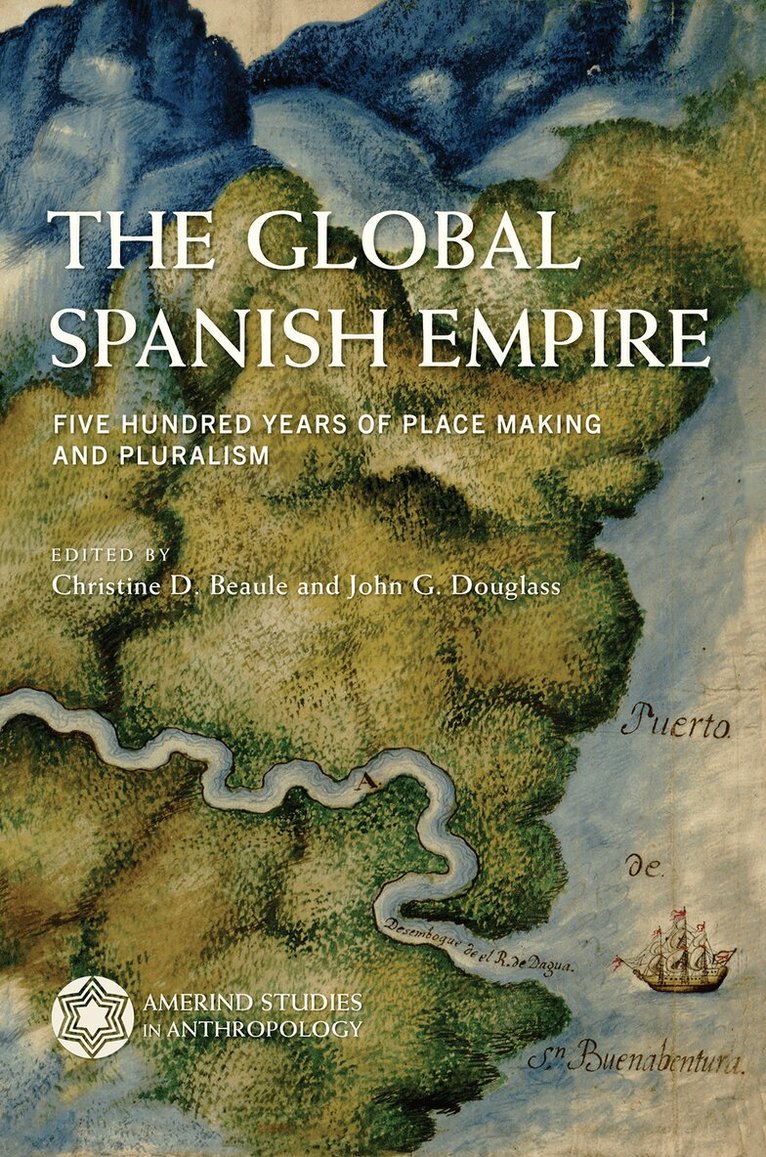
The Spanish Empire was a complex web of places and peoples. Through an expansive range of essays that look at Africa, the Americas, Asia, the Caribbean, and the Pacific, this volume brings a broad range of regions into conversation. The contributors focus on nuanced, comparative exploration of the processes and practices of creating, maintaining, and transforming cultural place making within pluralistic Spanish colonial communities.The Global Spanish Empire argues that patterned variability is necessary in reconstructing Indigenous cultural persistence in colonial settings. The volume's eleven case studies include regions often neglected in the archaeology of Spanish colonialism. The time span under investigation is extensive as well, transcending the entirely of the Spanish Empire, from early impacts in West Africa to Texas during the 1800s. The contributors examine the making of a social place within a social or physical landscape. They discuss the appearance of hybrid material culture, the incorporation of foreign goods into local material traditions, the continuation of local traditions, and archaeological evidence of opportunistic social climbing. In some cases, these changes in material culture are ways to maintain aspects of traditional culture rather than signifiers of new cultural practices.The Global Spanish Empire tackles broad questions about Indigenous cultural persistence, pluralism, and place making using a global comparative perspective grounded in the shared experience of Spanish colonialism.
373 kr
Skickas inom 7-10 vardagar
The Spanish Empire was a complex web of places and peoples. Through an expansive range of essays that look at Africa, the Americas, Asia, the Caribbean, and the Pacific, this volume brings a broad range of regions into conversation. The contributors focus on nuanced, comparative exploration of the processes and practices of creating, maintaining, and transforming cultural place making within pluralistic Spanish colonial communities.The Global Spanish Empire argues that patterned variability is necessary in reconstructing Indigenous cultural persistence in colonial settings. The volume’s eleven case studies include regions often neglected in the archaeology of Spanish colonialism. The time span under investigation is extensive as well, transcending the entirety of the Spanish Empire, from early impacts in West Africa to Texas during the 1800s. The contributors examine the making of a social place within a social or physical landscape. They discuss the appearance of hybrid material culture, the incorporation of foreign goods into local material traditions, the continuation of local traditions, and archaeological evidence of opportunistic social climbing. In some cases, these changes in material culture are ways to maintain aspects of traditional culture rather than signifiers of new cultural practices.The Global Spanish Empire tackles broad questions about Indigenous cultural persistence, pluralism, and place making using a global comparative perspective grounded in the shared experience of Spanish colonialism.Contributors Stephen AcabadoGrace Barretto-TesoroJames M. BaymanChristine D. BeauleChristopher R. DeCorseBoyd M. DixonJohn G. DouglassWilliam R. FowlerMartin GibbsCorinne L. HofmanHannah G. HooverStacie M. KingKevin LaneLaura MatthewSandra MontÓn-SubÍasNatalia Moragas SeguraMichelle M. PigottChristopher B. RodningDavid RoeRoberto ValcÁrcel RojasSteve A. TomkaJorge Ulloa HungJuliet Wiersema
649 kr
Skickas inom 10-15 vardagar
Ranging geographically from Tierra del Fuego to California and the Caribbean, and historically from early European sightings and the utopian projects of would-be colonizers to the present-day cultural politics of migrant communities and international relations, this volume presents a rich variety of case studies and scholarly perspectives on the interplay of diverse cultures in the Americas since the European conquest. Subjects covered include documentary and archaeological evidence of cultural interaction, the collection of native artifacts and the role of museums in the interpretation of indigenous traditions, the cultural impact of Christian missions and the representation of indigenous cultures in writings addressed to European readers, the development of Latin American artistic traditions and the incorporation of motifs from European classical antiquity into modern popular culture, the contribution of Afro-descendants to the cultural mix of Latin America and the erasure of the Hispanic heritage from cultural perceptions of California since the nineteenth century.By offering accessible and well-illustrated accounts of a wide range of particular cases, the volume aims to stimulate thinking about historical and methodological issues, which can be exploited in a teaching context as well as in the furtherance of research projects in a comparative and transnational framework.