• Fri frakt över 249 kr
  • •
  • Snabba leveranser
  • •
  • Billiga böcker
Kundservice

Du är på sajten för privatpersoner.

Företag, bibliotek eller offentlig verksamhet?

Du handlar på classic.bokus.com, där alla dina funktioner finns intakta.
Till classic.bokus.com
Bokus logotyp. Gå till startsidan.
  • Erbjudanden
  • Nyheter
  • Student
  • Topplistor
  • Barn & ungdom
  • Bokus Play
  • E-böcker
  • Pocketböcker
  • Spel & pussel

10% rabatt på allt med kod: NYSTART10 →

Sidfot

Mina sidor

    Hjälp

    • Kundservice
    • Vanliga frågor och svar
    • Frakt och leverans
    • Retur vid ångerrätt
    • Reklamera vara
    • Betalning
    • Köpvillkor
    • Allmänna villkor
    • Information om webbplatsens tillgänglighet

    Om Bokus

    • Om oss
    • Pressrum
    • För studenter
    • För företag
    • För bibliotek och offentlig verksamhet
    • För leverantörer
    • Hållbarhet

    Populärt

    • Aktuella erbjudanden
    • Presentkort
    • Studentlitteratur
    • Nya böcker
    • Topplistor
    • Signerade böcker
    • Engelska böcker

    Inspiration

    • Boktips
    • BookTok
    • Populära bokserier
    • Barnbokskaraktärer
    • Populära författare
    Logotyp för Bokus
    Följ oss på Facebook (extern länk)Följ oss på Instagram (extern länk)Följ oss på YouTube (extern länk)Följ oss på TikTok (extern länk)
    bokus @ CookiesAnpassa cookiesIntegritetspolicyKöpvillkor
    Till Citymail hemsida (extern länk)Till Budbee hemsida (extern länk)Till Postnord hemsida (extern länk)Till Schenker hemsida (extern länk)Till Early Bird hemsida (extern länk)Till Walleys hemsida (extern länk)
    1. Filosofi och religion
    2. Filosofi
    3. Populärfilosofi

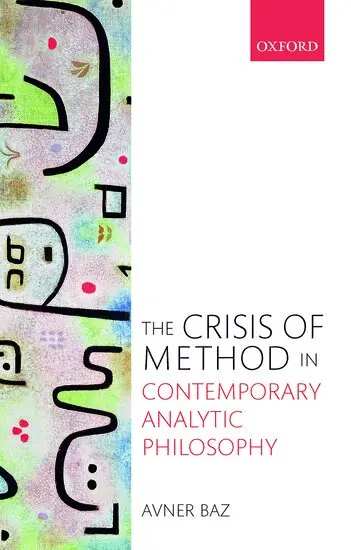
    The Crisis of Method in Contemporary Analytic Philosophy

    AvAvner Baz

    Inbunden, Engelska, 2017

    1 393 kr

    Beställningsvara. Skickas inom 3-6 vardagar. Fri frakt över 249 kr.

    Beskrivning

    Avner Baz offers a critique of leading work in mainstream analytic philosophy, and in particular challenges assumptions underlying recent debates concerning philosophical method. In the first part of The Crisis of Method, Baz identifies fundamental confusions about what the widely-employed philosophical "method of cases" is supposed to accomplish, and how. He then argues that the method, as commonly employed by both "armchair" and "experimental" philosophers, is underwritten by substantive, and poorly supported, "representationalist" assumptions about languageassumptions to which virtually all of the participants in the recent debates over philosophical method have shown themselves committed. In the second part of the book, Baz challenges those assumptions, both philosophically and empirically. Drawing on Austin, Wittgenstein, and Merleau-Ponty, as well as on empirical studies of first language acquisition, he presents and motivates a broadly pragmatist conception of language on which the method of cases as commonly practiced is fundamentally misguidedmore misguided than even its staunchest critics have hitherto recognized.

    Produktinformation

    • Utgivningsdatum:2017-11-30
    • Mått:149 x 222 x 19 mm
    • Vikt:408 g
    • Format:Inbunden
    • Språk:Engelska
    • Antal sidor:224
    • Förlag:OUP OXFORD
    • ISBN:9780198801887

    Utforska kategorier

    • Populärfilosofi inom Filosofi och religion

    Mer om författaren

    Avner Baz received his MA degree in the Interdisciplinary Program for Fostering Excellence from Tel Aviv University. He went on to complete a PhD in philosophy from the University of Illinois, Chicago, under the supervision of Peter Hylton. Having been a Harper and Schmidt Fellow at the University of Chicago for four years, he has now been at Tufts University since 2004.

    Innehållsförteckning

    • Introduction: Armchair Philosophy, Experimental Philosophy, and the Minimal Assumption 1: Methodological Confusion in Armchair and Experimental Philosophy 2: Internal Difficulties in Defending the Method of Cases, and the Claim of Continuity 3: The Method of Cases and the Representationalist Conception of Language 4: Contemporary 'Contextualism' and the Twilight of Representationalism 5: The Alternative Conception of Language 6: Acquiring 'Knowledge'-An Alternative Model 7: Conclusion: On Going (and Getting) Nowhere with our Words Appendix: Phenomenology and the Limitations of the Wittgensteinian Grammatical Investigation