• Fri frakt över 249 kr
  • •
  • Snabba leveranser
  • •
  • Billiga böcker
Kundservice

Du är på sajten för privatpersoner.

Företag, bibliotek eller offentlig verksamhet?

Du handlar på classic.bokus.com, där alla dina funktioner finns intakta.
Till classic.bokus.com
Bokus logotyp. Gå till startsidan.
  • Erbjudanden
  • Nyheter
  • Student
  • Topplistor
  • Barn & ungdom
  • Bokus Play
  • E-böcker
  • Pocketböcker
  • Spel & pussel

10% rabatt på allt med kod NYSTART10 →

Sidfot

Mina sidor

    Hjälp

    • Kundservice
    • Vanliga frågor och svar
    • Frakt och leverans
    • Retur vid ångerrätt
    • Reklamera vara
    • Betalning
    • Köpvillkor
    • Allmänna villkor
    • Information om webbplatsens tillgänglighet

    Om Bokus

    • Om oss
    • Pressrum
    • För studenter
    • För företag
    • För bibliotek och offentlig verksamhet
    • För leverantörer
    • Hållbarhet

    Populärt

    • Aktuella erbjudanden
    • Presentkort
    • Studentlitteratur
    • Nya böcker
    • Topplistor
    • Signerade böcker
    • Engelska böcker

    Inspiration

    • Boktips
    • BookTok
    • Populära bokserier
    • Barnbokskaraktärer
    • Populära författare
    Logotyp för Bokus
    Följ oss på Facebook (extern länk)Följ oss på Instagram (extern länk)Följ oss på YouTube (extern länk)Följ oss på TikTok (extern länk)
    bokus @ CookiesAnpassa cookiesIntegritetspolicyKöpvillkor
    Till Citymail hemsida (extern länk)Till Budbee hemsida (extern länk)Till Postnord hemsida (extern länk)Till Schenker hemsida (extern länk)Till Early Bird hemsida (extern länk)Till Walleys hemsida (extern länk)
    1. Data och IT
    2. Grafik och bildbehandling

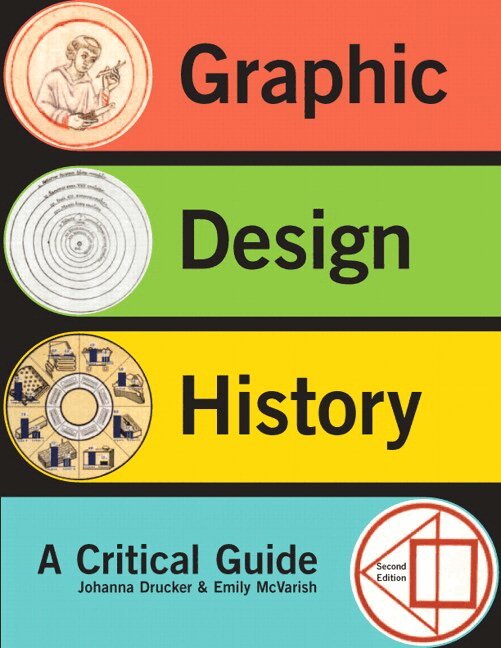
    Graphic Design History

    AvJohanna Drucker,Emily McVarish

    Häftad, Engelska, 2012

    1 951 kr

    Beställningsvara. Skickas inom 7-10 vardagar. Fri frakt över 249 kr.

    Beskrivning

    A Fresh Look at the History of Graphic Design

    Graphic Design History, 2nd edition is a critical approach to the history of graphic design. Organized chronologically, the book demonstrates the connection to the current practices of graphic arts, visual expression, and design with its engaging narrative and special features.

    With new images, chapter revisions, and features like Tools of the Trade, the authors stay true to connecting what designers do every day to a history of innovative graphic forms and effects. Instructor PowerPoints featuring nearly all of the images from the text make class preparation easier than ever with this new edition.

    A better teaching and learning experience

    This program will provide a better teaching and learning experience– for you and your students. Here’s how:

    • Improve Critical Thinking — Chapters are framed by critical issues and historical themes so that students can fully grasp an understanding of the history of graphic design.
    • Engage Students — Timelines and images with detailed captions easily highlight relevant information for students.
    • Support Instructors — high resolution PowerPoint are available for this text.

    Produktinformation

    • Utgivningsdatum:2012-05-17
    • Mått:213 x 276 x 20 mm
    • Vikt:920 g
    • Format:Häftad
    • Språk:Engelska
    • Antal sidor:416
    • Upplaga:2
    • Förlag:Pearson Education
    • ISBN:9780205219469

    Utforska kategorier

    • Grafik och bildbehandling inom Data och IT

    Mer om författaren

    Johanna Drucker is the Breslauer Professor of Bibliographical Studies at the University of California, Los Angeles. She has been on the faculty of Yale University, SUNY Purchase, Columbia University, and the University of Virginia, as well as holding a Mellon Faculty Fellowship at Harvard, a Fulbright Fellowship, and a Getty Fellowship. Her previous publications include The Alphabetic Labyrinth (1995), The Century of Artists’ Books (1995), The Visible Word (1994), and Sweet Dreams (2005). She is also known for her work as a book artist and visual poet.Emily McVarish is Associate Professor of Graphic Design at California College of the Arts, where she teaches experimental typography and writing, design history and theory, and topical studios. A writer, designer, and book artist, she has maintained a hybrid practice in San Francisco since 1990. Her work has been exhibited internationally, published by Granary Books, and collected by Harvard University and the British Library, among other major libraries and museums. Her writing has been featured in Visible Language and Design and Culture.

    Recensioner i media

    Good typeface choices and settings. It never feels text-heavy, so it visually makes for a non-threatening read, which is important for today's students. The use of the red text within each chapter helps to emphasis important concepts. The use of the timeline and list of tools at the end of each chapter is very good in placing graphic design within the larger context of human history. - John Luttropp, Montclair State University An excellent critical overview. Somewhat inclined toward sweeping generalizations, but a refreshing re-calibration of graphic design history texts. - Peter Hall, University of Texas at Austin Thorough, easy reading, it's almost like reading a "novel" it's so fascinating. The author's love for the subject matter shines through. - Grace Fowler, Palomar College

    Innehållsförteckning

    • In this Section: Brief Table of ContentsFull Table of Contents 1. BRIEF TABLE OF CONTENTS Chapter 1 From Prehistory to Early Writing 35,000—500 BCEChapter 2 Classical Literacy 700 BCE—400 CEChapter 3 Medieval Letterforms and Book Formats 400—1450Chapter 4 Renaissance Design: Standardization and Modularization in Print 1450—1660Chapter 5 Modern Typography and the Creation of the Public Sphere 1660—1800Chapter 6 The Graphic Effects of Industrial Production 1800—1850Chapter 7 Mass Mediation 1850—1900sChapter 8 Formations of the Modern Movement 1880s—1910sChapter 9 Innovation and Persuasion 1910—1930Chapter 10 The Culture of Consumption 1920s—1930sChapter 11 Public Interest Campaigns and Information Design 1930s—1950sChapter 12 Corporate Identities and International Style 1950s—1970sChapter 13 Pop and Protest 1960s—1970sChapter 14 Postmodernism in Design 1970s—1980s and BeyondChapter 15 Digital Design 1970s—2000sChapter 16 Graphic Design and Globalization 2. FULL TABLE OF CONTENTS Chapter 1: From Prehistory to Early Writing 35,000—500 BCE Mark-makingPrehistoryProto-writingEarly writingThe spread of writing as idea and scriptThe alphabetConclusionTimelineTools of the tradeChapter 2: Classical Literacy 700 BCE—400 CE Variations of literacy and the alphabetThe function of graphic codesModels of writing: gestural and constructedWriting at the end of the Classical ageConclusionTimelineTools of the tradeChapter 3: Medieval Letterforms and Book Formats 400—1450 Medieval culture and graphic communicationGraphic media and contextsThe codex bookLetterforms, manuscript hands, and pattern booksGraphic forms of knowledgePublishing communities and graphic artsConclusionTimelineTools of the tradeChapter 4: Renaissance Design: Standardization and Modularization in Print 1450—1660 Early print designGraphic communication in Renaissance culturePrint technology and type designGraphic forms of knowledgeConclusionTimelineTools of the tradeChapter 5: Modern Typography and the Creation of the Public Sphere 1660—1800 Printed matter and the public sphereNewsbooks, broadsheets, and newspapersPolitics and the pressGraphic arts and designModern type designOn the edge of industrializationConclusionTimelineTools of the tradeChapter 6: The Graphic Effects of Industrial Production 1800—1850 Industrialization and visual cultureIllustrated papersBook design for mass productionPrinting imagesAdvertising design and typographyFine art and graphic artCritical issuesConclusionTimelineTools of the tradeChapter 7: Mass Mediation 1850—1900s Printed mass mediaChanges in print technologyChanging patterns in the use of graphic mediaMedia networksGraphic design and advertisingPosters and public spaceConclusionTimelineTools of the tradeChapter 8: Formations of the Modern Movement 1880s—1910s Responses to industrialismArts and Crafts publicationsArts and Crafts disseminationArt NouveauJugendstilViennese designDecadence and AestheticismThe private press movement and modern designIntegration of design and industryConclusionTimelineTools of the tradeChapter 9: Innovation and Persuasion 1910—1930 Visual culture and avant-garde designThe graphic impact of Futurism and DadaFrom experiment to principlesPropaganda and mass communication studiesGraphic persuasion and its effectsInstitutionalizing graphic designConclusionTimelineTools of the tradeChapter 10: The Culture of Consumption 1920s—1930s Designing the modern lifestyleModern style in graphic designConsumer cultureThe professionConclusionTimelineTools of the tradeChapter 11: Public Interest Campaigns and Information Design 1930s—1950s Public interest and educationPhotojournalism and documentaryWartime propagandaWartime informationCommercial and technical uses of information designInformation analysis and design processConclusionTimelineTools of the tradeChapter 12: Corporate Identities and International Style 1950s—1970s Image and identity systemsInternational styleStyle, systems, and graphic design conceptsTechnologyThe professionConclusionTimelineTools of the tradeChapter 13: Pop and Protest 1960s—1970s Pop culture and styleSelf-conscious graphic designSlick surfaces and high production valuesCounterculture and the alternative pressRevolutionary culture and protestChanges in the professionCritical vocabularyConclusionTimelineTools of the tradeChapter 14: Postmodernism in Design 1970s—1980s and Beyond Postmodern stylesPostmodern consumption and conservatismCritical theory and postmodern sensibilityPostmodernism and activismChanges in the professionConclusionTimelineTools of the tradeChapter 15: Digital Design 1970s—2000s Digital technology: from punch cards and plotters to desktop computingMedia transitions: type design and publicationsFluidity and functionalityThe myth of immateriality and challenges of digital designConclusionTimelineTools of the tradeChapter 16: Graphic Design and Globalization Globalization and designGlobal encounters in designGlobal networks and technologyConclusionTimelineTools of the trade