• Fri frakt över 249 kr
  • •
  • Snabba leveranser
  • •
  • Billiga böcker
Kundservice

Du är på sajten för privatpersoner.

Företag, bibliotek eller offentlig verksamhet?

Du handlar på classic.bokus.com, där alla dina funktioner finns intakta.
Till classic.bokus.com
Bokus logotyp. Gå till startsidan.
  • Erbjudanden
  • Nyheter
  • Student
  • Topplistor
  • Barn & ungdom
  • Bokus Play
  • E-böcker
  • Pocketböcker
  • Spel & pussel

10% rabatt på allt med kod: NYSTART10 →

Sidfot

Mina sidor

    Hjälp

    • Kundservice
    • Vanliga frågor och svar
    • Frakt och leverans
    • Retur vid ångerrätt
    • Reklamera vara
    • Betalning
    • Köpvillkor
    • Allmänna villkor
    • Information om webbplatsens tillgänglighet

    Om Bokus

    • Om oss
    • Pressrum
    • För studenter
    • För företag
    • För bibliotek och offentlig verksamhet
    • För leverantörer
    • Hållbarhet

    Populärt

    • Aktuella erbjudanden
    • Presentkort
    • Studentlitteratur
    • Nya böcker
    • Topplistor
    • Signerade böcker
    • Engelska böcker

    Inspiration

    • Boktips
    • BookTok
    • Populära bokserier
    • Barnbokskaraktärer
    • Populära författare
    Logotyp för Bokus
    Följ oss på Facebook (extern länk)Följ oss på Instagram (extern länk)Följ oss på YouTube (extern länk)Följ oss på TikTok (extern länk)
    bokus @ CookiesAnpassa cookiesIntegritetspolicyKöpvillkor
    Till Citymail hemsida (extern länk)Till Budbee hemsida (extern länk)Till Postnord hemsida (extern länk)Till Schenker hemsida (extern länk)Till Early Bird hemsida (extern länk)Till Walleys hemsida (extern länk)
    1. Samhälle och politik
    2. Politik och statsskick

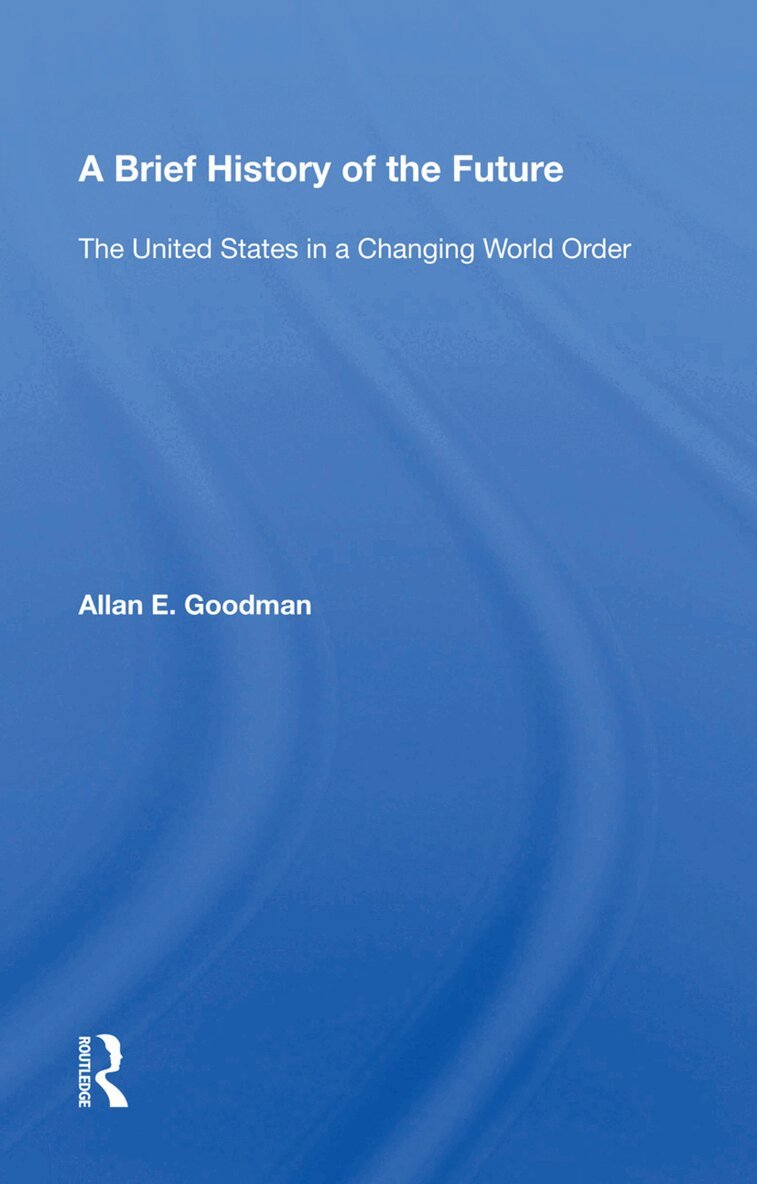
    Brief History of the Future

    The United States in a Changing World Order

    AvAllan E. Goodman

    Inbunden, Engelska, 2019

    2 421 kr

    Beställningsvara. Skickas inom 10-15 vardagar. Fri frakt över 249 kr.

    Fler format och utgåvor

    Häftad

    667 kr

    E-bok

    788 kr

    E-bok

    788 kr

    Beskrivning

    We may notbe able to predict the future with accuracy, but only a tour peril do we ignore imaginative forecasts. Allan Goodman charts the future as historians map the past and in the process uncovers trends that counter conventional wisdom about persistent world problems such as ethnic conflict, environmental degradation, and economic injustice. Just as very few anticipated the fall of the Berlin Wall and the vast changes that followed, many will resist Goodman's vision of a society in which people and robots work side by side and an international polity focuses on the principles of cooperation, interdependency, multilateralism, and interculturalism rather than on conflict models of the nation-state. Looking at the interaction of four central tendencies—democratization, technological expansion, regional integration, and the obsolescence of war—the author sketches a picture of a future imbued with ideas, populated by "ordinary heroes," and governed by the power of vision. Throughout, Goodman's own extraordinary vision is highlighted in breaks from the text to featured previews of news headlines for the 1990s, a series of special information boxes, and a provocative list of 100 inventions/discoveries for the twenty-first century. Challenging and engaging for specialists, students, and general readers alike, A Brief History of the Future is sure to spark the investigation, indignation, and (the author hopes most of all) imagination that the future requires.

    Produktinformation

    • Utgivningsdatum:2019-06-07
    • Mått:146 x 229 x undefined mm
    • Vikt:470 g
    • Format:Inbunden
    • Språk:Engelska
    • Antal sidor:168
    • Förlag:Taylor & Francis Ltd
    • ISBN:9780367004866

    Utforska kategorier

    • Politik och statsskick inom Samhälle och politik

    Innehållsförteckning

    • Introduction -- The Forecast -- The Impact of the Idea of Freedom -- The Real Revolution: Communications and Other Technologies of Freedom -- Prospects for Regional Integration and Conflict Resolution -- The Obsolescence of War -- Circa 2000 -- Conclusions -- : What Happened, 1981-1990