• Fri frakt över 249 kr
  • •
  • Snabba leveranser
  • •
  • Billiga böcker
Kundservice

Du är på sajten för privatpersoner.

Företag, bibliotek eller offentlig verksamhet?

Du handlar på classic.bokus.com, där alla dina funktioner finns intakta.
Till classic.bokus.com
Bokus logotyp. Gå till startsidan.
  • Erbjudanden
  • Nyheter
  • Student
  • Topplistor
  • Barn & ungdom
  • Bokus Play
  • E-böcker
  • Pocketböcker
  • Spel & pussel

10% rabatt på allt med kod: NYSTART10 →

Sidfot

Mina sidor

    Hjälp

    • Kundservice
    • Vanliga frågor och svar
    • Frakt och leverans
    • Retur vid ångerrätt
    • Reklamera vara
    • Betalning
    • Köpvillkor
    • Allmänna villkor
    • Information om webbplatsens tillgänglighet

    Om Bokus

    • Om oss
    • Pressrum
    • För studenter
    • För företag
    • För bibliotek och offentlig verksamhet
    • För leverantörer
    • Hållbarhet

    Populärt

    • Aktuella erbjudanden
    • Presentkort
    • Studentlitteratur
    • Nya böcker
    • Topplistor
    • Signerade böcker
    • Engelska böcker

    Inspiration

    • Boktips
    • BookTok
    • Populära bokserier
    • Barnbokskaraktärer
    • Populära författare
    Logotyp för Bokus
    Följ oss på Facebook (extern länk)Följ oss på Instagram (extern länk)Följ oss på YouTube (extern länk)Följ oss på TikTok (extern länk)
    bokus @ CookiesAnpassa cookiesIntegritetspolicyKöpvillkor
    Till Citymail hemsida (extern länk)Till Budbee hemsida (extern länk)Till Postnord hemsida (extern länk)Till Schenker hemsida (extern länk)Till Early Bird hemsida (extern länk)Till Walleys hemsida (extern länk)
    1. Naturvetenskap och teknik
    2. Geovetenskap
    3. Geovetenskap
    4. Paleontologi

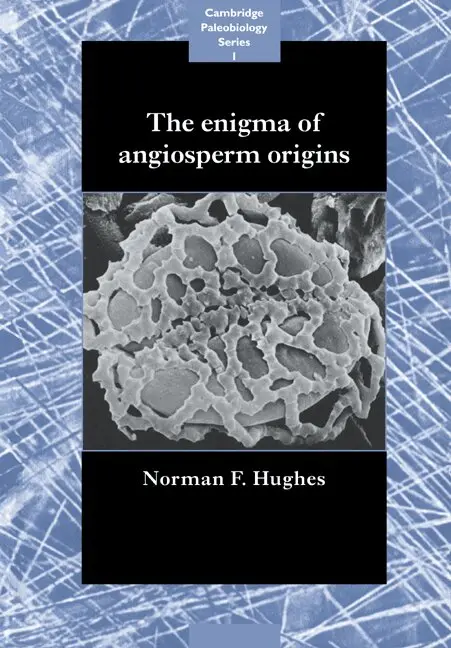
    The Enigma of Angiosperm Origins

    AvNorman Francis Hughes,D. E. G. Briggs

    Häftad, Engelska, 2005

    Del 1 i serien Cambridge Paleobiology Series

    772 kr

    Beställningsvara. Skickas inom 10-15 vardagar. Fri frakt över 249 kr.

    Beskrivning

    The origins of angiosperms are still debated, despite many years of work by scientists from differing disciplines. The progress made toward resolving the problem is reviewed in this book. The author suggests that the only fruitful method of study is the total integrated use of the fossil record, particularly dispersed palynomorphs. This includes the use of electron microscopy and refined data handling to record the occurrence of microscopic fossils, rather than the extensive use of morphology and cladistics. The methods advocated in this book could result in a rethink of the current classification of living plants. The ideas presented will initiate discussion between both professionals and students of palaeontology and plant science on the wider possibilities that may clarify the enigmatic origins of the dominant flowering plant groups.

    Produktinformation

    • Utgivningsdatum:2005-07-14
    • Mått:170 x 244 x 18 mm
    • Vikt:515 g
    • Format:Häftad
    • Språk:Engelska
    • Serie:Cambridge Paleobiology Series
    • Antal sidor:320
    • Förlag:Cambridge University Press
    • ISBN:9780521675543

    Utforska kategorier

    • Paleontologi inom Naturvetenskap och teknik
    • Växtböcker inom Djur och Natur
    • Botanik inom Naturvetenskap och teknik

    Recensioner i media

    'This is a superb book, written by a man who was both ahead of his time and probably greatly misunderstood. It is challenging and thought-provoking, without being intimidating.' Geological Magazine

    Innehållsförteckning

    • Preface; Part I. The Setting of the Problem: 1. Outline history of investigations; 2. Current contributions on origin; 3. Challenges to customary procedures; 4. Working principles; 5. Stratigraphic framework; 6. General Mesozoic palynologic evidence; 7. Integration of Mesozoic floras and faunas; Part II. The Evidence for Cretaceous Origin: 8. Mesozoic megafossils; 9. English Barremian monosulcate pollen; 10. First convincing angiospermous fossils; 11. Cretaceous angiosperm consolidation; Part III. Consequences and Conclusions: 12. Cenozoic angiosperm radiation; 13. Research unattained but possible; 14. Principles, time and choice; 15. General biological conclusions; Glossary; References; Index.