• Fri frakt över 249 kr
  • •
  • Snabba leveranser
  • •
  • Billiga böcker
Kundservice

Du är på sajten för privatpersoner.

Företag, bibliotek eller offentlig verksamhet?

Du handlar på classic.bokus.com, där alla dina funktioner finns intakta.
Till classic.bokus.com
Bokus logotyp. Gå till startsidan.
  • Erbjudanden
  • Nyheter
  • Student
  • Topplistor
  • Barn & ungdom
  • Bokus Play
  • E-böcker
  • Pocketböcker
  • Spel & pussel

10% rabatt på allt med kod: NYSTART10 →

Sidfot

Mina sidor

    Hjälp

    • Kundservice
    • Vanliga frågor och svar
    • Frakt och leverans
    • Retur vid ångerrätt
    • Reklamera vara
    • Betalning
    • Köpvillkor
    • Allmänna villkor
    • Information om webbplatsens tillgänglighet

    Om Bokus

    • Om oss
    • Pressrum
    • För studenter
    • För företag
    • För bibliotek och offentlig verksamhet
    • För leverantörer
    • Hållbarhet

    Populärt

    • Aktuella erbjudanden
    • Presentkort
    • Studentlitteratur
    • Nya böcker
    • Topplistor
    • Signerade böcker
    • Engelska böcker

    Inspiration

    • Boktips
    • BookTok
    • Populära bokserier
    • Barnbokskaraktärer
    • Populära författare
    Logotyp för Bokus
    Följ oss på Facebook (extern länk)Följ oss på Instagram (extern länk)Följ oss på YouTube (extern länk)Följ oss på TikTok (extern länk)
    bokus @ CookiesAnpassa cookiesIntegritetspolicyKöpvillkor
    Till Citymail hemsida (extern länk)Till Budbee hemsida (extern länk)Till Postnord hemsida (extern länk)Till Schenker hemsida (extern länk)Till Early Bird hemsida (extern länk)Till Walleys hemsida (extern länk)
    1. Skönlitteratur
    2. Litteraturvetenskap
    3. Litteraturvetenskap

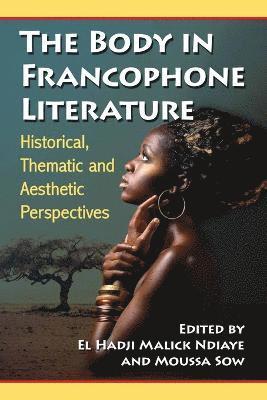
    Body in Francophone Literature

    Historical, Thematic and Aesthetic Perspectives

    AvEl Hadji Malick Ndiaye,Moussa Sow

    Häftad, Engelska, 2016

    670 kr

    Beställningsvara. Skickas inom 5-8 vardagar. Fri frakt över 249 kr.

    Beskrivning

    Much of Francophone literature is a response to an elaborate discourse that served to bolster colonial French notions of national grandeur and to justify expansion of French territories overseas. A form of colonial exoticism saw the colonized subject as a physical, cultural, aesthetic and even sexual singularity. Francophone writers sought to rehabilitate the status of non-Western peoples who, through the use of anthropometric techniques, had been racially classified as inferior or primitive.Drawing on various Francophone texts, this collection of new essays offers a compelling study of the literary body--both corporeal and figurative. Topics include the embodiment of diasporic identity, the body politic in prison writing, women's bodies, and the body's expression of trauma inflicted by genocidal violence.

    Produktinformation

    • Utgivningsdatum:2016-05-24
    • Mått:152 x 229 x 9 mm
    • Vikt:263 g
    • Format:Häftad
    • Språk:Engelska
    • Antal sidor:184
    • Förlag:McFarland & Co Inc
    • ISBN:9780786494668

    Utforska kategorier

    • Litteraturvetenskap inom Skönlitteratur

    Mer om författaren

    El Hadji Malick Ndiaye is an assistant professor of French and global African studies at Seattle University. He is also a well received poet and critic. Moussa Sow is an associate professor of French and African studies at the College of New Jersey. His most recent publications appeared in the Journal of African Cinemas. He lives in Philadelphia, Pennsylvania.

    Innehållsförteckning

    • Table of ContentsForewordDominic ThomasIntroduction (El Hadji Malick Ndiaye)Part I. Socializing BodiesPerceived Body, Figurative Body (Isaac Bazié)The Body of the ­Reader-Author: The Case of Michel Tremblay (Sara Bédard-Goulet)Embodying Diasporic Identity: Materiality, Transformation and Creation in the Work of Abdellah Taïa (Ryan K. Schroth)“Opacité charnelle”: Reading Botanical Metaphors of Creole Identity in Patrick Chamoiseau’s “L’esclave vieil homme et le molosse” (Nadège Dufort)Postmodern and Postcolonial Francophone African Autofictional Strategies of the Writing of the Self (Karen ­Ferreira-Meyers)Part II. Performing BodiesPerformative Bodies in Nina Bouraoui’s Garçon manqué (Ann-Sophie Persson)Corporeal Expressions in Fatou Diome’s Writing (Moussa Sow)The Diallobé and the Pulaaku: Ethnic, Ethic and Epistemic Use of the Body in Cheikh Hamidou Kane’s Novels (El Hadji Malick Ndiaye)Part III. Violating BodiesThe Body Speaks: Naming Violation in Mujawayo’s and Belhaddad’s SurVivantes (Elizabeth Applegate)Reading the Body Politic in the Prison Writings of Abdellatif Laâbi (Victor Reinking)Nelly Arcan: Women’s Bodies and What Is Left (Anna Rocca)About the ContributorsIndex