• Fri frakt över 249 kr
  • •
  • Snabba leveranser
  • •
  • Billiga böcker
Kundservice

Du är på sajten för privatpersoner.

Företag, bibliotek eller offentlig verksamhet?

Du handlar på classic.bokus.com, där alla dina funktioner finns intakta.
Till classic.bokus.com
Bokus logotyp. Gå till startsidan.
  • Erbjudanden
  • Nyheter
  • Student
  • Topplistor
  • Barn & ungdom
  • Bokus Play
  • E-böcker
  • Pocketböcker
  • Spel & pussel

10% rabatt på allt med kod: NYSTART10 →

Sidfot

Mina sidor

    Hjälp

    • Kundservice
    • Vanliga frågor och svar
    • Frakt och leverans
    • Retur vid ångerrätt
    • Reklamera vara
    • Betalning
    • Köpvillkor
    • Allmänna villkor
    • Information om webbplatsens tillgänglighet

    Om Bokus

    • Om oss
    • Pressrum
    • För studenter
    • För företag
    • För bibliotek och offentlig verksamhet
    • För leverantörer
    • Hållbarhet

    Populärt

    • Aktuella erbjudanden
    • Presentkort
    • Studentlitteratur
    • Nya böcker
    • Topplistor
    • Signerade böcker
    • Engelska böcker

    Inspiration

    • Boktips
    • BookTok
    • Populära bokserier
    • Barnbokskaraktärer
    • Populära författare
    Logotyp för Bokus
    Följ oss på Facebook (extern länk)Följ oss på Instagram (extern länk)Följ oss på YouTube (extern länk)Följ oss på TikTok (extern länk)
    bokus @ CookiesAnpassa cookiesIntegritetspolicyKöpvillkor
    Till Citymail hemsida (extern länk)Till Budbee hemsida (extern länk)Till Postnord hemsida (extern länk)Till Schenker hemsida (extern länk)Till Early Bird hemsida (extern länk)Till Walleys hemsida (extern länk)
    1. Skönlitteratur
    2. Litteraturvetenskap
    3. Litteraturvetenskap

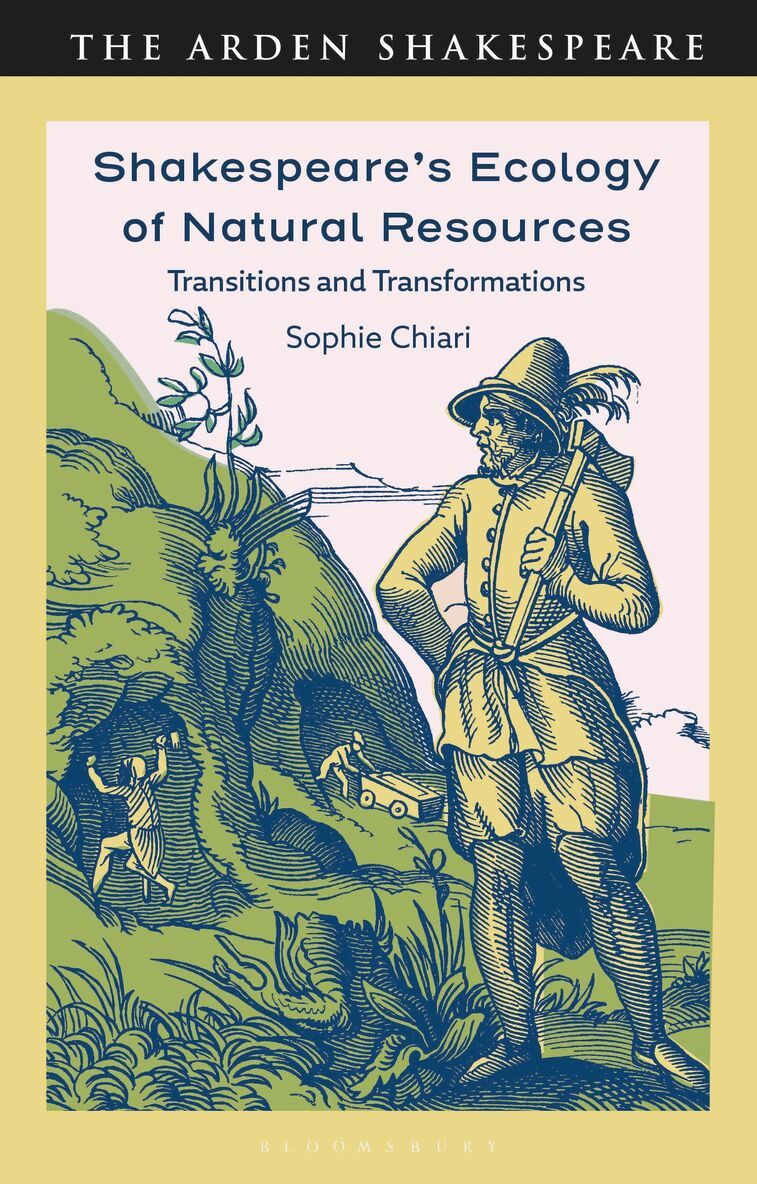
    Shakespeare’s Ecology of Natural Resources

    Transitions and Transformations

    AvSophie Chiari

    Inbunden, Engelska, 2025

    1 285 kr

    Beställningsvara. Skickas inom 10-15 vardagar. Fri frakt över 249 kr.

    Fler format och utgåvor

    E-bok

    1 225 kr

    E-bok

    1 229 kr

    Beskrivning

    Sophie Chiari analyzes how Shakespeare’s plays and poems present the transformation of the early modern natural world through environmental shifts and new ecological issues.Using a range of examples from the Sonnets, Love’s Labour’s Lost, Hamlet, Timon of Athens and The Tempest, Chiari’s ecopoeticstudy of dramatic language explores Shakespeare’s response tothe rise of extractive exploitation in Elizabethan and JacobeanEngland. Chiari expands our understanding of the environment inShakespeare beyond the so-called ‘green’ comedies by charting thetransition from a pre-capitalist world towards a commodity-basedsociety characterized by the enclosure of the commons and the riseof imperialism. This study uses examples of materials which arecurrently underrepresented in Shakespearean ecocriticism includingwater systems, sandscapes and soil alongside the production ofglass and salt in Shakespeare, signalling a commitment to expanding the ‘material turn’ in Shakespeare studies.Far from being limited to a presentist reading, this book argues that cultural hegemony and the exploitation of soil, ore and water were increasingly linked in the early modern era, an age of conquest and massive human depredation. By articulating ecohistoricism with ecopoetics and material studies, Shakespeare’s Ecology of NaturalResources shows how an eco-minded approach, focused on the interweaving of trade, territory and extractivism, reveals new layers of meaning in Shakespearean poetics and drama.

    Produktinformation

    • Utgivningsdatum:2025-12-11
    • Mått:158 x 236 x 20 mm
    • Vikt:720 g
    • Format:Inbunden
    • Språk:Engelska
    • Antal sidor:248
    • Förlag:Bloomsbury Publishing PLC
    • ISBN:9781350559066

    Utforska kategorier

    • Litteraturvetenskap inom Skönlitteratur

    Mer om författaren

    Sophie Chiari is Professor of Early Modern English Literature at Université Clermont Auvergne, France, where she is also the Director of the research unit ‘Maison des Sciences de l’Homme’.

    Innehållsförteckning

    • AcknowledgementsIntroduction: Shakespearean Spaces of Production in the AnthropoceneChapter 1: The Fabric of Life in the SonnetsGood husbandryBlack pastoralismNature’s agencyOvergreening the SonnetsChapter 2: Crossing the Nature/Culture Divide in Love’s Labour’s LostA locus of empowermentThe commodification of Navarre’s green worldImperialism in the King’s estateA cultural natureChapter 3: Water Industry and Riverine CollapseAn instrumentalist approach to riversFresh water control and diversionDitches and drainage issuesFluid dynamics in ShakespeareChapter 4: From Early Modern Sandscapes to the Making of GlassEarly modern sandscapesTransience and mutabilityThe materiality of sandFrom materiality to ‘bare life’Chapter 5: Under-ground Shakespeare: Transgressing the Limits and Foraging the EarthThe figure of the collierCoal dependency: after wood, mineral fuelExtraction economy: wresting resources from natureConflict landscapes: a wounded earthAt the heart of darknessChapter 6: Plotting, Digging, Burying, or Soil Issues in HamletLand possessionDecay and degenerationSubterranean passagesSearching for inwardnessChapter 7: Business in the Frost in The TempestThe island’s double climateLand useImperialism and extractionExtracting… and buryingChapter 8: White Ecology: The Salt of Early Modern LifeSalt-makingSeasoning and preservingAn imperial commodityPreservation and destruction: from natural to commodified white goldConclusion: Transforming Nature: Life in a Crisis ModeBibliographyIndex