E-bok, Engelska, 2012
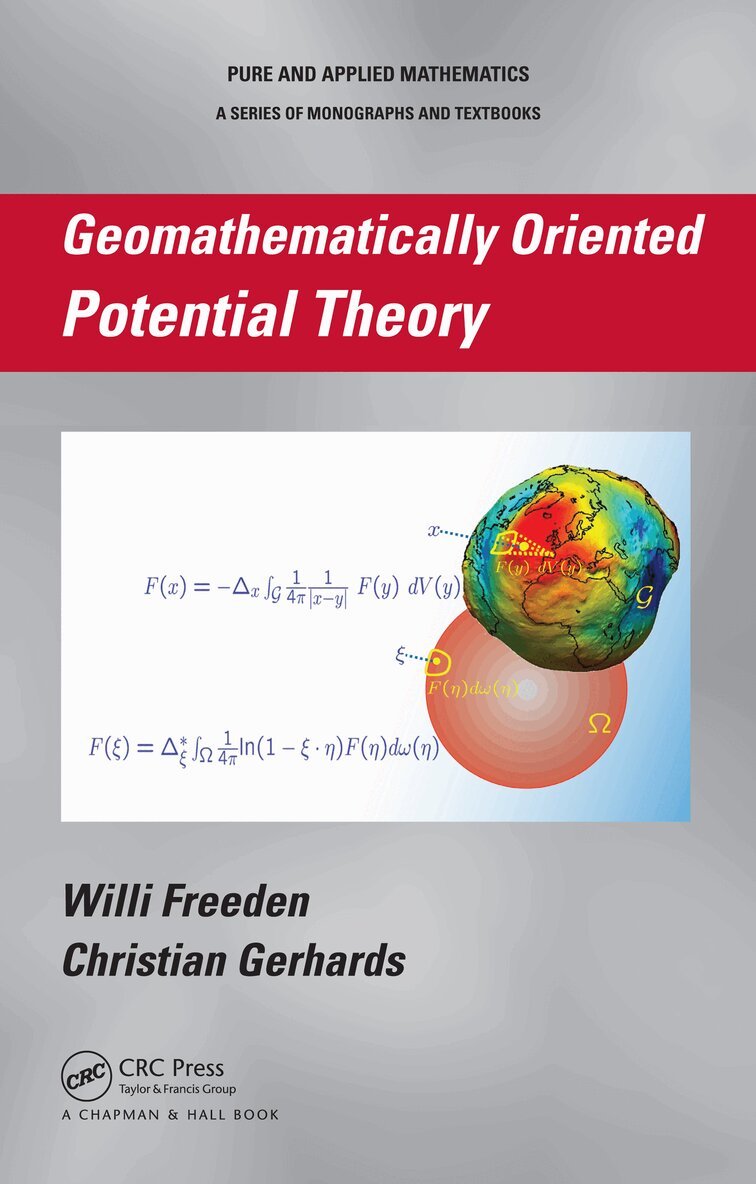
Geomathematically Oriented Potential Theory
Av Willi Freeden, Christian Gerhards
3558 kr
Läs direkt i Bokus Reader – eller ladda ned till din enhet (PDF kräver ofta zoom och scroll på små skärmar).
Beskrivning
As the Earth`s surface deviates from its spherical shape by less than 0.4 percent of its radius and today's satellite missions collect their gravitational and magnetic data on nearly spherical orbits, sphere-oriented mathematical methods and tools play important roles in studying the Earth's gravitational and magnetic field. Geomathematically Orien
Produktinformation
- Utgivningsdatum: 2012-10-30
- Språk: Engelska
- Filformat: PDF
- Kopieringsskydd: LCP
- ISBN: 9781439895436
- Förlag: Taylor & Francis Ltd
- Serie: Chapman & Hall/CRC Pure and Applied Mathematics
Utforska kategorier
Betyg & recensioner
0 recensioner
Inga recensioner tillgängliga.