Häftad, Engelska, 2012
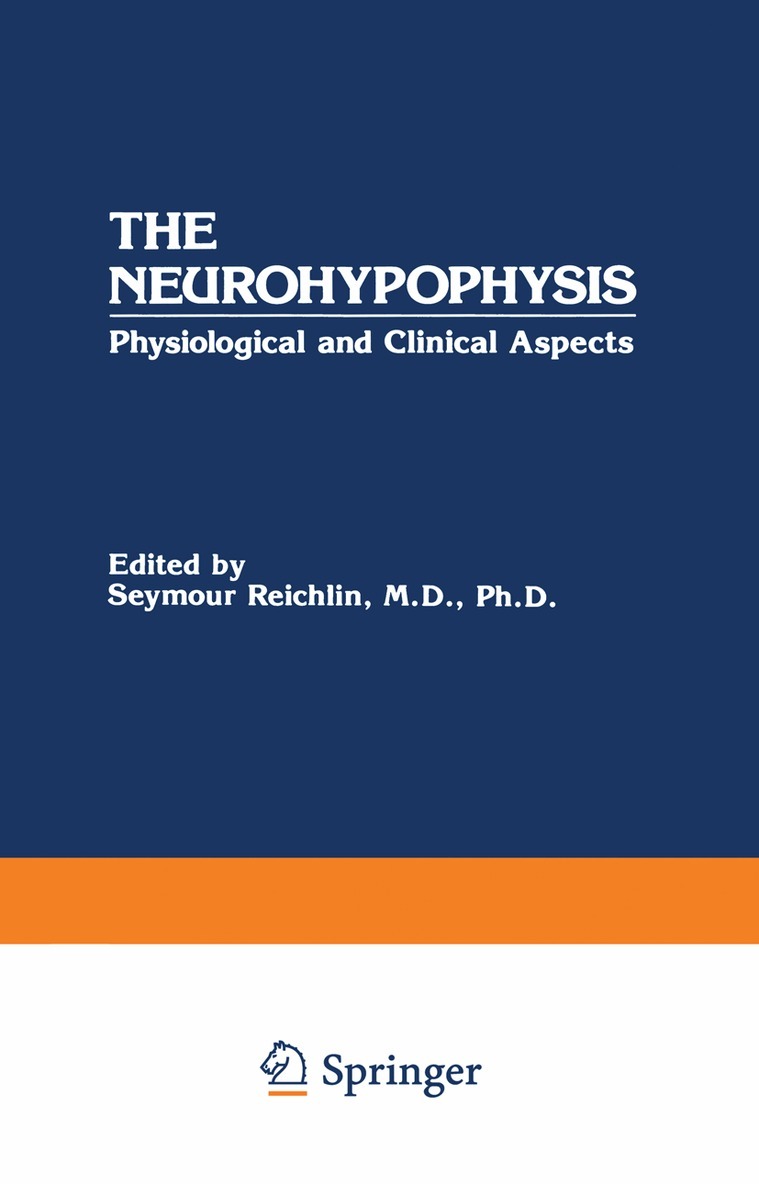
Neurohypophysis
570 kr
Skickas inom 10-15 vardagar
Beskrivning
The elucidation of the structure, function, and clinical significance of the neurohypophysis has been one of the most rewarding chapters in the history of endocrinology. Diabetes insipidus, which can be manifested by passage of 15 liters of urine a day, is one of the most dramatic disorders of the endocrine system, and can readily be managed by replacement therapy with the natural secretions of this gland, or with synthetic analogues that provide a more favorable therapeutic ratio. The neurohypophysis is the archetypical neurosecretory gland. Its secretions arise within well defined nerve cells in the hypothalamus, are transported by axoplasmic flow to nerve endings in the neural lobe, are released in response to propagated action potentials, and are regulated by neurotransmitters and osmotic signals. This gland is a model for homeostatic regulation; functional disorders of this regulation lead to well defined disorders such as the syndrome of inappropriate secretion of antidi uretic hormone (SIADH), which can be mimicked by the ectopic secretion of its hormones by tumor cells. These hormones were the first peptides to be sequenced and synthesized chemically and their structure-function relations have been characterized as well as those of any of the peptide hormones. The concept that peptide hormones generally arise as products of the processing of a larger prohormone precursor was first developed from studies of the neurohypophysis. The concept of stimulus-secretion coupling was first ap plied in neuronal tissue to the neurohypophysis.
Produktinformation
- Utgivningsdatum: 2012-03-26
- Mått: 152 x 229 x 14 mm
- Vikt: 365 g
- Format: Häftad
- Språk: Engelska
- Antal sidor: 224
- Förlag: Springer-Verlag New York Inc.
- ISBN: 9781468447385
Utforska kategorier
Betyg & recensioner
0 recensioner
Inga recensioner tillgängliga.