• Fri frakt över 249 kr
  • •
  • Snabba leveranser
  • •
  • Billiga böcker
Kundservice

Du är på sajten för privatpersoner.

Företag, bibliotek eller offentlig verksamhet?

Du handlar på classic.bokus.com, där alla dina funktioner finns intakta.
Till classic.bokus.com
Bokus logotyp. Gå till startsidan.
  • Erbjudanden
  • Nyheter
  • Student
  • Topplistor
  • Barn & ungdom
  • Bokus Play
  • E-böcker
  • Pocketböcker
  • Spel & pussel

10% rabatt på allt med kod: NYSTART10 →

Sidfot

Mina sidor

    Hjälp

    • Kundservice
    • Vanliga frågor och svar
    • Frakt och leverans
    • Retur vid ångerrätt
    • Reklamera vara
    • Betalning
    • Köpvillkor
    • Allmänna villkor
    • Information om webbplatsens tillgänglighet

    Om Bokus

    • Om oss
    • Pressrum
    • För studenter
    • För företag
    • För bibliotek och offentlig verksamhet
    • För leverantörer
    • Hållbarhet

    Populärt

    • Aktuella erbjudanden
    • Presentkort
    • Studentlitteratur
    • Nya böcker
    • Topplistor
    • Signerade böcker
    • Engelska böcker

    Inspiration

    • Boktips
    • BookTok
    • Populära bokserier
    • Barnbokskaraktärer
    • Populära författare
    Logotyp för Bokus
    Följ oss på Facebook (extern länk)Följ oss på Instagram (extern länk)Följ oss på YouTube (extern länk)Följ oss på TikTok (extern länk)
    bokus @ CookiesAnpassa cookiesIntegritetspolicyKöpvillkor
    Till Citymail hemsida (extern länk)Till Budbee hemsida (extern länk)Till Postnord hemsida (extern länk)Till Schenker hemsida (extern länk)Till Early Bird hemsida (extern länk)Till Walleys hemsida (extern länk)
    1. Ekonomi och Ledarskap
    2. Företagsekonomi

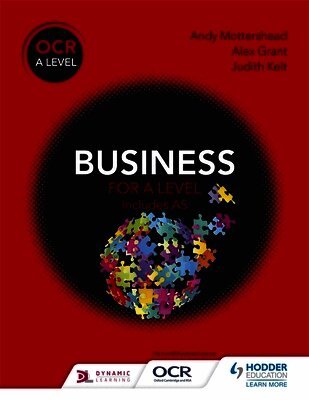
    OCR Business for A Level

    AvAndy Mottershead,Alex Grant

    Häftad, Engelska, 2015

    953 kr

    Skickas . Fri frakt över 249 kr.

    Beskrivning

    Exam Board: OCRLevel: A-levelSubject: BusinessFirst Teaching: September 2015First Exam: June 2016- Guides students through the new course and assessment structure with advice at the start of the book to help them understand what's required- Enables students to put their knowledge in context and helps them start analysing business data with case studies of real businesses included throughout- Prepares students for assessment with the 'Your turn' feature that contains practice questions including multiple choice, case study and data response, and those that test their quantitative skills

    Produktinformation

    • Utgivningsdatum:2015-06-26
    • Mått:212 x 276 x 30 mm
    • Vikt:1 400 g
    • Format:Häftad
    • Språk:Engelska
    • Antal sidor:520
    • Förlag:Hachette Learning
    • ISBN:9781471836152

    Utforska kategorier

    • Företagsekonomi inom Ekonomi och Ledarskap

    Mer om författaren

    Andy Mottershead and Alex Grant are Senior Examiners at a major awarding body and Judith Kelt is a Team Leader. They have written many successful books together including textbooks and Student Unit Guides.

    Innehållsförteckning

    • 1: Introduction to businessChapter 1: Enterprise and business functionsChapter 2: Business sectors and types of businessChapter 3: Franchises and co-operativesChapter 4: Business size, growth and external growth2: Business objectives and strategyChapter 5: StakeholdersChapter 6: Different stakeholder objectives and mission statementsChapter 7: Corporate social responsibility (CSR)Chapter 8: Strategy and implementationChapter 9: Business plansChapter 10: Risk and uncertainty and opportunity costChapter 11: Contingency planning and crisis managementChapter 12: Models of strategic choiceChapter 13: Measures of performance – financial and non-financialChapter 14: ForecastingChapter 15: Decision making and conflicts in decision makingChapter 16: Decision treesChapter 17: Ansoff’s matrix3: External influencesChapter 18: The market including physical and non-physical marketsChapter 19: Demand and supply and market forcesChapter 20: Competition and market dominanceChapter 21: The EU, emerging markets and the global contextChapter 22: International trade and free tradeChapter 23: Political factorsChapter 24: Economic factorsChapter 25: Social and technological factors and the digital revolutionChapter 26: Ethical factorsChapter 27: Legal factorsChapter 28: Environmental factors and external factors and influencesChapter 29: Causes and effects of changeChapter 30: Managing change4: Accounting and finance within a business environmentChapter 31: Accounting and finance objectives and strategyChapter 32: Sources of financeChapter 33: Accounting concepts5: Management accountingChapter 34: Costs, revenue and profitChapter 35: Break-even analysis and contributionChapter 36: Investment appraisalChapter 37: Budgets and varianceChapter 38: Cash-flow and working capital6: Financial accountingChapter 39: Income statementsChapter 40: Statement of financial positionChapter 41: Ratio analysisChapter 42: External influences on accounting and finance7: Human resource management within a business environmentChapter 43: Human resource management objectivesChapter 44: OrganisationChapter 45: Communication8: The workforceChapter 46: Workforce planningChapter 47: Recruitment, selection and trainingChapter 48: AppraisalChapter 49: Redundancy and dismissal9: ManagementChapter 50: Functions of management and leadershipChapter 51: MotivationChapter 52: Employer/employee relations: trade unions and consultationChapter 53: Employer/employee relations: employment law10: Marketing within a business environmentChapter 54: Marketing within a business environment11: Customer needsChapter 55: Identifying customer needsChapter 56: Customers and consumers, anticipating consumer needs and the product life cycle12: The marketing strategyChapter 57: Product and service marketingChapter 58: The marketing mixChapter 59: PriceChapter 60: PlaceChapter 61: Promotion13: Operations management within a business environmentChapter 62: Operations management objectivesChapter 63: Added value14: The production processChapter 64: Innovation, research and developmentChapter 65: Methods of productionChapter 66: Project management15: Productive efficiencyChapter 67: ProductivityChapter 68: Economies and diseconomies of scaleChapter 69: Capacity utilisation and managementChapter 70: Stock controlChapter 71: Lean productionChapter 72: Technology16: Productive quality (fit for purpose)Chapter 73: Internal and external quality standardsChapter 74: Location and logistics