Du är på sajten för privatpersoner.
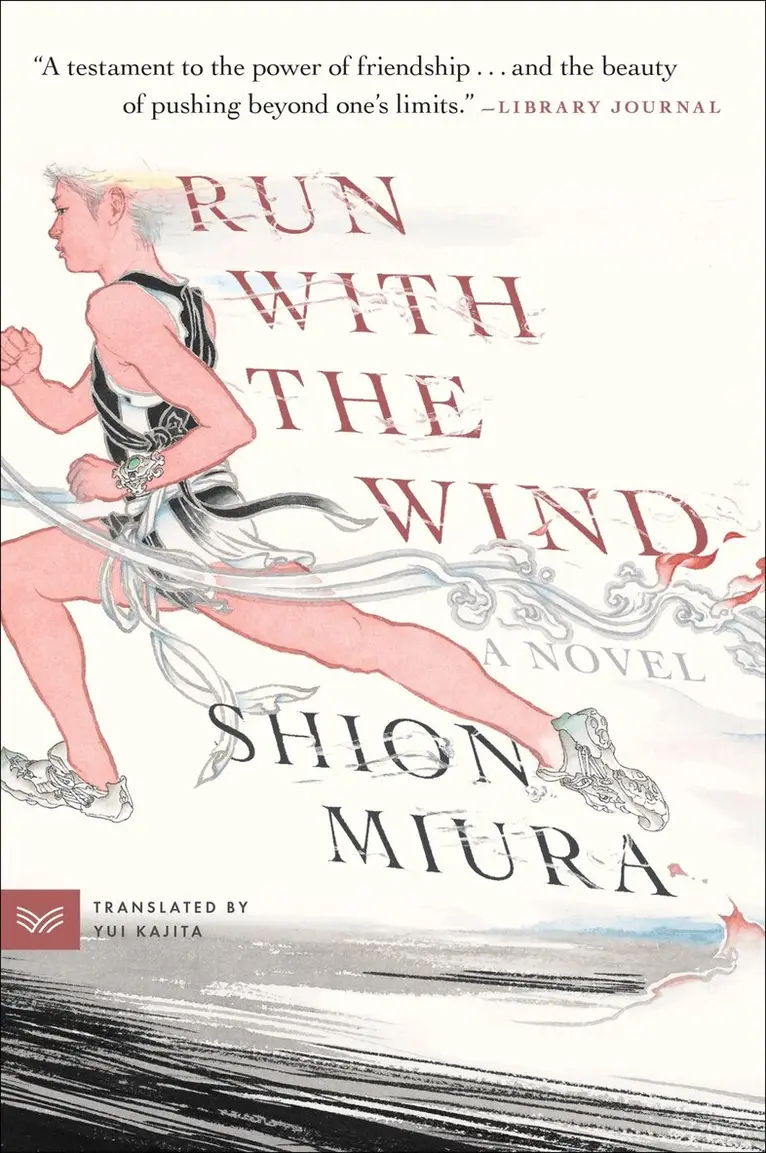
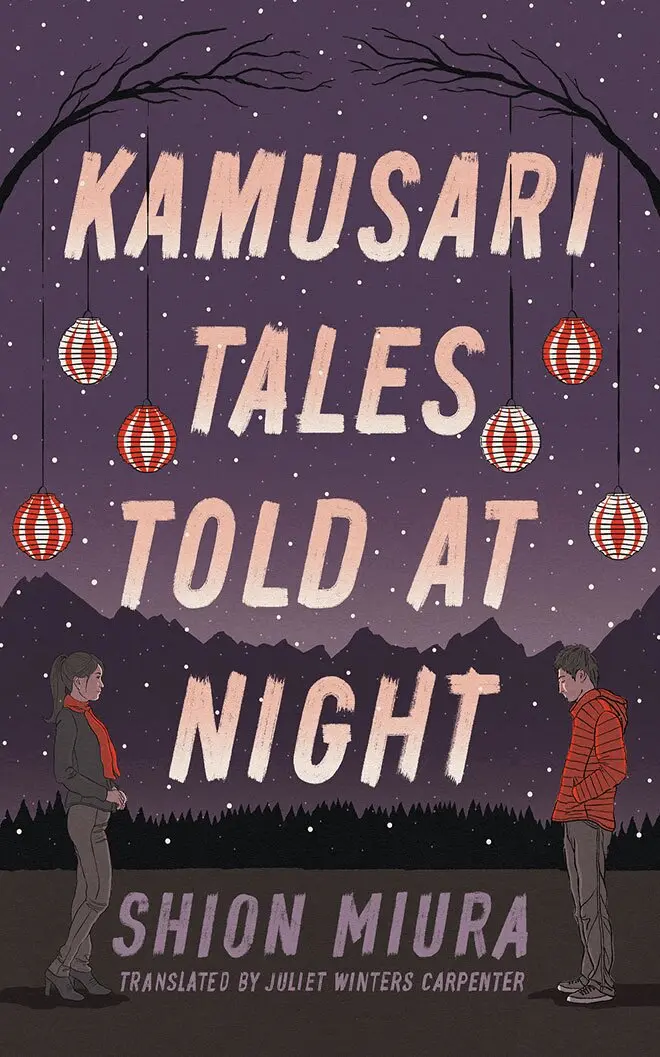
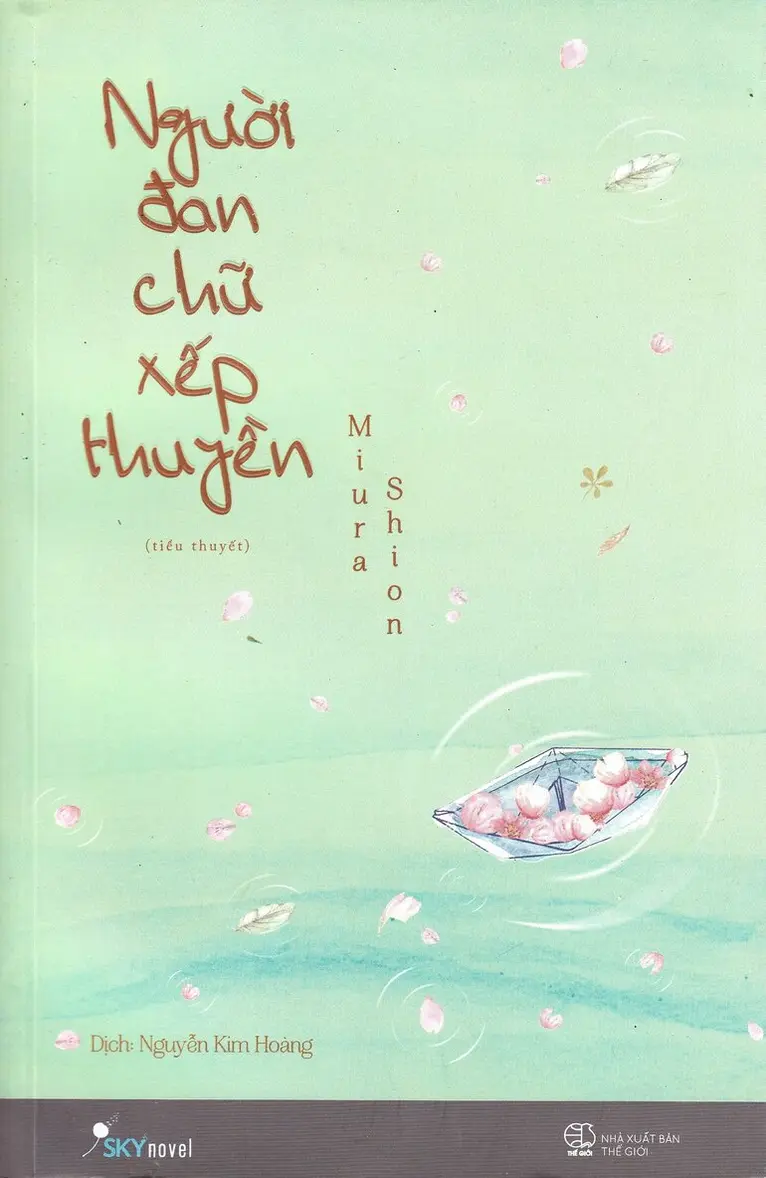
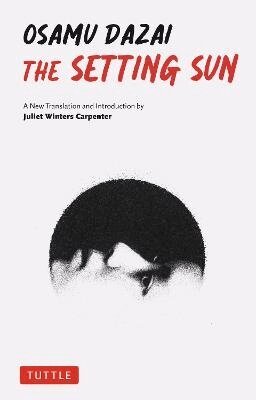
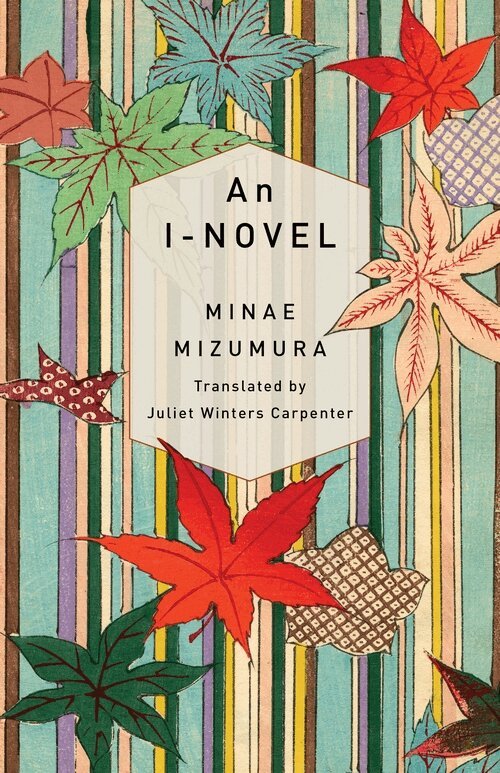
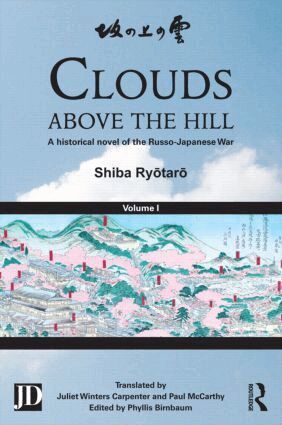
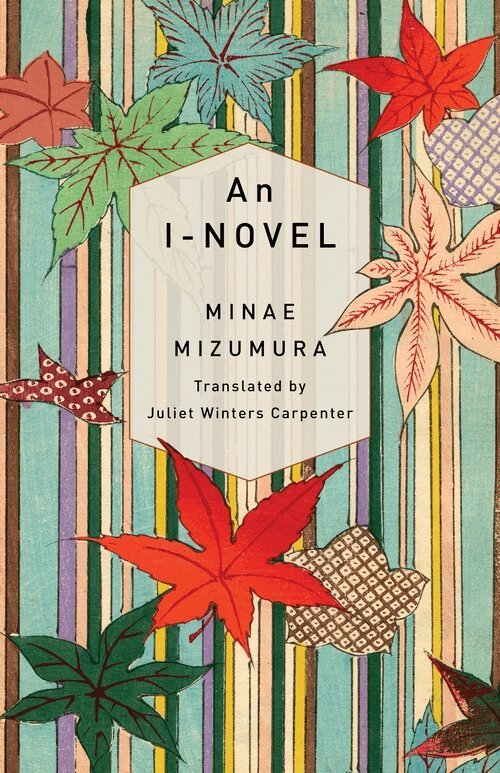
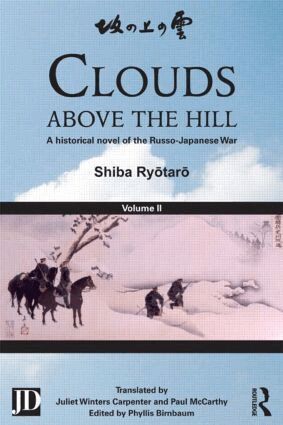
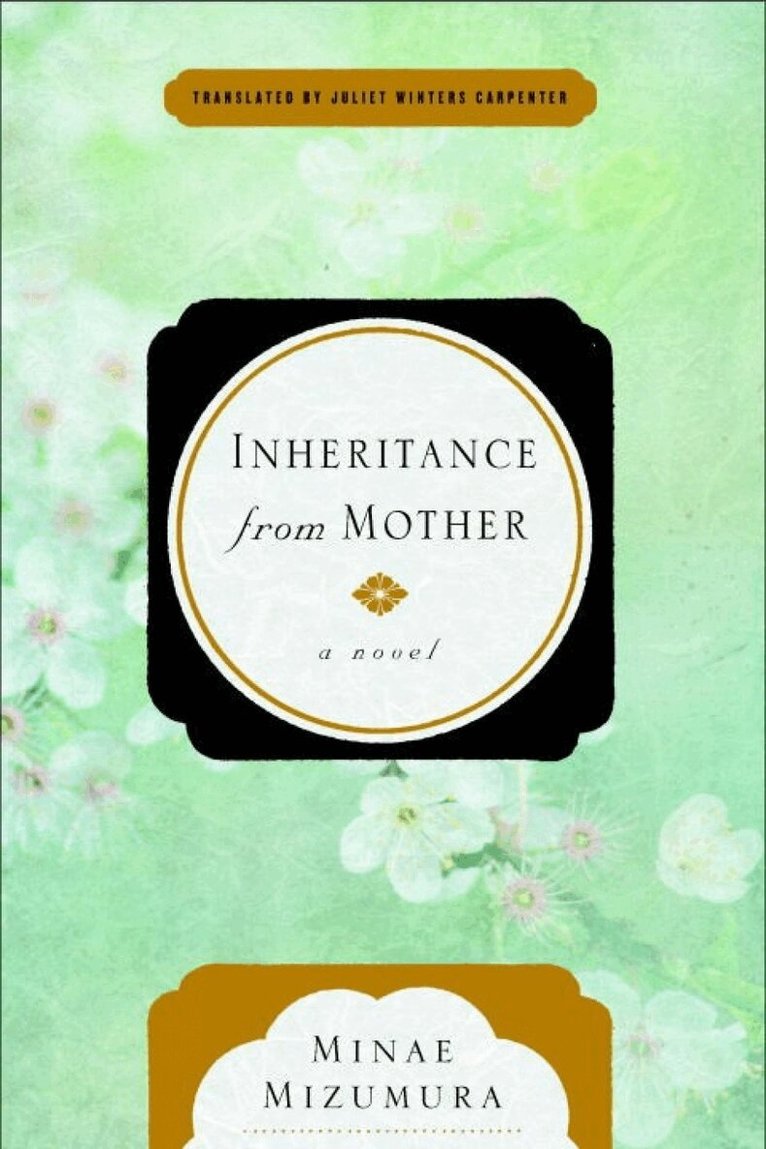
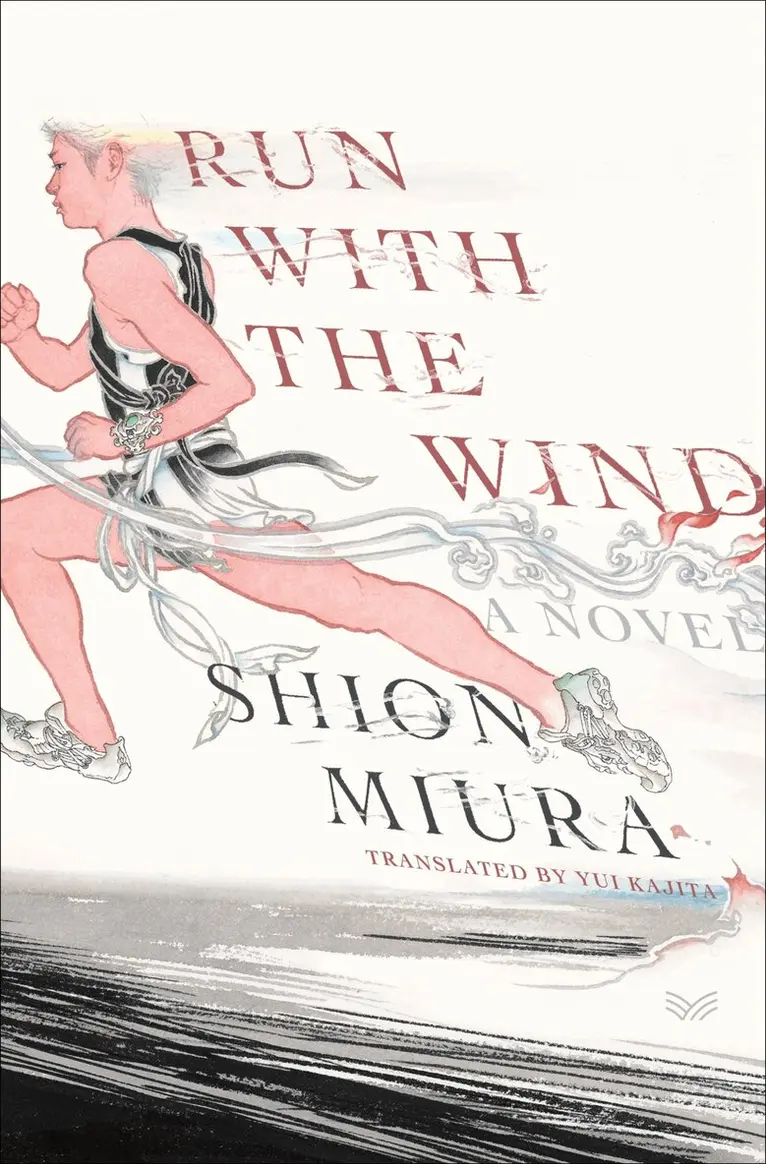
Shion Miura, the daughter of a well-known Japanese classics scholar, started an online book-review column before she graduated from Waseda University. In 2000, she made her fiction debut with Kakuto suru mono ni mar (A Passing Grade for Those Who Fight), a novel based in part on her own experiences during her job hunt. In 2006, she won the Naoki Prize for her linked-story collection Mahoro ekimae Tada Benriken (The Handymen in Mahoro Town). Her other prominent novels include Kaze ga tsuyoku fuiteiru (The Wind Blows Hard), Kogure-so monogatari (The Kogure Apartments), and Ano ie ni kurasu yonin no onna (The Four Women Living in That House). Fune o amu (The Great Passage) received the Booksellers Award in Japan in 2012 and was developed into a major motion picture. She has also published more than fifteen collections of essays and is a manga aficionado.Juliet Winters Carpenter attended the Inter-University Center for Japanese Language Studies in Tokyo. Her first translated book, Kobo Abe's Mikkai (Secret Rendezvous), received the Japan-US Friendship Commission Prize for the Translation of Japanese Literature. In 2014, more than three decades later, Honkaku shosetsu (A True Novel), by Minae Mizumura, received the same award, as well as the Lewis Galantière Prize of the American Translators Association. Carpenter's other translations—more than fifty—include nearly every genre of fiction and nonfiction, as well as film subtitles and song lyrics. A professor at Doshisha Women's College of Liberal Arts in Kyoto, Carpenter has lived in Japan since 1975. She's licensed to teach the Japanese instruments koto and shamisen and sings alto in the Kyoto City Philharmonic Chorus. She and her husband divide their time between Kyoto and Whidbey Island, Washington.
An Earphones Award Winner, Fiction“Mastery of words may not result in masterly communication, and a great dictionary, like a love story, is ‘the result of people puzzling over their choices’—a classic tension that has made The Great Passage a prizewinner in Japan, as well as both a successful feature film and an animated television series.” —The New York Times“Swirling with witty enchantment, The Great Passage proves to be, well, utterly great. Readers should be advised to get ready to sigh with delighted satisfaction and awe-inspiring admiration.” —Booklist (starred review)“The Great Passage has a philosophy of thoughtfulness and dedication to words that any reader will understand…Miura’s prose—and Carpenter’s translation—glides along, smooth and precise, with flashes of quiet poetry.” —Metropolis
Du är på sajten för privatpersoner.
Shion Miura, the daughter of a well-known Japanese classics scholar, started an online book-review column before she graduated from Waseda University. In 2000, she made her fiction debut with Kakuto suru mono ni mar (A Passing Grade for Those Who Fight), a novel based in part on her own experiences during her job hunt. In 2006, she won the Naoki Prize for her linked-story collection Mahoro ekimae Tada Benriken (The Handymen in Mahoro Town). Her other prominent novels include Kaze ga tsuyoku fuiteiru (The Wind Blows Hard), Kogure-so monogatari (The Kogure Apartments), and Ano ie ni kurasu yonin no onna (The Four Women Living in That House). Fune o amu (The Great Passage) received the Booksellers Award in Japan in 2012 and was developed into a major motion picture. She has also published more than fifteen collections of essays and is a manga aficionado.Juliet Winters Carpenter attended the Inter-University Center for Japanese Language Studies in Tokyo. Her first translated book, Kobo Abe's Mikkai (Secret Rendezvous), received the Japan-US Friendship Commission Prize for the Translation of Japanese Literature. In 2014, more than three decades later, Honkaku shosetsu (A True Novel), by Minae Mizumura, received the same award, as well as the Lewis Galantière Prize of the American Translators Association. Carpenter's other translations—more than fifty—include nearly every genre of fiction and nonfiction, as well as film subtitles and song lyrics. A professor at Doshisha Women's College of Liberal Arts in Kyoto, Carpenter has lived in Japan since 1975. She's licensed to teach the Japanese instruments koto and shamisen and sings alto in the Kyoto City Philharmonic Chorus. She and her husband divide their time between Kyoto and Whidbey Island, Washington.
An Earphones Award Winner, Fiction“Mastery of words may not result in masterly communication, and a great dictionary, like a love story, is ‘the result of people puzzling over their choices’—a classic tension that has made The Great Passage a prizewinner in Japan, as well as both a successful feature film and an animated television series.” —The New York Times“Swirling with witty enchantment, The Great Passage proves to be, well, utterly great. Readers should be advised to get ready to sigh with delighted satisfaction and awe-inspiring admiration.” —Booklist (starred review)“The Great Passage has a philosophy of thoughtfulness and dedication to words that any reader will understand…Miura’s prose—and Carpenter’s translation—glides along, smooth and precise, with flashes of quiet poetry.” —Metropolis