• Fri frakt över 249 kr
  • •
  • Snabba leveranser
  • •
  • Billiga böcker
Kundservice

Du är på sajten för privatpersoner.

Företag, bibliotek eller offentlig verksamhet?

Du handlar på classic.bokus.com, där alla dina funktioner finns intakta.
Till classic.bokus.com
Bokus logotyp. Gå till startsidan.
  • Erbjudanden
  • Nyheter
  • Student
  • Topplistor
  • Barn & ungdom
  • Bokus Play
  • E-böcker
  • Pocketböcker
  • Spel & pussel

10% rabatt på allt med kod NYSTART10 →

Sidfot

Mina sidor

    Hjälp

    • Kundservice
    • Vanliga frågor och svar
    • Frakt och leverans
    • Retur vid ångerrätt
    • Reklamera vara
    • Betalning
    • Köpvillkor
    • Allmänna villkor
    • Information om webbplatsens tillgänglighet

    Om Bokus

    • Om oss
    • Pressrum
    • För studenter
    • För företag
    • För bibliotek och offentlig verksamhet
    • För leverantörer
    • Hållbarhet

    Populärt

    • Aktuella erbjudanden
    • Presentkort
    • Studentlitteratur
    • Nya böcker
    • Topplistor
    • Signerade böcker
    • Engelska böcker

    Inspiration

    • Boktips
    • BookTok
    • Populära bokserier
    • Barnbokskaraktärer
    • Populära författare
    Logotyp för Bokus
    Följ oss på Facebook (extern länk)Följ oss på Instagram (extern länk)Följ oss på YouTube (extern länk)Följ oss på TikTok (extern länk)
    bokus @ CookiesAnpassa cookiesIntegritetspolicyKöpvillkor
    Till Citymail hemsida (extern länk)Till Budbee hemsida (extern länk)Till Postnord hemsida (extern länk)Till Schenker hemsida (extern länk)Till Early Bird hemsida (extern länk)Till Walleys hemsida (extern länk)
    1. Skönlitteratur
    2. Litteraturvetenskap
    3. Litteraturvetenskap

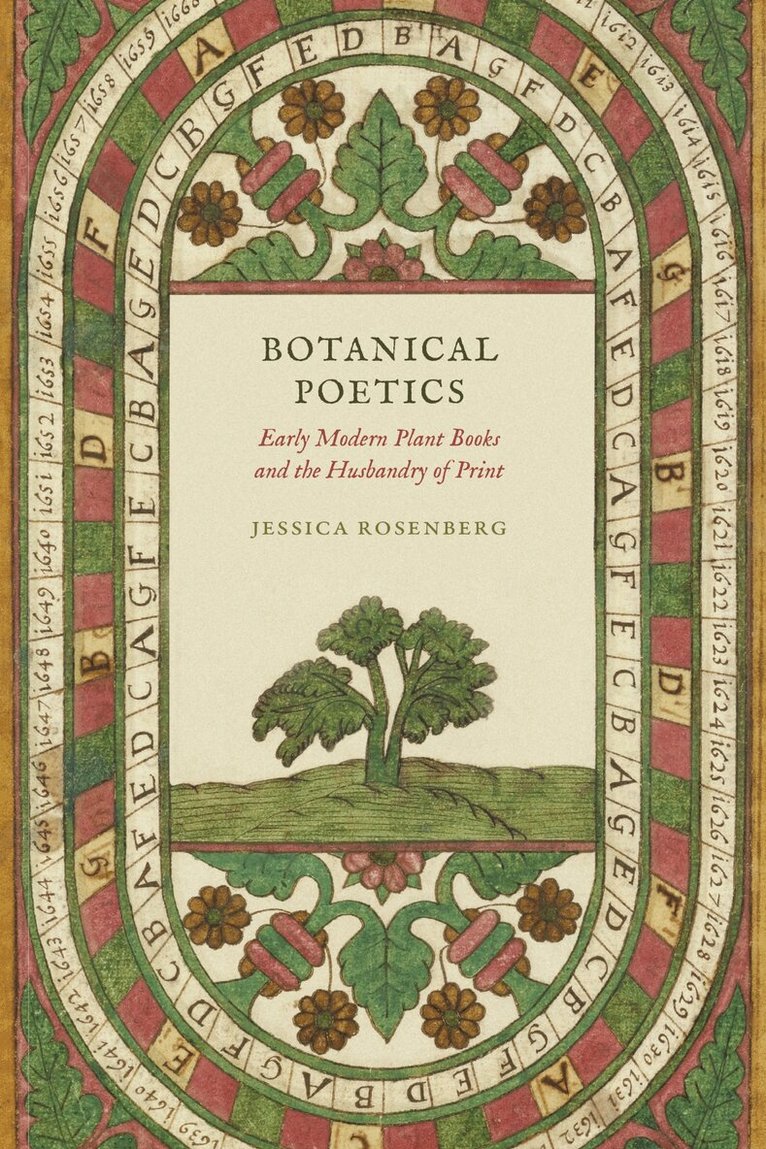
    Botanical Poetics

    Early Modern Plant Books and the Husbandry of Print

    AvJessica Rosenberg

    E-bok
    Engelska, 2022

    1 361 kr

    Läs direkt i Bokus Reader – eller ladda ned till din enhet

    Fler format och utgåvor

    Inbunden

    953 kr

    Beskrivning

    During the middle years of Queen Elizabeth’s reign, the number of books published with titles that described themselves as flowers, gardens, or forests more than tripled. During those same years, English printers turned out scores of instructional manuals on gardening and husbandry, retailing useful knowledge to a growing class of literate landowners and pleasure gardeners. Both trends, Jessica Rosenberg shows, reflected a distinctive style of early modern plant-thinking, one that understood both plants and poems as composites of small pieces—slips or seeds to be recirculated by readers and planters.

    Botanical Poetics brings together studies of ecology, science, literary form, and the material text to explore how these developments transformed early modern conceptions of nature, poetic language, and the printed book. Drawing on little-studied titles in horticulture and popular print alongside poetry by Shakespeare, Spenser, and others, Rosenberg reveals how early modern print used a botanical idiom to anticipate histories of its own reading and reception, whether through replanting, uprooting, or fantasies of common property and proliferation. While our conventional narratives of English literary culture in this period see reading as an increasingly private practice, and literary production as more and more of an authorial domain, Botanical Poetics uncovers an alternate tradition: of commonplaces and common ground, of slips of herbs and poetry circulated, shared, and multiplied.

    Produktinformation

    • Utgivningsdatum:2022-10-25
    • Språk:Engelska
    • Antal sidor:376
    • Filformat:EPUB
    • Kopieringsskydd:LCP
    • ISBN:9781512823349
    • Förlag:University of Pennsylvania Press

    Utforska kategorier

    • Litteraturvetenskap inom Skönlitteratur

    Mer om författaren

    Jessica Rosenberg is Assistant Professor of English at the University of Miami.

    Recensioner i media

    "Rosenberg's interdisciplinary research [is] stunningly persuasive, detailed, and original. Botanical Poetics disrupts perceived ways of reading literature, recovers and champions books cast aside as forgotten and irrelevant practical manuals from an agrarian economy, and ends by challenging origin narratives built into the Scientific Revolution." (The Spenser Review)