• Fri frakt över 249 kr
  • •
  • Snabba leveranser
  • •
  • Billiga böcker
Kundservice

Du är på sajten för privatpersoner.

Företag, bibliotek eller offentlig verksamhet?

Du handlar på classic.bokus.com, där alla dina funktioner finns intakta.
Till classic.bokus.com
Bokus logotyp. Gå till startsidan.
  • Erbjudanden
  • Nyheter
  • Student
  • Topplistor
  • Barn & ungdom
  • Bokus Play
  • E-böcker
  • Pocketböcker
  • Spel & pussel

10% rabatt på allt med kod: NYSTART10 →

Sidfot

Mina sidor

    Hjälp

    • Kundservice
    • Vanliga frågor och svar
    • Frakt och leverans
    • Retur vid ångerrätt
    • Reklamera vara
    • Betalning
    • Köpvillkor
    • Allmänna villkor
    • Information om webbplatsens tillgänglighet

    Om Bokus

    • Om oss
    • Pressrum
    • För studenter
    • För företag
    • För bibliotek och offentlig verksamhet
    • För leverantörer
    • Hållbarhet

    Populärt

    • Aktuella erbjudanden
    • Presentkort
    • Studentlitteratur
    • Nya böcker
    • Topplistor
    • Signerade böcker
    • Engelska böcker

    Inspiration

    • Boktips
    • BookTok
    • Populära bokserier
    • Barnbokskaraktärer
    • Populära författare
    Logotyp för Bokus
    Följ oss på Facebook (extern länk)Följ oss på Instagram (extern länk)Följ oss på YouTube (extern länk)Följ oss på TikTok (extern länk)
    bokus @ CookiesAnpassa cookiesIntegritetspolicyKöpvillkor
    Till Citymail hemsida (extern länk)Till Budbee hemsida (extern länk)Till Postnord hemsida (extern länk)Till Schenker hemsida (extern länk)Till Early Bird hemsida (extern länk)Till Walleys hemsida (extern länk)
    1. Kultur
    2. Musikböcker

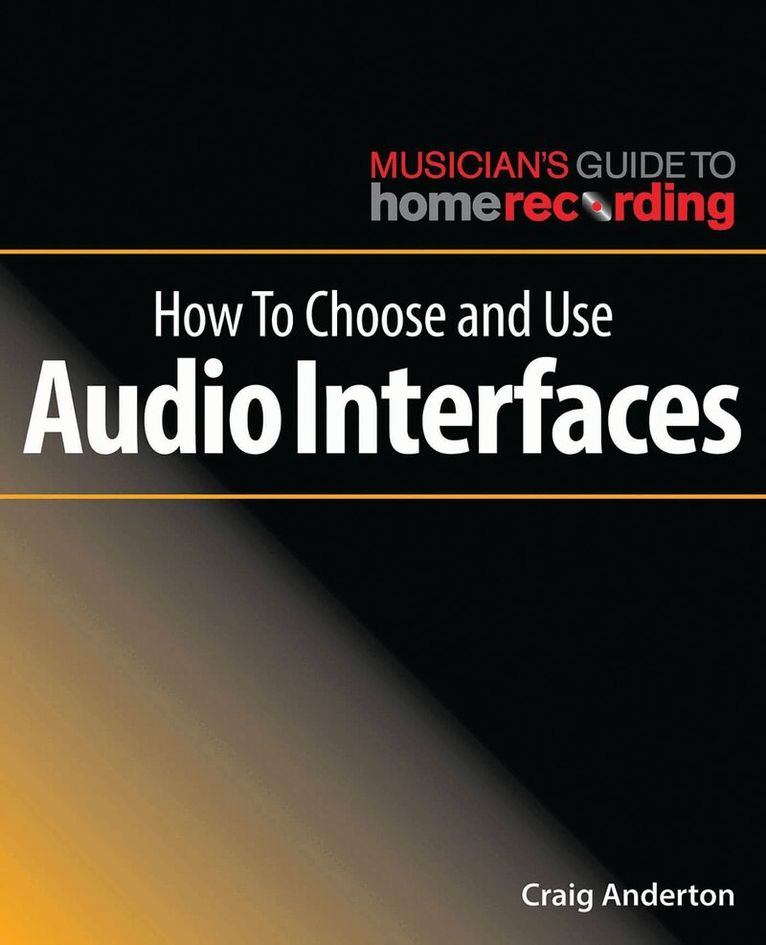
    How to Choose and Use Audio Interfaces

    AvCraig Anderton

    Häftad, Engelska, 2018

    Del i serien Musician's Guide to Home Recording

    293 kr

    Beställningsvara. Skickas inom 10-15 vardagar. Fri frakt över 249 kr.

    Beskrivning

    Along with a computer, an audio interface provides the all-important hardware foundation for computer-based recording. This book helps musicians choose, apply, and get the maximum performance from all types of audio interfaces. Written in a clear, practical, non-intimidating style, topics include:• The significance of different types of analog and digital connections and how you would use them• Interconnection protocols (USB, FireWire, Thunderbolt, PCIe) for Windows and Mac computers• Product options from portable, mobile units up to sophisticated mixers that can also serve as audio interfaces• The special requirements involved in recording guitar• The function of drivers and accessory programs (like software mixers for signal routing)• Ways to minimize delays that occur when using audio interfaces with computers• How and why to choose particular sample rates and resolutions• The "high-resolution audio" controversy• Microphone preamps• Using multiple interfaces• Expanding existing interfaces for more inputs• Understanding specifications• Various special features unique to particular interfaces, and moreLoaded with illustrations and featuring the judicious use of sidebars to give details on selected topics for those who want to know "why" as well as "how," How to Choose and Use Audio Interfaces is essential reading about one of the most important elements needed for a high-quality, computer-based home or project studio.

    Produktinformation

    • Utgivningsdatum:2018-07-01
    • Mått:189 x 234 x 5 mm
    • Vikt:254 g
    • Format:Häftad
    • Språk:Engelska
    • Serie:Musician's Guide to Home Recording
    • Antal sidor:88
    • Förlag:Hal Leonard Corporation
    • ISBN:9781540024916

    Utforska kategorier

    • Musikböcker inom Kultur

    Mer om författaren

    Craig Anderton is an internationally recognized authority on music and technology. He has played on, produced, or mastered over 20 major label recordings, did session work in New York in the 1970s on guitar and keyboards, played Carnegie Hall, and more recently, mastered well over a hundred tracks for various artists. His onstage career spans from the 60s to current, EDM-oriented solo performances. As an author, he co-founded Electronic Musician magazine, and has written over 35 books on musical electronics and over a thousand articles. He has also lectured on technology and the arts in 10 countries, 38 U.S. states, and three languages.

    Innehållsförteckning

    • Acknowledgments Introduction. About this BookThe Purpose of an Audio Interface Tips and References Chapter 1. Jacks and ConnectorsBalanced and Unbalanced Lines .Signal Level Categories Connector Types .Key TakeawaysChapter 2. Audio Interface Types and Computer Connections External BoxExternal Mixer with Audio InterfaceExternal Gear with Built-In Audio Interface DJ Controller with Built-In Audio InterfaceInternal PCIe CardDigital Connections for External Boxes Interface DriversThe FutureHow to Choose Driver Settings Key Takeaways Chapter 3. Choosing Settings for Sample Rates and Bit Resolution Sample Rates The “High-Resolution” Sample Rate ControversyBit Resolution Audio Interface Resolution vs. Recording Software Resolution .Key Takeaways Chapter 4. Choosing Settings for Latency (Computer-Based Audio Delays) Latency Basics Latency Specifications How to Obtain the Lowest Possible LatencyKey Takeaways Chapter 5. Digital Audio Connections S/PDIF (Sony/Philips Digital Interface) AES/EBU (Audio Engineering Society/European Broadcast Union) ADAT (Alesis Digital Audio Tape) Optical Interface MADI (Multichannel Audio Digital Interface) MIDI (Musical Instrument Digital Interface) Basic Clocking .Word Clock Networked Audio Key Takeaways Chapter 6. Microphone Preamps Preamp Gain Preamp Design Classes Understanding Mic Preamp and Audio Interface SpecificationsKey TakeawaysChapter 7. Other Audio Interface FeaturesInput Level MeteringOnboard EffectsUniversal Audio’s Apollo InterfacesMic Preamp Low Cut and Phase Switches Digital Mixer CapabilitiesSoftware Applications Remote Control Programs Auto-LevelDigitally Controlled Mic PreampsPortability Bundled Software IEC Cable vs. “Wall Wart” Ground Post .Ergonomics and Build Quality Front Panel vs. Rear Panel Jacks Key Takeaways Chapter 8. Cascading/Aggregating Interfaces Windows Apple Mac Expanding Interfaces via the ADAT Port Interconnecting an Audio Interface and Expansion Unit Key Takeaways Appendix. Obtaining the Benefits of High Sample Rates in Lower Sample Rate Projects