Du är på sajten för privatpersoner.
Adam Mars-Jones’ first collection of stories, Lantern Lecture, won a Somerset Maugham Award in 1982, and he appeared on Granta’s Best of Young British Novelists lists in 1983 and 1993. His debut novel, The Waters of Thirst, was published in 1993 by Faber & Faber. It was followed by Pilcrow (2008) and Cedilla (2011), which form the first two parts of a semi-infinite novel series. His essay Noriko Smiling (Notting Hill Editions, 2011) is a book-length study of a classic of Japanese cinema, Yasujiro Ozu’s Late Spring. His memoir Kid Gloves was published by Particular Books in 2015. He writes book reviews for the LRB and film reviews for the TLS.
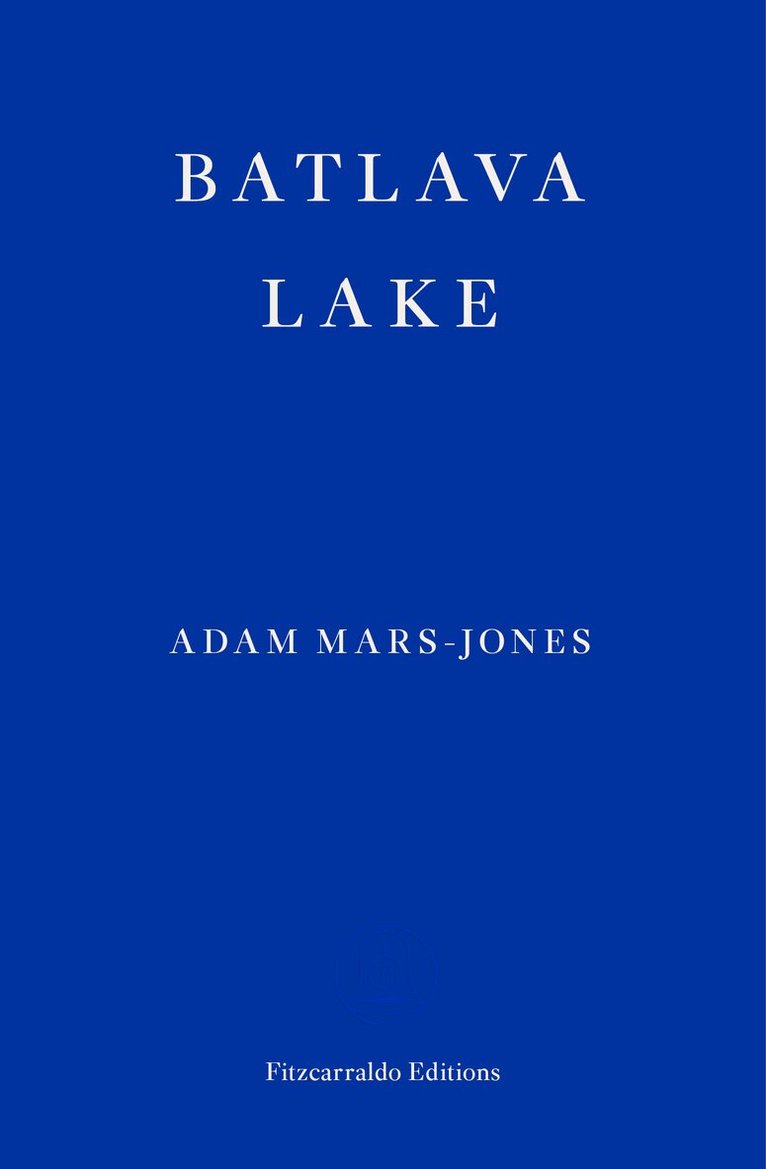
‘No one inhabits character as intensely and subtly as Mars-Jones. Batlava Lake is therefore completely convincing as an everyman narrative – we know people exactly like Barry Ashton, and may even be exactly like him – but there’s a larger truth here too, about clashes of cultures and history, that make this an important and highly recommended book.’ — Lee Child
Du är på sajten för privatpersoner.
Adam Mars-Jones’ first collection of stories, Lantern Lecture, won a Somerset Maugham Award in 1982, and he appeared on Granta’s Best of Young British Novelists lists in 1983 and 1993. His debut novel, The Waters of Thirst, was published in 1993 by Faber & Faber. It was followed by Pilcrow (2008) and Cedilla (2011), which form the first two parts of a semi-infinite novel series. His essay Noriko Smiling (Notting Hill Editions, 2011) is a book-length study of a classic of Japanese cinema, Yasujiro Ozu’s Late Spring. His memoir Kid Gloves was published by Particular Books in 2015. He writes book reviews for the LRB and film reviews for the TLS.
‘No one inhabits character as intensely and subtly as Mars-Jones. Batlava Lake is therefore completely convincing as an everyman narrative – we know people exactly like Barry Ashton, and may even be exactly like him – but there’s a larger truth here too, about clashes of cultures and history, that make this an important and highly recommended book.’ — Lee Child