Inbunden, Engelska, 2024
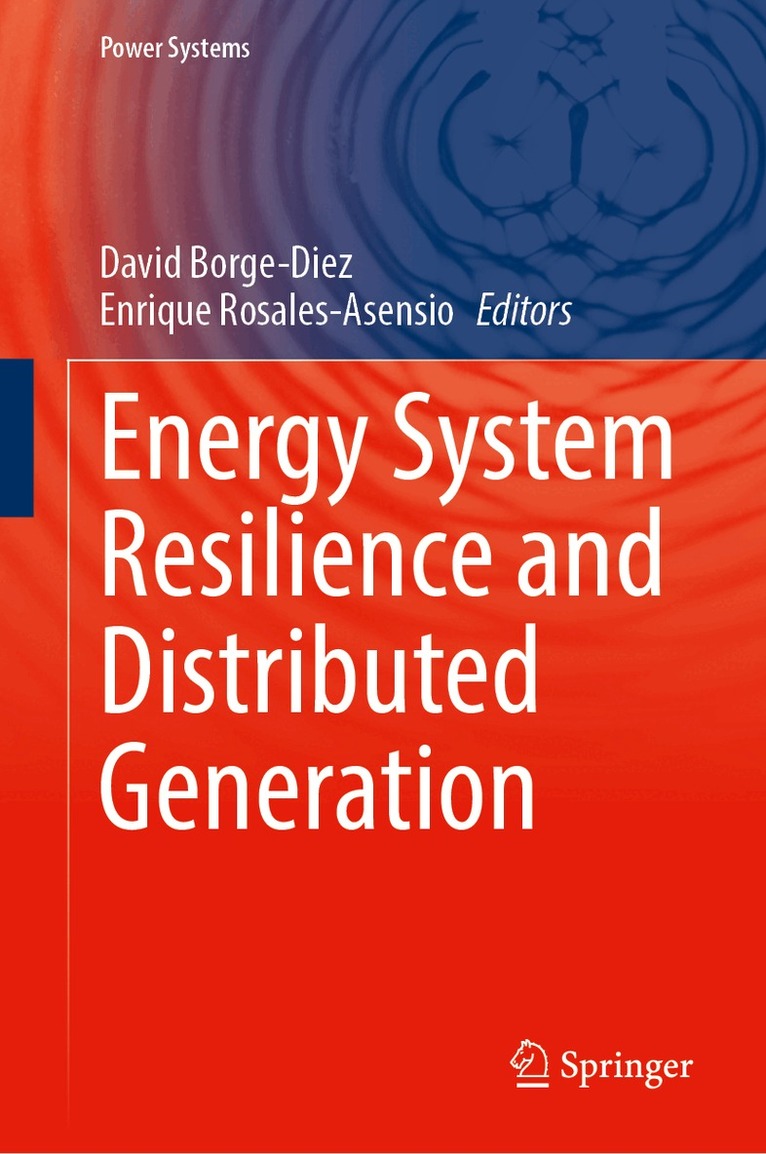
Energy System Resilience and Distributed Generation
Av David Borge-Diez, Enrique Rosales-Asensio
2179 kr
Beställningsvara. Skickas inom 10-15 vardagar. Fri frakt över 249 kr.
Beskrivning
This book presents a methodology for assessing the advantages of microgrids from both a business and energy resilience perspective. Microgrids incorporate distributed generators and electrochemical energy storage systems within end-user facilities that have critical loads. By utilizing renewable energy sources and electrochemical energy storage, the life-cycle cost of energy within microgrids connected to the electrical grid can be significantly reduced. Moreover, the book explores how the design of microgrids can enhance the resilience of power supply to customers, as measured by the duration for which the microgrid can sustain an electrical consumer during an outage. This aspect is particularly crucial for buildings with critical loads. The book contains case studies from around the world that demonstrate these lessons. The book is of interest to researchers and graduate students in power and energy as well as professionals in the power industry.
Produktinformation
- Utgivningsdatum: 2024-10-12
- Mått: 155 x 235 x 27 mm
- Vikt: 716 g
- Format: Inbunden
- Språk: Engelska
- Serie: Power Systems
- Antal sidor: 388
- Förlag: Springer International Publishing AG
- ISBN: 9783031677533
Utforska kategorier
Betyg & recensioner
0 recensioner
Inga recensioner tillgängliga.