Beth English – författare
796 kr
Läs direkt efter köp
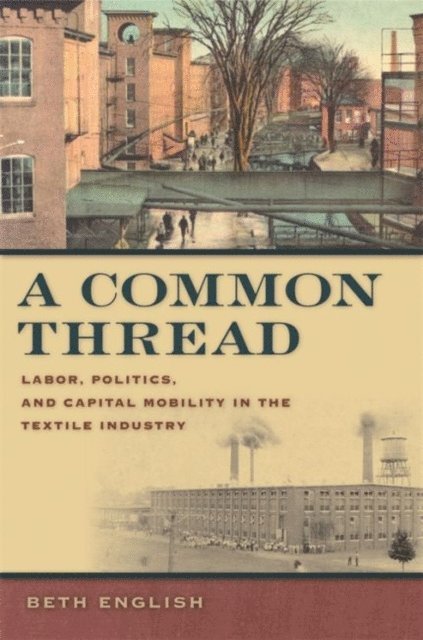
With important ramifications for studies relating to industrialization and the impact of globalization, A Common Thread examines the relocation of the New England textile industry to the piedmont South between 1880 and 1959. Through the example of the Massachusetts-based Dwight Manufacturing Company, the book provides an informative historic reference point to current debates about the continuous relocation of capital to low-wage, largely unregulated labor markets worldwide.In 1896, to confront the effects of increasing state regulations, labor militancy, and competition from southern mills, the Dwight Company became one of the first New England cotton textile companies to open a subsidiary mill in the South. Dwight closed its Massachusetts operations completely in 1927, but its southern subsidiary lasted three more decades. In 1959, the branch factory Dwight had opened in Alabama became one of the first textile mills in the South to close in the face of post-World War II foreign competition.Beth English explains why and how New England cotton manufacturing companies pursued relocation to the South as a key strategy for economic survival, why and how southern states attracted northern textile capital, and how textile mill owners, labor unions, the state, manufacturers'' associations, and reform groups shaped the ongoing movement of cotton-mill money, machinery, and jobs. A Common Thread is a case study that helps provide clues and predictors about the processes of attracting and moving industrial capital to developing economies throughout the world.
766 kr
Läs direkt efter köp
With important ramifications for studies relating to industrialization and the impact of globalization, A Common Thread examines the relocation of the New England textile industry to the piedmont South between 1880 and 1959. Through the example of the Massachusetts-based Dwight Manufacturing Company, the book provides an informative historic reference point to current debates about the continuous relocation of capital to low-wage, largely unregulated labor markets worldwide.In 1896, to confront the effects of increasing state regulations, labor militancy, and competition from southern mills, the Dwight Company became one of the first New England cotton textile companies to open a subsidiary mill in the South. Dwight closed its Massachusetts operations completely in 1927, but its southern subsidiary lasted three more decades. In 1959, the branch factory Dwight had opened in Alabama became one of the first textile mills in the South to close in the face of post-World War II foreign competition.Beth English explains why and how New England cotton manufacturing companies pursued relocation to the South as a key strategy for economic survival, why and how southern states attracted northern textile capital, and how textile mill owners, labor unions, the state, manufacturers'' associations, and reform groups shaped the ongoing movement of cotton-mill money, machinery, and jobs. A Common Thread is a case study that helps provide clues and predictors about the processes of attracting and moving industrial capital to developing economies throughout the world.
2 151 kr
Skickas inom 10-15 vardagar
740 kr
Skickas inom 10-15 vardagar
860 kr
Läs direkt efter köp
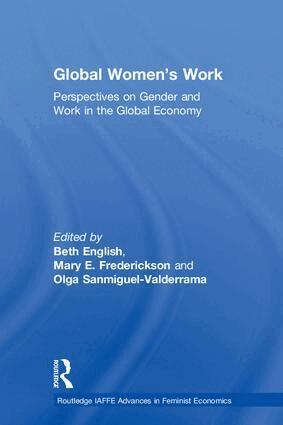
This volume considers how women are shaping the global economic landscape through their labor, activism, and multiple discourses about work. Bringing together an interdisciplinary group of international scholars, the book offers a gendered examination of work in the global economy and analyses the effects of the 2008 downturn on women’s labor force participation and workplace activism.
The book addresses three key themes: exploitation versus opportunity; women’s agency within the context of changing economic options; and women’s negotiations and renegotiations of unpaid social reproductive labor. This uniquely interdisciplinary and comparative analysis will be crucial reading for anyone with an interest in gender and the post-crisis world.
860 kr
Läs direkt efter köp
This volume considers how women are shaping the global economic landscape through their labor, activism, and multiple discourses about work. Bringing together an interdisciplinary group of international scholars, the book offers a gendered examination of work in the global economy and analyses the effects of the 2008 downturn on women’s labor force participation and workplace activism.
The book addresses three key themes: exploitation versus opportunity; women’s agency within the context of changing economic options; and women’s negotiations and renegotiations of unpaid social reproductive labor. This uniquely interdisciplinary and comparative analysis will be crucial reading for anyone with an interest in gender and the post-crisis world.