James M. Trappe – författare
Visar alla böcker från författaren James M. Trappe. Handla med fri frakt och snabb leverans.
2 produkter
2 produkter
E-bok
Engelska, 201371 kr
Läs direkt efter köp
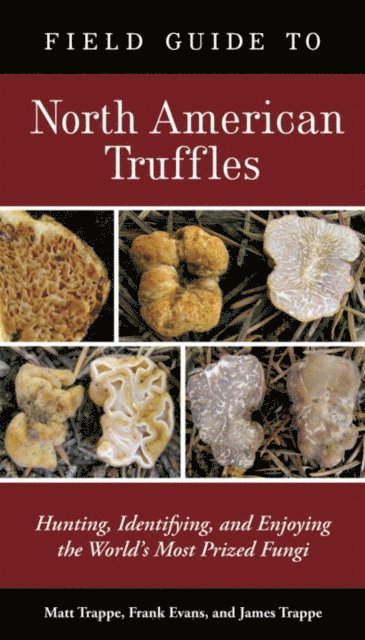
The second most expensive food in the world after saffron, truffles are treasured, coveted, and savored for their mysterious and exotic flavor. This complete field guide shows chefs and fungi aficionados how to forage for and identify the wide variety of truffles that grow in temperate forests throughout North America. Written by expert horticulturalists who have studied, classified, and enjoyed truffles for decades, the FIELD GUIDE TO NORTH AMERICAN TRUFFLES makes these celebrated underground jewels accessible to all. The first full-color illustrated guide to identifying North American truffles by their key features, including profiles of more than 80 species of truffles. Includes more than 80 photographs of rare and hard-to-find truffle species. Features flavor profiles, delectability index, and culinary tips for each species. Perfect size for carrying in a pocket or daypack.Reviews"It''¬?s the first book of its kind, complete with photographs, cross-sectional views of indigenous truffle varieties, guides to seasonal availability, and foraging tips for hundreds of kinds of truffles (both the edible and inedible kinds), as well as tasting notes and cooking tips."-SaveurFrom the Trade Paperback edition.
Häftad, Engelska, 2008
425 kr
Skickas inom 5-8 vardagar
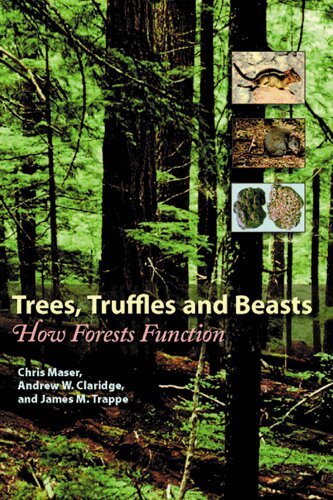
In today's world of specialization, people are attempting to protect the Earth's fragile state by swapping limousines for hybrids and pesticide-laced foods for organic produce. At other times, environmental awareness is translated into public relations gimmicks or trendy commodities. Moreover, simplistic policies, like single-species protection or planting ten trees for every tree cut down, are touted as bureaucratic or industrial panaceas.Because today's decisions are tomorrow's consequences, every small effort makes a difference, but a broader understanding of our environmental problems is necessary to the development of sustainable ecosystem policies. In Trees, Truffles, and Beasts, Chris Maser, Andrew W. Claridge, and James M. Trappe make a compelling case that we must first understand the complexity and interdependency of species and habitats from the microscopic level to the gigantic. Comparing forests in the Pacific Northwestern United States and Southeastern mainland of Australia, the authors show how easily observable species, trees and mammals are part of a complicated infrastructure that includes fungi, lichens, and organisms invisible to the naked eye, such as microbes.Eminently readable, this important book shows that forests are far more complicated than most of us might think, which means simplistic policies will not save them. Understanding the biophysical intricacies of our life-support systems just might.