Johannes C. De Moor – författare
Visar alla böcker från författaren Johannes C. De Moor. Handla med fri frakt och snabb leverans.
6 produkter
6 produkter
Del 65 - Hebrew Bible Monographs
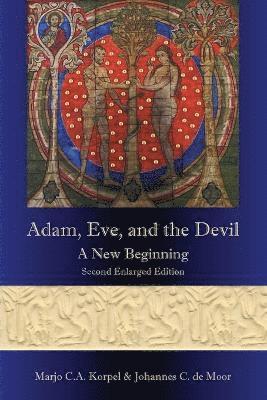
Adam, Eve, and the Devil
A New Beginning
Inbunden, Engelska, 2014
1 236 kr
Skickas inom 5-8 vardagar
Häftad, Engelska, 2015
473 kr
Skickas inom 5-8 vardagar
Inbunden, Engelska, 2011
2 982 kr
Skickas inom 5-8 vardagar
The silence of God is a recurring theme in modern reflection. It is not only addressed in theology, religious studies and philosophy, but also in literary fiction, film and theatre. The authors show that the concept of a silent deity emerged in the ancient Near East (including Greece). What did the Ancients mean when they assumed that under circumstances their deities remained silent? What reasons are discernable for silence between human beings and their gods? For the first time the close interrelation between the divine and the human in the revelatory process is demonstrated here on the basis of a wealth of translated ancient texts. In an intriguing epilogue, the authors explore the theological consequences of what they have found.
E-bok
PDF, Engelska, 20113 246 kr
Läs direkt efter köp
The silence of God is a recurring theme in modern reflection. It is not only addressed in theology, religious studies and philosophy, but also in literary fiction, film and theatre. The authors show that the concept of a silent deity emerged in the ancient Near East (including Greece). What did the Ancients mean when they assumed that under circumstances their deities remained silent? What reasons are discernable for silence between human beings and their gods? For the first time the close interrelation between the divine and the human in the revelatory process is demonstrated here on the basis of a wealth of translated ancient texts. In an intriguing epilogue, the authors explore the theological consequences of what they have found.
Häftad, Engelska, 2012
1 334 kr
Skickas inom 5-8 vardagar
The silence of God is a recurring theme in modern reflection. It is not only addressed in theology, religious studies and philosophy, but also in literary fiction, film and theatre. The authors show that the concept of a silent deity emerged in the ancient Near East (including Greece). What did the Ancients mean when they assumed that under circumstances their deities remained silent? What reasons are discernible for silence between human beings and their gods? For the first time the close interrelation between the divine and the human in the revelatory process is demonstrated here on the basis of a wealth of translated ancient texts. In an intriguing epilogue, the authors explore the theological consequences of what they have found.