Maartje Roelofsen – författare
Visar alla böcker från författaren Maartje Roelofsen. Handla med fri frakt och snabb leverans.
4 produkter
4 produkter
Inbunden, Engelska, 2022
436 kr
Skickas inom 10-15 vardagar
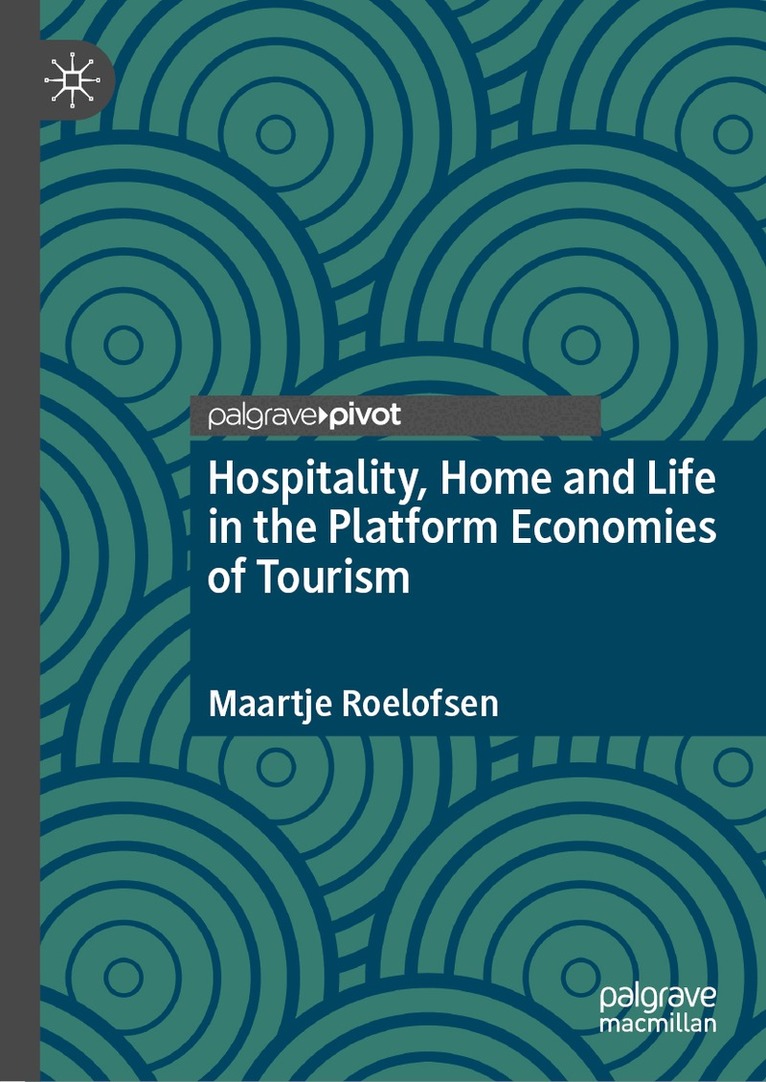
This book explores how digital platforms in the realm of tourism and hospitality have shaped social and material worlds. Based on extensive ethnographic fieldwork with hosts and guests, the book analyses the impacts of platforms on the scale of the city, the home, and the everyday life of individuals. The book first situates platforms within the broader history of digital developments in tourism and questions what is essentially new about these socio-technical formations? The following chapters demonstrate how platforms have affected urban housing, challenged the tourism sector, and transformed understandings of hospitality and home. This is illustrated through a case-study of Airbnb’s development and impact in Sofia, Bulgaria. The final chapters of the book reflect on the political dimensions of datafication processes and digital systems of measurement that underpin the platform’s workings, showing how the platform economies of tourism benefit their users in highly uneven ways.
E-bok
Engelska, 2022554 kr
Läs direkt efter köp
This book explores how digital platforms in the realm of tourism and hospitality have shaped social and material worlds. Based on extensive ethnographic fieldwork with hosts and guests, the book analyses the impacts of platforms on the scale of the city, the home, and the everyday life of individuals. The book first situates platforms within the broader history of digital developments in tourism and questions what is essentially new about these socio-technical formations? The following chapters demonstrate how platforms have affected urban housing, challenged the tourism sector, and transformed understandings of hospitality and home. This is illustrated through a case-study of Airbnb’s development and impact in Sofia, Bulgaria. The final chapters of the book reflect on the political dimensions of datafication processes and digital systems of measurement that underpin the platform’s workings, showing how the platform economies of tourism benefit their users in highly uneven ways.
Inbunden, Engelska, 2023
490 kr
Skickas inom 10-15 vardagar
This edited collection brings together interventions on the geographies of tourism in pandemic times approached from a biopolitical perspective. Whilst the “management of bodies” has always been a constitutive part of tourism and its spatialities, the COVID-19 pandemic has prompted the emergence of entirely new “states of exception” and emergency regimes, geared towards tight restrictions and control over the mobility and embodied practices of millions of travelers and tourists. Debates in tourism over the “politics of life”, now more than ever, ought to concern health and wellbeing for both individuals and selected populations, not in the least because tourism has provided in many instances the socio-spatial conditions for the virus to spread. This book intends to show how a biopolitical analytical framework may provide a set of insights and critical perspectives that are key to the understanding of contemporary tourism practices and regimes of mobility, security, and in/exclusion – particularly in relation to the COVID-19 pandemic.
E-bok
Engelska, 2023633 kr
Läs direkt efter köp
This edited collection brings together interventions on the geographies of tourism in pandemic times approached from a biopolitical perspective. Whilst the “management of bodies” has always been a constitutive part of tourism and its spatialities, the COVID-19 pandemic has prompted the emergence of entirely new “states of exception” and emergency regimes, geared towards tight restrictions and control over the mobility and embodied practices of millions of travelers and tourists. Debates in tourism over the “politics of life”, now more than ever, ought to concern health and wellbeing for both individuals and selected populations, not in the least because tourism has provided in many instances the socio-spatial conditions for the virus to spread. This book intends to show how a biopolitical analytical framework may provide a set of insights and critical perspectives that are key to the understanding of contemporary tourism practices and regimes of mobility, security, and in/exclusion – particularly in relation to the COVID-19 pandemic.