Michael R. Whitenton – författare
Visar alla böcker från författaren Michael R. Whitenton. Handla med fri frakt och snabb leverans.
5 produkter
5 produkter
Inbunden, Engelska, 2019
1 676 kr
Skickas inom 10-15 vardagar
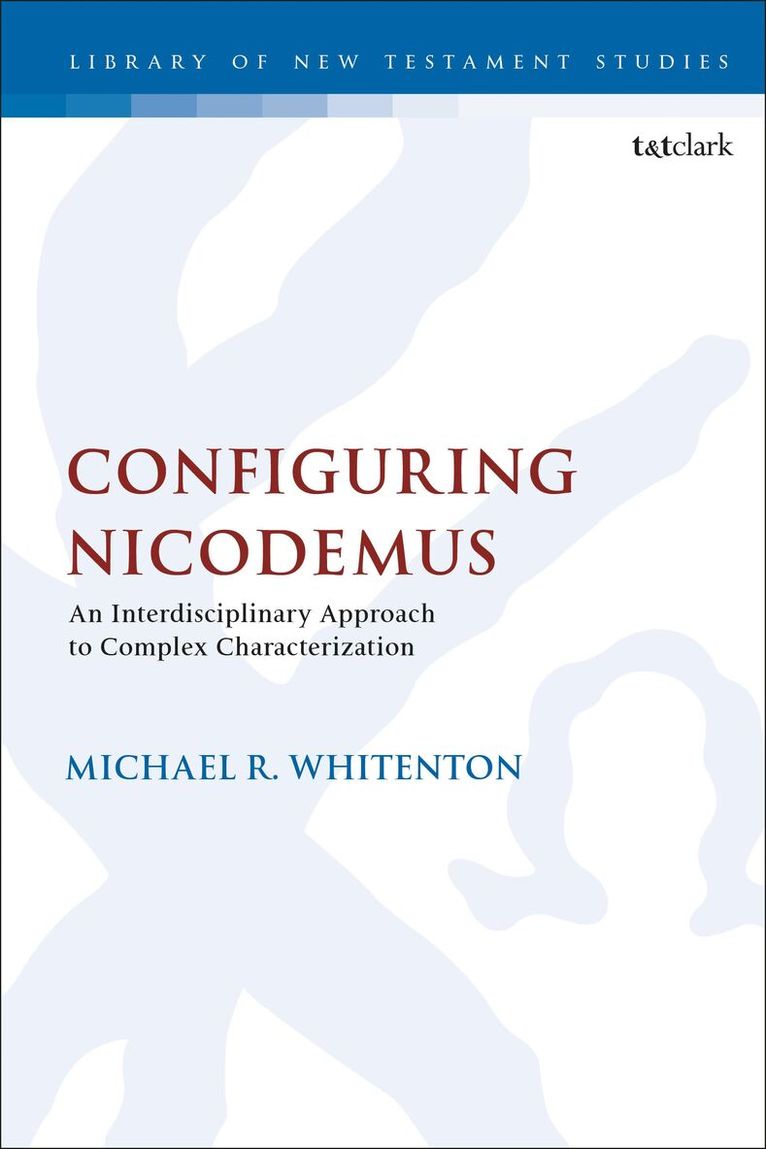
Michael Whitenton offers a fresh perspective on the characterization of Nicodemus, focusing on the benefit of Hellenistic rhetoric and the cognitive sciences for understanding audience construals of characters in ancient narratives. Whitenton builds an interdisciplinary approach to ancient characters, utilizing cognitive science, Greek stock characters, ancient rhetoric, and modern literary theory. He then turns his attention to the characterization of Nicodemus, where he argues that Nicodemus would likely be understood initially as a dissembling character, only to depart from that characterization later in the narrative, suggesting a journey toward Johannine faith. Whitenton presents a compelling argument: many in an ancient audience would construe Nicodemus in ways that suggest his development from doubt and suspicion to commitment and devotion.
E-bok
PDF, Engelska, 2019515 kr
Läs direkt efter köp
Michael Whitenton offers a fresh perspective on the characterization of Nicodemus, focusing on the benefit of Hellenistic rhetoric and the cognitive sciences for understanding audience construals of characters in ancient narratives. Whitenton builds an interdisciplinary approach to ancient characters, utilizing cognitive science, Greek stock characters, ancient rhetoric, and modern literary theory. He then turns his attention to the characterization of Nicodemus, where he argues that Nicodemus would likely be understood initially as a dissembling character, only to depart from that characterization later in the narrative, suggesting a journey toward Johannine faith. Whitenton presents a compelling argument: many in an ancient audience would construe Nicodemus in ways that suggest his development from doubt and suspicion to commitment and devotion.
515 kr
Läs direkt efter köp
Michael Whitenton offers a fresh perspective on the characterization of Nicodemus, focusing on the benefit of Hellenistic rhetoric and the cognitive sciences for understanding audience construals of characters in ancient narratives. Whitenton builds an interdisciplinary approach to ancient characters, utilizing cognitive science, Greek stock characters, ancient rhetoric, and modern literary theory. He then turns his attention to the characterization of Nicodemus, where he argues that Nicodemus would likely be understood initially as a dissembling character, only to depart from that characterization later in the narrative, suggesting a journey toward Johannine faith. Whitenton presents a compelling argument: many in an ancient audience would construe Nicodemus in ways that suggest his development from doubt and suspicion to commitment and devotion.
Häftad, Engelska, 2020
480 kr
Skickas inom 10-15 vardagar
Michael Whitenton offers a fresh perspective on the characterization of Nicodemus, focusing on the benefit of Hellenistic rhetoric and the cognitive sciences for understanding audience construals of characters in ancient narratives. Whitenton builds an interdisciplinary approach to ancient characters, utilizing cognitive science, Greek stock characters, ancient rhetoric, and modern literary theory. He then turns his attention to the characterization of Nicodemus, where he argues that Nicodemus would likely be understood initially as a dissembling character, only to depart from that characterization later in the narrative, suggesting a journey toward Johannine faith. Whitenton presents a compelling argument: many in an ancient audience would construe Nicodemus in ways that suggest his development from doubt and suspicion to commitment and devotion.
Del 148 - Biblical Interpretation Series
Hearing Kyriotic Sonship
A Cognitive and Rhetorical Approach to the Characterization of Mark's Jesus
Inbunden, Engelska, 2016
3 150 kr
Skickas inom 3-6 vardagar
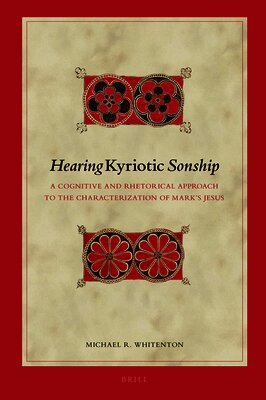
In Hearing Kyriotic Sonship Michael Whitenton explores first-century audience impressions of Mark’s Jesus in light of ancient rhetoric and modern cognitive science. Commonly understood as neither divine nor Davidic, Mark’s Jesus appears here as the functional equivalent to both Israel’s god and her Davidic king. The dynamics of ancient performance and the implicit rhetoric of the narrative combine to subtly alter listeners’ perspectives of Jesus.Previous approaches have routinely viewed Mark’s Jesus as neither divine nor Davidic largely on the basis of a lack of explicit affirmations. Drawing our attention to the mechanics of inference generation and narrative persuasion, Whitenton shows us that ancient listeners probably inferred much about Mark’s Jesus that is not made explicit in the narrative.