Rajul Pandya – författare
735 kr
Läs direkt efter köp
In the last twenty years, citizen science has blossomed as a way to engage a broad range of individuals in doing science. Citizen science projects focus on, but are not limited to, nonscientists participating in the processes of scientific research, with the intended goal of advancing and using scientific knowledge. A rich range of projects extend this focus in myriad directions, and the boundaries of citizen science as a field are not clearly delineated. Citizen science involves a growing community of professional practitioners, participants, and stakeholders, and a thriving collection of projects. While citizen science is often recognized for its potential to engage the public in science, it is also uniquely positioned to support and extend participants'' learning in science.
Contemporary understandings of science learning continue to advance. Indeed, modern theories of learning recognize that science learning is complex and multifaceted. Learning is affected by factors that are individual, social, cultural, and institutional, and learning occurs in virtually any context and at every age. Current understandings of science learning also suggest that science learning extends well beyond content knowledge in a domain to include understanding of the nature and methods of science.
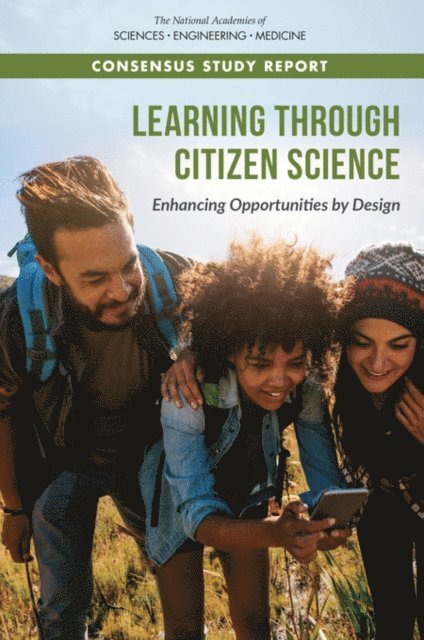
Learning Through Citizen Science: Enhancing Opportunities by Design discusses the potential of citizen science to support science learning and identifies promising practices and programs that exemplify the promising practices. This report also lays out a research agenda that can fill gaps in the current understanding of how citizen science can support science learning and enhance science education.
1 081 kr
Skickas inom 10-15 vardagar
1 459 kr
Läs direkt efter köp
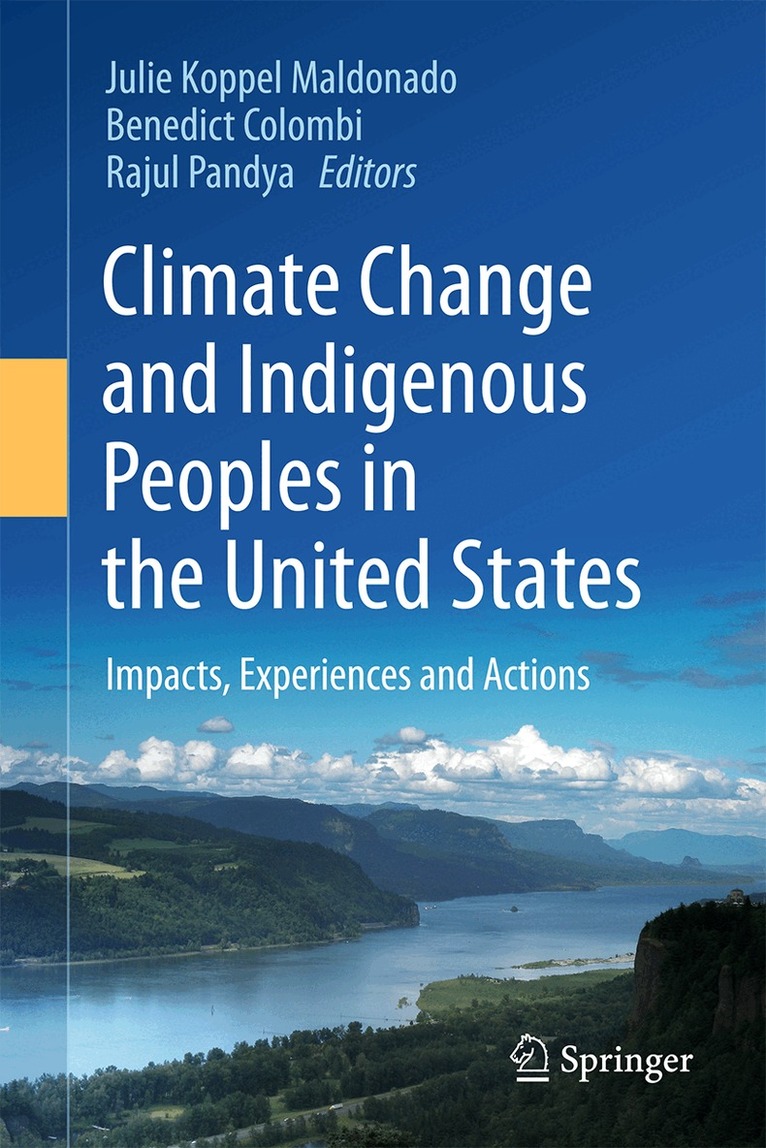
With a long history and deep connection to the Earth’s resources, indigenous peoples have an intimate understanding and ability to observe the impacts linked to climate change. Traditional ecological knowledge and tribal experience play a key role in developing future scientific solutions for adaptation to the impacts. The book explores climate-related issues for indigenous communities in the United States, including loss of traditional knowledge, forests and ecosystems, food security and traditional foods, as well as water, Arctic sea ice loss, permafrost thaw and relocation. The book also highlights how tribal communities and programs are responding to the changing environments. Fifty authors from tribal communities, academia, government agencies and NGOs contributed to the book.
Previously published in Climatic Change, Volume 120, Issue 3, 2013.
1 113 kr
Skickas inom 10-15 vardagar
491 kr
Tillfälligt slut