Advances in Critical Zone Science – serie
Visar alla böcker i serien Advances in Critical Zone Science. Handla med fri frakt och snabb leverans.
3 produkter
3 produkter
Inbunden, Engelska, 2022
1 631 kr
Skickas inom 10-15 vardagar
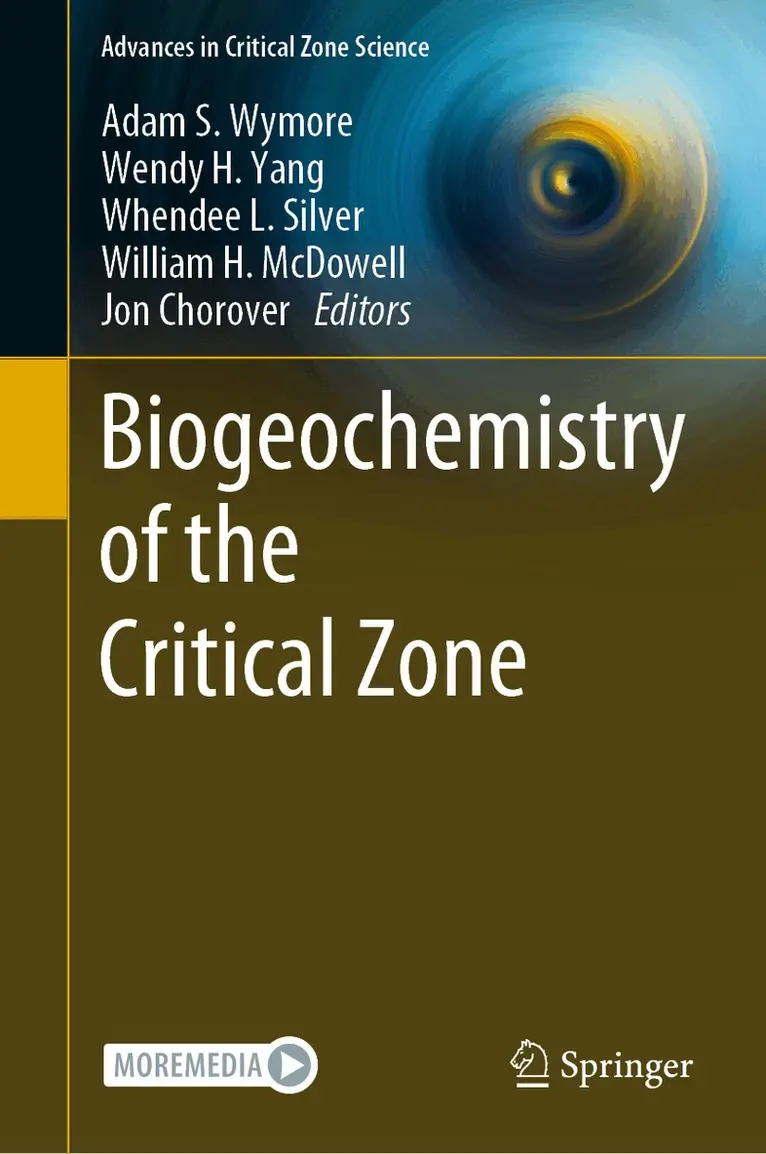
This book highlights recent advances in the discipline of biogeochemistry that have directly resulted from the development of critical zone (CZ) science. The earth's critical zone (CZ) is defined from the weathering front and lowest extent of freely circulating groundwater up through the regolith and to the top of the vegetative canopy. The structure and function of the CZ is shaped through tectonic, lithologic, hydrologic, climatic, and biological processes and is the result of processes occurring at multiple time scales from eons to seconds. The CZ is an open system in which energy and matter are both transported and transformed. Critical zone science provides a novel and unifying framework to consider those coupled interactions that control biogeochemical cycles and fluxes of energy and matter that are critical to sustaining a habitable planet. Biogeochemical processes are at the heart of energy and matter fluxes through ecosystems and watersheds. They control thequantity and quality of carbon and nutrients available for living organisms, control the retention and export of nutrients affecting water quality and soil fertility, and influence the ability for ecosystems to sequester carbon. As the term implies, biogeochemical cycles, and the rates at which they occur, result from the interaction of biological, chemical, and physical processes. However, finding a unifying framework by which to study these interactions is challenging, and the different components of bio-geo-chemistry are often studied in isolation. The authors provide both reviews and original research contributions with the requirement that the chapters incorporate a CZ framework to test biogeochemical theory and/or develop new and robust predictive models regarding elemental cycles. The book demonstrates how the CZ framework provides novel insights into biogeochemistry.
Häftad, Engelska, 2023
1 631 kr
Skickas inom 10-15 vardagar
This book highlights recent advances in the discipline of biogeochemistry that have directly resulted from the development of critical zone (CZ) science. The earth's critical zone (CZ) is defined from the weathering front and lowest extent of freely circulating groundwater up through the regolith and to the top of the vegetative canopy. The structure and function of the CZ is shaped through tectonic, lithologic, hydrologic, climatic, and biological processes and is the result of processes occurring at multiple time scales from eons to seconds. The CZ is an open system in which energy and matter are both transported and transformed. Critical zone science provides a novel and unifying framework to consider those coupled interactions that control biogeochemical cycles and fluxes of energy and matter that are critical to sustaining a habitable planet. Biogeochemical processes are at the heart of energy and matter fluxes through ecosystems and watersheds. They control thequantity and quality of carbon and nutrients available for living organisms, control the retention and export of nutrients affecting water quality and soil fertility, and influence the ability for ecosystems to sequester carbon. As the term implies, biogeochemical cycles, and the rates at which they occur, result from the interaction of biological, chemical, and physical processes. However, finding a unifying framework by which to study these interactions is challenging, and the different components of bio-geo-chemistry are often studied in isolation. The authors provide both reviews and original research contributions with the requirement that the chapters incorporate a CZ framework to test biogeochemical theory and/or develop new and robust predictive models regarding elemental cycles. The book demonstrates how the CZ framework provides novel insights into biogeochemistry.
Inbunden, Engelska, 2024
1 740 kr
Skickas inom 10-15 vardagar
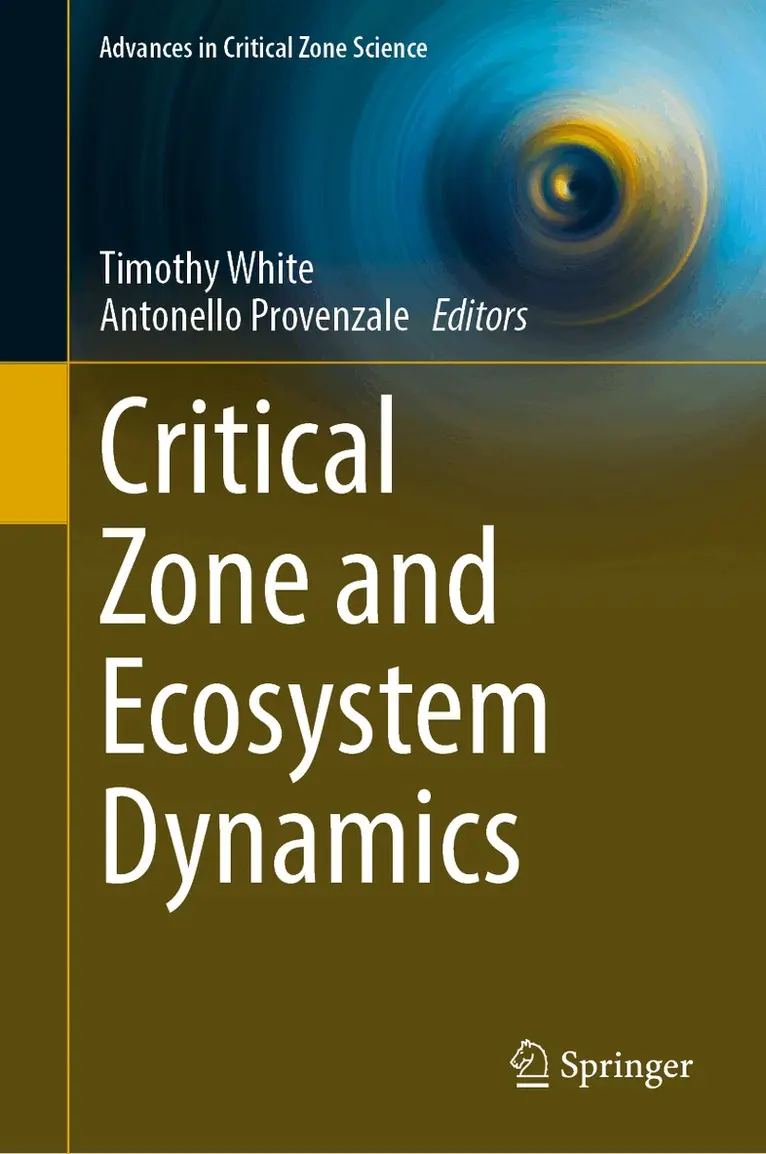
The critical zone is the thin outer veneer of continental Earth extending from the top of the vegetation canopy to subsurface depths where fresh groundwater circulates. It is the heterogeneous amalgamation of landscapes, ecosystems, and subsurface environments. The concept of the critical zone is relatively new and while thousands of manuscripts have been published from this interdisciplinary field, they exist within a wide array of journals, and none have comprehensively addressed the intersection between the geosciences and ecosystem science—“where rock meets life”. The goal of this contributed book is to promote the great potential that exists in a merger of critical zone and ecosystem science to further scientific discovery by leveraging the strengths of multiple disciplines to address societally relevant questions, keep pace with scientific advances, and more effectively engage with broader scientific communities and the public.The core readership will be collaborative researchers working at the intersection between the greater Earth, environmental and ecological sciences, and policy and business sectors that draw on science evidence to support sustainable economic development. The book also serves further readership that includes scientists from many fields, particularly those in early and mid-career stages who are interested in environmental sustainability and are seeking to step out from disciplinary research into collaborative cross-disciplinary study.