Analysing Architecture Notebooks – serie
Visar alla böcker i serien Analysing Architecture Notebooks. Handla med fri frakt och snabb leverans.
10 produkter
10 produkter
2 176 kr
Skickas inom 10-15 vardagar
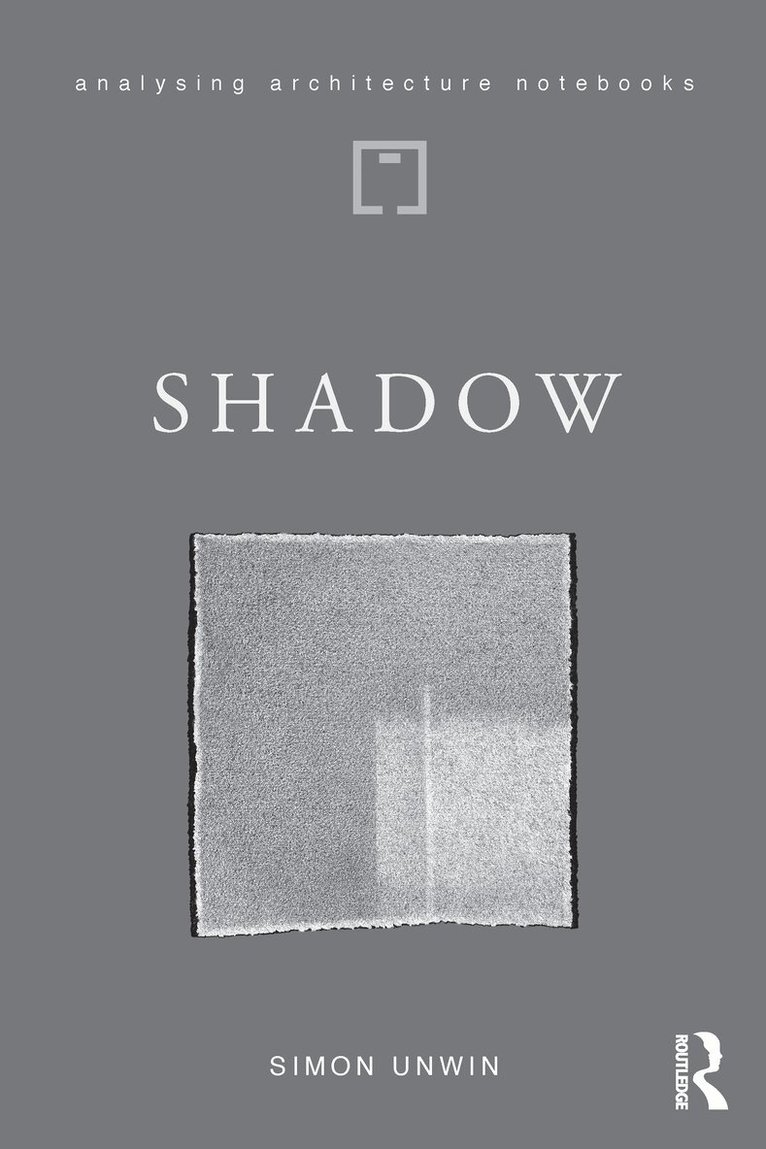
Each of these Analysing Architecture Notebooks is devoted to a particular theme in understanding the rich and varied workings of architecture. They can be thought of as addenda to the foundation volume Analysing Architecture, which first appeared in 1997 and has subsequently been enlarged in three further editions. Examining these extra themes as a series of Notebooks, rather than as additional chapters in future editions, allows greater space for more detailed exploration of a wider variety of examples, whilst avoiding the risk of the original book becoming unwieldy.Shadows may be insubstantial but they are, nevertheless, an important element in architecture. In prehistoric times we sought shade as a refuge from the hot sun and chilling rain. Through history architects have used shadows to draw, to mould form, to paint pictures, to orchestrate atmosphere, to indicate the passing of time … as well as to identify place. Sometimes shadow can be the substance of architecture.
371 kr
Skickas inom 10-15 vardagar
Each of these Analysing Architecture Notebooks is devoted to a particular theme in understanding the rich and varied workings of architecture. They can be thought of as addenda to the foundation volume Analysing Architecture, which first appeared in 1997 and has subsequently been enlarged in three further editions. Examining these extra themes as a series of Notebooks, rather than as additional chapters in future editions, allows greater space for more detailed exploration of a wider variety of examples, whilst avoiding the risk of the original book becoming unwieldy.Shadows may be insubstantial but they are, nevertheless, an important element in architecture. In prehistoric times we sought shade as a refuge from the hot sun and chilling rain. Through history architects have used shadows to draw, to mould form, to paint pictures, to orchestrate atmosphere, to indicate the passing of time … as well as to identify place. Sometimes shadow can be the substance of architecture.
2 176 kr
Skickas inom 10-15 vardagar
As a first year student the challenges of learning how to do architecture can be daunting. Though not prescribing a particular way (there are as many ways to do architecture as there are architects), this Notebook outlines what you should do to cultivate your own distinctive capacity for architectural design.Architecture is a rich and varied subject, a multifaceted and multidimensional skill. Learning to do it is not easy. It has many subtleties. Becoming fluent can take many years. Informed by decades of discussing architecture and its challenges with students, this Notebook will help you lay foundations for a rewarding career as a creative architect.All Simon Unwin’s books explore architecture not just as a matter of form and space but in terms of its primal driving force, the universal need and desire to make places for life.Each of these Analysing Architecture Notebooks is devoted to a particular theme in understanding the rich and varied workings of architecture. They can be thought of as addenda to the foundation volume Analysing Architecture: the Universal Language of Place-Making, which first appeared in 1997 and has subsequently been enlarged in four further editions. Examining these extra themes as a series of Notebooks, rather than as additional chapters in future editions, allows greater space for more detailed exploration of a wider variety of examples, whilst avoiding the risk of the original book becoming unwieldy.
301 kr
Skickas inom 10-15 vardagar
As a first year student the challenges of learning how to do architecture can be daunting. Though not prescribing a particular way (there are as many ways to do architecture as there are architects), this Notebook outlines what you should do to cultivate your own distinctive capacity for architectural design.Architecture is a rich and varied subject, a multifaceted and multidimensional skill. Learning to do it is not easy. It has many subtleties. Becoming fluent can take many years. Informed by decades of discussing architecture and its challenges with students, this Notebook will help you lay foundations for a rewarding career as a creative architect.All Simon Unwin’s books explore architecture not just as a matter of form and space but in terms of its primal driving force, the universal need and desire to make places for life.Each of these Analysing Architecture Notebooks is devoted to a particular theme in understanding the rich and varied workings of architecture. They can be thought of as addenda to the foundation volume Analysing Architecture: the Universal Language of Place-Making, which first appeared in 1997 and has subsequently been enlarged in four further editions. Examining these extra themes as a series of Notebooks, rather than as additional chapters in future editions, allows greater space for more detailed exploration of a wider variety of examples, whilst avoiding the risk of the original book becoming unwieldy.
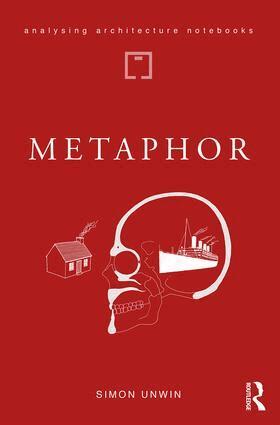
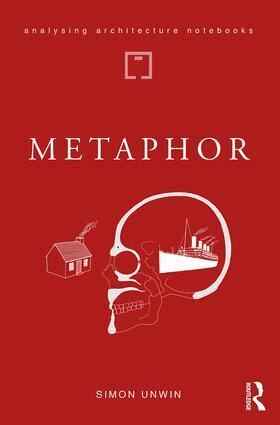
Metaphor
an exploration of the metaphorical dimensions and potential of architecture
Inbunden, Engelska, 2019
2 036 kr
Skickas inom 10-15 vardagar
Each of these Analysing Architecture Notebooks is devoted to a particular theme in understanding the rich and varied workings of architecture. They can be thought of as addenda to the foundation volume Analysing Architecture, which first appeared in 1997 and has subsequently been enlarged in three further editions. Examining these extra themes as a series of Notebooks, rather than as additional chapters in future editions, allows greater space for more detailed exploration of a wider variety of examples, whilst avoiding the risk of the original book becoming unwieldy.Metaphor is the most powerful component of the poetry of architecture. It has been a significant factor in architecture since the earliest periods of human history, when people were finding ways to give order and meaning to the world in which we live. It is arguable that architecture began with the realisation of metaphor in physical form, and that subsequent movements – from Greek to Gothic, Renaissance to Modern, Victorian to Vernacular… – have all been driven by the emergence or rediscovery of different metaphors by which architecture might be generated.
Metaphor
an exploration of the metaphorical dimensions and potential of architecture
Häftad, Engelska, 2019
371 kr
Skickas inom 10-15 vardagar
Each of these Analysing Architecture Notebooks is devoted to a particular theme in understanding the rich and varied workings of architecture. They can be thought of as addenda to the foundation volume Analysing Architecture, which first appeared in 1997 and has subsequently been enlarged in three further editions. Examining these extra themes as a series of Notebooks, rather than as additional chapters in future editions, allows greater space for more detailed exploration of a wider variety of examples, whilst avoiding the risk of the original book becoming unwieldy.Metaphor is the most powerful component of the poetry of architecture. It has been a significant factor in architecture since the earliest periods of human history, when people were finding ways to give order and meaning to the world in which we live. It is arguable that architecture began with the realisation of metaphor in physical form, and that subsequent movements – from Greek to Gothic, Renaissance to Modern, Victorian to Vernacular… – have all been driven by the emergence or rediscovery of different metaphors by which architecture might be generated.
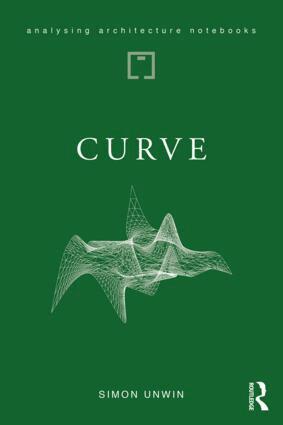
Curve
possibilities and problems with deviating from the straight in architecture
Inbunden, Engelska, 2019
2 036 kr
Skickas inom 10-15 vardagar
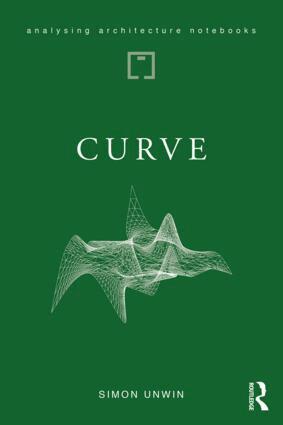
Each of these Analysing Architecture Notebooks is devoted to a particular theme in understanding the rich and varied workings of architecture. They can be thought of as addenda to the foundation volume Analysing Architecture, which first appeared in 1997 and has subsequently been enlarged in three further editions. Examining these extra themes as a series of Notebooks, rather than as additional chapters in future editions, allows greater space for more detailed exploration of a wider variety of examples, whilst avoiding the risk of the original book becoming unwieldy.Curve is a divisive issue in architecture. Some see curves as expensive and decadent; others as an expression of transcendence – a way that the human mind can express its freedom from quotidian constraints. Yet others use curves to emulate some of the most beautiful forms in nature. This Notebook considers the various authorities to which architects look for the generation of their curves. It also considers the aspirations curves manifest in architectural form.
Curve
possibilities and problems with deviating from the straight in architecture
Häftad, Engelska, 2019
371 kr
Skickas inom 10-15 vardagar
Each of these Analysing Architecture Notebooks is devoted to a particular theme in understanding the rich and varied workings of architecture. They can be thought of as addenda to the foundation volume Analysing Architecture, which first appeared in 1997 and has subsequently been enlarged in three further editions. Examining these extra themes as a series of Notebooks, rather than as additional chapters in future editions, allows greater space for more detailed exploration of a wider variety of examples, whilst avoiding the risk of the original book becoming unwieldy.Curve is a divisive issue in architecture. Some see curves as expensive and decadent; others as an expression of transcendence – a way that the human mind can express its freedom from quotidian constraints. Yet others use curves to emulate some of the most beautiful forms in nature. This Notebook considers the various authorities to which architects look for the generation of their curves. It also considers the aspirations curves manifest in architectural form.
2 036 kr
Skickas inom 10-15 vardagar
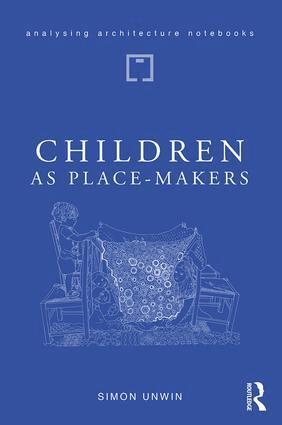
Each of these Analysing Architecture Notebooks is devoted to a particular theme in understanding the rich and varied workings of architecture. They can be thought of as addenda to the foundation volume Analysing Architecture, which first appeared in 1997 and has subsequently been enlarged in three further editions. Examining these extra themes as a series of Notebooks, rather than as additional chapters in future editions, allows greater space for more detailed exploration of a wider variety of examples, whilst avoiding the risk of the original book becoming unwieldy.As children we make places spontaneously: on the beach, in woodland, around our homes… Those places are evidence of a natural language of architecture we all share. Beginning with the child as seed and agent of the places it makes, initial sections of Children as Place-makers illustrate the key ‘verbs’ that drive that natural language of architecture. Later sections look at the core importance of the circle of place, how as children we are drawn to inhabit boxes, and the narrative possibilities that arise when place is linked with imagination. The principal messages of this Notebook are that it is by place-making we make sense of the space of the world in which we live, and that the first step in becoming a professional architect is to re-awaken the innate architect inside each of us.
371 kr
Skickas inom 10-15 vardagar
Each of these Analysing Architecture Notebooks is devoted to a particular theme in understanding the rich and varied workings of architecture. They can be thought of as addenda to the foundation volume Analysing Architecture, which first appeared in 1997 and has subsequently been enlarged in three further editions. Examining these extra themes as a series of Notebooks, rather than as additional chapters in future editions, allows greater space for more detailed exploration of a wider variety of examples, whilst avoiding the risk of the original book becoming unwieldy.As children we make places spontaneously: on the beach, in woodland, around our homes… Those places are evidence of a natural language of architecture we all share. Beginning with the child as seed and agent of the places it makes, initial sections of Children as Place-makers illustrate the key ‘verbs’ that drive that natural language of architecture. Later sections look at the core importance of the circle of place, how as children we are drawn to inhabit boxes, and the narrative possibilities that arise when place is linked with imagination. The principal messages of this Notebook are that it is by place-making we make sense of the space of the world in which we live, and that the first step in becoming a professional architect is to re-awaken the innate architect inside each of us.