Biodiversity Hotspots of the World – serie
Visar alla böcker i serien Biodiversity Hotspots of the World. Handla med fri frakt och snabb leverans.
8 produkter
8 produkter
Inbunden, Engelska, 2024
2 717 kr
Skickas inom 10-15 vardagar
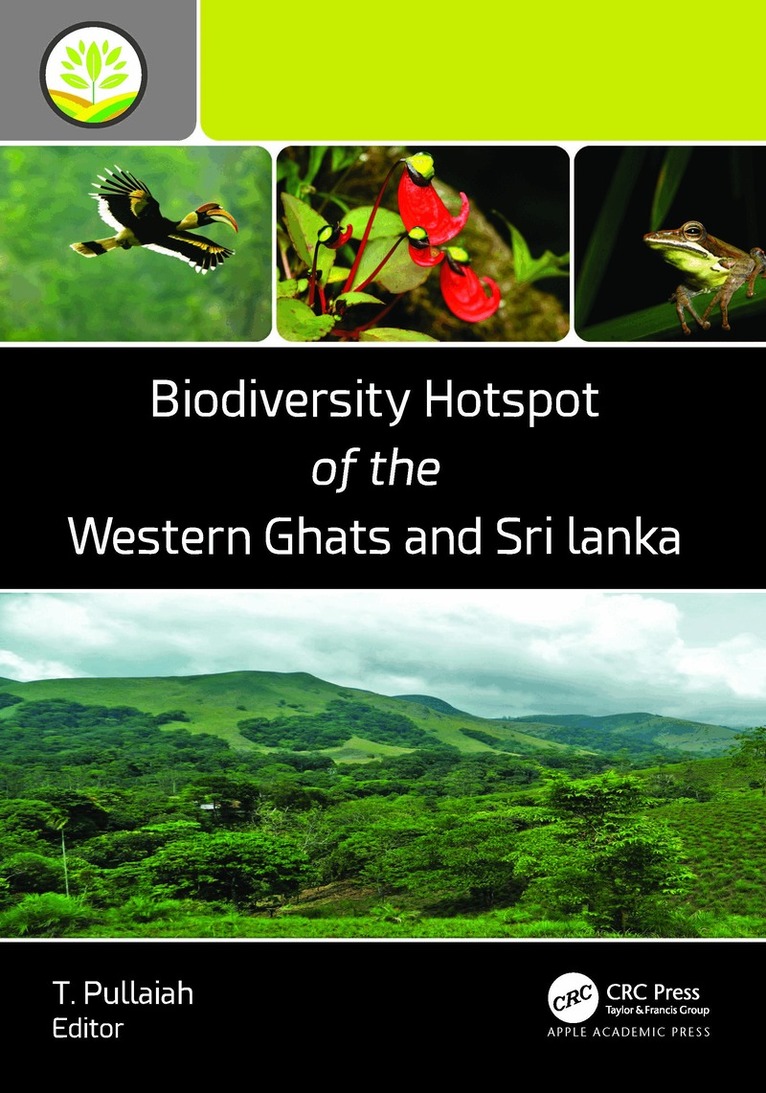
Biodiversity is declining at an alarming rate due to anthropogenic activities around the world. This book is the first volume in the new series Biodiversity Hotspots of the World, which highlights the 36 hotspot regions of the world, regions that were designated as reaping maximum benefit from preservation efforts. This series is our humble attempt to document these hotspots as a conservation and preservation measure.This first volume in the series focuses on the Western Ghats and Sri Lanka, construed as forming a community of species because of their shared biogeographical history. The volume explores the diversity and conservation efforts of the extraordinarily rich species found here, including plants, many of which are found nowhere else in the world; forests, which face tremendous population pressure and have been dramatically impacted by demands for timber and agricultural land; as well as the hotspot’s diverse mammals, birds, insects, and amphibian species, and more. The volumes in this series will be essential resources for researchers and practitioners in the fields of conservation biology, ecology, and evolution.
Häftad, Engelska, 2024
1 172 kr
Skickas inom 10-15 vardagar
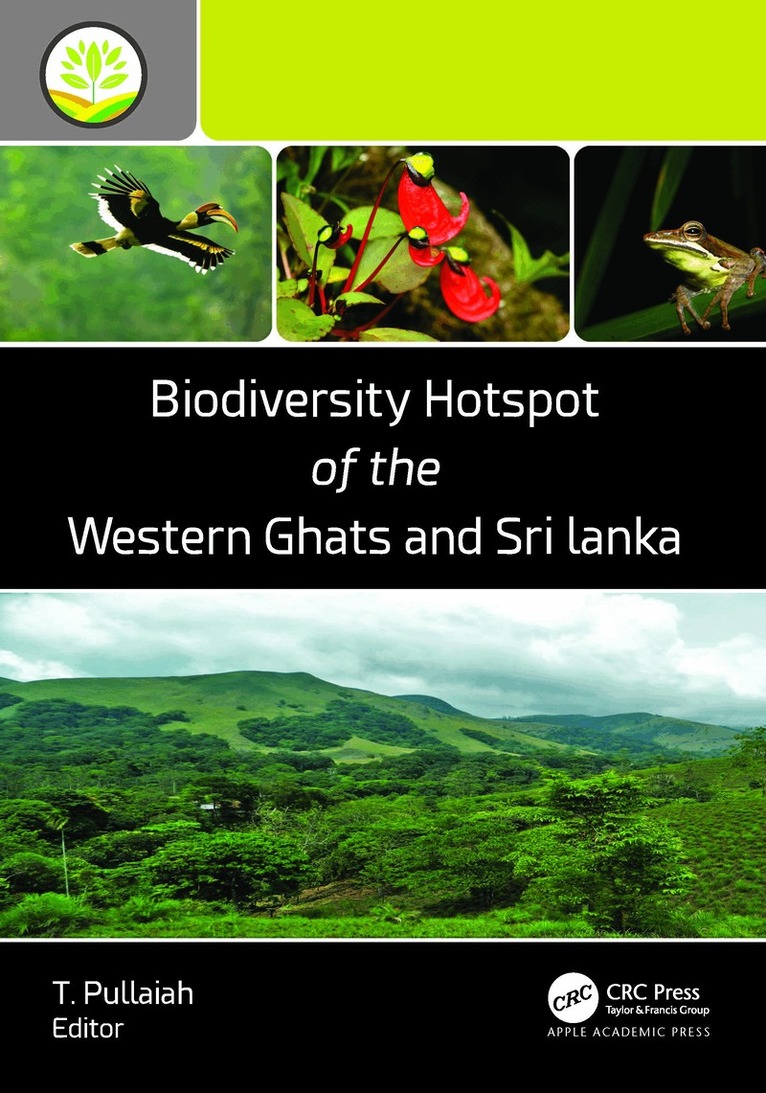
Biodiversity is declining at an alarming rate due to anthropogenic activities around the world. This book is the first volume in the new series Biodiversity Hotspots of the World, which highlights the 36 hotspot regions of the world, regions that were designated as reaping maximum benefit from preservation efforts. This series is our humble attempt to document these hotspots as a conservation and preservation measure.This first volume in the series focuses on the Western Ghats and Sri Lanka, construed as forming a community of species because of their shared biogeographical history. The volume explores the diversity and conservation efforts of the extraordinarily rich species found here, including plants, many of which are found nowhere else in the world; forests, which face tremendous population pressure and have been dramatically impacted by demands for timber and agricultural land; as well as the hotspot’s diverse mammals, birds, insects, and amphibian species, and more. The volumes in this series will be essential resources for researchers and practitioners in the fields of conservation biology, ecology, and evolution.
Inbunden, Engelska, 2024
2 717 kr
Skickas inom 10-15 vardagar
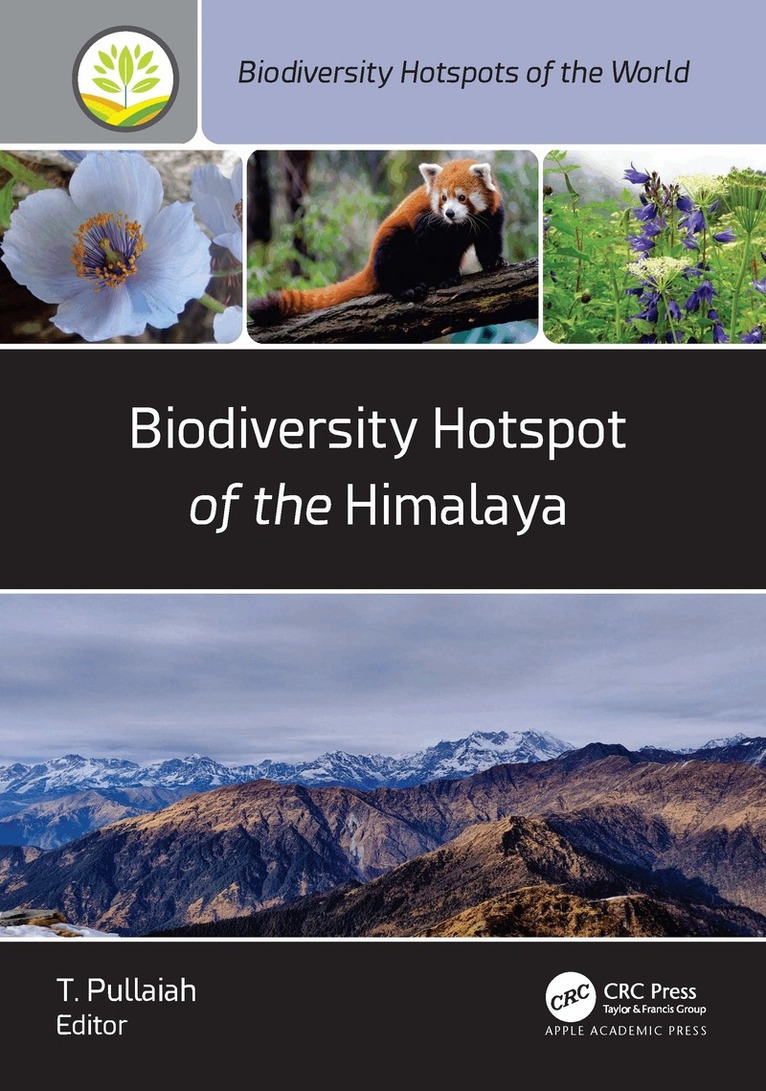
Biodiversity is declining at an alarming rate due to anthropogenic activities around the world. This book is the second volume in the new series Biodiversity Hotspots of the World, which highlights the 36 hotspot regions of the world, regions that have been designated as reaping maximum benefit from preservation efforts. This series is our humble attempt to document these hotspots as a conservation and preservation measure.The concise volumes in this series focus on the most interesting and important properties of these hotspots, covering physiography and climatology; vegetation and forest types; amphibian and reptile biodiversity; genetic diversity of crops, plants, fishes, butterflies, insects, birds, mammals, angiosperms, and gymnosperms; and much more. And of course, the unique threats and conservation efforts for the areas are addressed as well.The Himalayan Mountains are the highest mountain range in the world and include Mount Everest as well as eight other highest peaks of the world. While it is difficult to document the biodiversity of this inhospitable terrain, we do know that out of the 9,000 different species of plants recorded in the area, 3,500 plants are endemic to the Eastern Himalaya region. Anthropogenic activities including deforestation, fragmentation of habitats, pollution, high population, climate change, and poaching of wildlife pose serious threats to the biodiversity of the region. The highlands have exceptionally rich biodiversity, high endemism, and over 160 globally threatened species, including the densest population of Bengal tigers and the three largest herbivores on the continent: the Asian elephant, greater one-horned rhinoceros, and wild water buffalo. The region boasts the world’s richest counts of alpine flora within its temperate broad-leaved forests, with a total of 10,000 species of plants.This volume, Biodiversity Hotspot of the Himalayas, as well as the other volumes in this series, will be essential resources for researchers and practitioners in the fields of conservation biology, ecology, and evolution as the series concisely records the existing biodiversity of these hotspots of the world.
Inbunden, Engelska, 2026
1 989 kr
Kommande
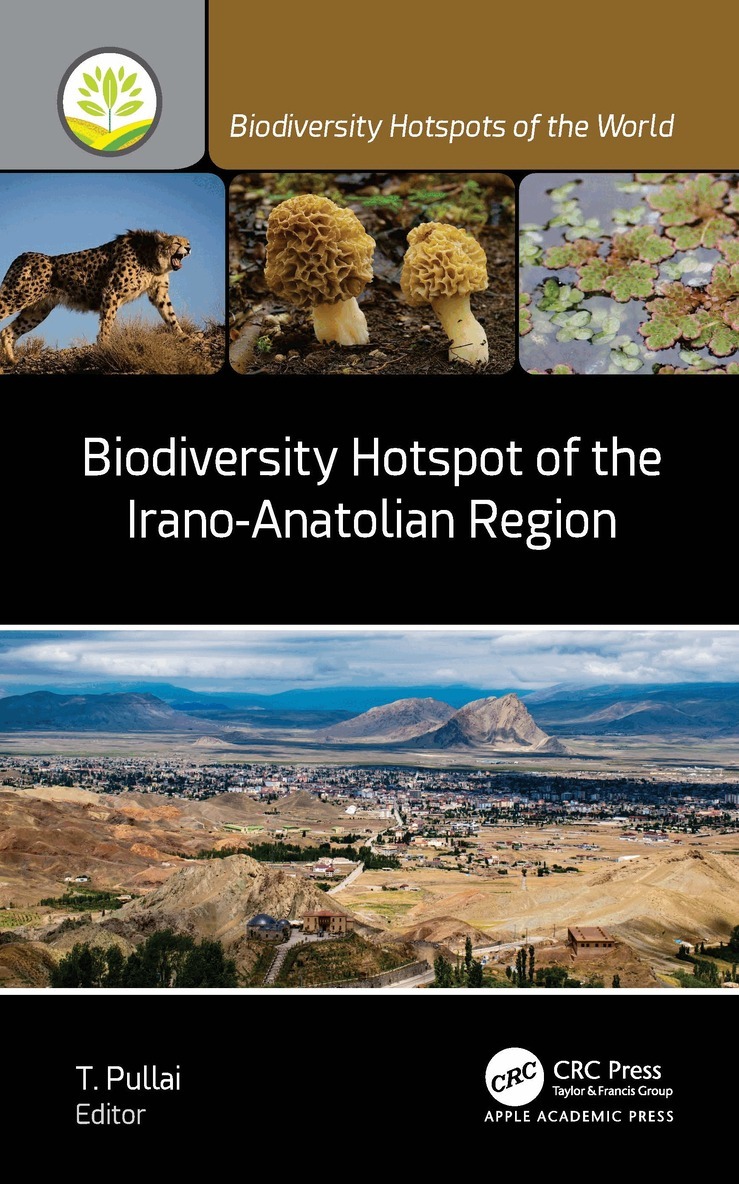
As biodiversity across the globe declines at an alarming rate due to anthropogenic pressures, the Biodiversity Hotspots of the World series provides a critical scientific record of the planet’s most ecologically significant and vulnerable regions. Each volume delivers a focused, multidisciplinary examination of a designated hotspot—capturing its unique biological richness while addressing the urgent need for conservation.This volume explores the Irano-Anatolian Region, a globally recognized biodiversity hotspot spanning Southwest Asia, including parts of Türkiye, Iran, Iraq, Armenia, Azerbaijan, Georgia, and Turkmenistan. Characterized by dramatic tectonic landscapes—such as the Zagros and Alborz mountain ranges and the Armenian Highlands—the region supports a remarkable diversity of habitats and species. Its complex topography and climatic variation have fostered high levels of endemism, including specialized flora such as halophytic plants and a wide array of endemic orchids, many of which face increasing threats.The volume presents a comprehensive overview of the region’s geography, geology, and climate, alongside in-depth analyses of its biological diversity. Coverage spans cyanobacteria, macrofungi, phytoplankton and zooplankton, bryophytes and pteridophytes, fish, soils, and more, offering a holistic understanding of ecosystem structure and function. The volume also addresses the accelerating impacts of climate change, as well as ongoing threats from overgrazing, deforestation, wetland degradation, military activity, and land-use change.As part of this authoritative series, the book serves as a valuable resource for documenting existing biodiversity while informing future research and conservation strategies. It stands as an essential reference for those engaged in conservation biology, ecology, and environmental science, as well as policymakers seeking to better understand and protect this ecologically critical region.
Inbunden, Engelska, 2026
2 113 kr
Skickas inom 10-15 vardagar
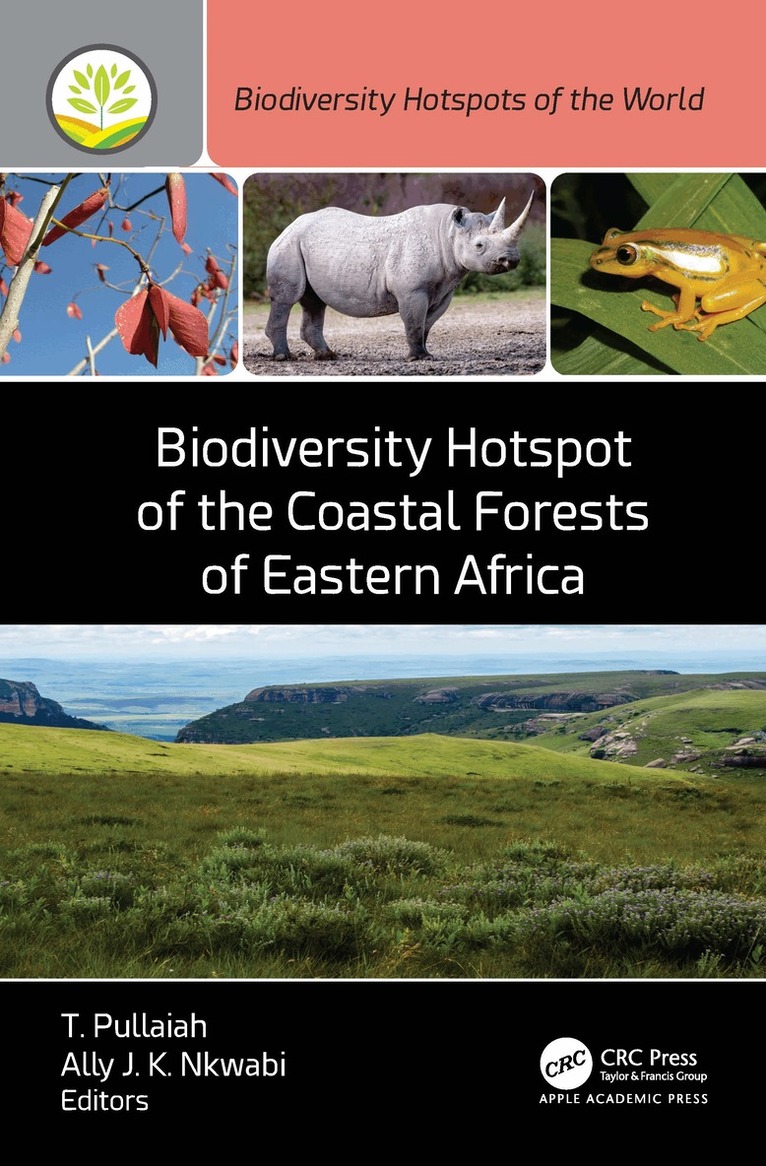
Biodiversity is declining at an alarming rate due to anthropogenic activities around the world. This book is part of the new series Biodiversity Hotspots of the World, which highlights the 36 hotspot regions of the world that are Earth's most biologically rich but threatened terrestrial regions, each defined by having at least 1,500 endemic plant species and having lost at least 70% of its original natural vegetation.This volume covers the Coastal Forests of Eastern Africa Biodiversity Hotspot, which stretches along the eastern edge of Africa and includes parts of Somalia, Kenya, Tanzania, and Mozambique. All islands lying immediately offshore are also part of the hotspot—Pemba, Zanzibar, Mafia and the Bazaruto Archipelago among them. While it is difficult to document the biodiversity of this inhospitable terrain, the coastal forests have exceptionally rich biodiversity and high endemism, with 11,000 species of plants and animals, including 1000 species of seaweed, 3000 species of mollusks, and 1500 species of fish. Anthropogenic activities including deforestation, fragmentation of habitats, pollution, increased human population, climate change, and poaching of wildlife pose serious threats to the biodiversity of the region.
Inbunden, Engelska, 2026
2 535 kr
Skickas inom 10-15 vardagar
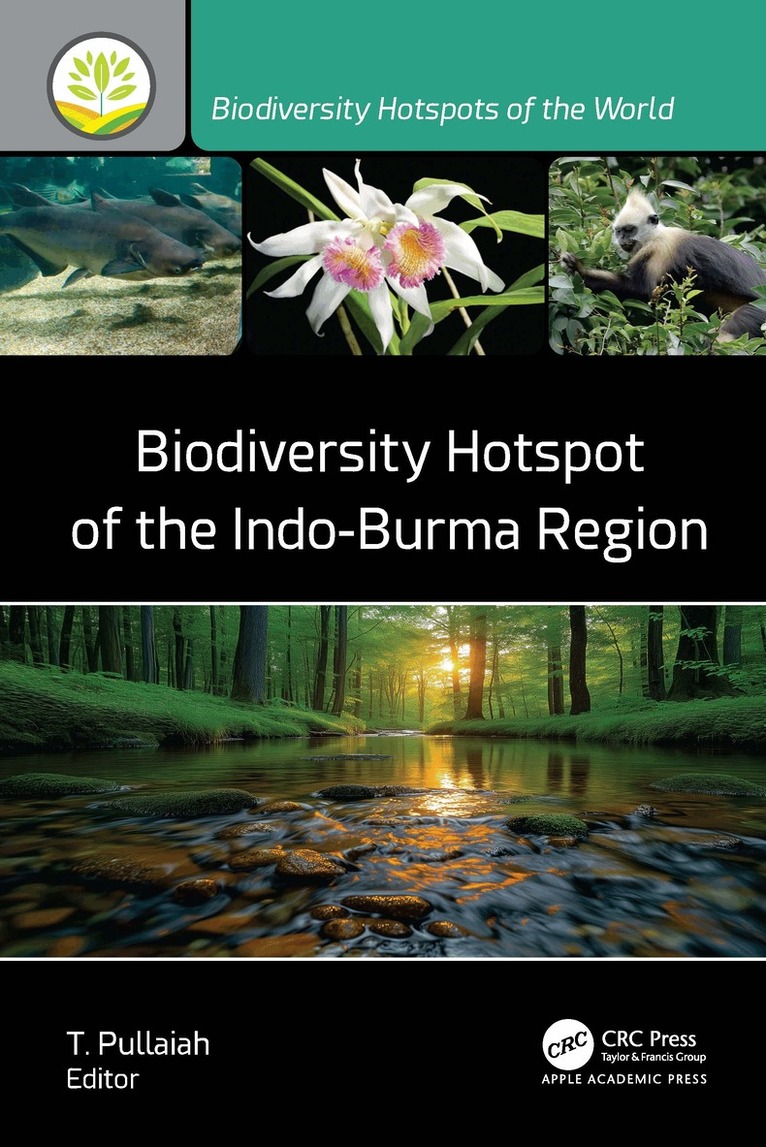
The Indo-Burma Biodiversity Hotspot, spanning over two million total square kilometers, covers parts of Cambodia, Laos, Myanmar, Thailand, Vietnam, southern China, northeast India, and Bangladesh. It is one of the world 36 biodiversity hotspots and is considered one of the most biologically important regions on Earth. The hotspot is home to a remarkable diversity of plants and animals.This new volume covers a range of diverse topics, including studies of the paleoclimatic oscillations of the region as well as the impact of climate change. Also addressed are the various types of forests, plants and vegetation, lichen and cyanobacteria, etc., found in the hotspot. It presents examinations of faunal diversity and agrobiodiversity as well.This volume is part of the Biodiversity Hotspots of the World book series, which addresses the urgent need to take stock of the biodiversity in hotspots around the world in order to foster conservation and management. The volumes in this series are essential resources for researchers and practitioners in the fields of conservation biology, ecology, and evolution as the series concisely records the existing biodiversity of these hotspots of the world.
Inbunden, Engelska, 2026
2 535 kr
Skickas inom 10-15 vardagar
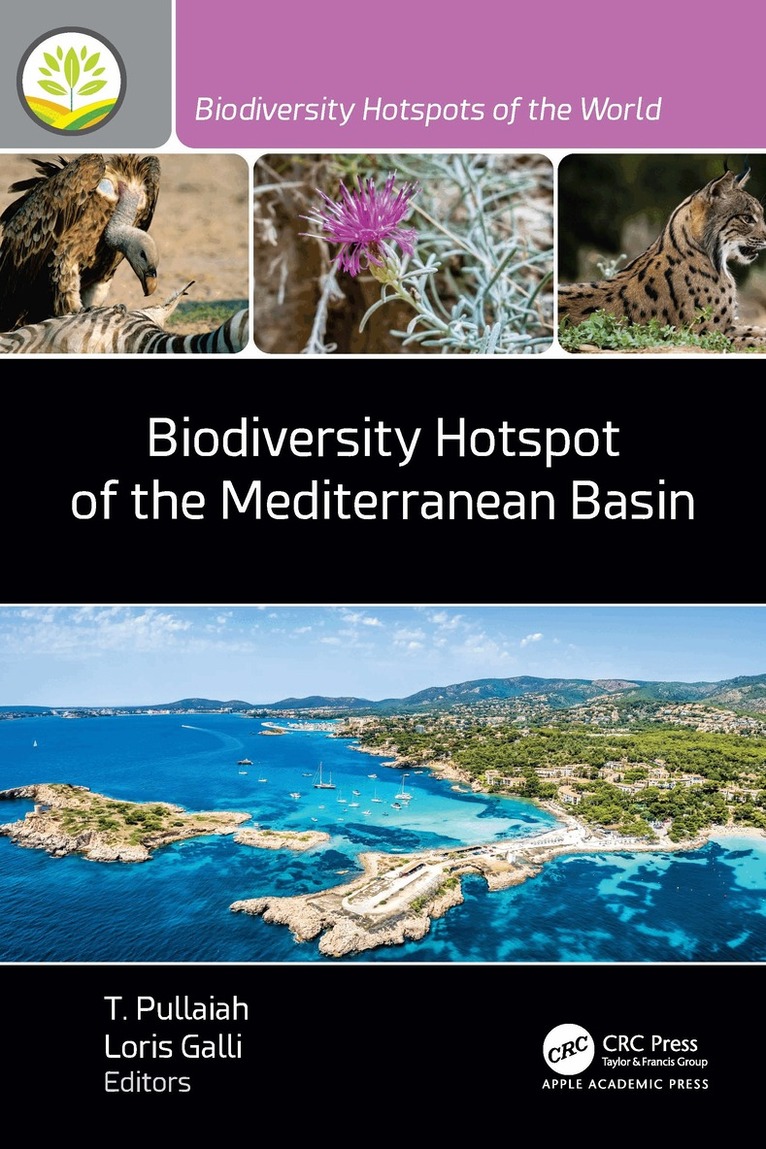
This new volume focuses on the biodiversity of the Mediterranean Basin, a very heterogeneous area with an extremely complex geological history where, within a few kilometers, there is a gradient of microhabitats that goes from the coasts with a Mediterranean climate to high altitude mesophilic areas.Stretching from the archipelago of Cabo Verde in the west to Jordan and Turkey in the east, the region is well known for its exceptional richness in biodiversity and its high rate of endemicity. The region flora diversity is significant, with 15,000 to 25,000 species, 60% of which are unique to the region. The anthropogenic activities of the region, however, which include deforestation, fragmentation of habitats, pollution, high population density (with nearly 500 million human inhabitants and another 250 million tourists visiting each year), climate change, and poaching of wildlife, pose serious threats to the biodiversity of the region. The Mediterranean Basin hosts over 1,300 threatened species (extinct in the wild, critically endangered, endangered, and vulnerable), such as the dragonfly (Urothemis edwardsii), the dung beetle (Thorectes colon), the Rüppell Vulture (Gyps rueppelli), and the Iberian lynx (Lynx pardinus).The volumes of Biodiversity Hotspots of the World book series are essential resources for researchers and professionals in the fields of conservation biology, ecology and evolution, concisely illustrating existing biodiversity in hotspots around the world.
Inbunden, Engelska, 2026
2 535 kr
Skickas inom 10-15 vardagar
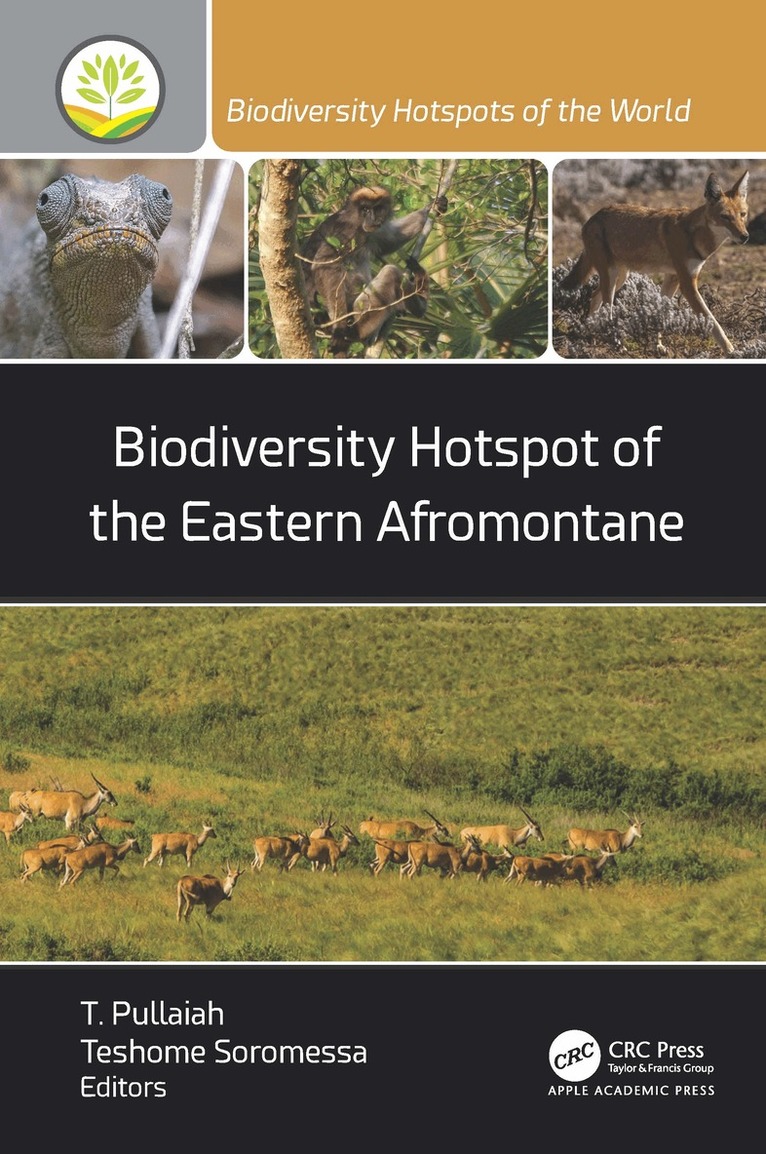
Biodiversity is declining at an alarming rate due to anthropogenic activities around the world. As a part of the new series Biodiversity Hotspots of the World, which highlights the 36 hotspot regions of the world, this new book covers the Eastern Afromontane, encompassing regions of Africa and Arabia. This series is our humble attempt to document the various hotspots around the world as a conservation and preservation measure.The concise volumes in this series focus on the most interesting and important properties of these hotspots, covering physiography and climatology; vegetation and forest types; amphibian and reptile biodiversity; genetic diversity of crops, plants, fishes, butterflies, insects, birds, mammals, angiosperms, and gymnosperms; and much more. And of course, the unique threats and conservation efforts for the areas are addressed as well.Biodiversity Hotspot of the Eastern Afromontane covers extensive areas in Africa and Arabia, starting from some of its highest peaks and mountain regions to large plateaus. The hotspot is home to a diverse ecosystem of bamboo forests, grasslands, and high-altitude wetlands. It is also home to some of the world most extraordinary lakes, with a thriving marine life featuring a vast amount of freshwater fish diversity. Nearly 1,300 bird species are found in the hotspot, as well as over 500 mammal species.The book first provides an overview of the ecological features of the land, covering its geography, climate, and vegetation. It then goes on to cover diversity in its various lifeforms including lichens, pteridophytes, gymnosperms, and angiosperms. It also delves into the diversity of amphibians and mammals residing in the hotspot. The book covers the negative impact of climate change on the hotspot and the subsequent dangers it poses. It also throws light on various other threats to the biodiversity in the region. The book details the various conservation efforts currently taken as well as steps that can be taken to improve these efforts.This volume, Biodiversity Hotspot of the Eastern Afromontane, as well as the other volumes in this series, will be essential resources for researchers and practitioners in the fields of conservation biology, ecology, and evolution as the series concisely records the existing biodiversity of these hotspots of the world.