Biomedical and Health Research (IOS Press) – serie
Visar alla böcker i serien Biomedical and Health Research (IOS Press). Handla med fri frakt och snabb leverans.
5 produkter
5 produkter
Inbunden, Engelska, 2007
3 895 kr
Skickas inom 3-6 vardagar
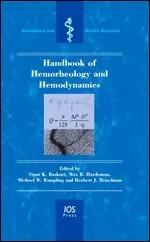
This publication primarily focuses on the macro- and micro-rheological behavior of blood and its formed elements, on interactions between the formed elements and blood vessel walls, and on the microvascular aspects of hemodynamics. Since many aspects of hemorheology and hemodynamics are affected by disease or clinical states, these effects are discussed as are hyperviscosity syndromes, therapy for disturbed blood rheology, and methods in hemorheology and hemodynamics. Sections of the Handbook include History of Hemorheology; Hemorheology, covering basic aspects, blood composition, blood rheology, cell mechanics, pathophysiology, methods and comparative studies; Hemodynamics, covering basic principles, microcirculation, in vivo effects, endothelium and methods; and Clinical Aspects of Hemorheology, covering hyperviscosity, clinical significance and treatment. The goal is to foster greater interchange between workers in the fields so as to promote collaborative efforts and, hopefully, improved health. In selecting topics for this handbook the editors have attempted to provide a general overview of both basic science and clinical hemorheology and hemodynamics. Hemorheology and hemodynamics are closely related, the former dealing with all aspects of the flow and interactions of the individual blood cells mostly studied in vitro, the latter with the in vivo relationships among vessel architecture, driving pressure, flow rate and shear stress. The linkage between the in vitro and in vivo research described in the book will be of interest to both basic science and clinical investigators. The editors of the handbook have each been active in the fields of bio- and hemorheology for many years, and have published extensively. They have successfully achieved their objective to publish a well-written and well-edited handbook that will be valuable for researchers and students in the field.
2 344 kr
Skickas
This publication primarily focuses on the macro- and micro-rheological behavior of blood and its formed elements, on interactions between the formed elements and blood vessel walls, and on the microvascular aspects of hemodynamics. Since many aspects of hemorheology and hemodynamics are affected by disease or clinical states, these effects are discussed as are hyperviscosity syndromes, therapy for disturbed blood rheology, and methods in hemorheology and hemodynamics. Sections of the Handbook include History of Hemorheology; Hemorheology, covering basic aspects, blood composition, blood rheology, cell mechanics, pathophysiology, methods and comparative studies; Hemodynamics, covering basic principles, microcirculation, in vivo effects, endothelium and methods; and Clinical Aspects of Hemorheology, covering hyperviscosity, clinical significance and treatment. The goal is to foster greater interchange between workers in the fields so as to promote collaborative efforts and, hopefully, improved health. In selecting topics for this handbook the editors have attempted to provide a general overview of both basic science and clinical hemorheology and hemodynamics. Hemorheology and hemodynamics are closely related, the former dealing with all aspects of the flow and interactions of the individual blood cells mostly studied in vitro, the latter with the in vivo relationships among vessel architecture, driving pressure, flow rate and shear stress. The linkage between the in vitro and in vivo research described in the book will be of interest to both basic science and clinical investigators. The editors of the handbook have each been active in the fields of bio- and hemorheology for many years, and have published extensively. They have successfully achieved their objective to publish a well-written and well-edited handbook that will be valuable for researchers and students in the field.
1 634 kr
Skickas
Biomedicine in the Twentieth Century: Practices, Policies, and Politics is a testimony to the growing interest of scholars in the development of the biomedical sciences in the twentieth century and to the number of historians, social scientists and health policy analysts now working on the subject. The book is comprised of essays by noted historians and social scientists that offer insights on a range of subjects that should be a significant stimulus for further historical investigation. It details the NIH’s practices, policies and politics on a variety of fronts, including the development of the intramural program, the National Institute of Mental Health and mental health policy, the politics and funding of heart transplantation and the initial focus of the National Cancer Institute. Comparisons can be made with the development of other American and British institutions involved in medical research, such as the Rockefeller Institute and the Medical Research Council. Discussions of the larger scientific and social context of United States’ federal support for research, the role of lay institutions in federal funding of virus research, the consequences of technology transfer and patenting, the effects of vaccine and drug development and the environment of research discoveries all offer new insights and suggest questions for further exploration.
1 661 kr
Skickas
As the world’s population ages, the problem of degenerative disease is increasing. At the same time, the demand for organ transplants to repair or replace damaged tissue continues to grow. Regenerative medicine is a branch of translational medicine which promotes the repair, regeneration, or construction of tissues and organs or improves or restores their function through tissue engineering, cell biology, molecular biology and other techniques. Stem cells are one of the most important types of cells used in regenerative medicine, and stem cell research is also one of the most active research areas in the field.This book presents 20 full papers from the 8th International Symposium China-Europe “Stem Cells and Regenerative Medicine”, held in Wuhan, China from 19-21 June 2018. At this symposium, researchers in the field of stem cells and regenerative medicine from China and France discussed research from a molecular point of view and pointed out the clinical applications of mesenchymal stem cells, as well as the construction and applications of new biomaterials, the biomechanics of bone tissue engineering, and cellular immunotherapy, among other subjects. Stem cell technology could soon make possible the repair or replacement of aging and damaged tissue, as well as providing a treatment for genetic defects and malignancies,and this book will be of value to all those with an interest in regenerative medicine.
1 661 kr
Skickas
Most human tissues do not regenerate spontaneously, but the development of biotherapies using stem cells may offer promising alternatives. Among the possible medium-term therapeutic applications for this technique are: cardiac insufficiency, preparation of small diameter arteries, treatment of atherosclerosis, bone repair, cartilage defects, burns, diabetes, liver or bladder regeneration, and neurodegenerative disorders. This concept of regenerative medicine is an emerging multidisciplinary field involving surgery medicine, biology, chemistry, mechanics and engineering, and can be seen as a way of improving health and quality of life by restoring, maintaining, or enhancing tissue and organ function.This book presents the proceedings of the 9th China-France Symposium on Stem Cells and Regenerative Medicine, held in Strasbourg, France, from 2-4 October 2019.The aim of the symposium was to provide researchers, clinicians and students with a comprehensive, up-to-date overview of stem cells and potential medical applications in cellular and tissue engineering for the treatment of various chronic diseases. It also brought together scientists from various disciplines and experiences to discuss recent advances in the use and applications of stem cells. The contributions presented here divide into three main themes: cells; tissue engineering; and clinical applications. Important complementary aspects such as ethics and cell marketing are also discussed.Illustrating the challenges and recent progress achieved in the characterization of stem cells, the book will be of interest to all those working in the field.